Saint-Emilion

(If viewing on a mobile device tap on a photo to see the full image)

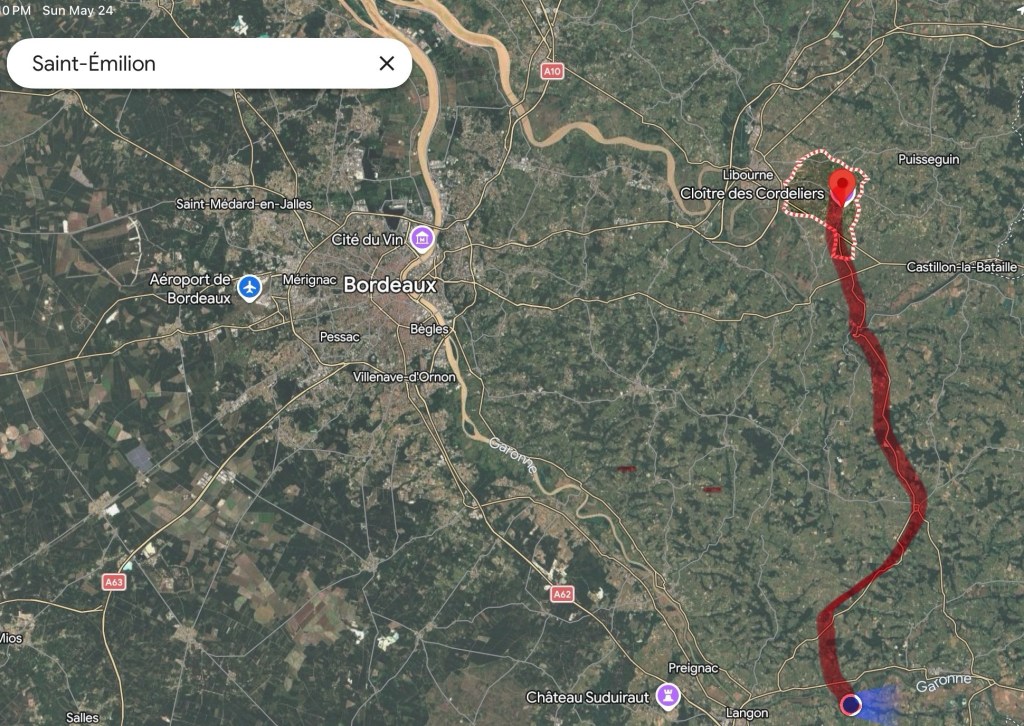
As the Old Course in Scotland is to golf, one might consider Saint-Emilion one of the centers of the wine universe. Being east of the Dordogne River, it is part of the Right Bank of the Bordeaux region.

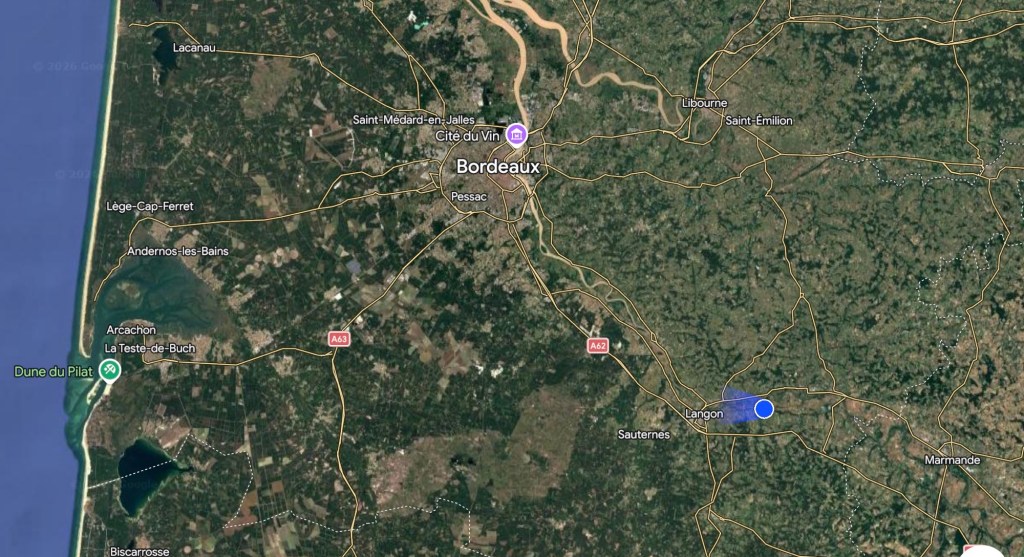
After a solid first night on board the barge we set off in the van under a blistering hot sun and absolutely cloudless, hard blue sky for the 45 minute drive north. Rule one of embarking on a day of wine tasting – have the host drive! Our route traversed mile after mile of vineyards. In all directions as far as one could see, field after field of vines.
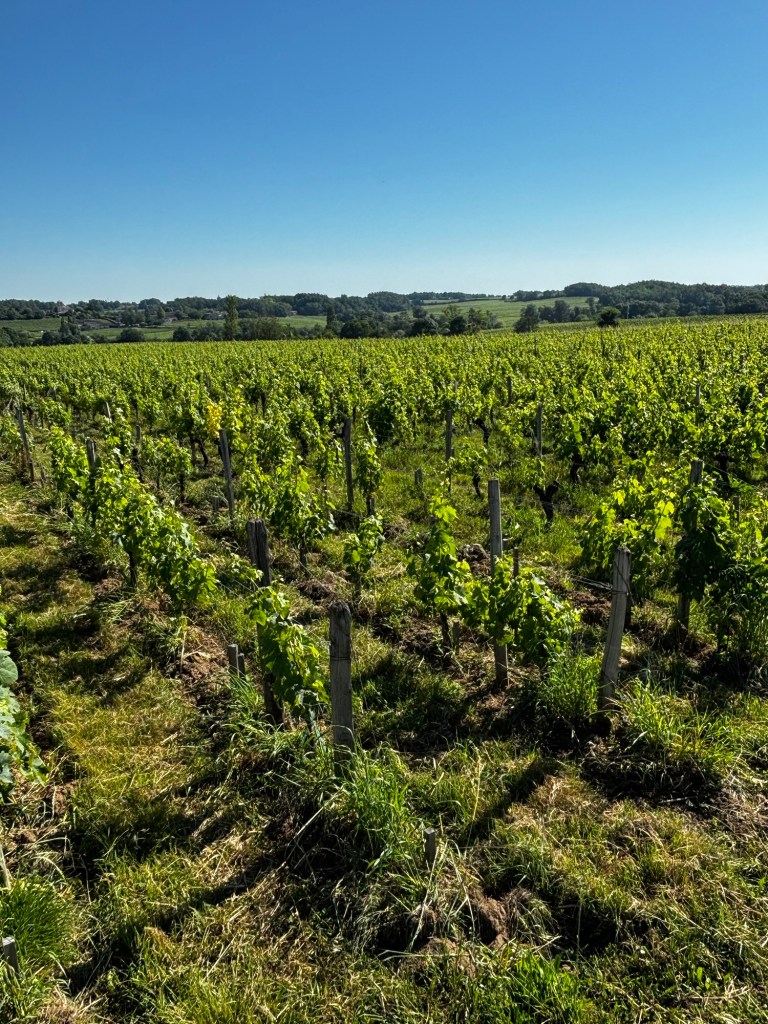
Endless Vines

Saint-Emilion is both a region and a town. The region contains eight towns, 13,000 acres under cultivation and 800 wineries. Unlike its equally famous neighbours on the left bank of the Garonne River, the classification of wineries is much simpler, started 100 years later (1955) and is updated every 10 years.

There are four levels in the Saint-Emilion classification system: Premier Grand Cru Classe A (2 wineries), Premier Grand Grand Cru Classe B (12), Grand Cru Classe (65) and Grand Cru (hundreds). Despite our best efforts we managed to experience “only” 13 different vintages during the day.

First stop, Chateau Grangey, a small (8,000 – 15,000 bottle) producer.
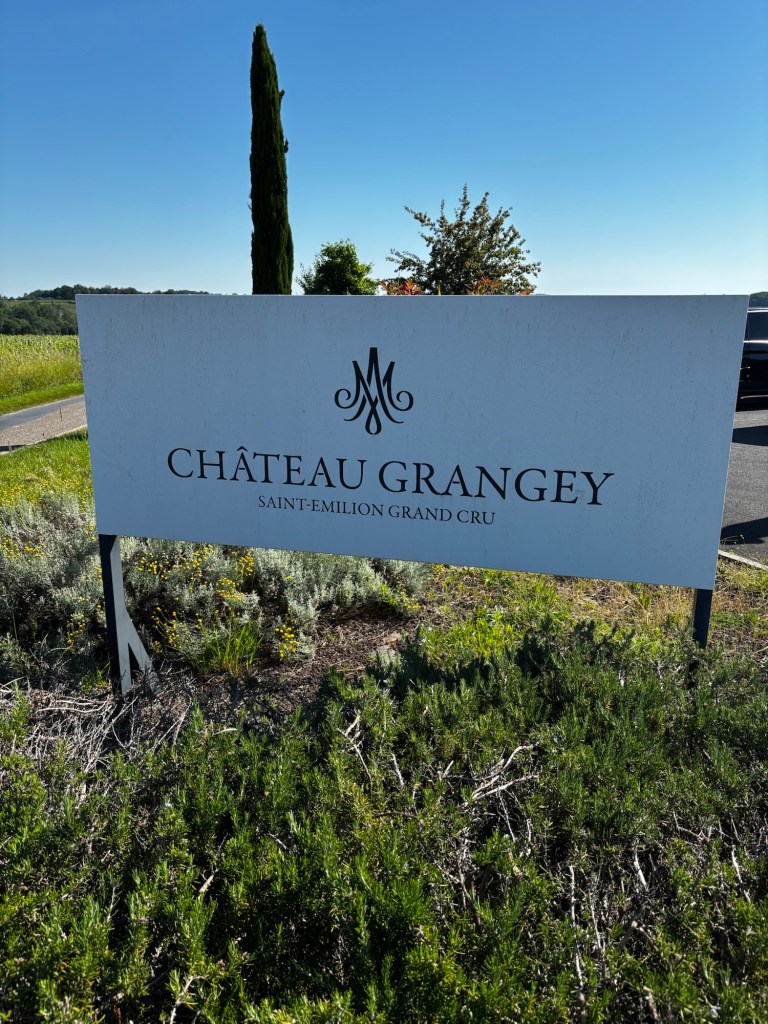
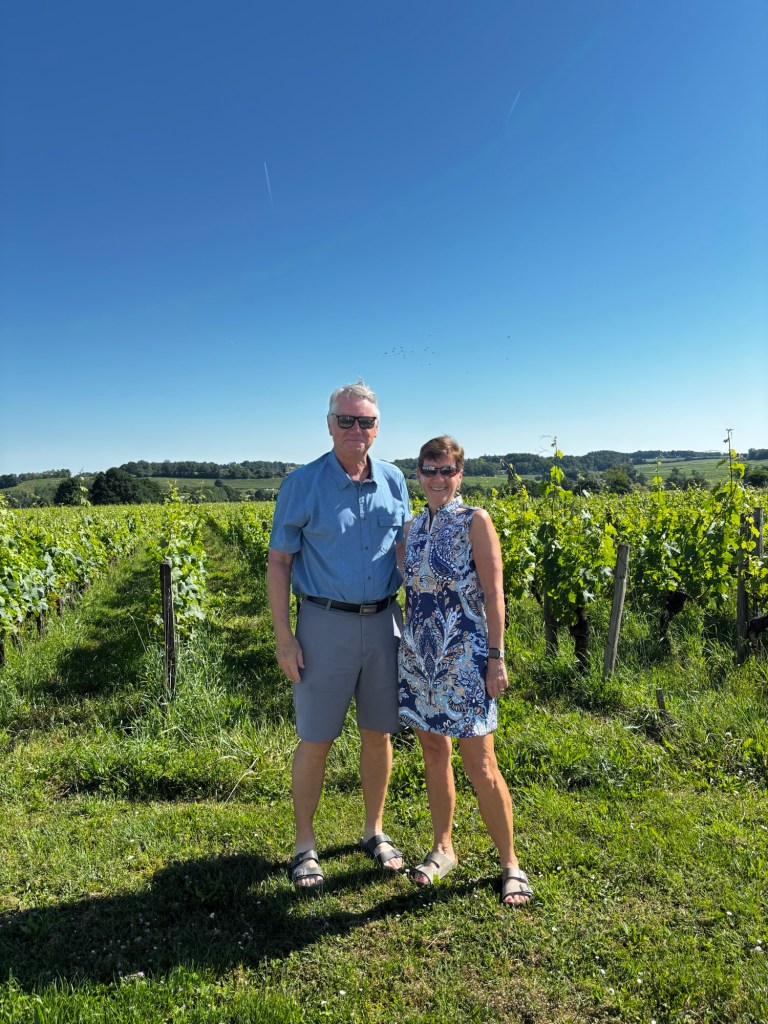
Our host took us in amongst the vines and explained the different grape varieties and farming techniques.
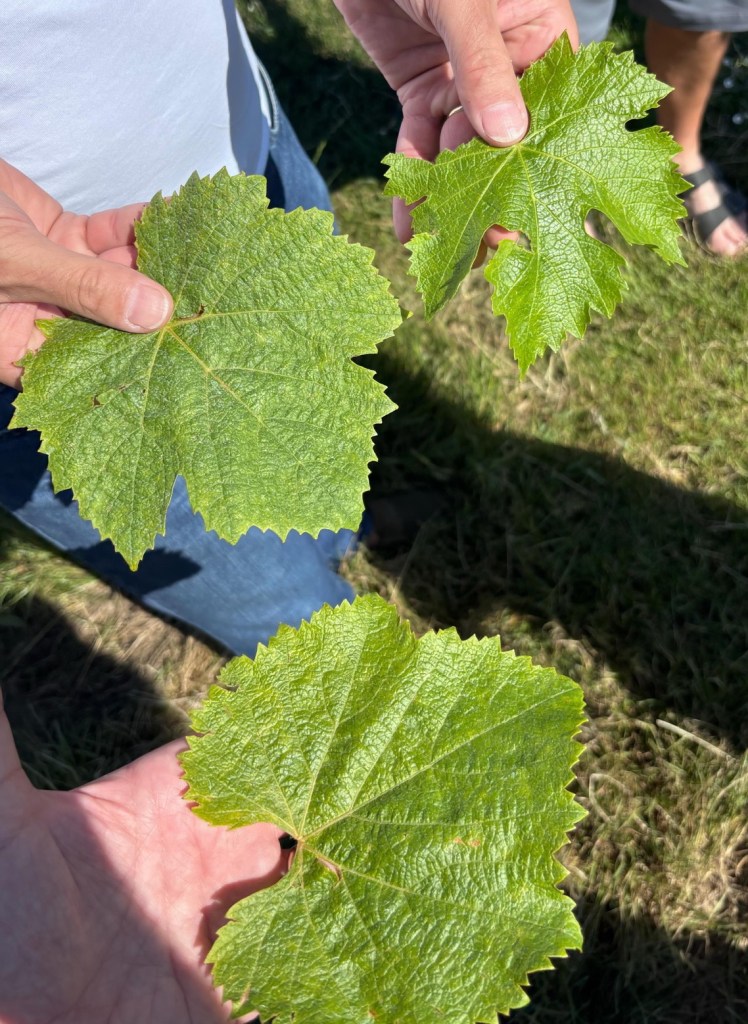
From bottom to top – Malbec, Merlot, Cabernet Franc

We moved indoors and learned the sequence of field to bottle including the impact of barreling and time.
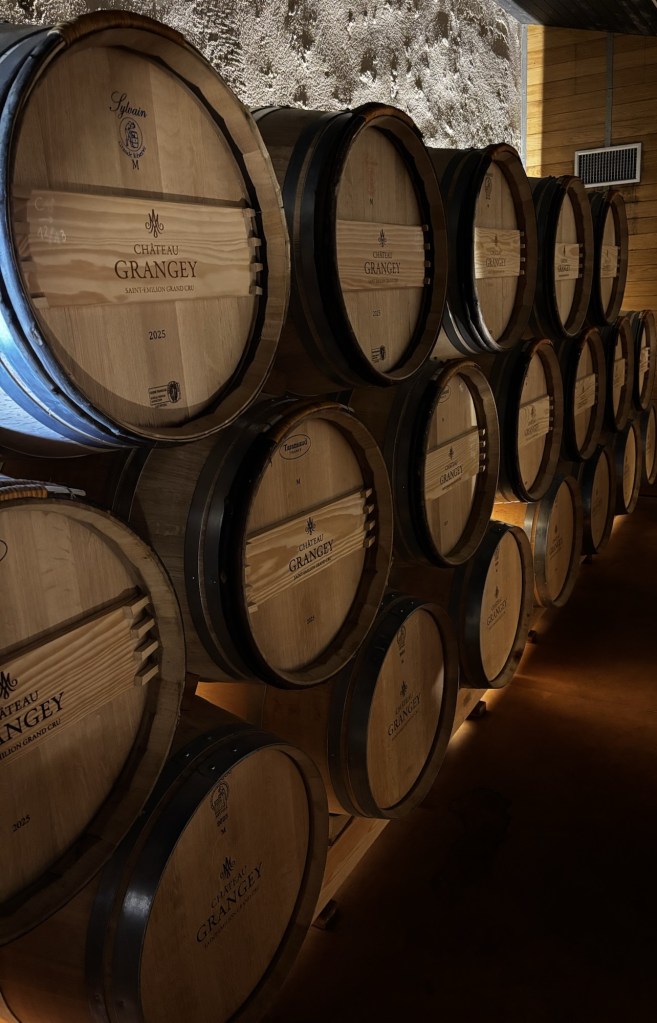
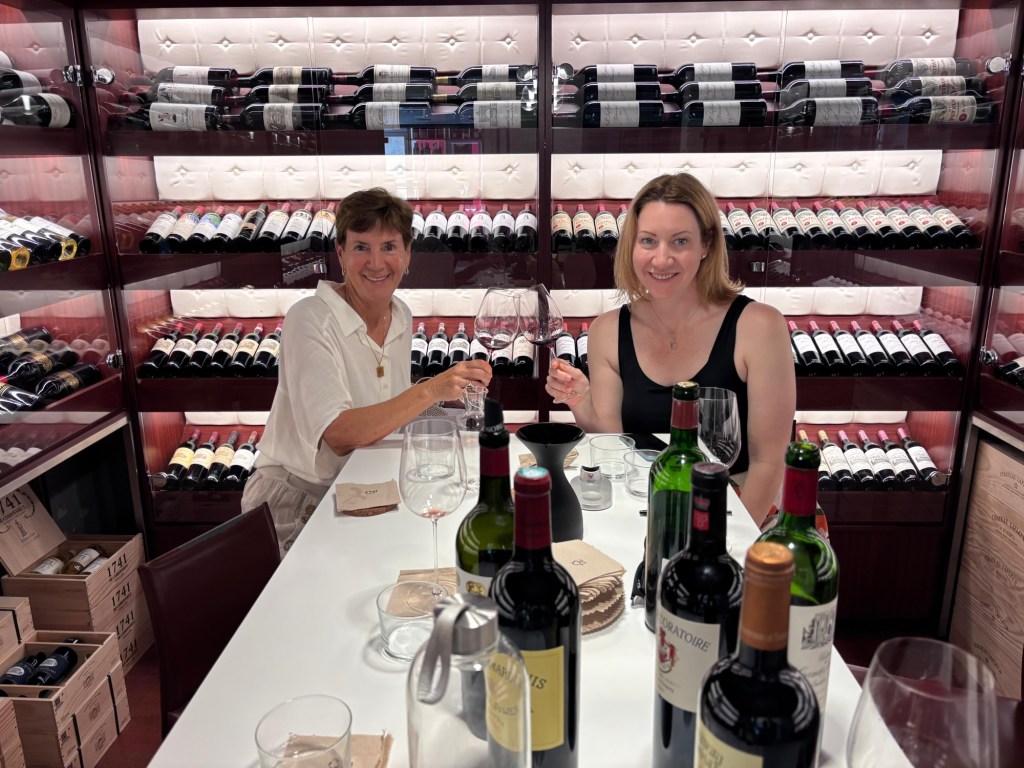
Then on to the matter at hand. Tasting!
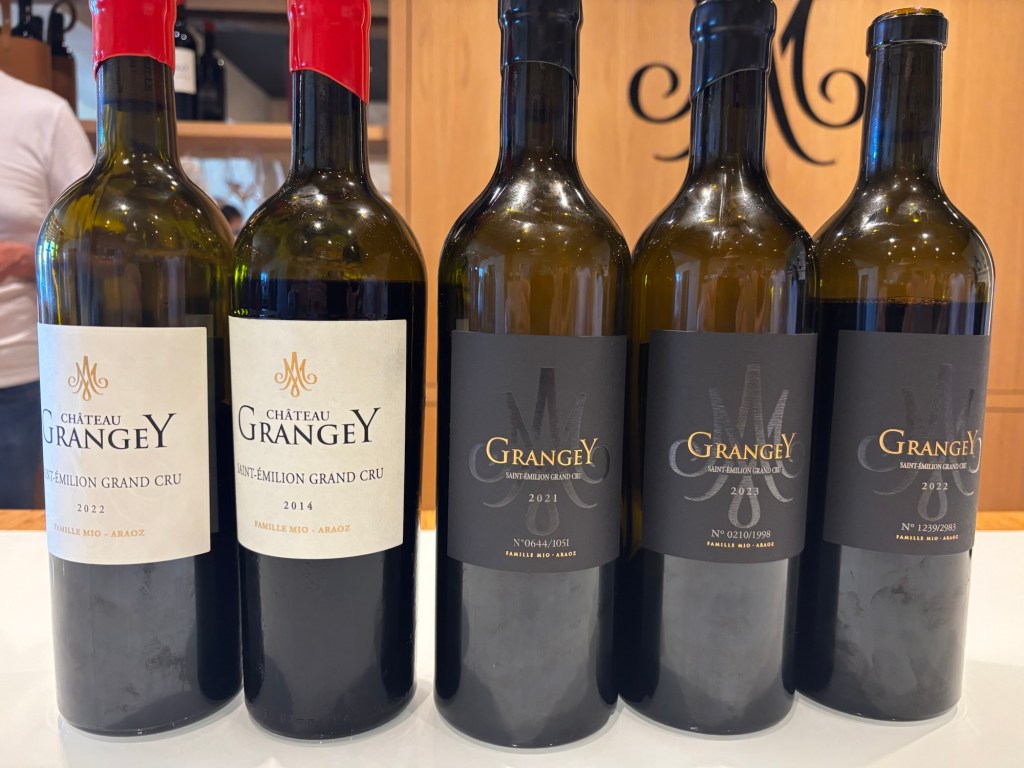
Different combinations of Merlot & Cab Franc along with different vintages (2022, 2014, 2021, 2023, 2022)

After tasting five solid pours we all agreed the limestone influenced, Merlot dominated wines of Saint Emilion lived up to their reputation.

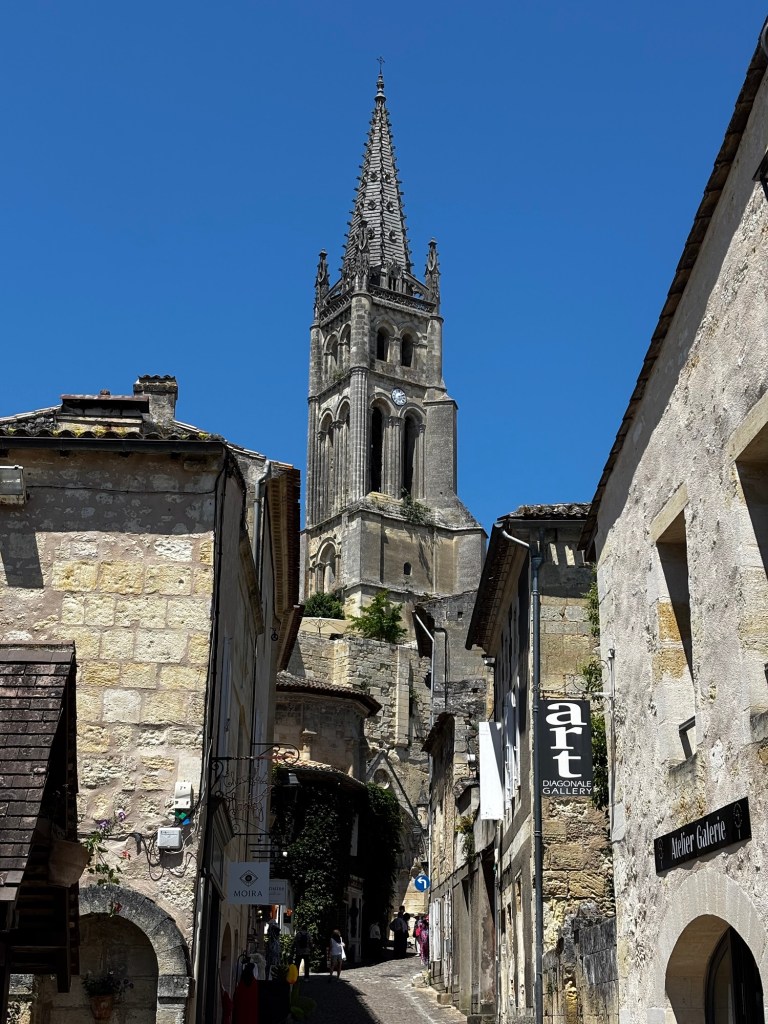
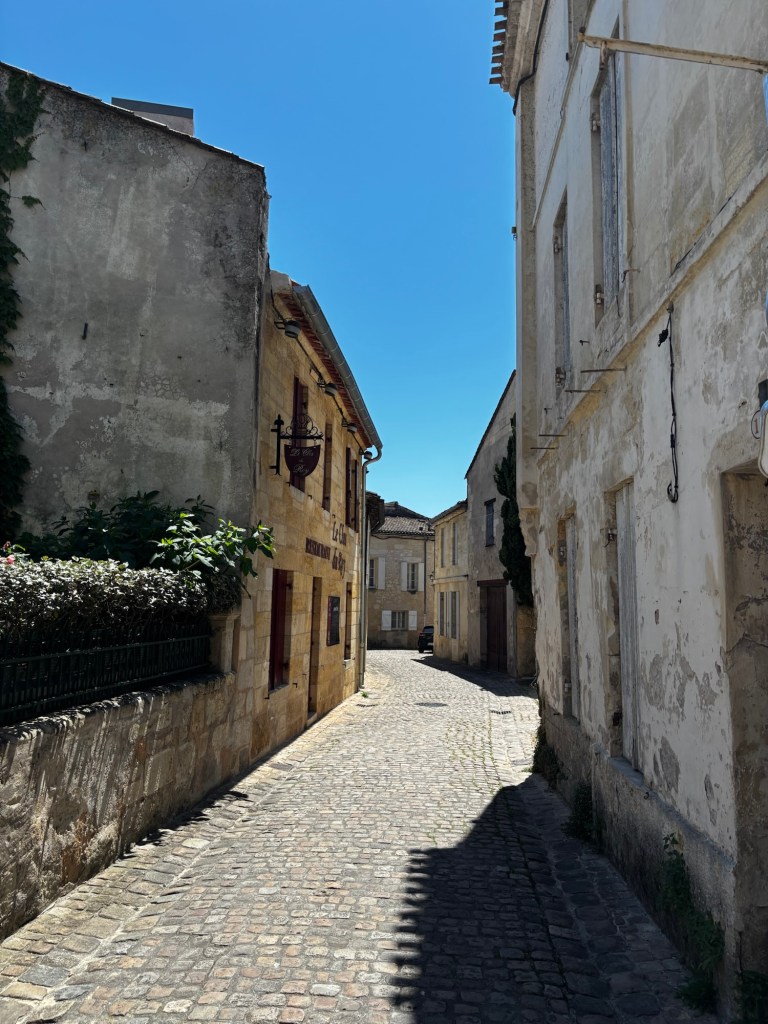
Back in the van for a quick trip into the town of Saint-Emilion itself. Built on a limestone plateau the stone was quarried extensively for centuries resulting in nearly 100 kms of galleries on four superimposed levels underneath the entire town. Meanwhile, above ground……..
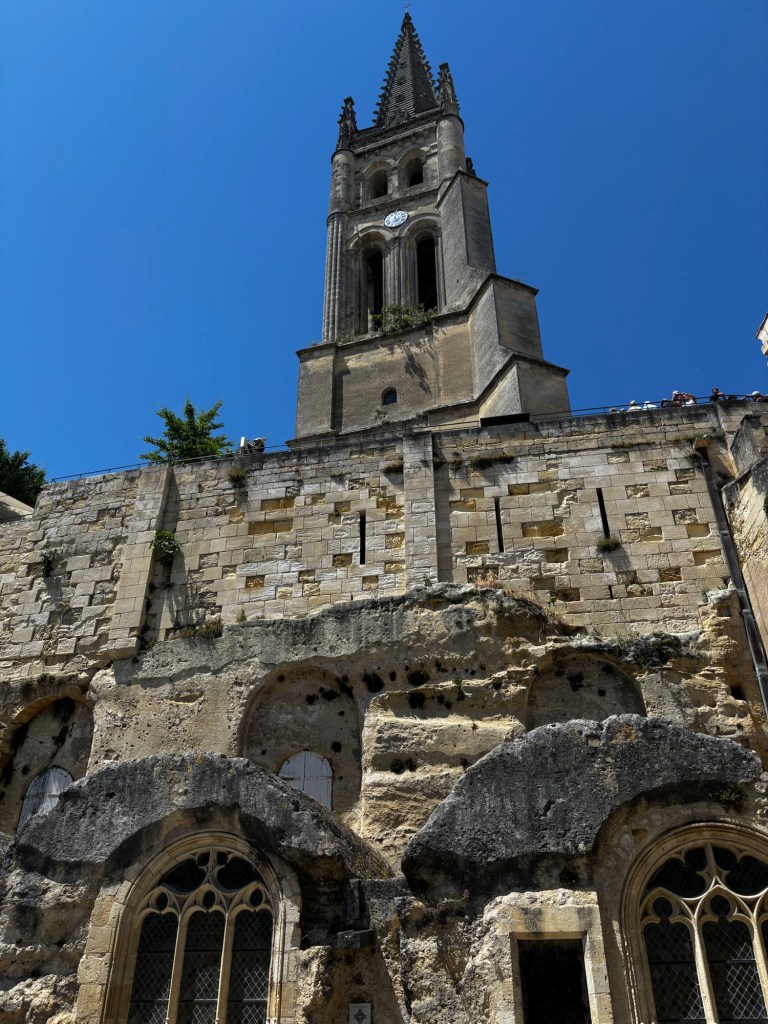
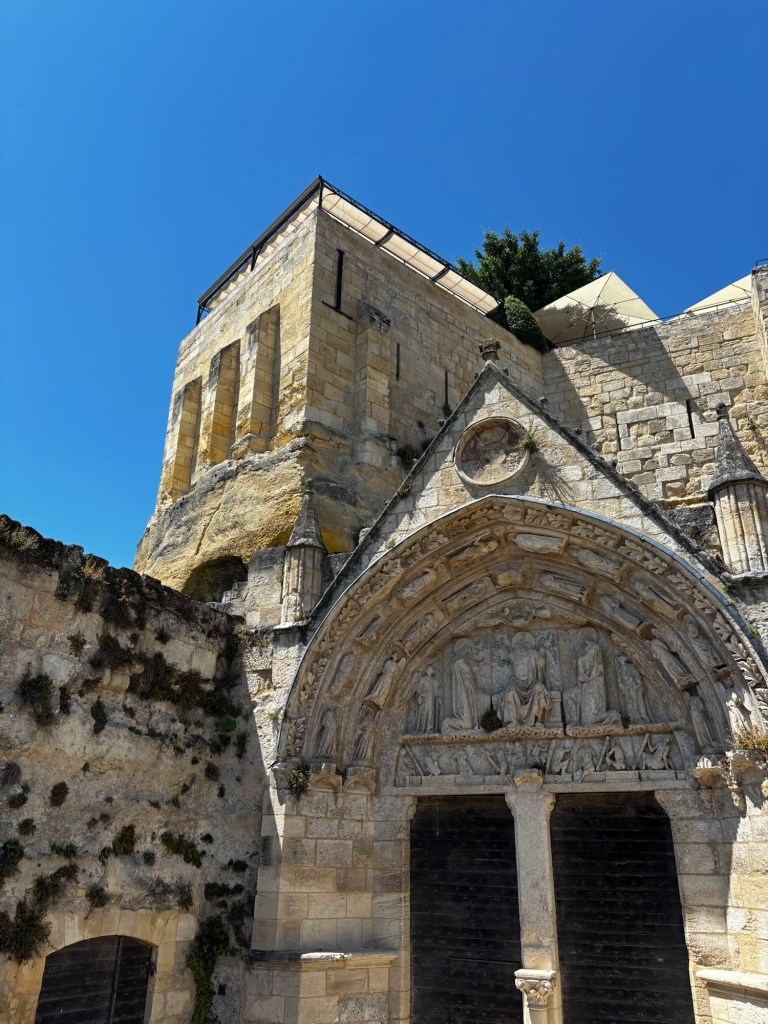
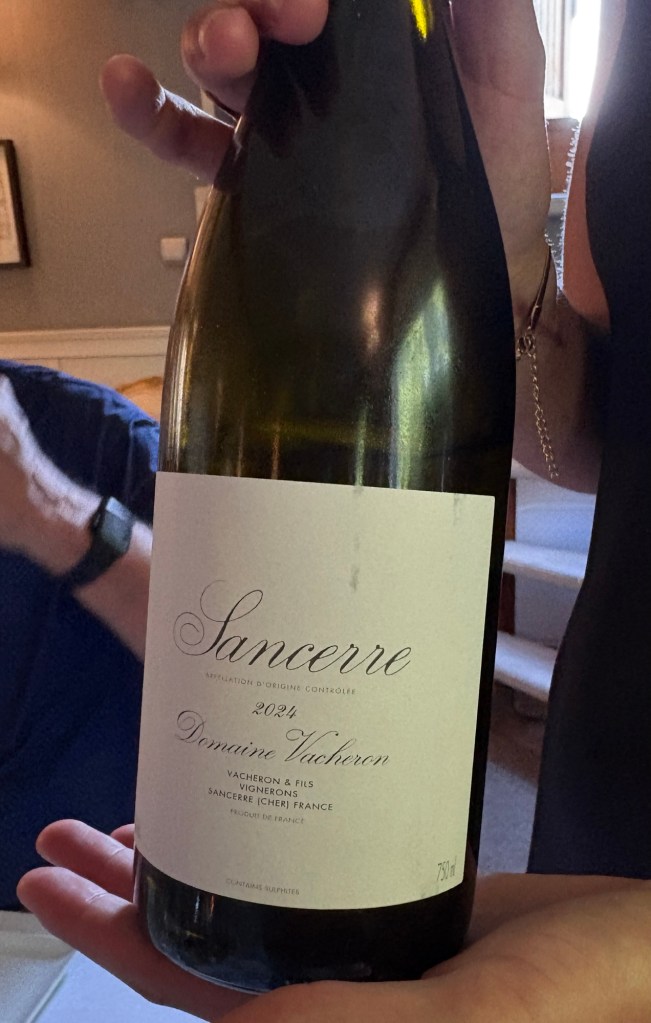
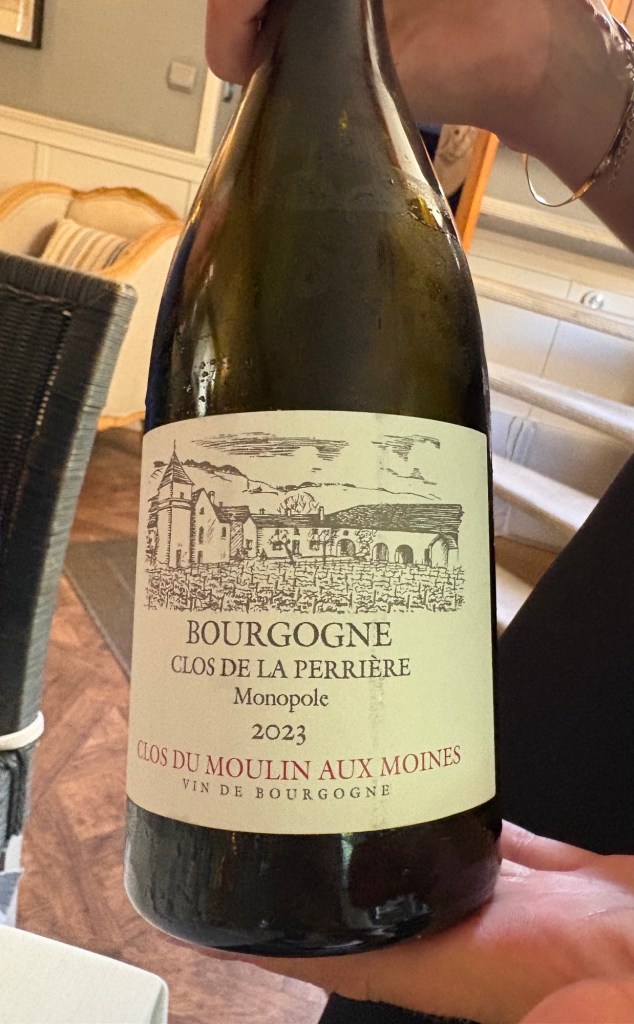
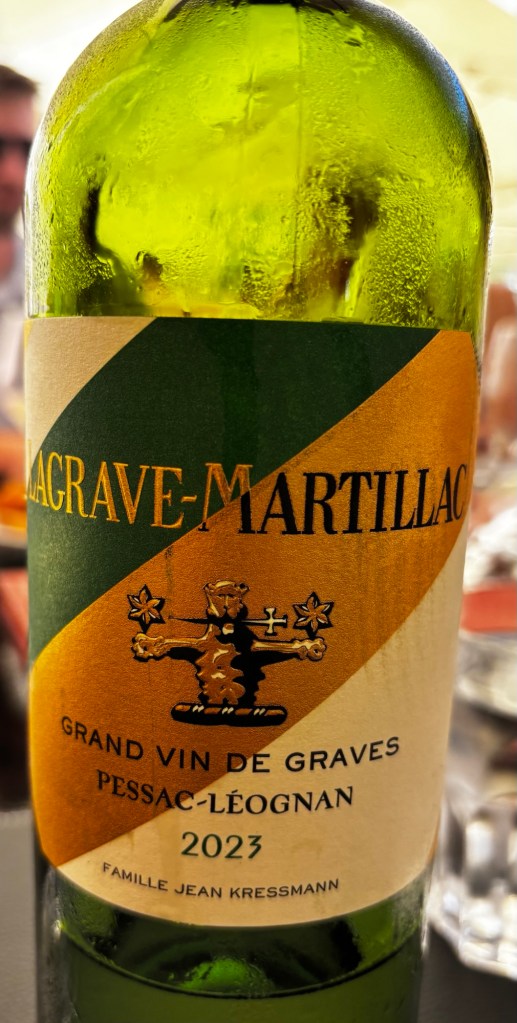
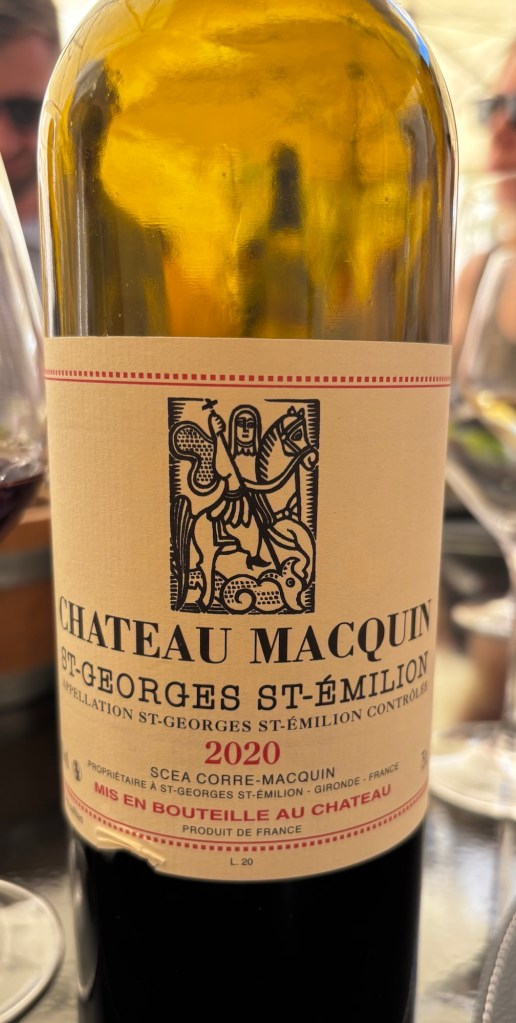
Lunch was superb and presented another opportunity to taste different wines. Because white wines are not produced in the region we were “forced” to try an “import” from the Graves region south of Bordeaux while the red was a very sold local product. Both two thumbs up!
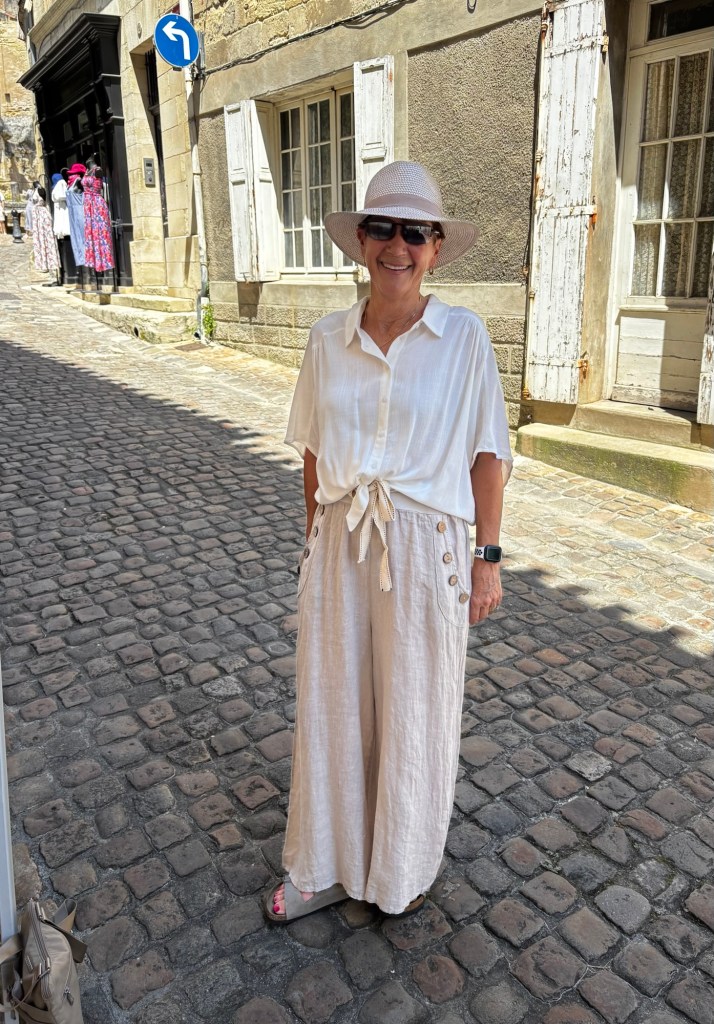
After lunch we had a chance to wander the town which lead to Mo having a retail moment.
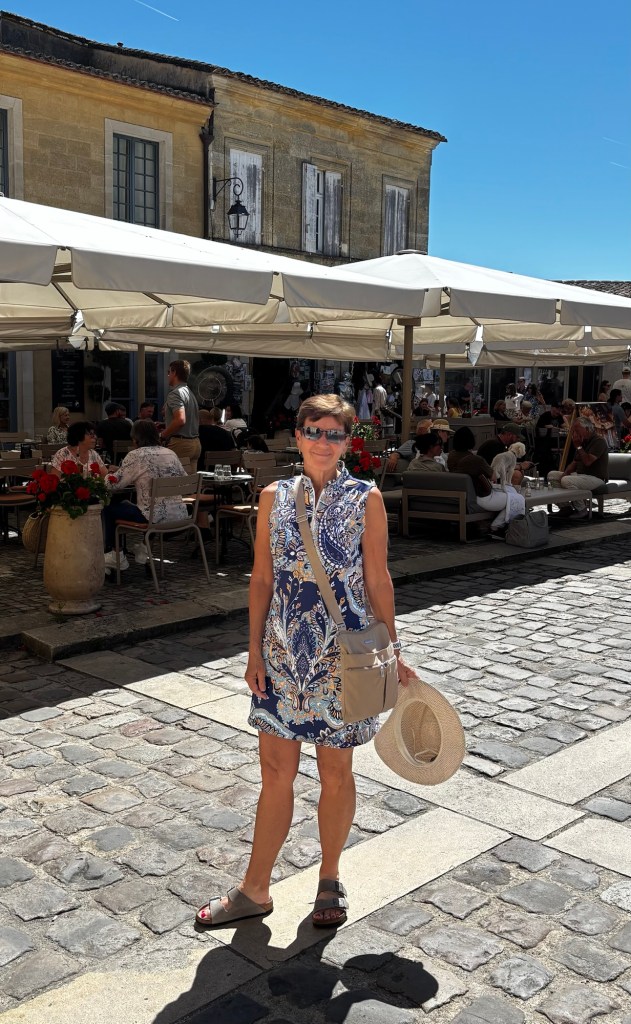
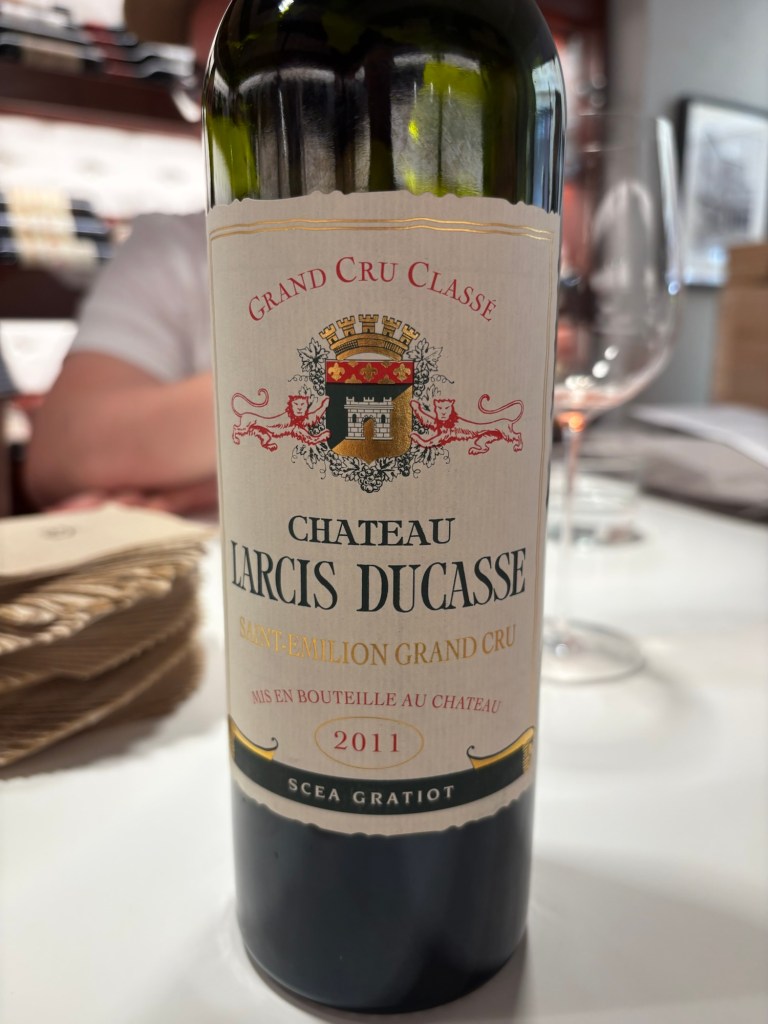
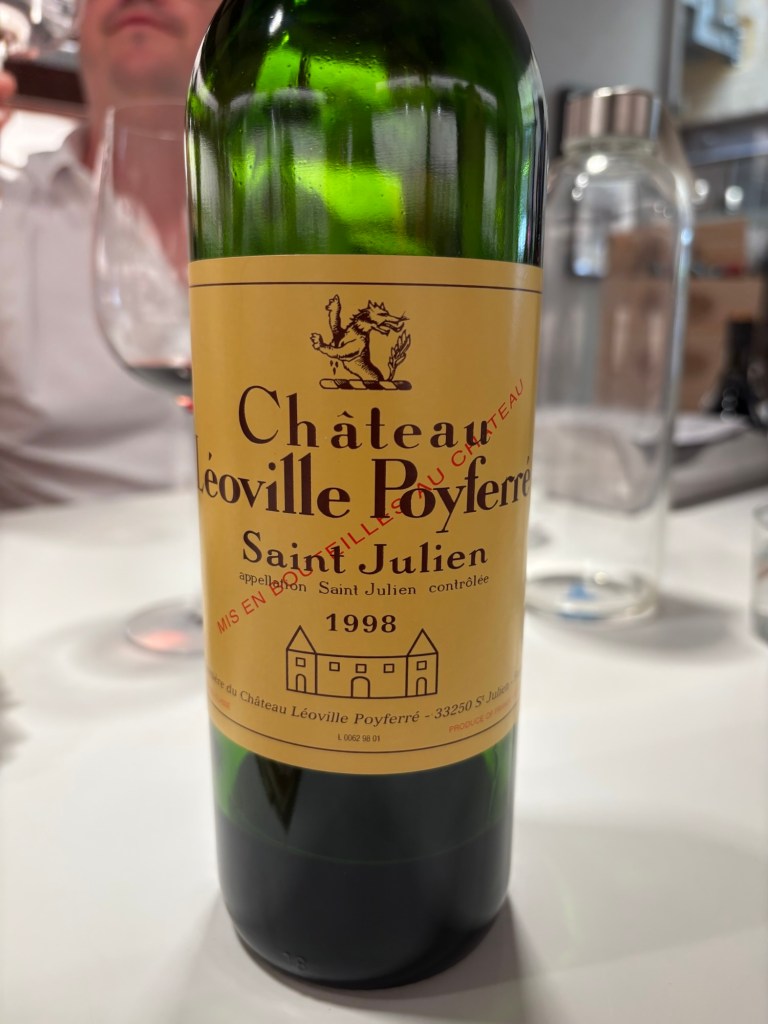
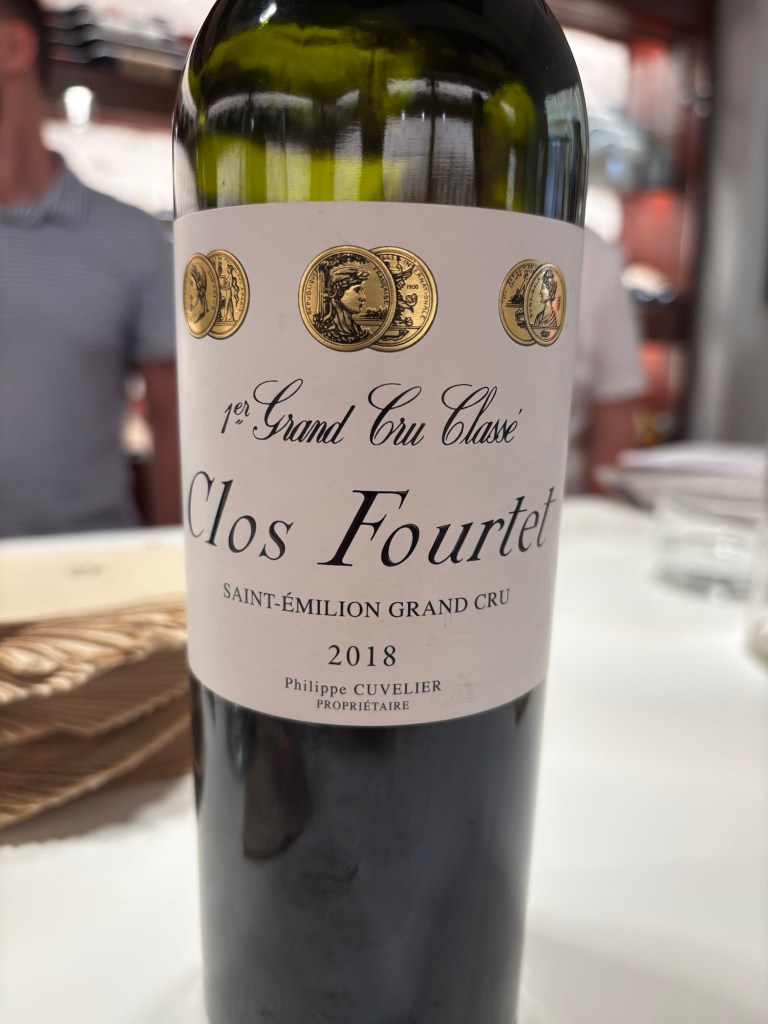
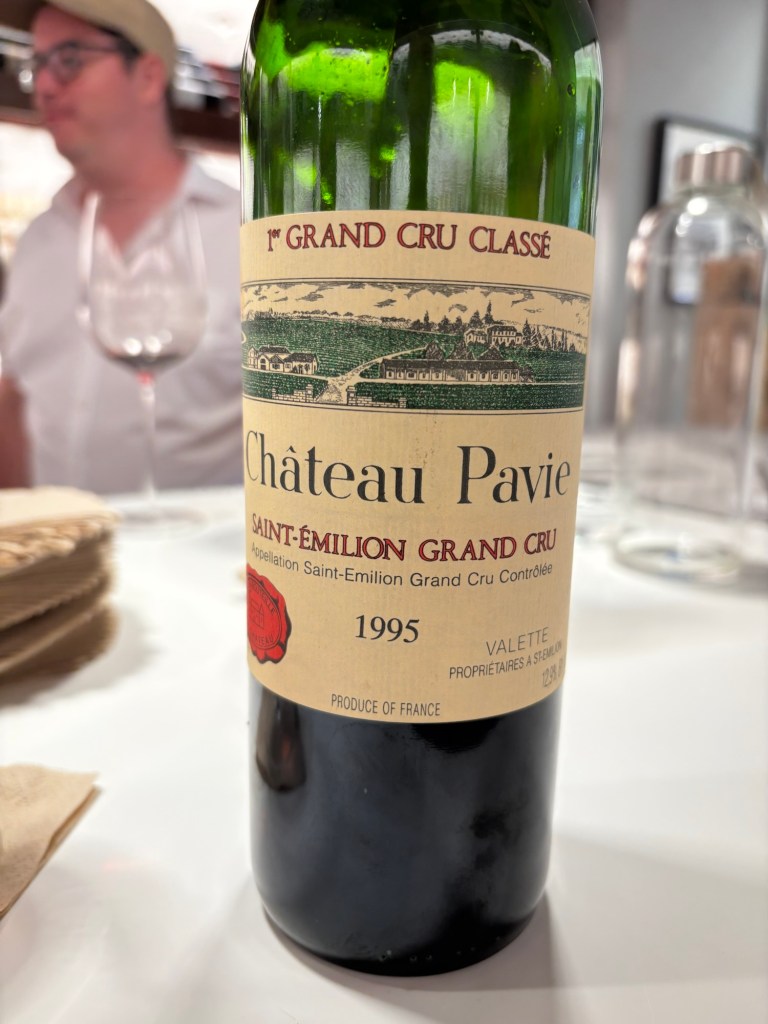
Off again into the breech for more tasting at a wine distributor in the town. Our young host took great pride in giving us a real cross section of wines that teased our olfactory and taste senses to the max.
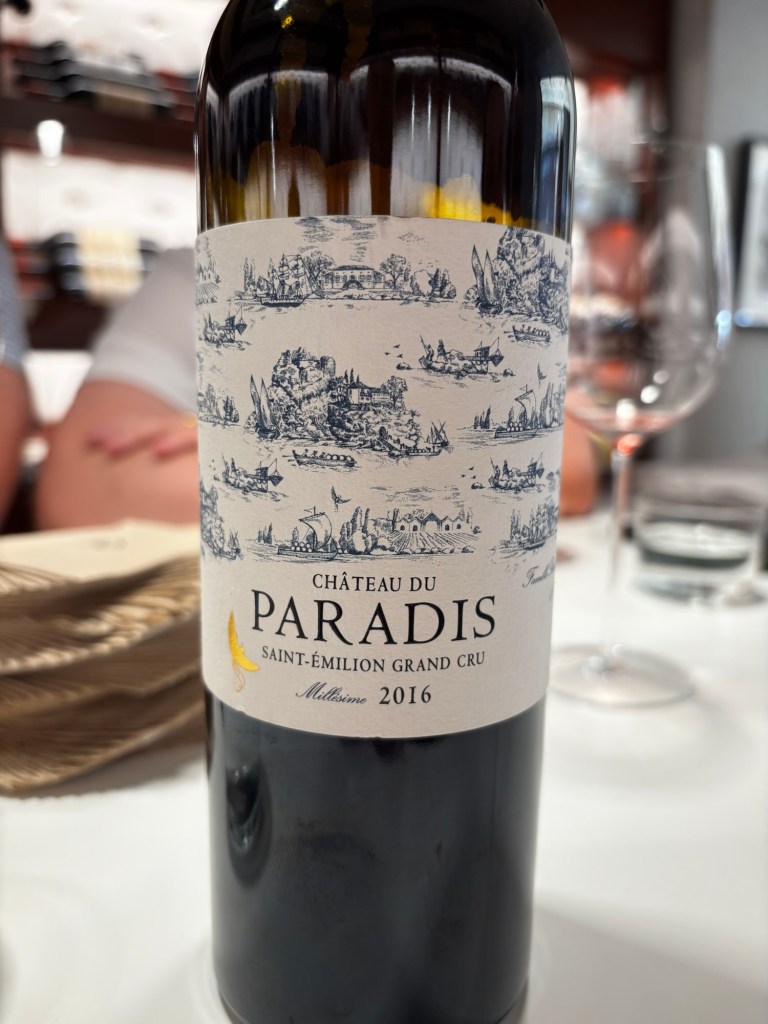
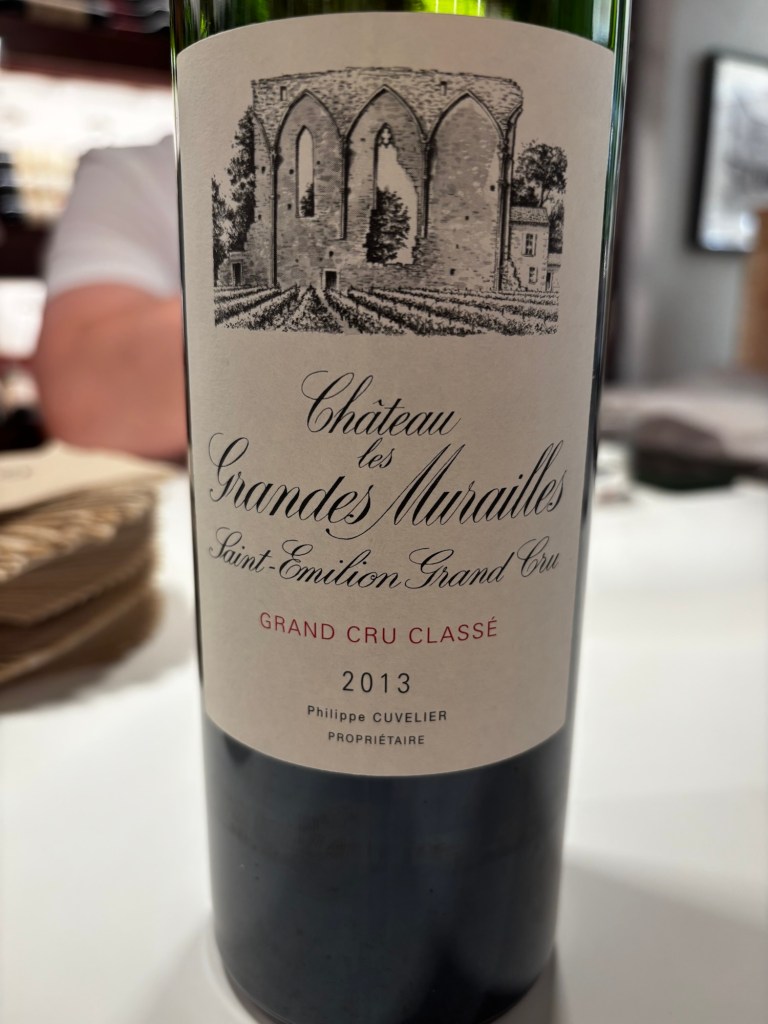
We so enjoyed the wine an 18 bottle case of different vintages split equally amongst the three couples will be winging its way to North America.

Somehow we managed to wobble our way back to the van at the end of the afternoon and headed back to the barge where a rest period helped.
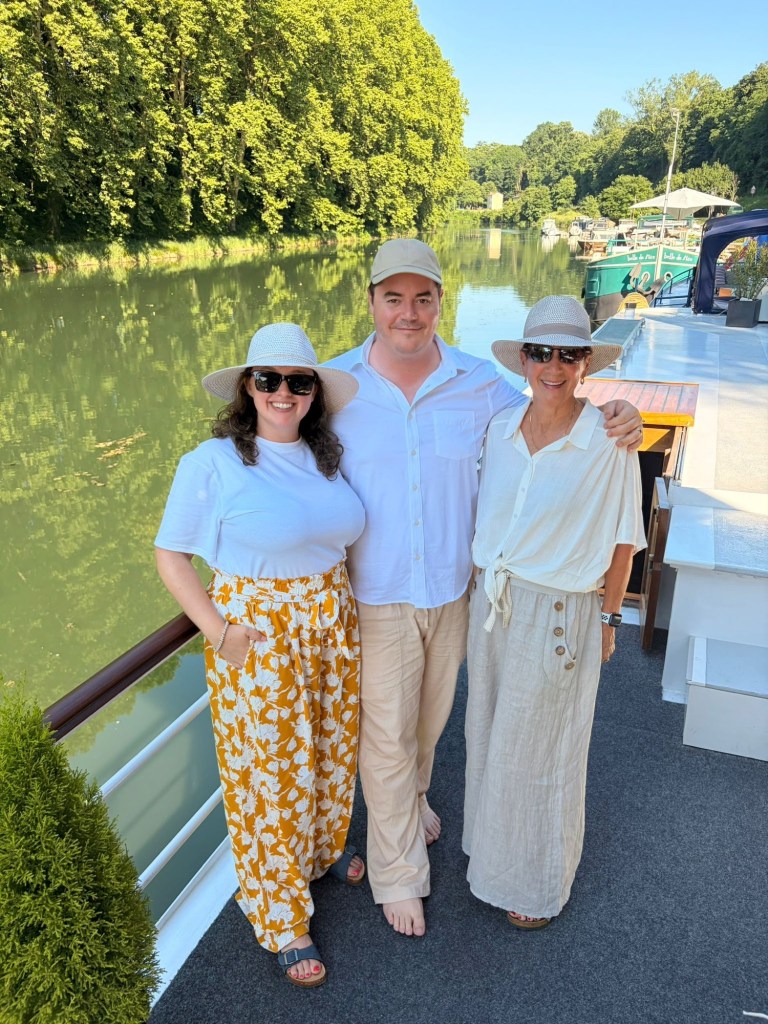
Then of course, we were treated to another Michelin star worthy dinner. The photos on the website (saintlouisbarge.com) under the culinary heading do reflect the creativity we’re enjoying.

Tomorrow we will cruise along the canal for four hours before doing another overland trip into the afternoon, this time to the Sauterne region.
Bordeaux to “The Barge”

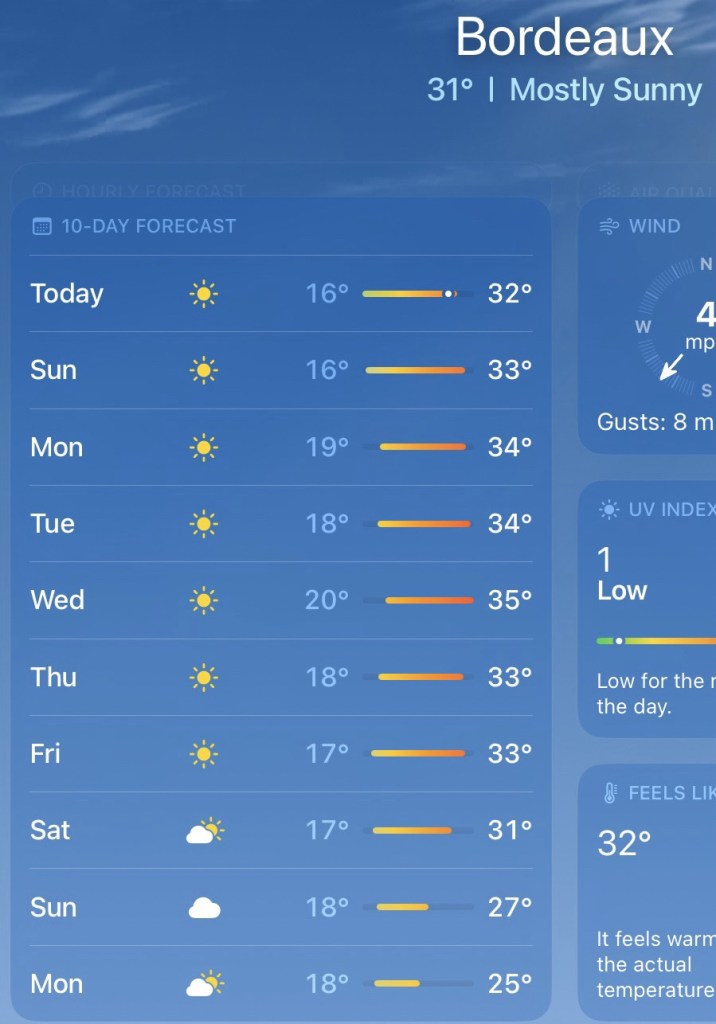
The city of Bordeaux is experiencing a heat wave.

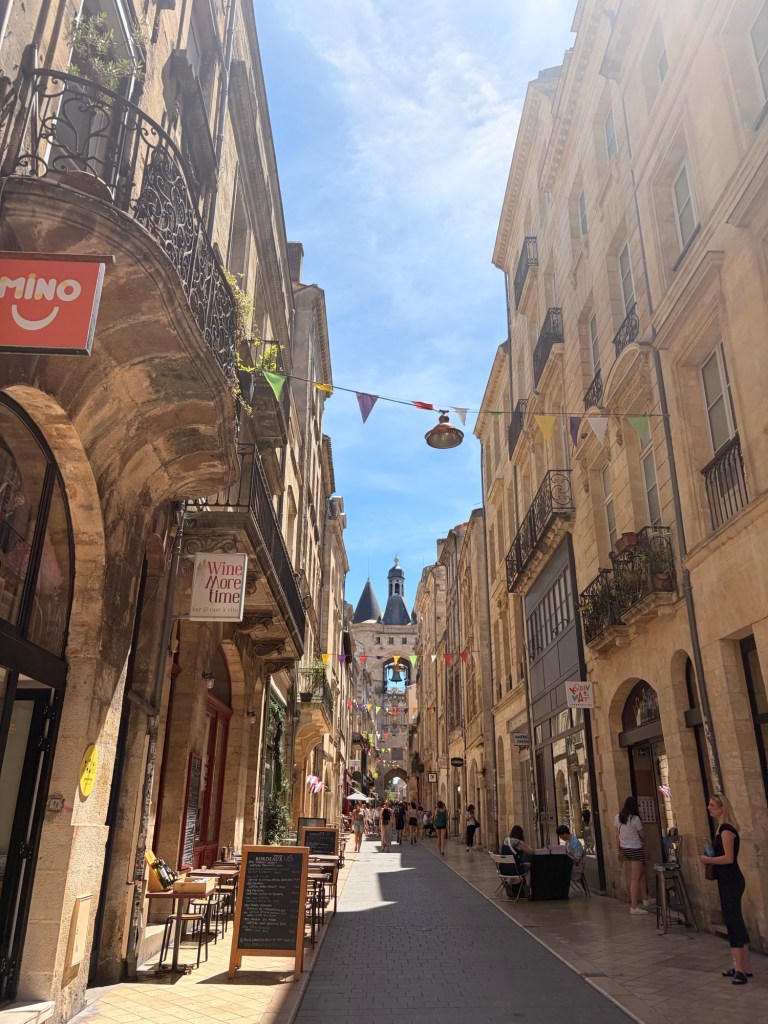
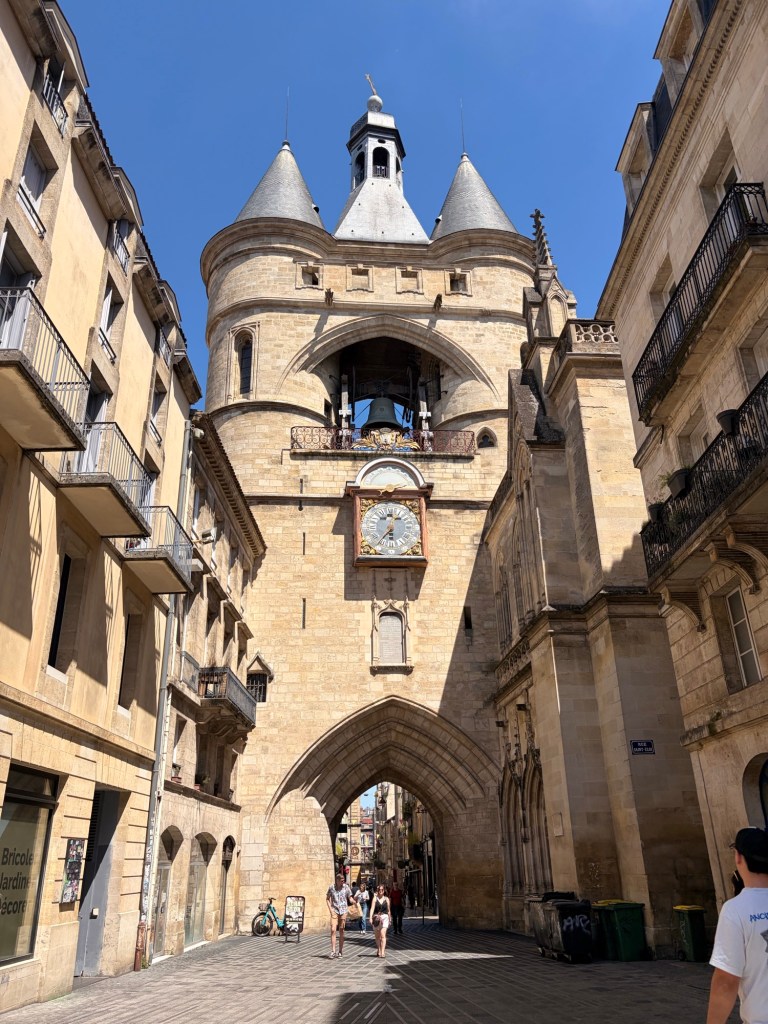
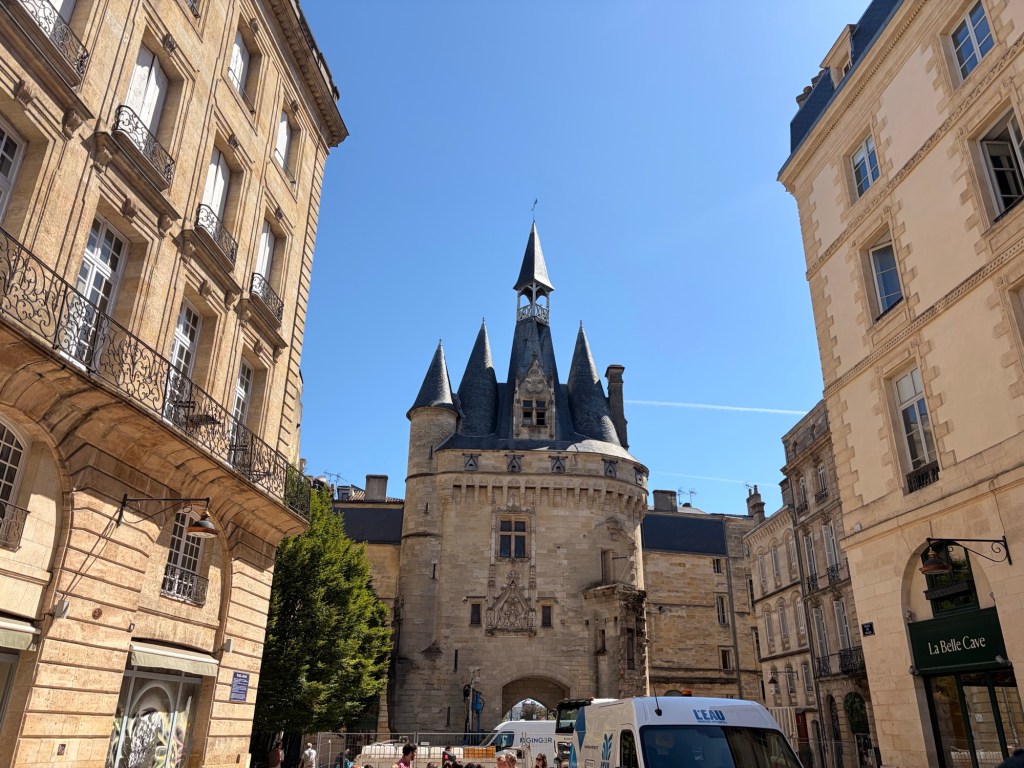
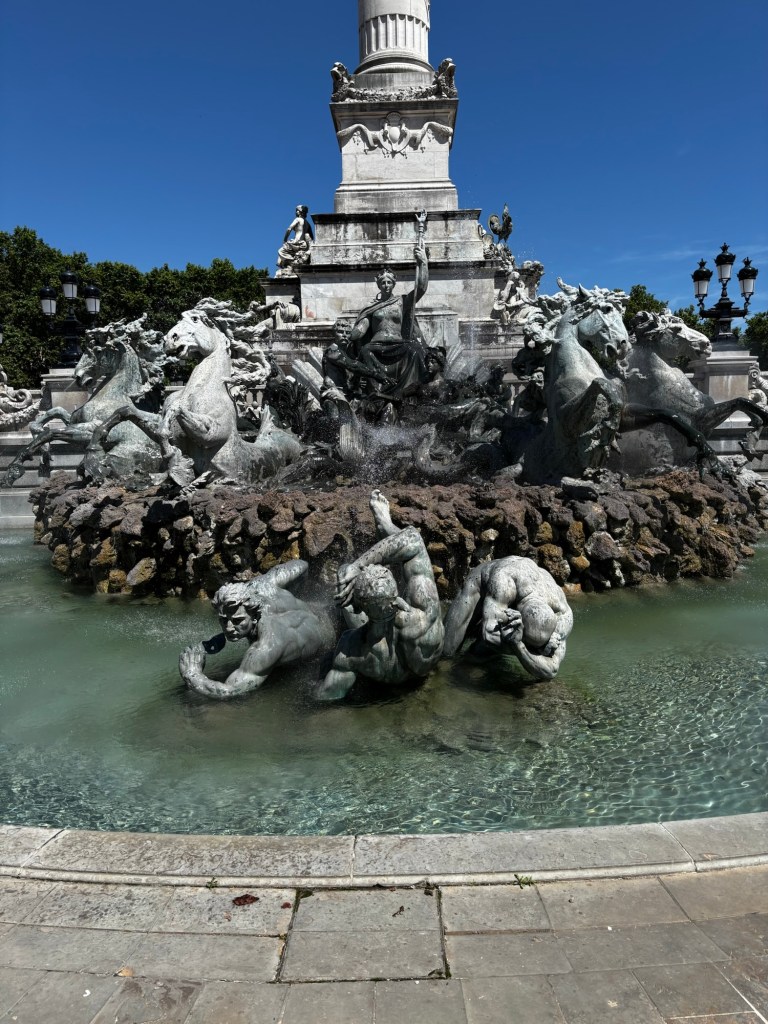
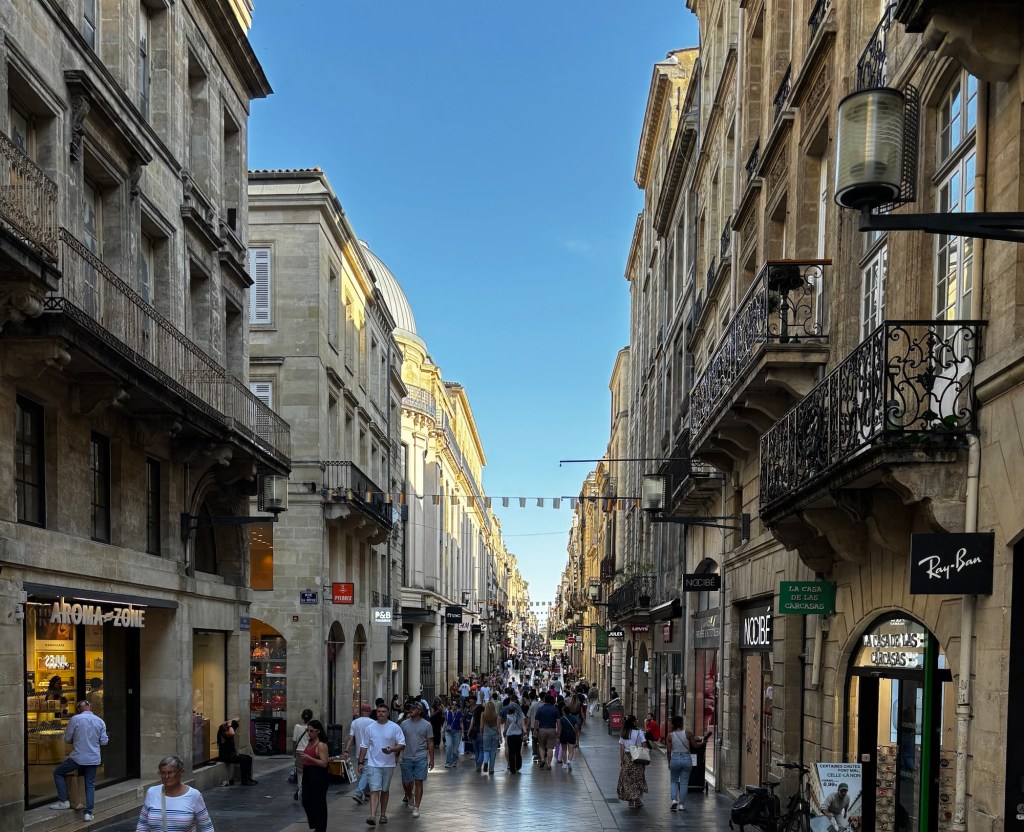
We are the beneficiaries. Under the direction of a young tour guide from Germany by way of university in Bordeaux with a year in New York city to learn English we walked for two hours learning the history of the city while seeing many major landmarks.

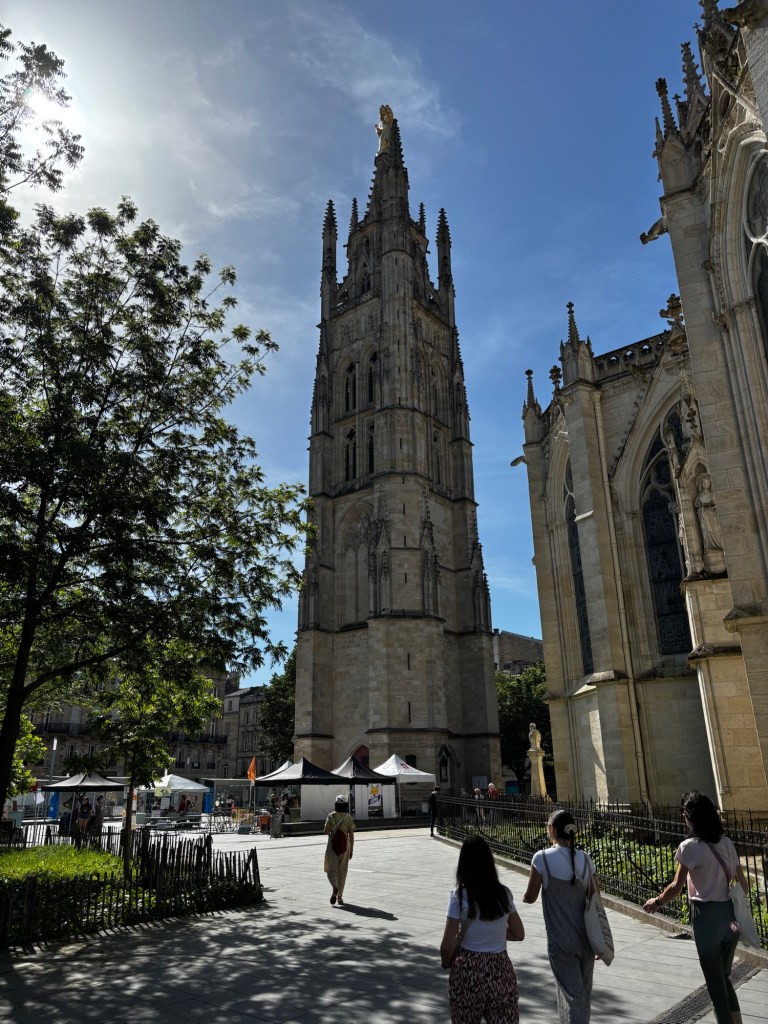
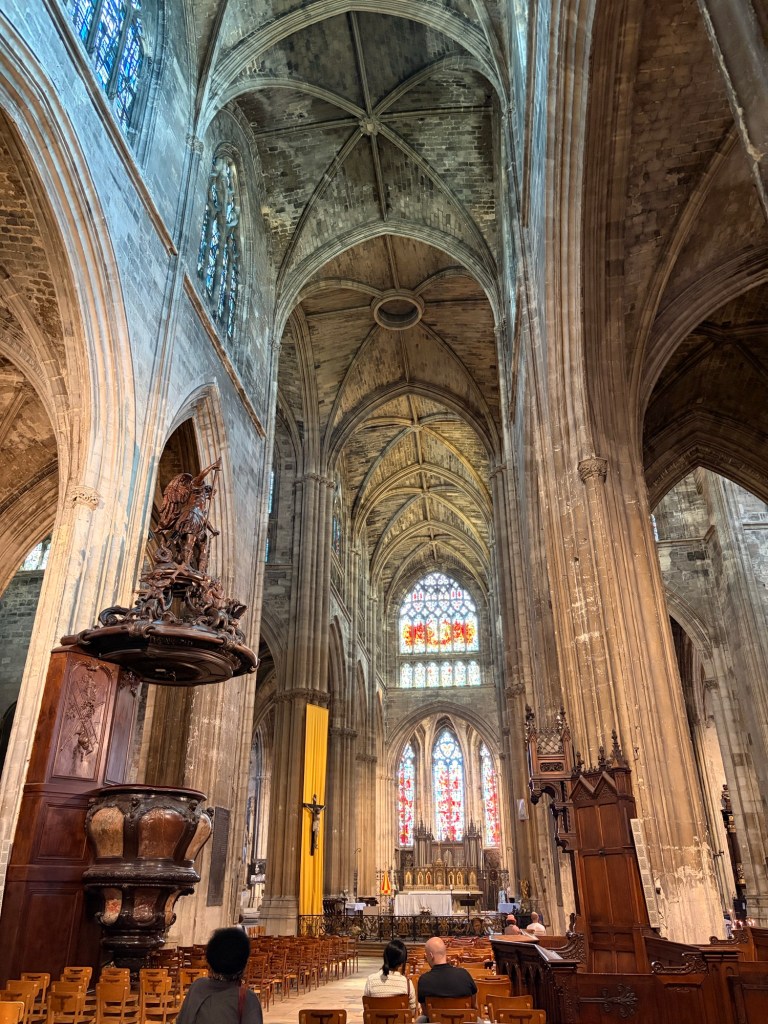
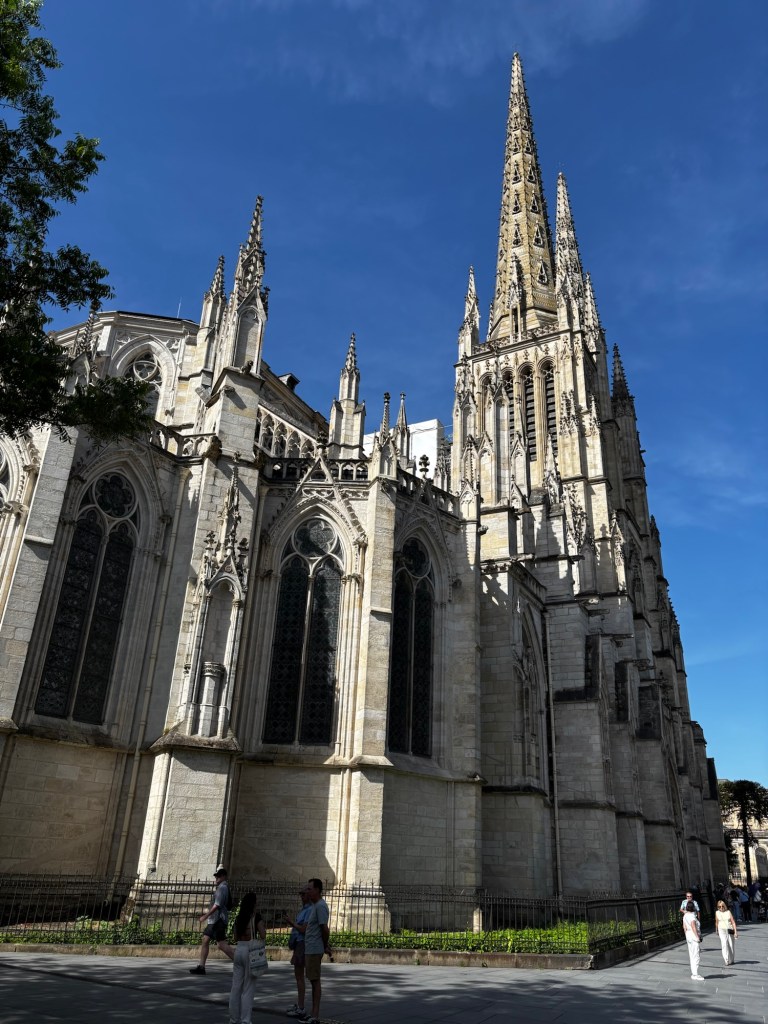
The main cathedral
The adjacent tower built to accommodate the cathedral’s bells

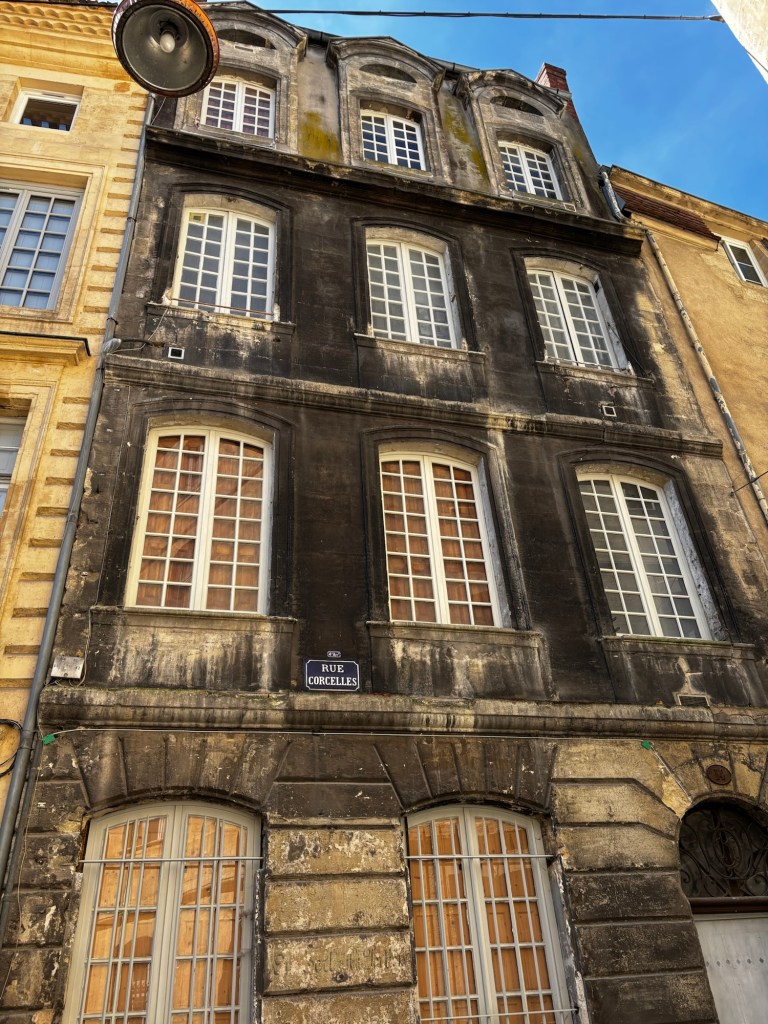
The city has undergone a dramatic change in the past thirty years. The civic government took bold steps to have landlords clean the exterior of buildings which produced a dramatic improvement.

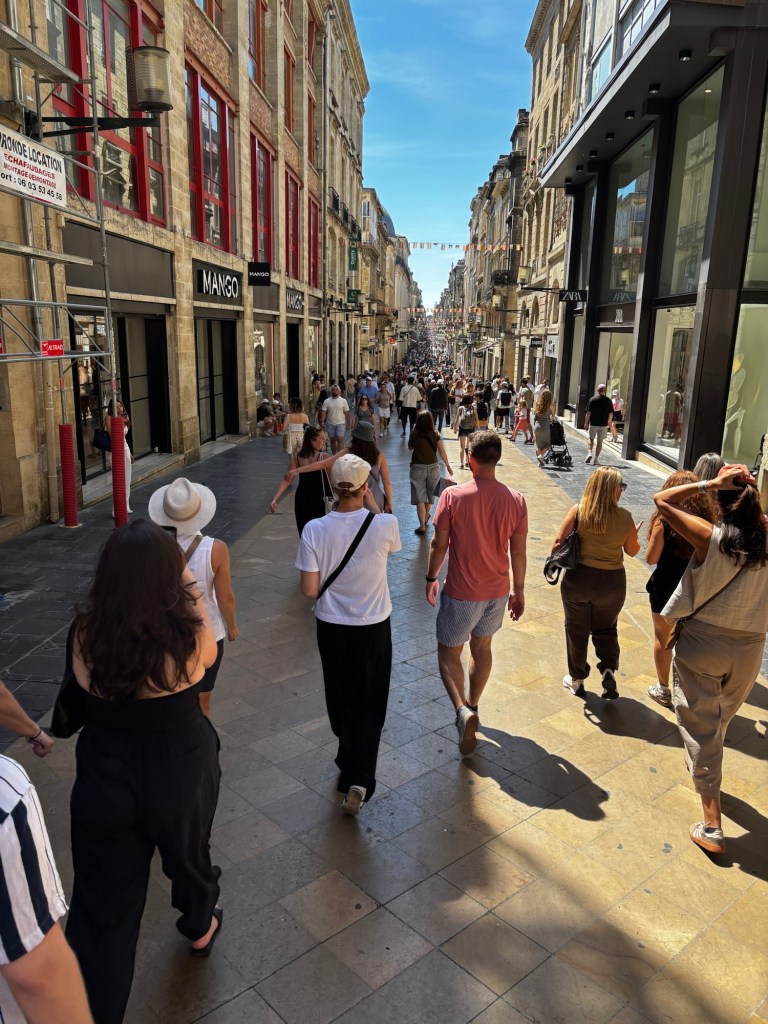
The next step was to create a pedestrian only section of the city to encourage tourist related services.

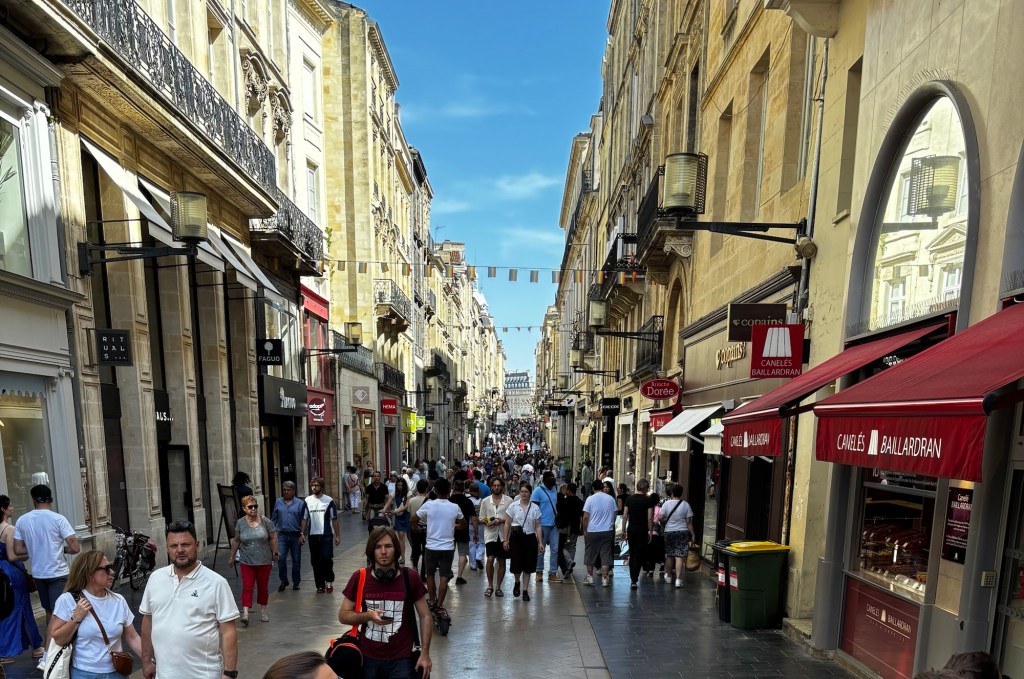
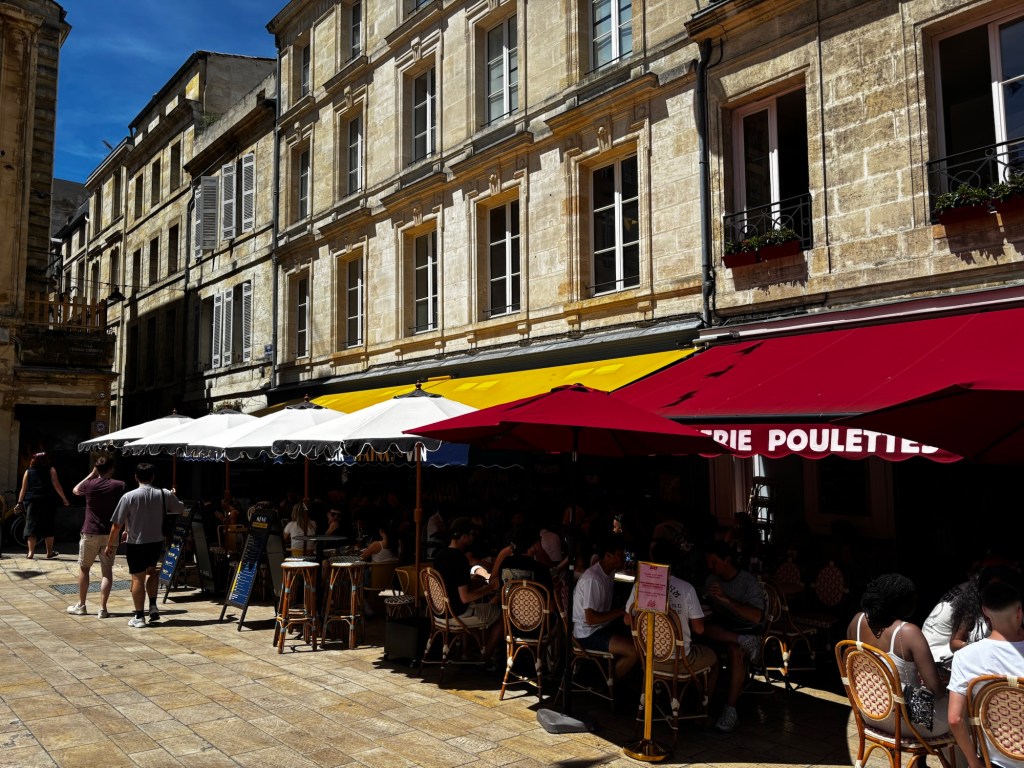
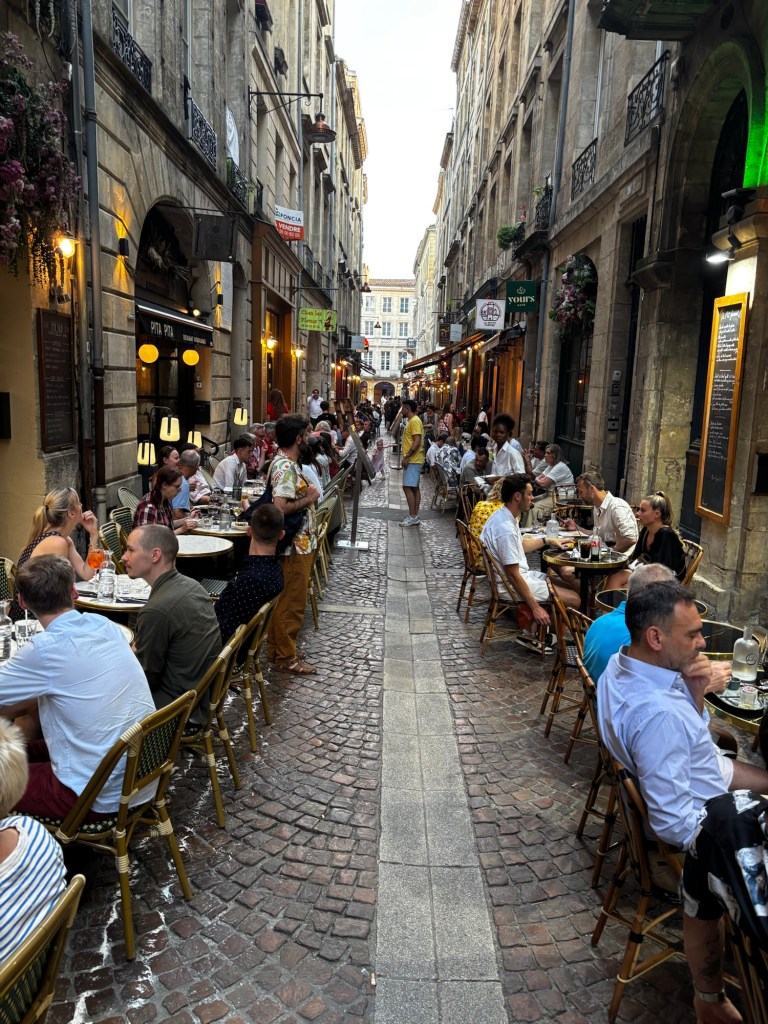
It worked beyond expectations. Now the city centre is full of tourists, restaurants and retailers. It was hopping early on a Saturday morning!

The history of the city is interesting and based in large part as a hub of the slave trade in centuries past.

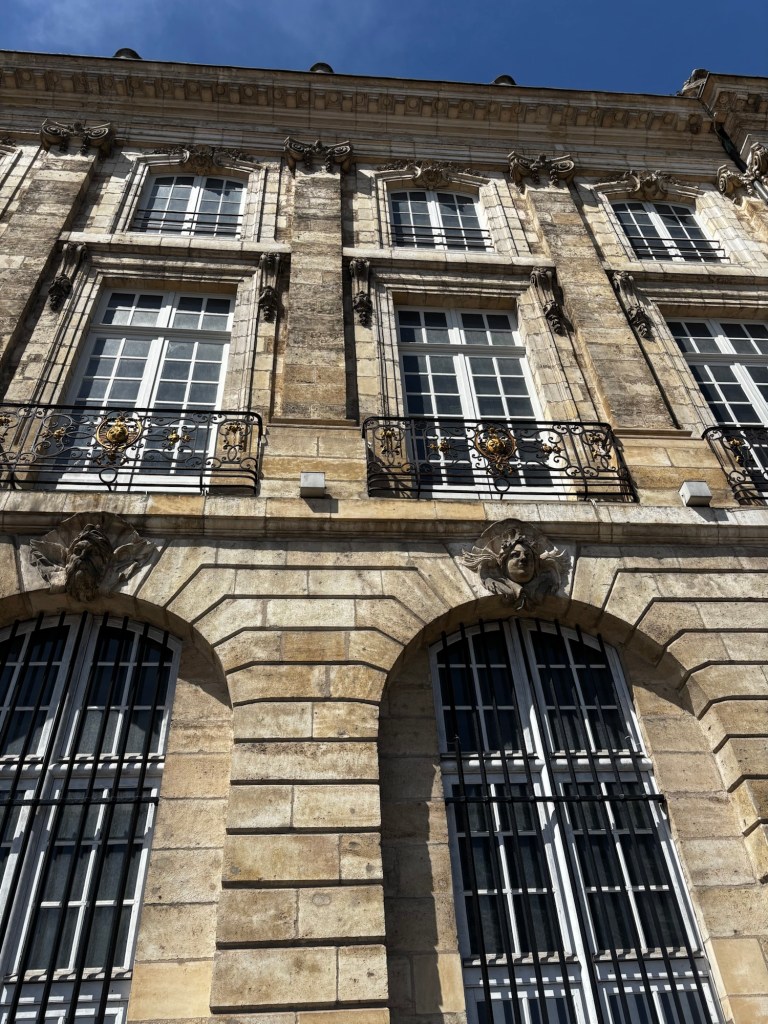
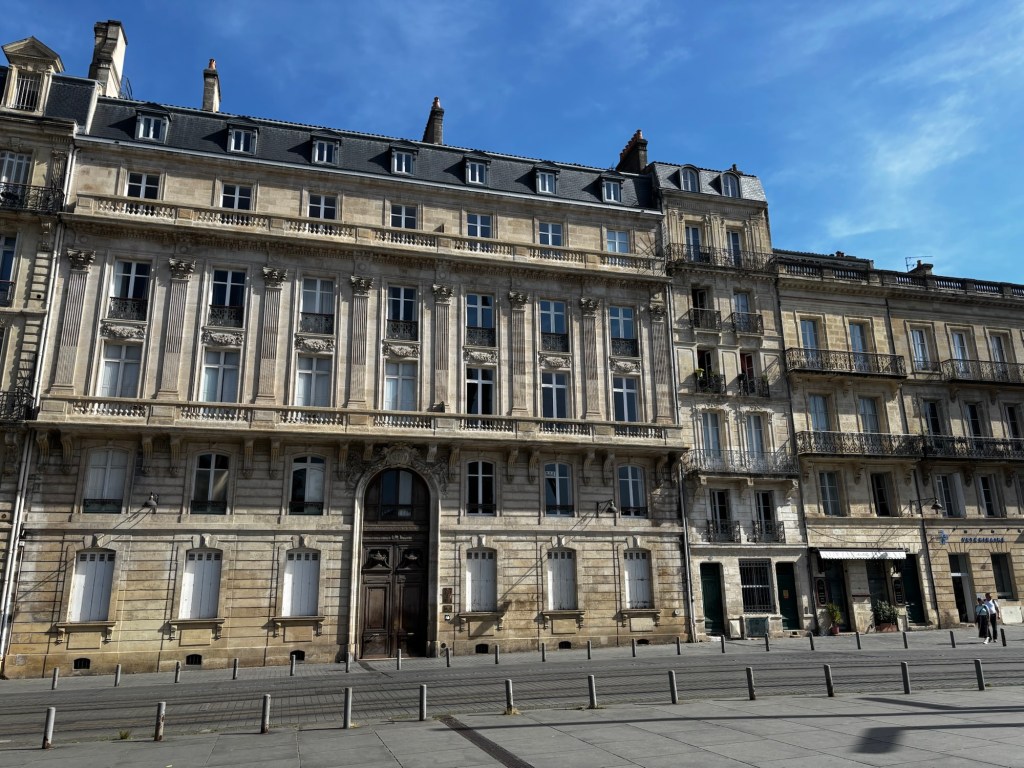
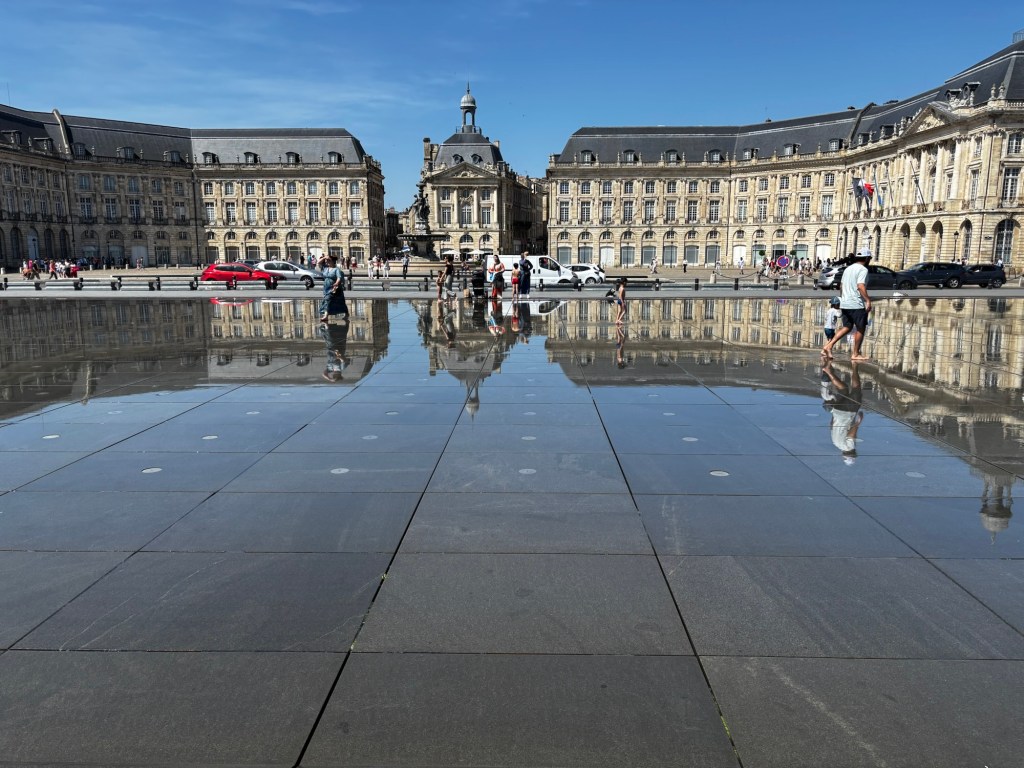
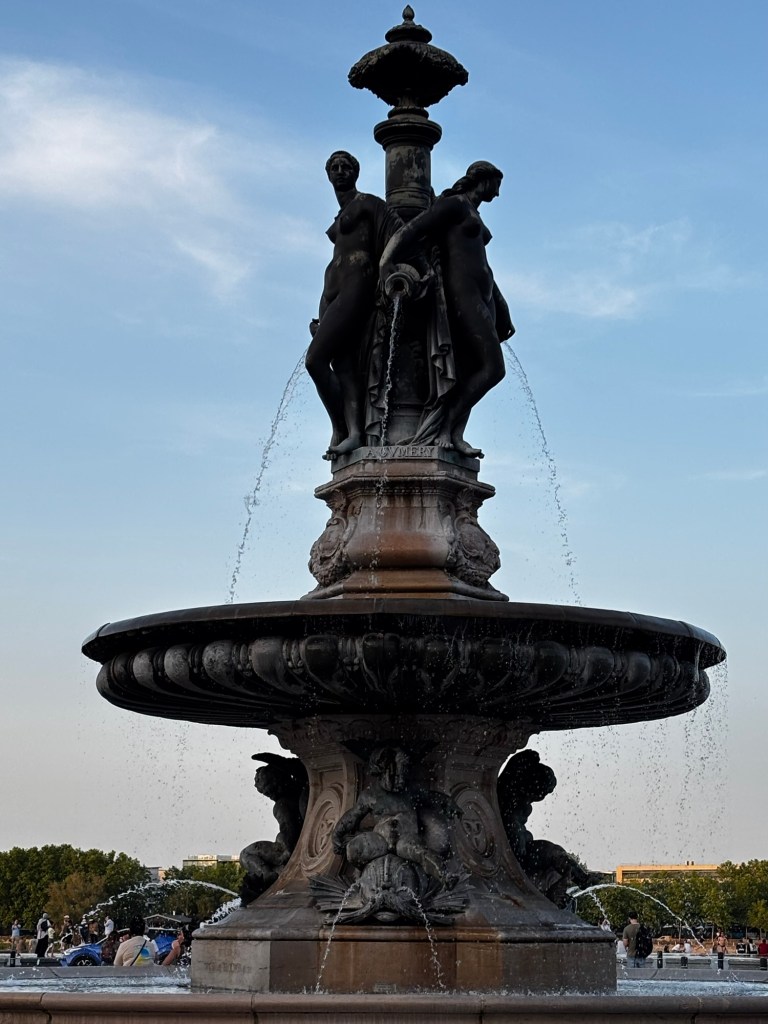
Neo classic architecture abounds.

Centuries old buildings and monuments abound.

One final meal on the square.

The second part of our adventure began with a 45 minute ride south east to the start of the locks on the Garonne River.

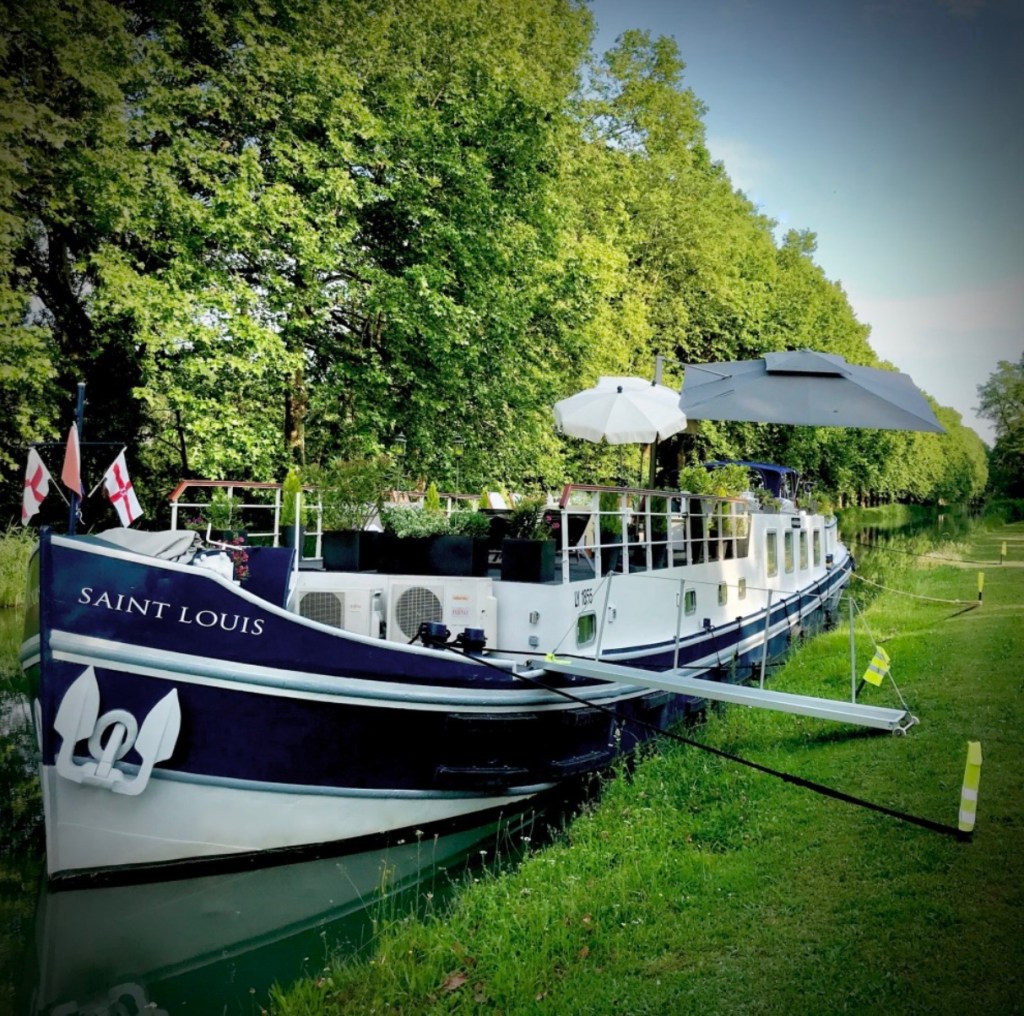
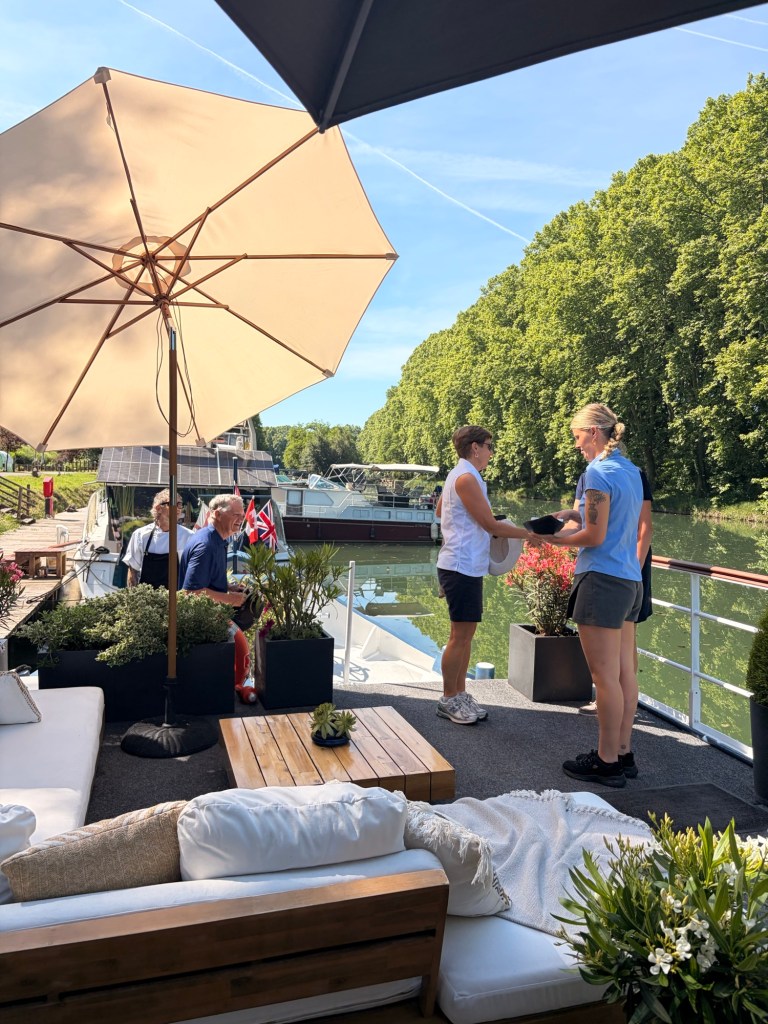
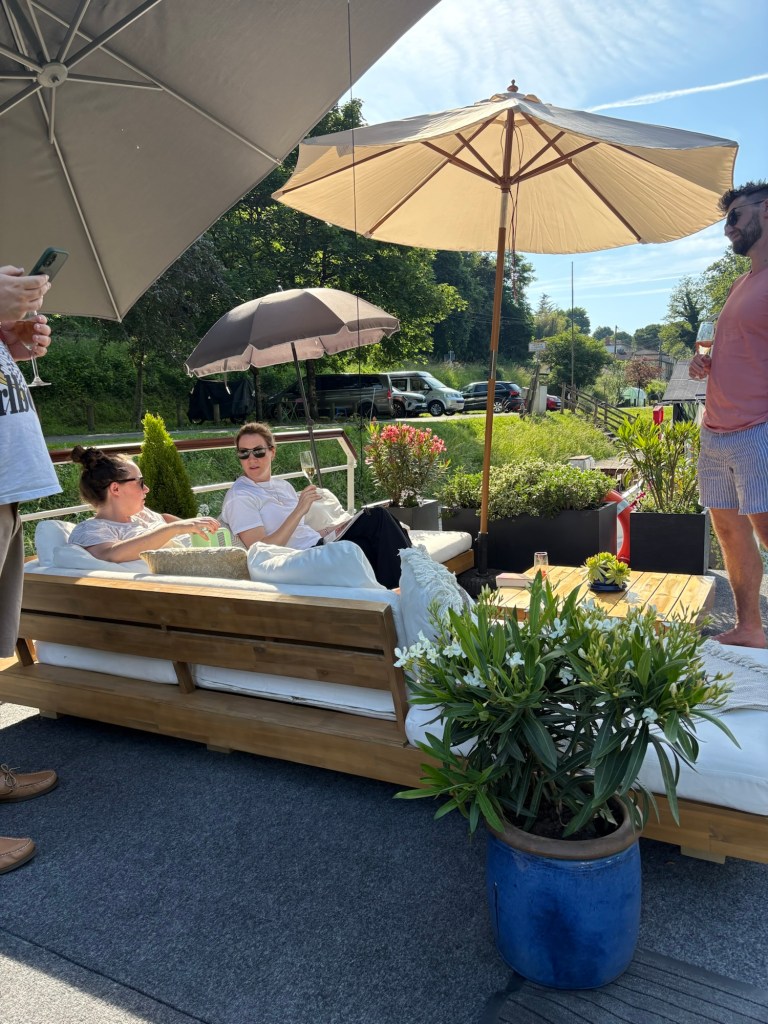
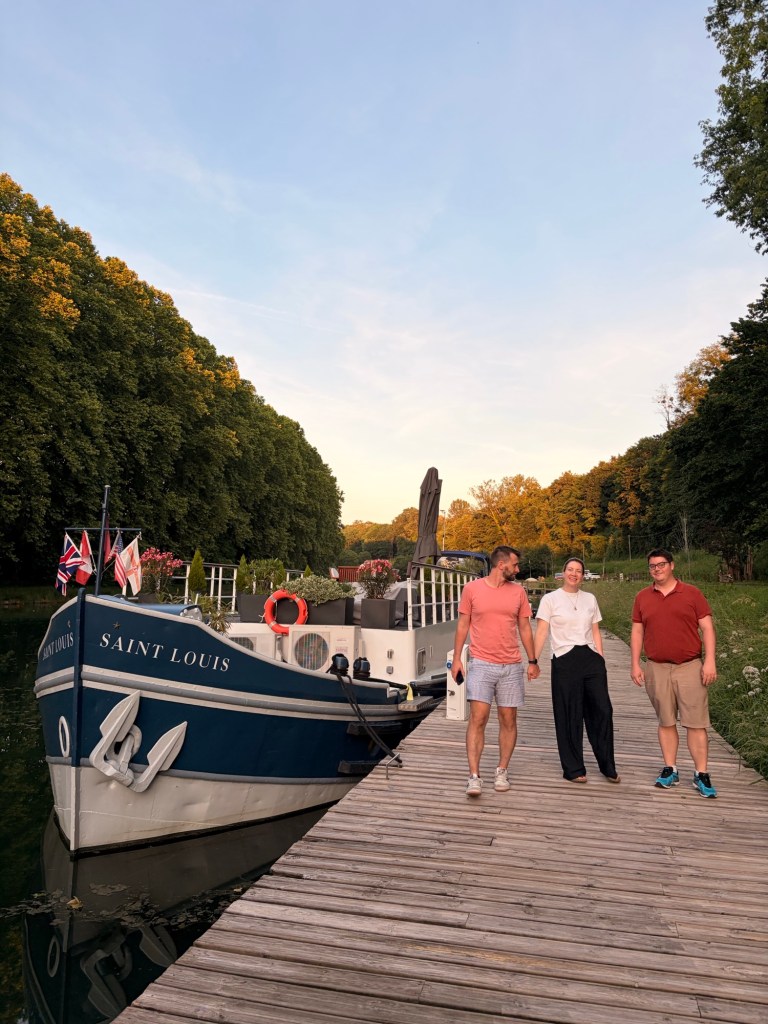
The Saint Louis Barge is a luxurious hotel on the water. It accommodates up to six people in three bedrooms so we are the guest list (you must charter the entire vessel). A crew of four (pilot, hostess, chef and sommelier) are here to address any and all requests.

We will be onboard for the next week travelling along the canal as well as overland side trips to various wineries and local sites.

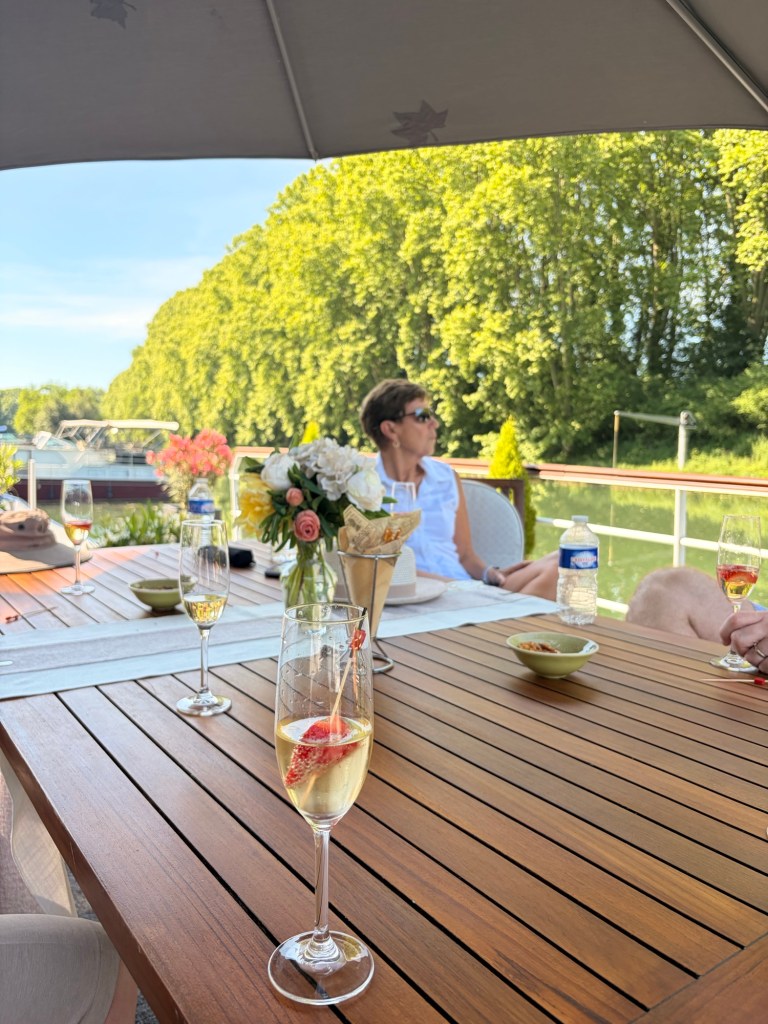
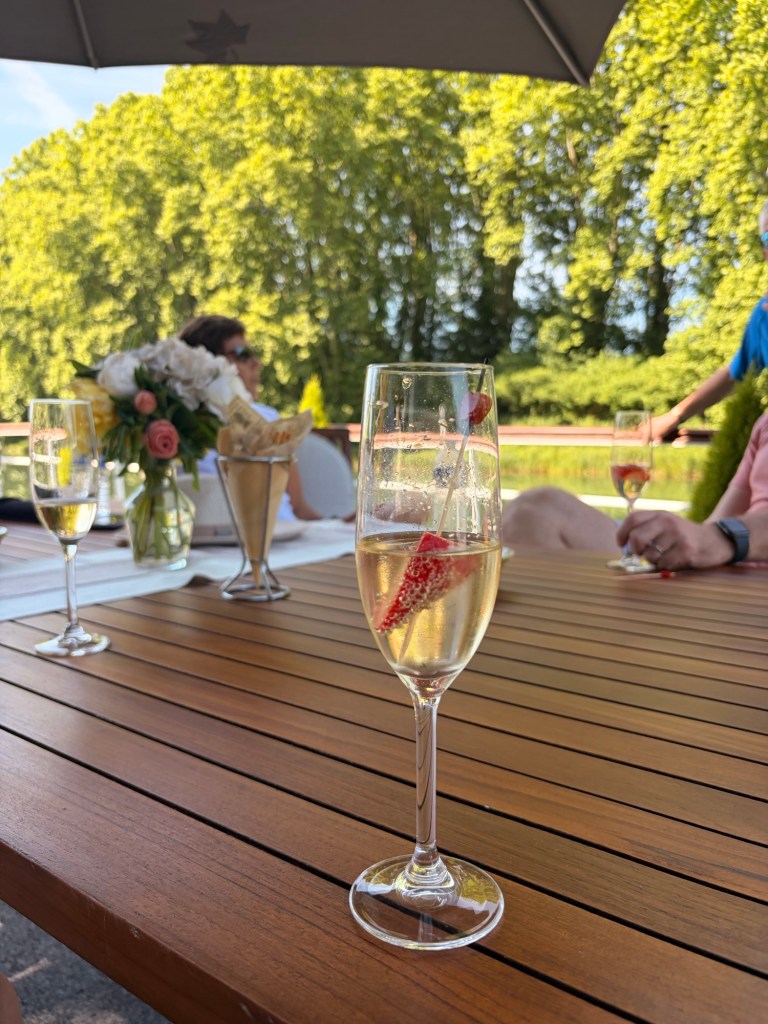
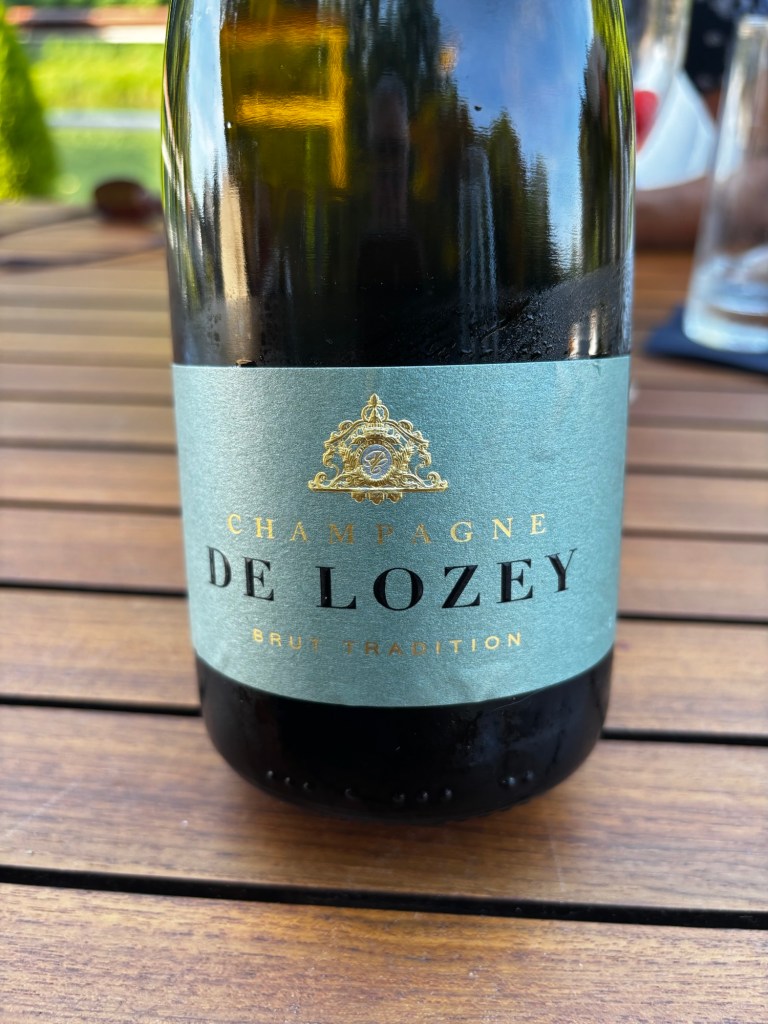
It’s going to be a tough week. After a champagne welcome (3 bottles) we were treated to an extraordinary four course gourmet dinner.

All in all a fabulous introduction to this phase of the holiday. Tomorrow we will travel overland to Saint-Emilion for a full day of visiting wineries and enjoying different tastings of their celebrated vintages. Thank goodness we are being chauffeured!

Normandy To Bordeaux

(To see each picture in full, tap the photo if reading on a mobile device).

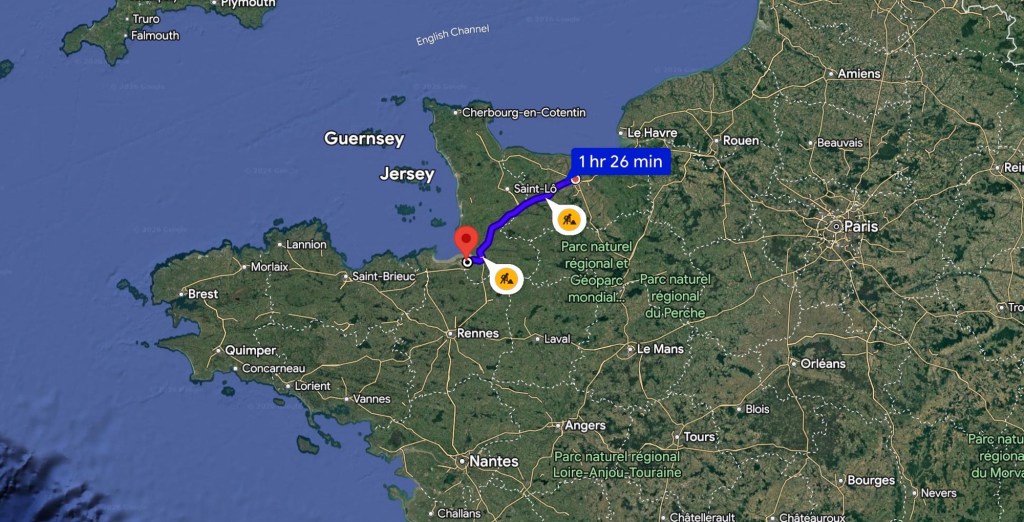
An early start as there were lots of highway miles to come. First stop: Mont Saint-Michel, 125 kms to the south west of Caen

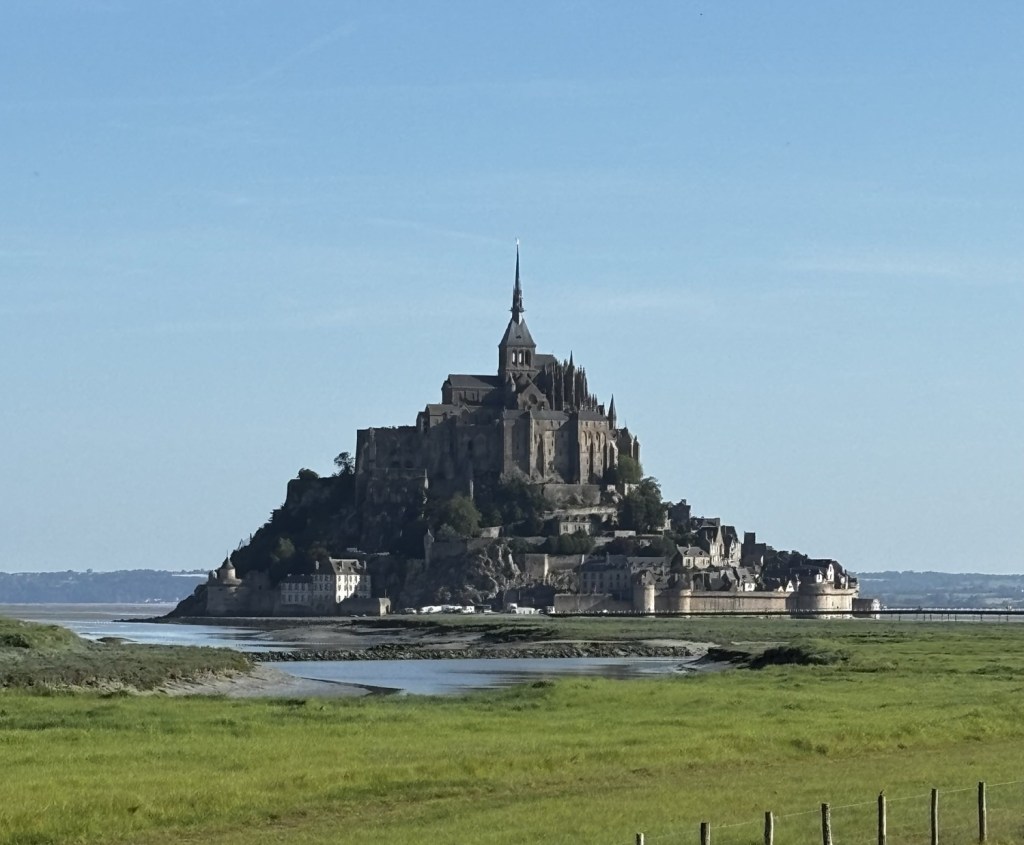
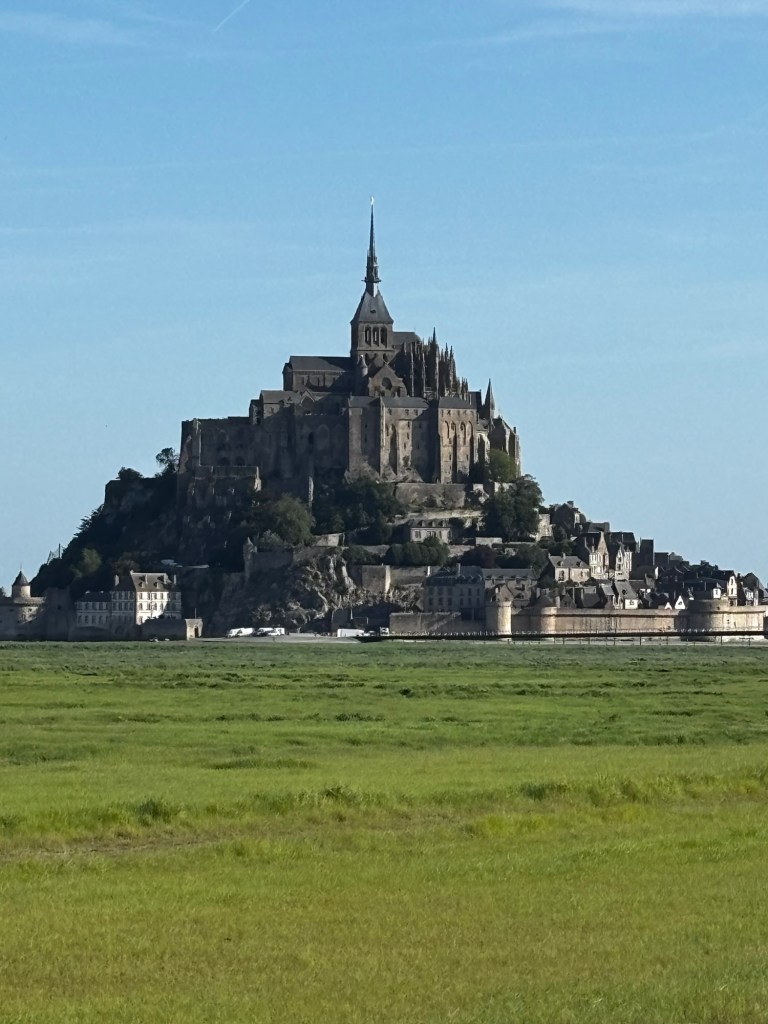
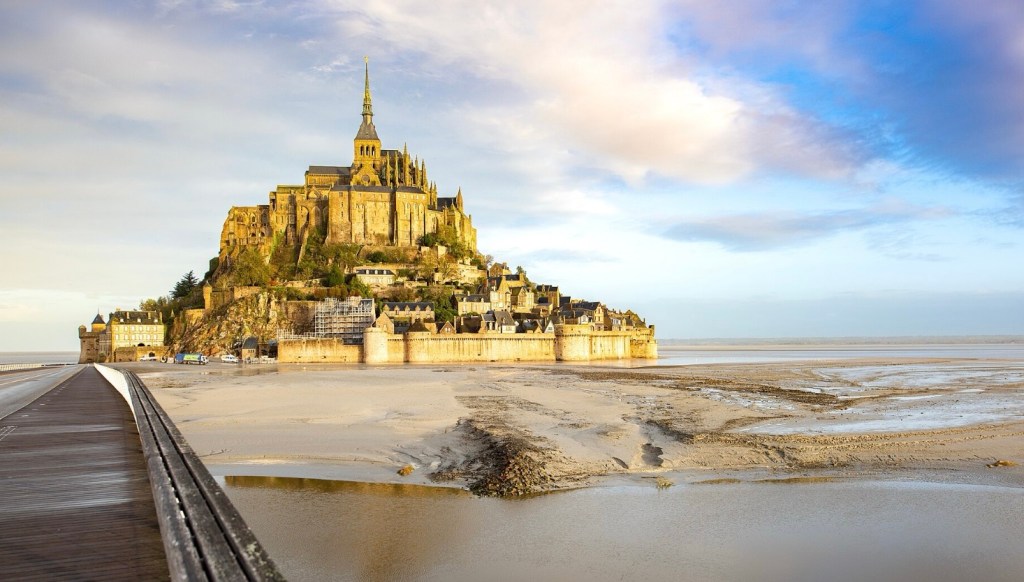
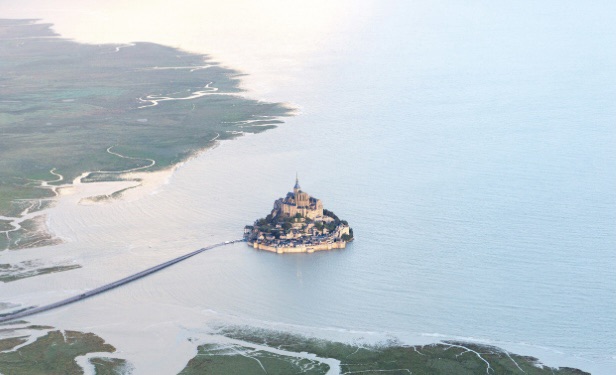
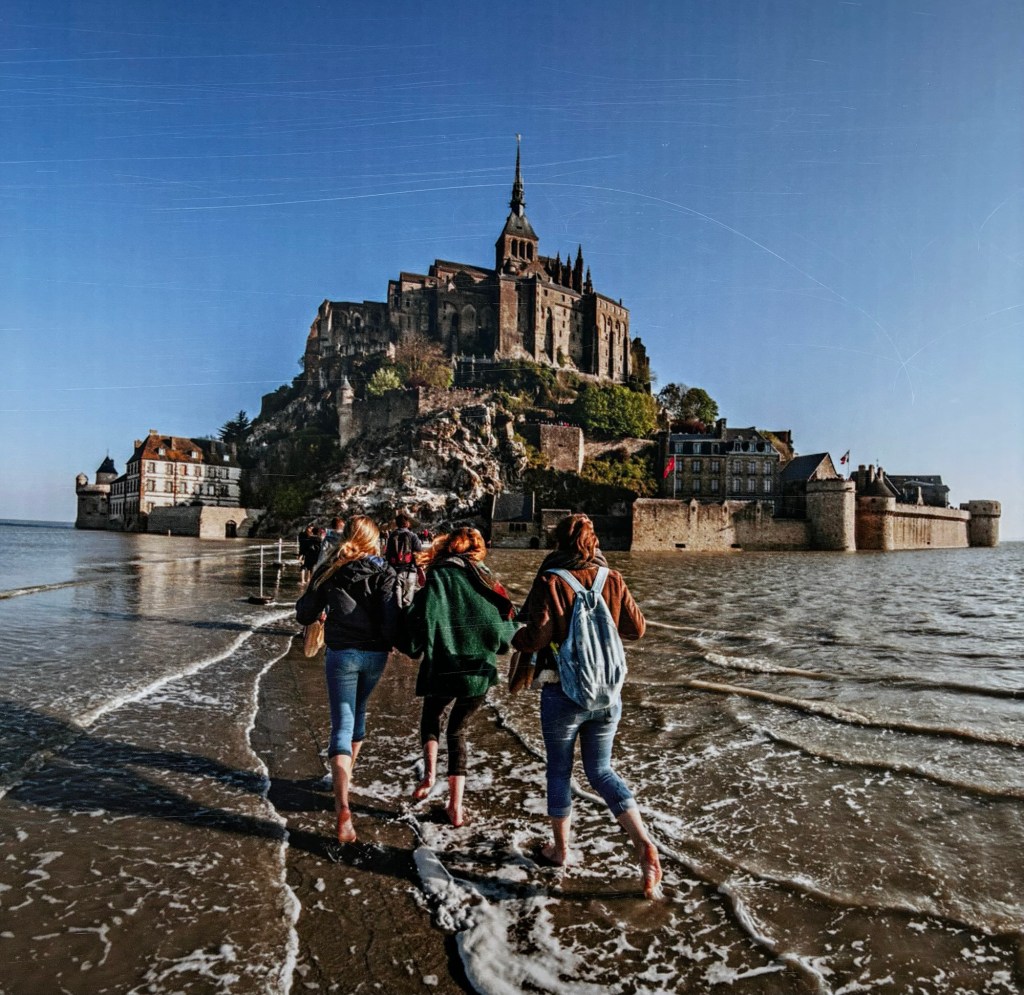
The Abbey at Mont Saint-Michel is World Heritage site and iconic landmark in this corner of Normandy. It sits on a 17 acre island, one kilometer offshore at the mouth of the Coueson River. The tides, which formed the basis of its defenses for centuries, vary greatly, at roughly 14 metres (46 ft) between highest and lowest water marks.

This is the second most popular tourist attraction in France after the landmark structures in Paris. Over 3 million people make the trek annually.

Construction began in the early 8th century and much of the original stonework remains in place. It is an architectural masterpiece.

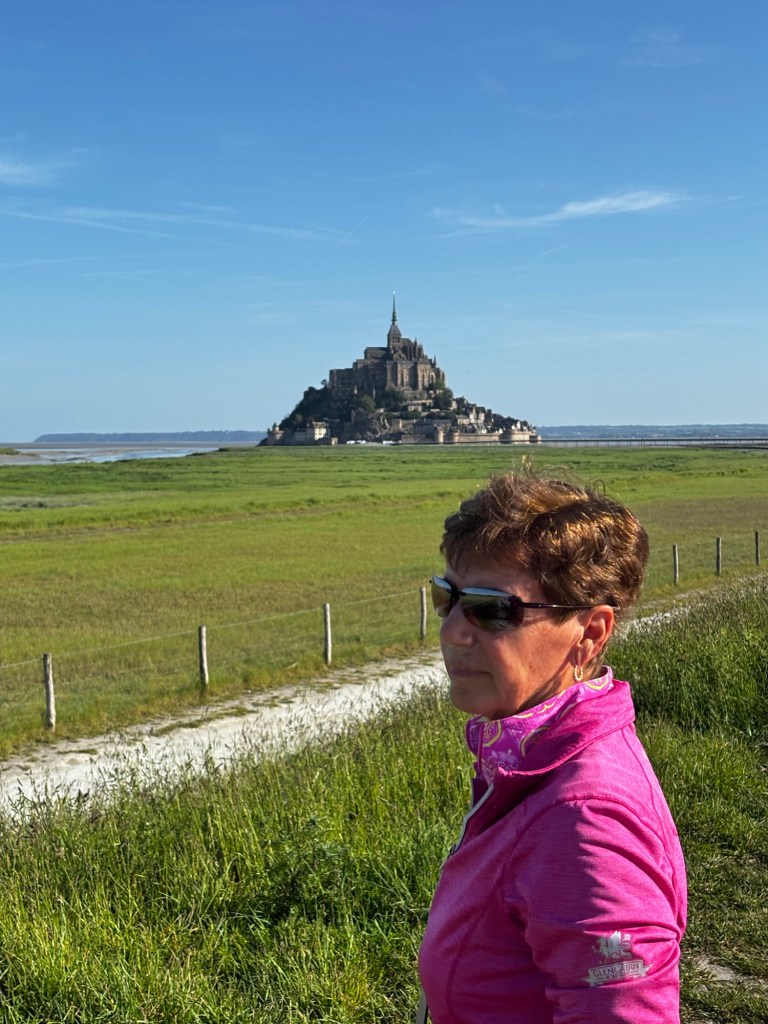
We walked part way to the start of the estuary (the full hike takes about 40 minutes) and realized a proper visit would take much of the day, time, sadly, we didn’t have available. The angle we reached doesn’t show the true picture so the following photos were “adopted”.

A causeway rebuilt and opened in 2014 now accommodates special buses (the car parks are a mile inland) doing away with the old fashioned method of “getting across”.

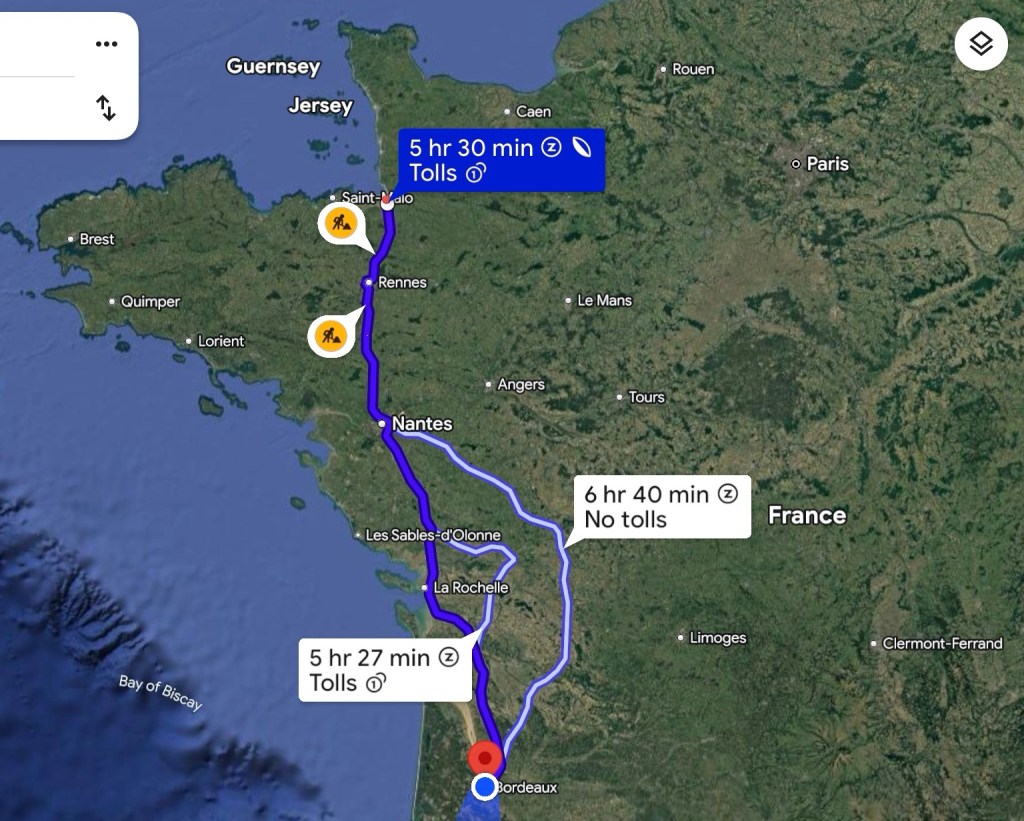
We headed south to our final destination of the day, Bordeaux. I would like to describe the countryside but whether by design or simply Mother Nature, huge stretches of the highway were hemmed in by trees and hedgerows. At times it was like driving in a green tunnel.

Bordeaux is where Matt, Kirsten, Allie and Sean will join us for a week of cruising the canals adjacent to the Garonne River. More on that later.

The city is incredibly vibrant, at least as the evening approaches on a Friday night. The central zone, which is massive, is pedestrian only and packed with restaurants, bars and people.

We had a great family dinner in (on?) a sidewalk restaurant with each couple recounting the days they had spent in France thus far.

A walk down to the river capped off the evening. Even there the crowds were significant, all enjoying the unseasonably hot weather (30C).

Tomorrow a walking tour of the city before meeting the barge crew mid afternoon.

Normandy – 1944 Revisited

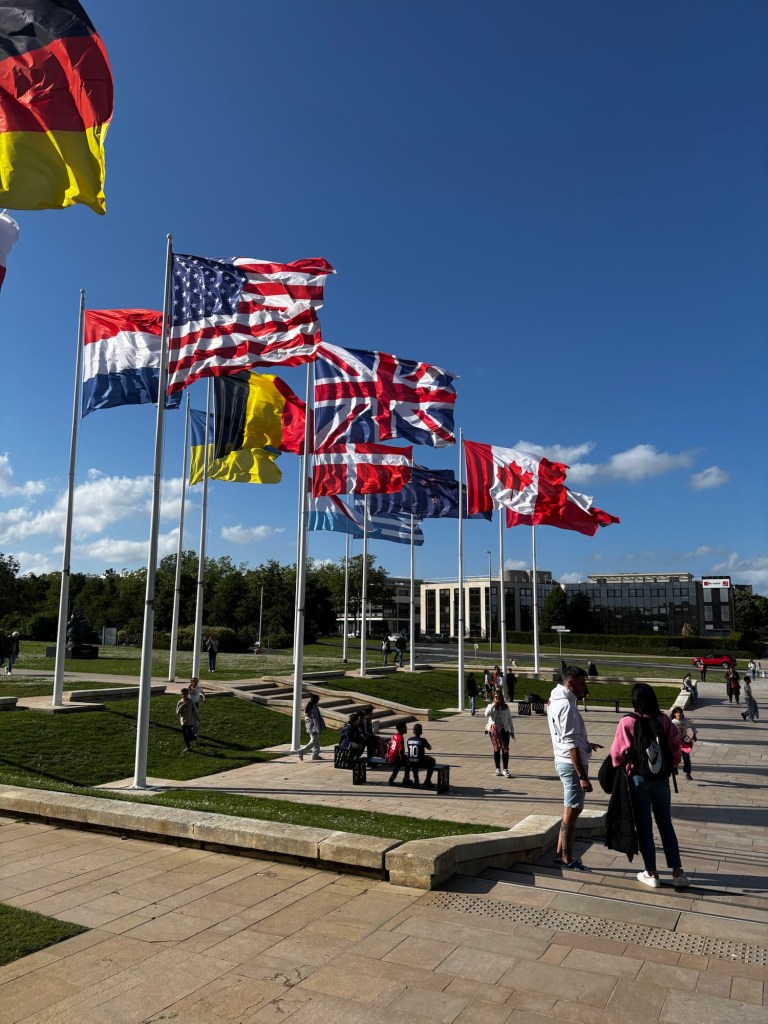
The coast of Normandy has a place in history that hopefully will never be repeated. It provides an awe inspiring memorial for those whose allegiance was to the victorious allied forces that came ashore on June 6, 1944 – D Day.

The numbers are simply staggering. Between the Canadian, British and American forces, approximately 139,000 soldiers landed on one of five beaches. On day one of the invasion nearly 5,000 allied lives were lost while thousands more were wounded.

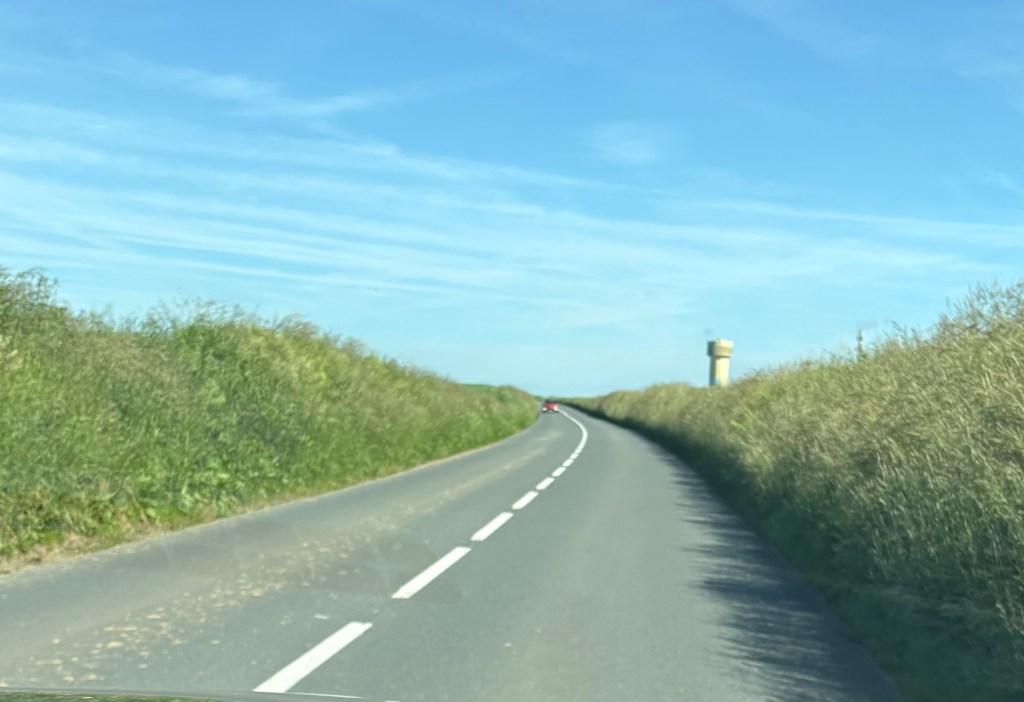
Our first stop was the Canadian Military Cemetery located in a small woodlot named Beny-sur-Mer which is near Juno Beach which, in turn, is in the community of Courseulles-sur-Mer. But first we had to navigate narrow, hedge lined country lanes with the inevitable stone wall shoulders to get there. Shades of driving in Ireland!

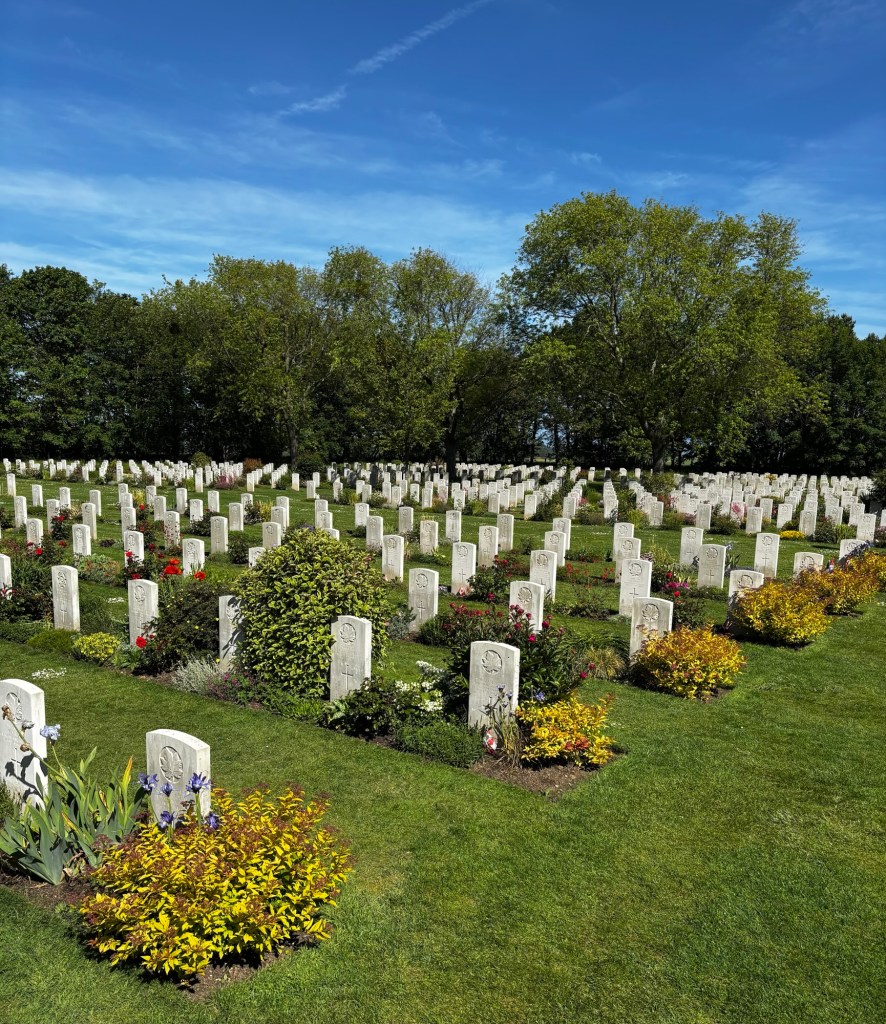
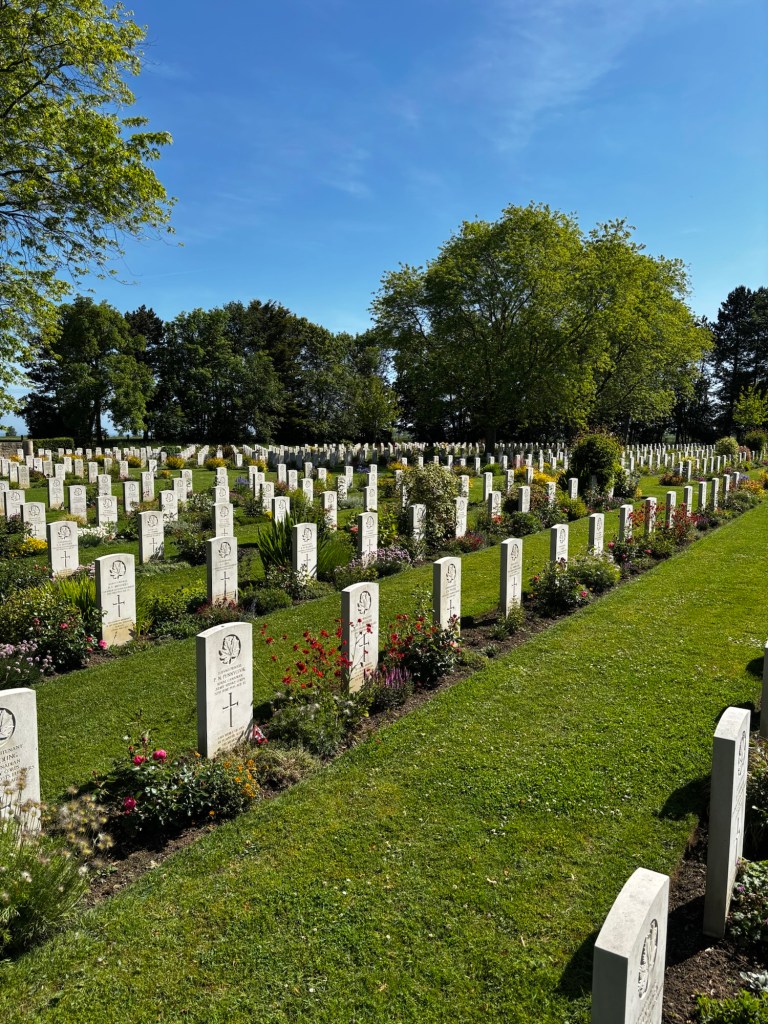
The Canadian cemetery was immaculately maintained with beautiful flowers and bushes beside each gravesite. You could walk amongst the 2,049 headstones and read names, ages, hometowns etc. A major impression was how most were overwhelming young.

Fortunately (or perhaps sadly) we were two of very few people on the grounds. The quiet was deafening on a sunny, windless day in total contrast to 82 years ago.

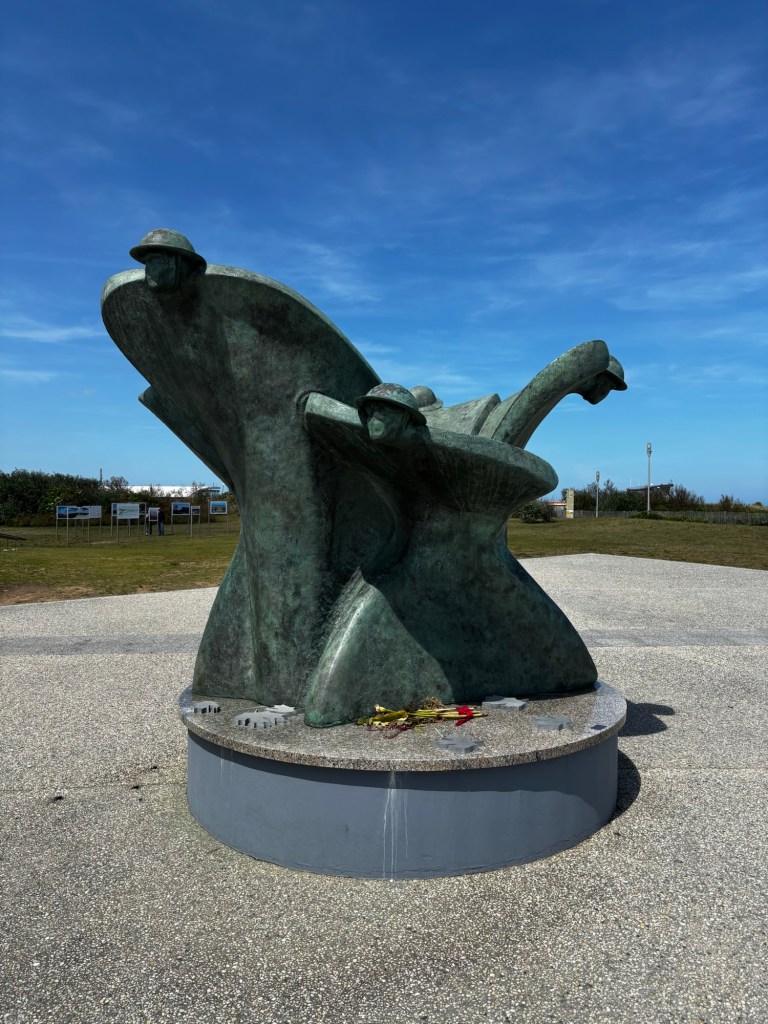
The museum on Juno beach was our next stop. Fronted by an arresting sculpture the museum told the story of the Canadians landing in vivid detail using storyboards, videos and artifacts. Extremely educational.

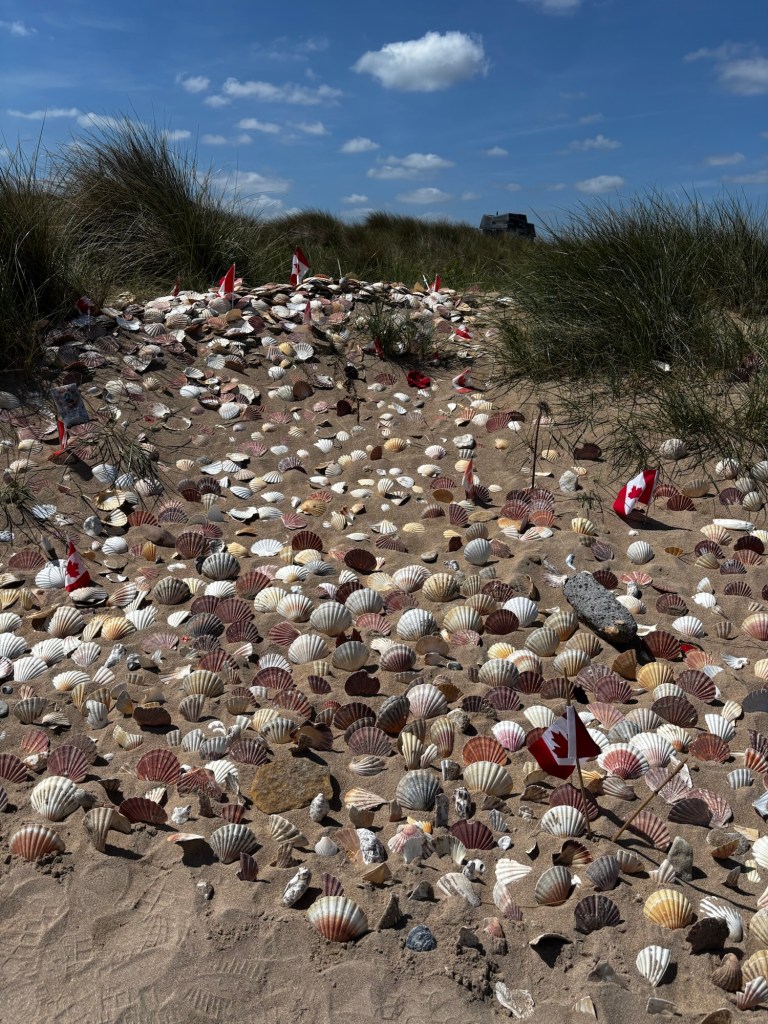
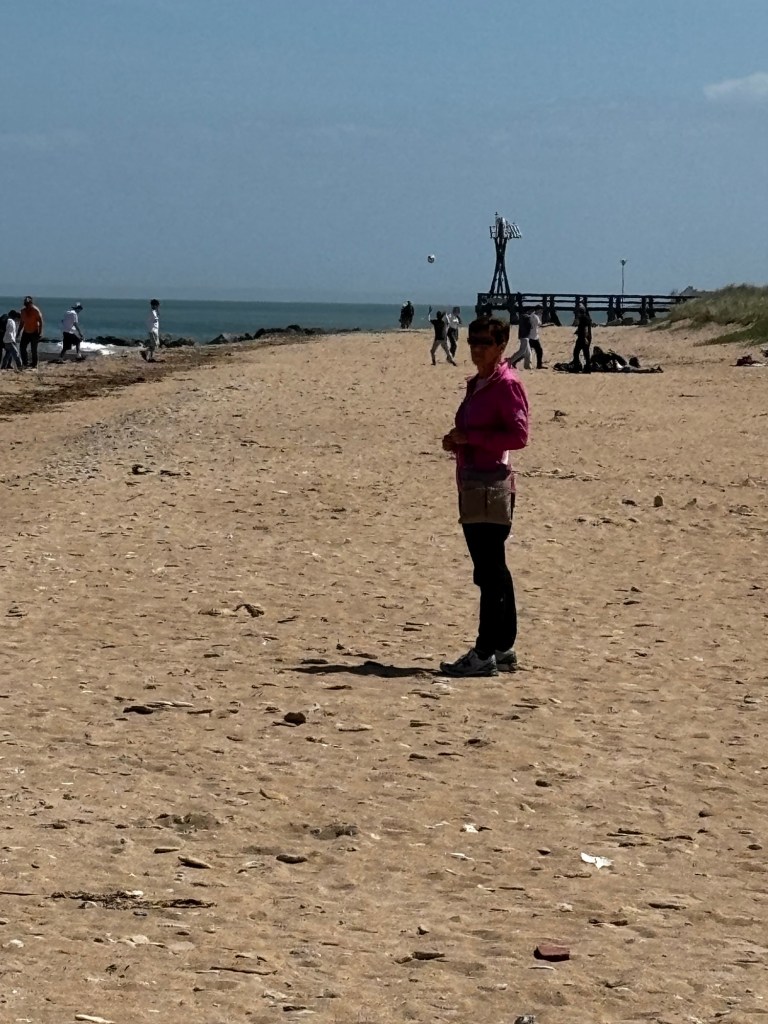
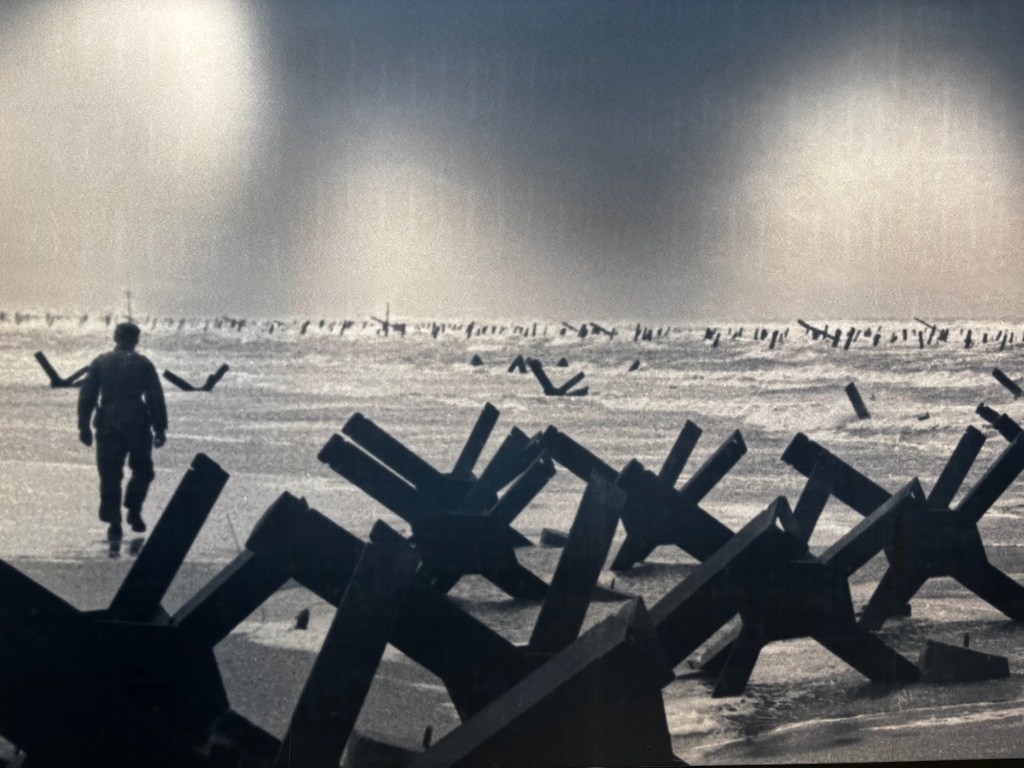
We walked along the beach itself trying to envision the utter chaos that occurred on those sands. Simply impossible.

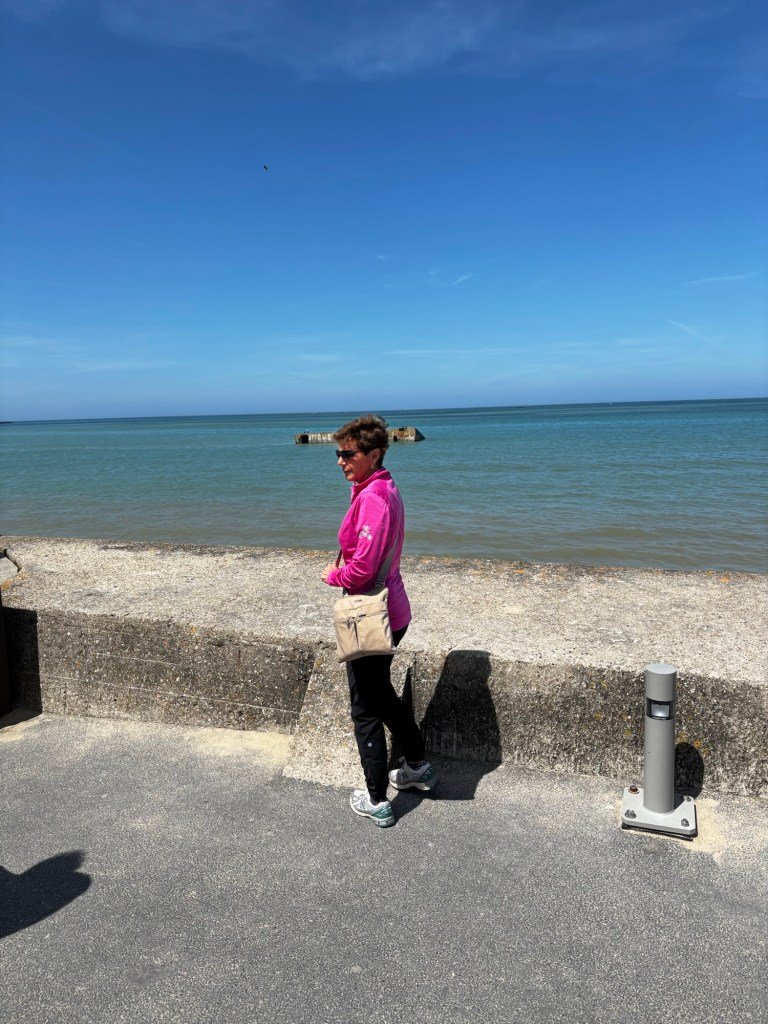
Back in the car for a drive along the coast to Arromanches next to Gold Beach, site of one of the two beaches where British forces landed. The waters offshore contain the remains of old ships sunk deliberately in 1944 to create a breakwater and concrete caissons used to build a floating pier used to offload heavy equipment. It proved critical to the allied cause.

Darn tourist blocking partially sunken caisson.

Next stop was further west at the American cemetery at Omaha Beach. The site is an extremely popular tourist stop and even in mid May, somewhat crowded.

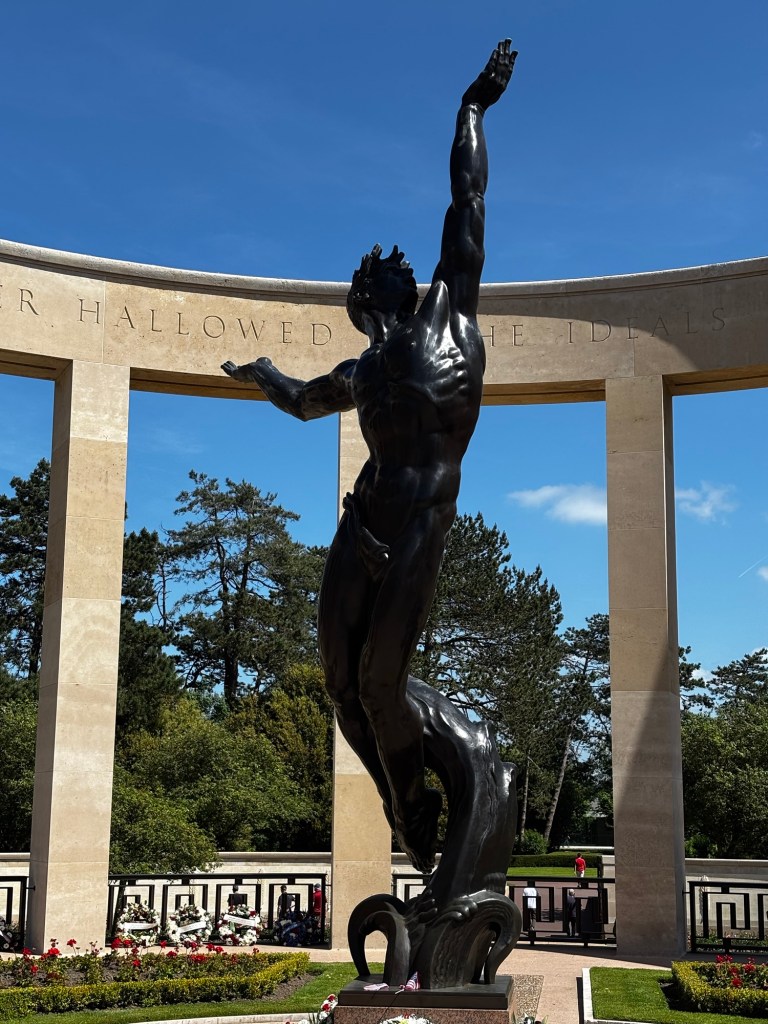
A large bronze sculpture called the spirit of American youth rising from the waves stands at the edge of the cemetery.

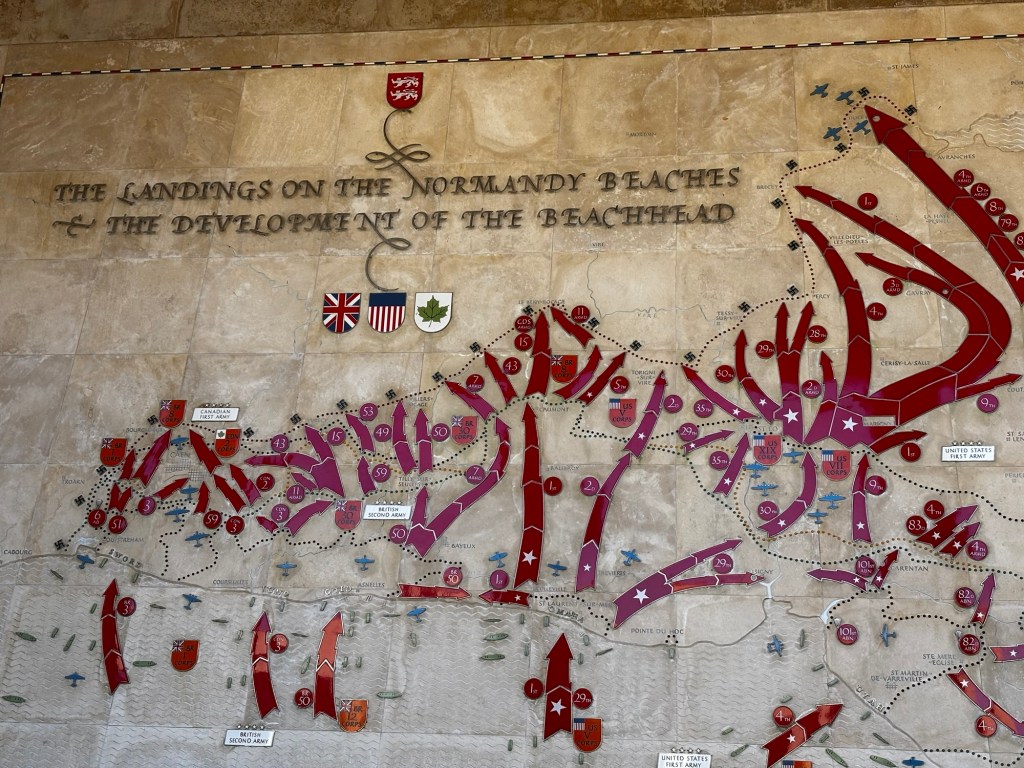
There are also huge wall murals showing the different concentrations of troops spread across the coast as well as post landing thrusts further south.

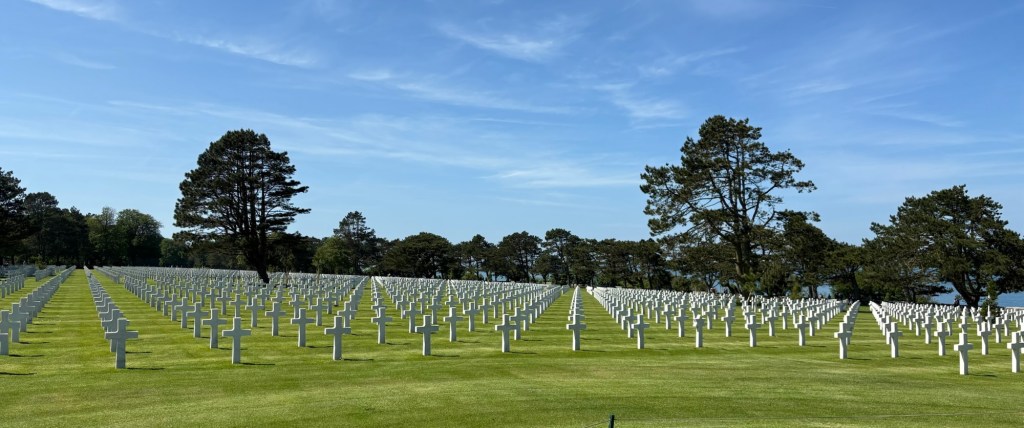
The cemetery contains 9,389 graves, each marked by a white marble cross. The grounds are pristine and the marble shone brightly. The headstones stretch as far as one can see. Walking amongst them is not permitted but there are central pathways.

The inability to get close to and read the headstones meant the atmosphere was completely different from the Canadian cemetery albeit not in a negative sense. Just different.

The information centre provided a detailed breakdown of the timing each component of the operation was to follow and the massive logistical challenges encountered. It’s not hard to comprehend the why, where and when. It’s almost impossible to understand the how.

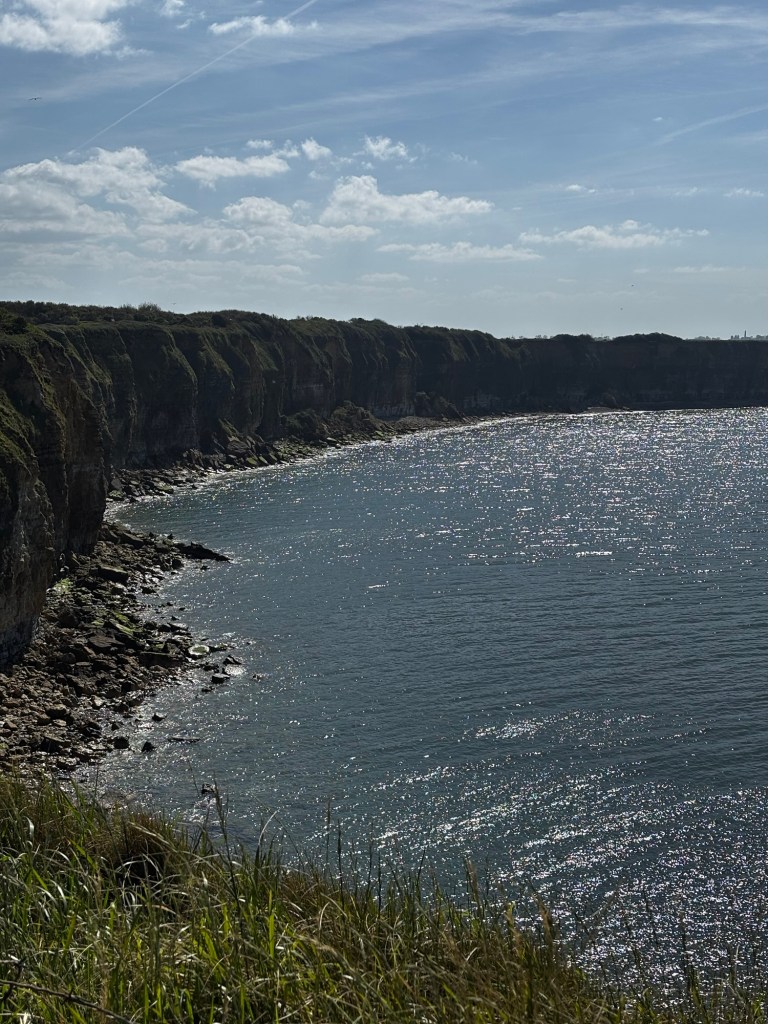
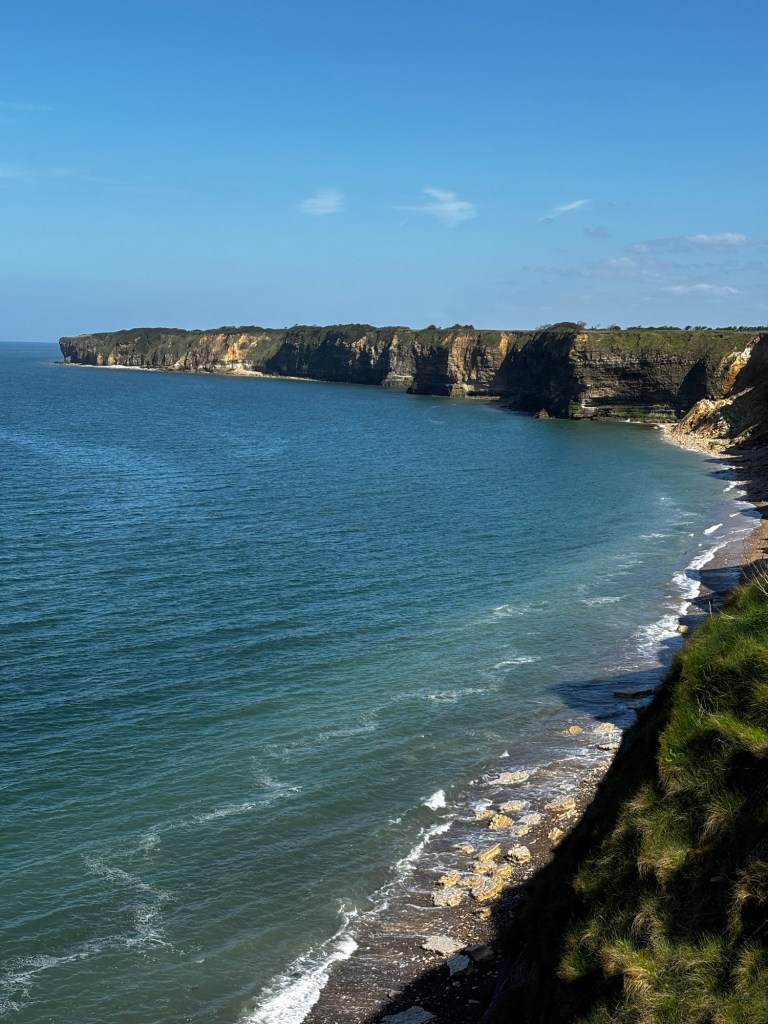
Our journey continued further west to La Pointe du Hoc which has been maintained, somewhat, as a site with massive German gun placements and hundreds of large craters, the result of aerial bombardment. Again one wonders just how the allies managed to achieve their goals when you see the terrain and array of defenses.

Looking west towards Utah Beach and east, back towards Omaha beach are magnificent cliffs that US Rangers somehow scaled. Unbelievable.

Our day ended with a late dinner in Bayeux and time to try and absorb what we had witnessed throughout the day. It’s one thing to read about D Day or see a film. Standing on the actual site deepens the appreciation of what transpired and the costs therein.

Tomorrow the Abbey at Mont Saint Michel (if the tide is out when we arrive) then we turn south for the long drive to Bordeaux and part two of our adventure.

Getting There

A last minute decision to upgrade meant full lie down pod seats on Air Canada. That’s all well and good except when dinner is served at 10:15 p.m. and you’re woken up at 2:30 a.m. body time for breakfast, even snatching a few hours sleep with pillows, blankets and special headphones gets undone.

Landing in Paris midmorning we walked a couple of kilometers at Charles de Gaulle airport to the rental car building only to be told we were early and would have to wait 50 minutes until our prepaid contract started. Apparently the system can’t print a contract outside the agreed to time range and given it was prepaid, we had to sit and wait. At least they gave us an upgrade at no extra charge.

Finally away and after doing two loops of the same exit/entrance ramp (hey, the car in front of us started off on a third go round) we found the correct highway. The car is very comfortable but has an annoying habit of constantly chirping and binging warning messages for no apparent reason to pay attention and drive carefully. Reading the messages at 130 kph in French, in small font, on the dashboard is probably much more likely to cause an accident than any bad driving habits. Oh, and once every half hour, we think, there was an extremely loud gong without any accompanying message.

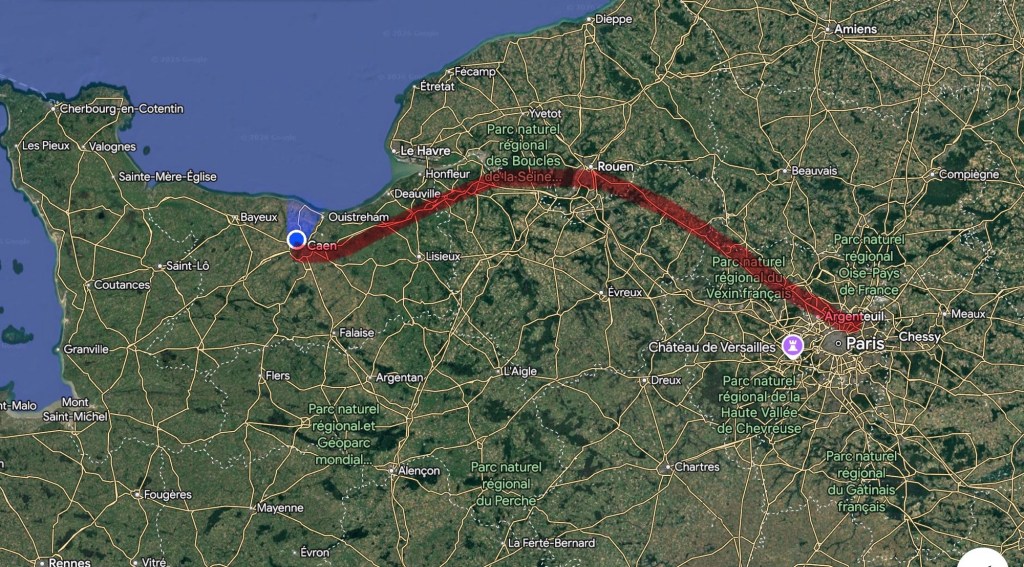
An easy journey past Rouen to Caen through unremarkable farmland and rolling pastures. Given the calmness and intermittent sunshine it was impossible to envision the area as a theatre of war.

Upon arrival in Caen we spent 2 1/2 hours touring the Caen Memorial History Museum. Dedicated to the Second World War, it is organised chronologically, beginning with the aftermath of the First World War in 1918 and concluding with the surrenders of Germany and Japan in 1945.  It was filled with exhibits, videos and artifacts that really present a detailed story. The hand held audio machine was priceless.

Notwithstanding the great history lesson our long night/day caught up to us and when we both started to nod off in one film auditoriums it was time to go.

Tomorrow is a tour of the main Normandy beaches, museums and military cemeteries.

Adventures In France – May 2026

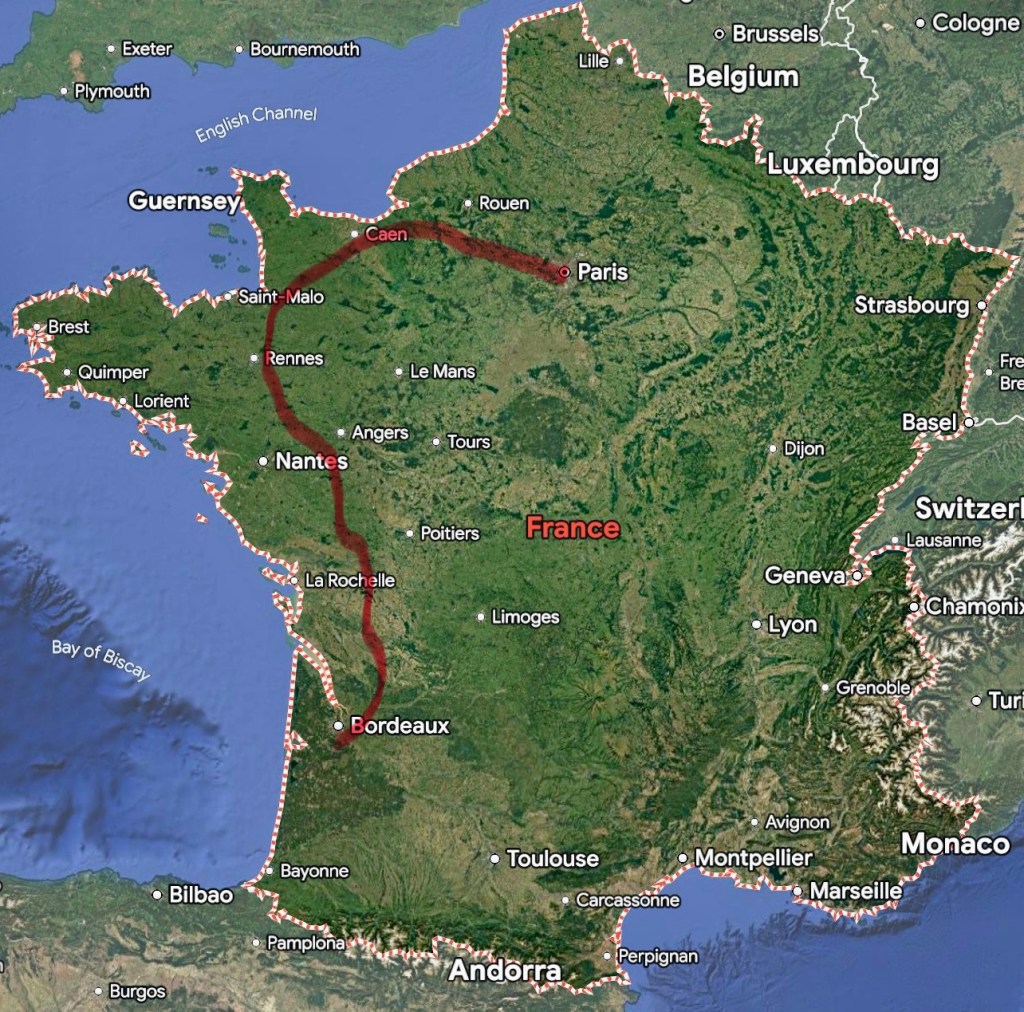
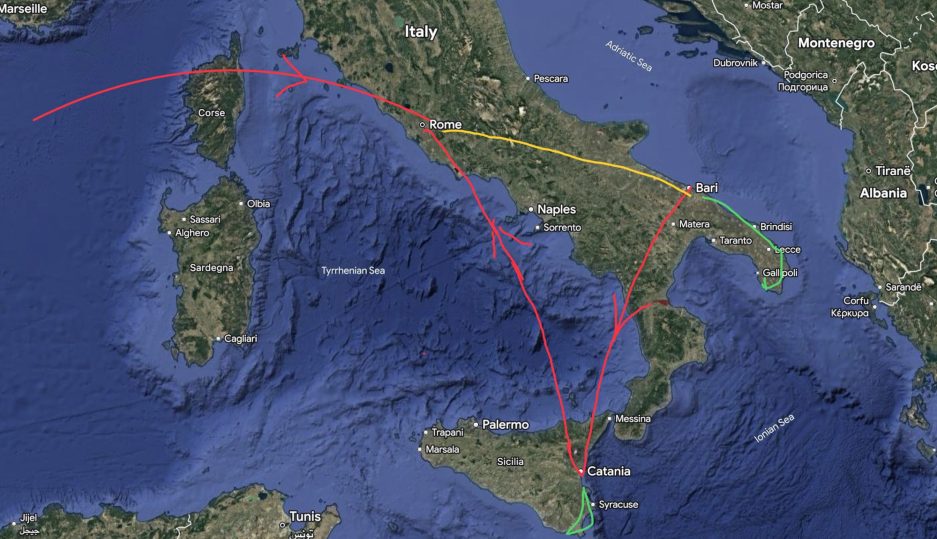
We have a two part adventure planned that covers a large footprint in France. Initially Mo and Mark will tour Normandy and then, having successfully (hopefully) navigated the country roads in a rental car from the north coast to the south west corner, we will link up with our children and their spouses in Bordeaux for a unique barge trip along canals beside the Garonne River visiting iconic vineyards, wineries and regional landmarks.

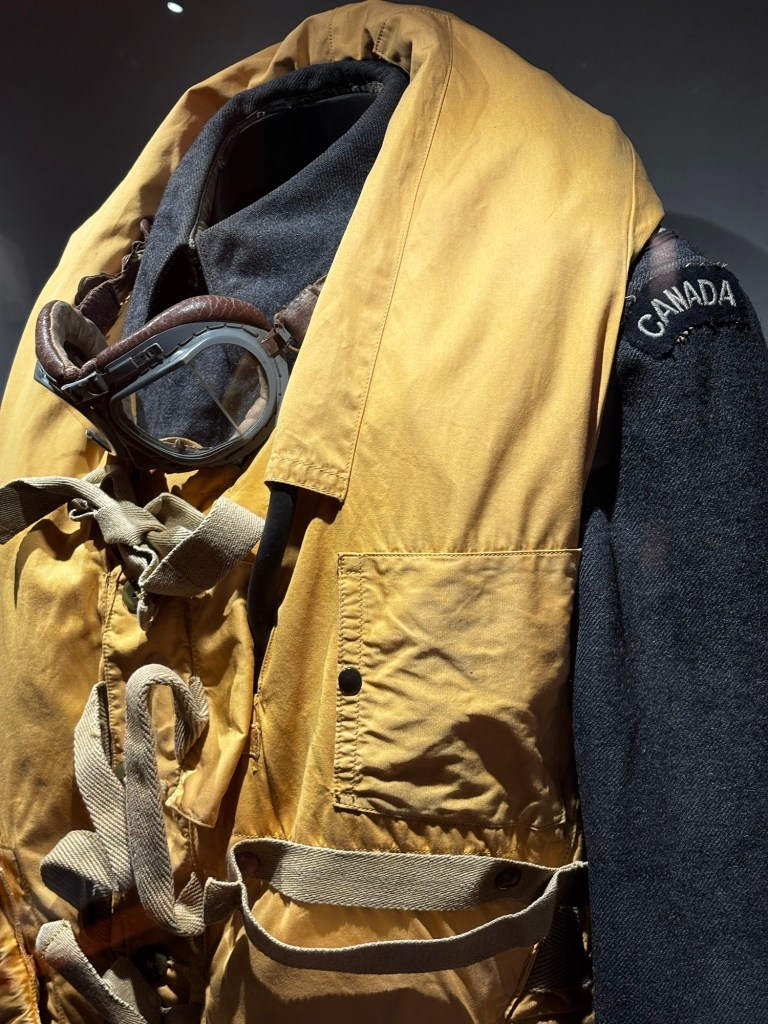
Normandy has been a bucket list destination especially since Mark’s father fought in WWII as a Spitfire pilot in the RAF. And with Mark having successfully completed a French wine certification level 2 course (enrollment was an Xmas gift from the family), an idyllic canal trip with numerous tasting opportunities was an effective way to say thank you while putting new knowledge to good use.

Melbourne Golf – Yarra Yarra

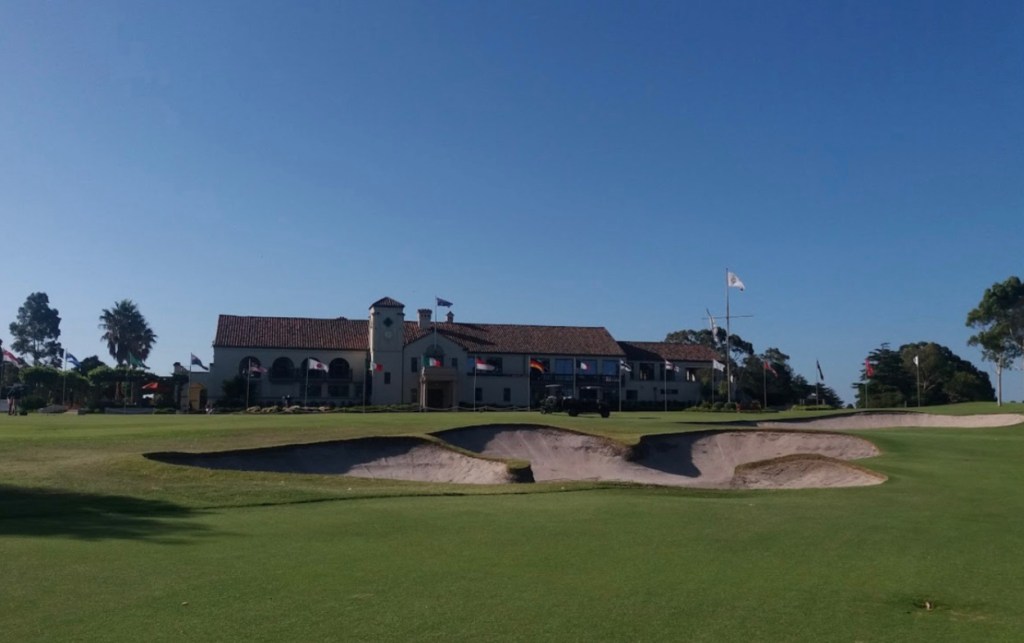
One of the eight clubs that market themselves as true occupants of the Melbourne sand belt is Yarra Yarra, 40 minutes southeast of the city centre.

Founded as a rough, 9 hole course at Eaglemont in 1898, Eaglemont Golf Club, as it was originally known, was also avant garde in that male and female members enjoyed equal rights from the outset.

In 1910 it decided to purchase land near the Rosanna railway station and was renamed the Yarra Yarra Golf Club opening for play in 1911. By the mid 1920’s a move to the sandbelt was pursued and in 1927 land was purchased at East Bentleigh, well south of the Yarra River in the heart of the famous Melbourne Sandbelt.

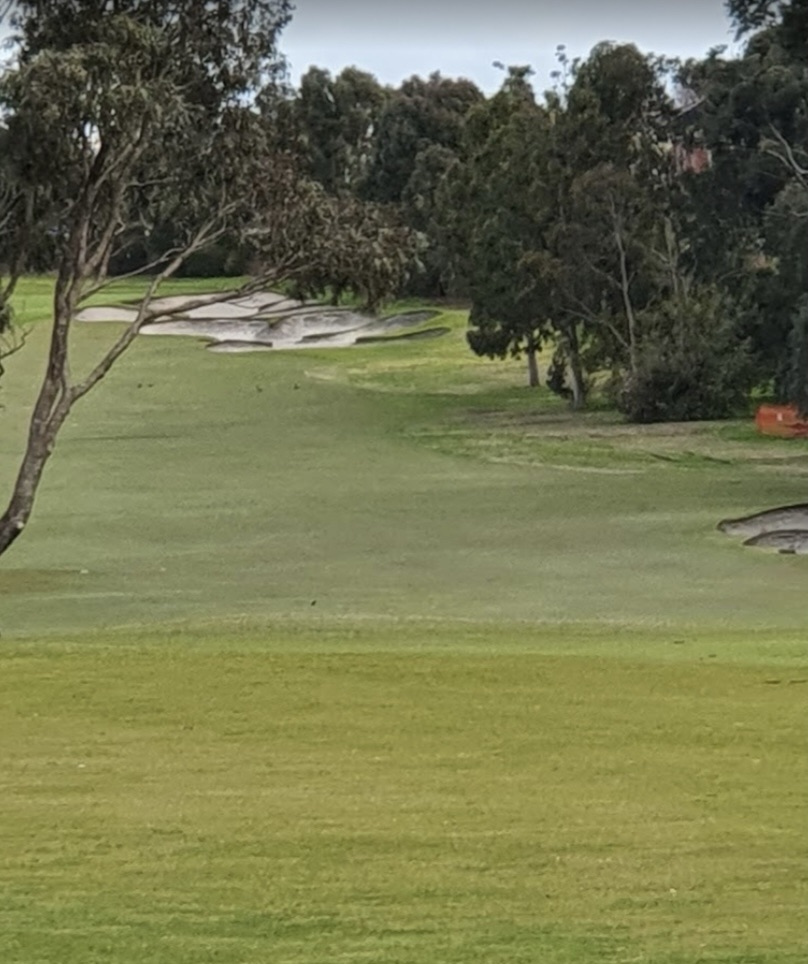
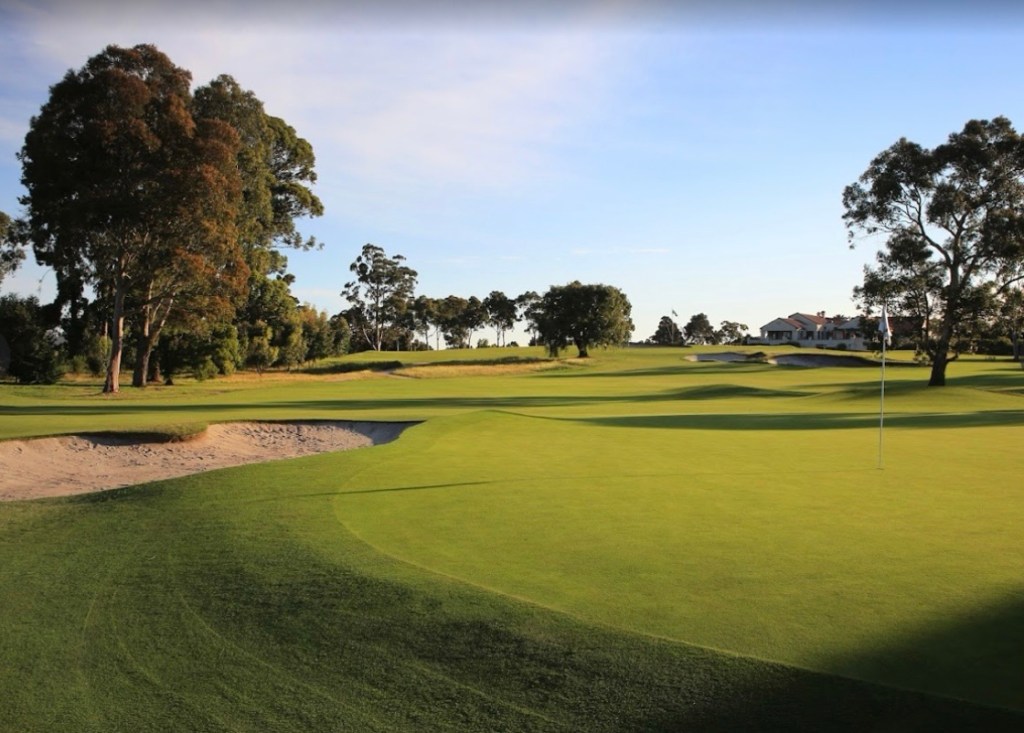
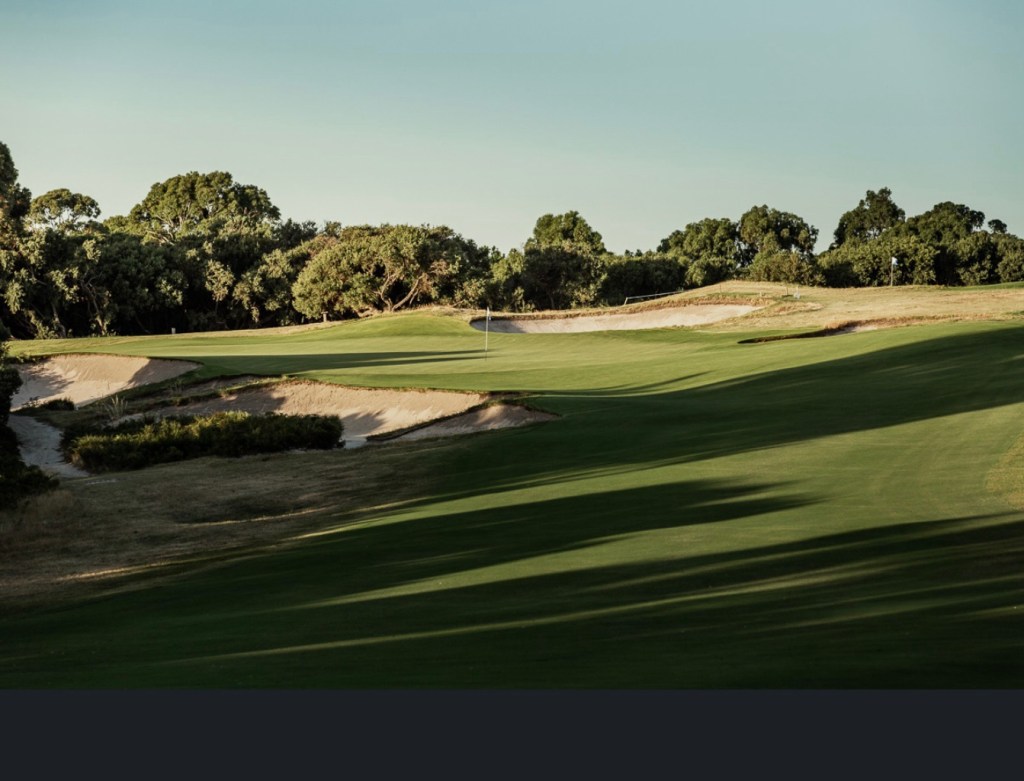
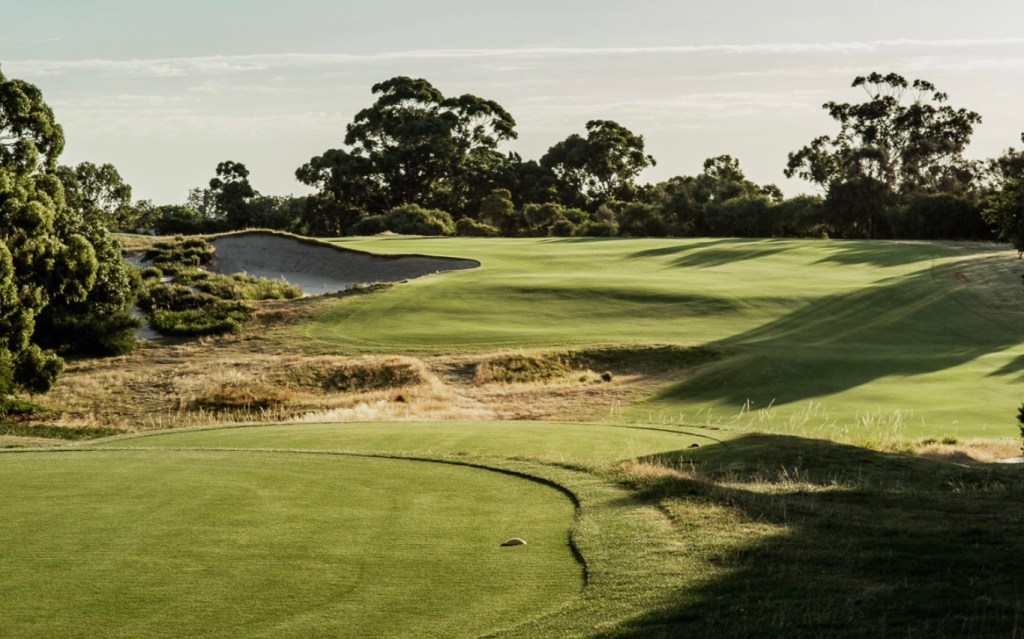
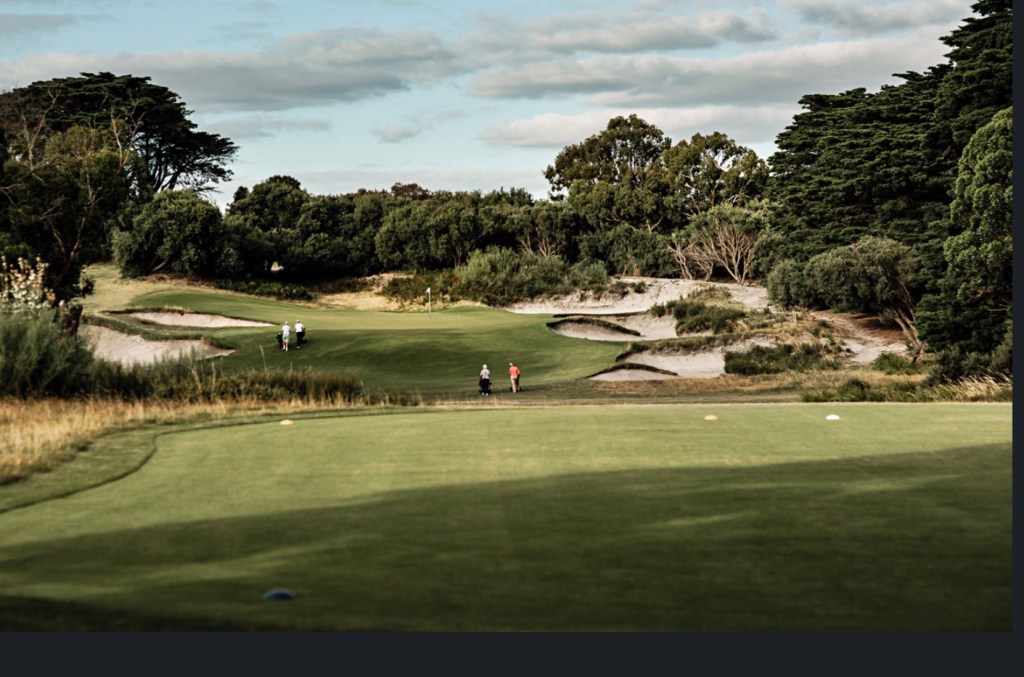
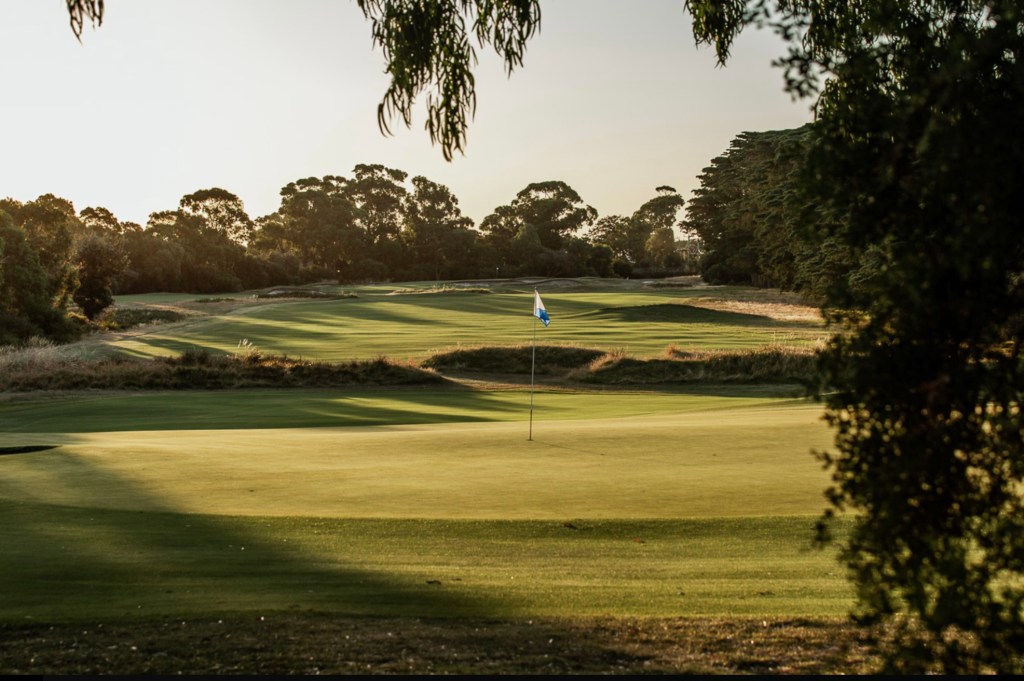
While not overly long, the course still requires strategic shot making to avoid the insidious fairway and greenside bunkers. Many greens have subtle slopes that means a good (?) shot can trickle and trickle and end up in a bunker.

If there’s a lesson to be learned from these sand belt courses it’s that many players carry a sand wedge with the bottom (bounce) of the club ground down to a very small flat surface (4 degrees). Obviously we weren’t carrying such a club. That’s partially the secret to escaping the bunkers given there is usually a minimal (!) amount of sand to help the ball out.

As we didn’t tee off until nearly 3 pm the long shadows added an element of uncertainty to reading the greens. Between regular visits to those bunkers and weak putting it was a long day.

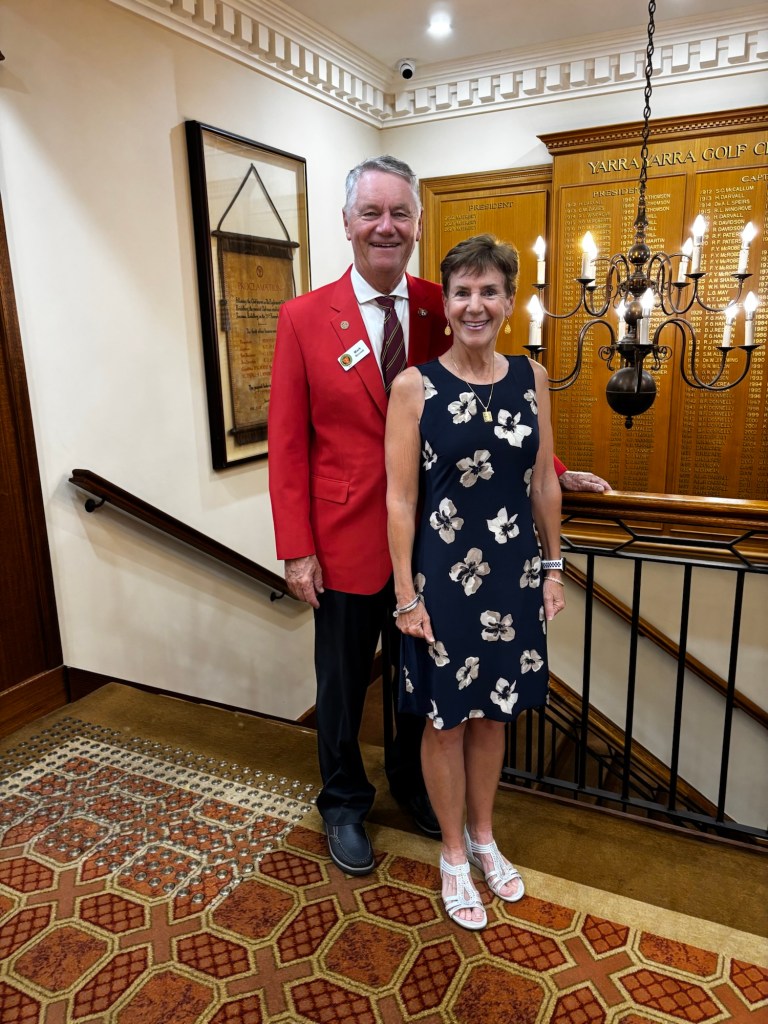
Fortunately our visit culminated with a wonderful farewell dinner as our group tour came to an end. Lots of speeches and thank you’s with promises to reciprocate visits both at home and abroad.

The Canadians are scattering tomorrow, some still with weeks of holidays planned in New Zealand and other places. A few are heading home as early as possible.

Great new friends, both Australian and Canadian, a real mixture of sights and sounds from a true cross section of the country (although really only a small slice), thousands of miles travel from the tropical north to the sandy south, access to iconic golf courses and on and on. It’s been a long three weeks and there’s a 21 hour flight to get home so we’re not quite done yet.

Mo will be back on the road in a few months with plans to hike a sizable portion of the Camino trail in Spain. Hopefully she will blog her adventure. Stay tuned.

Melbourne – Night Time

Tap on the picture to see the full version.
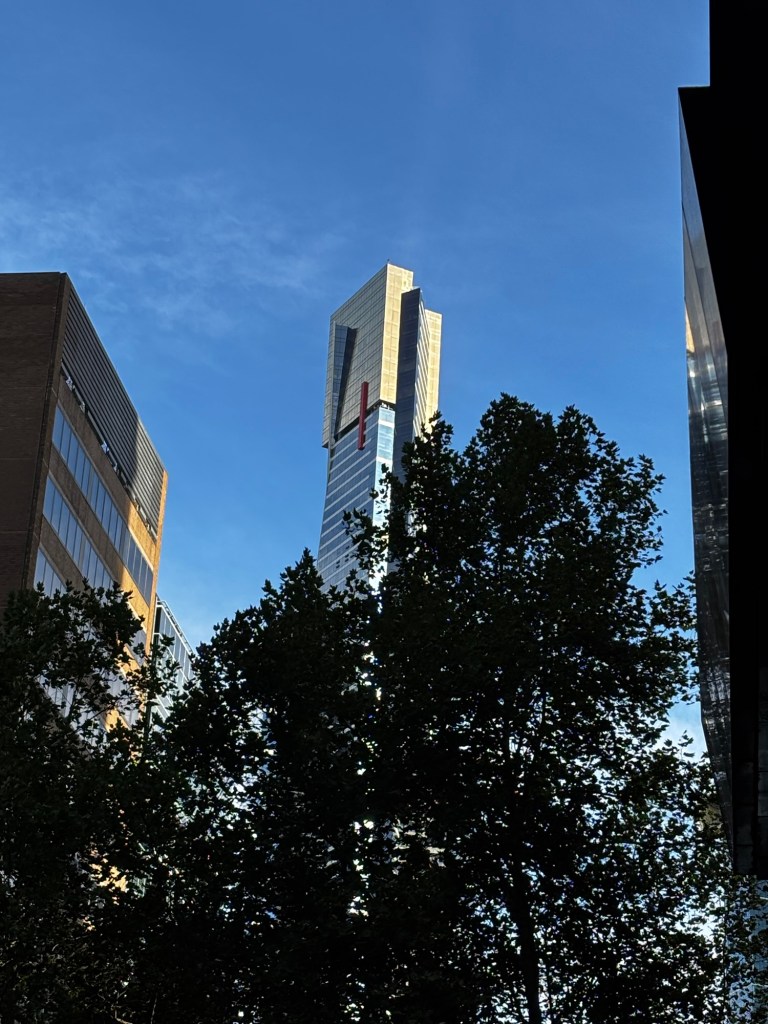
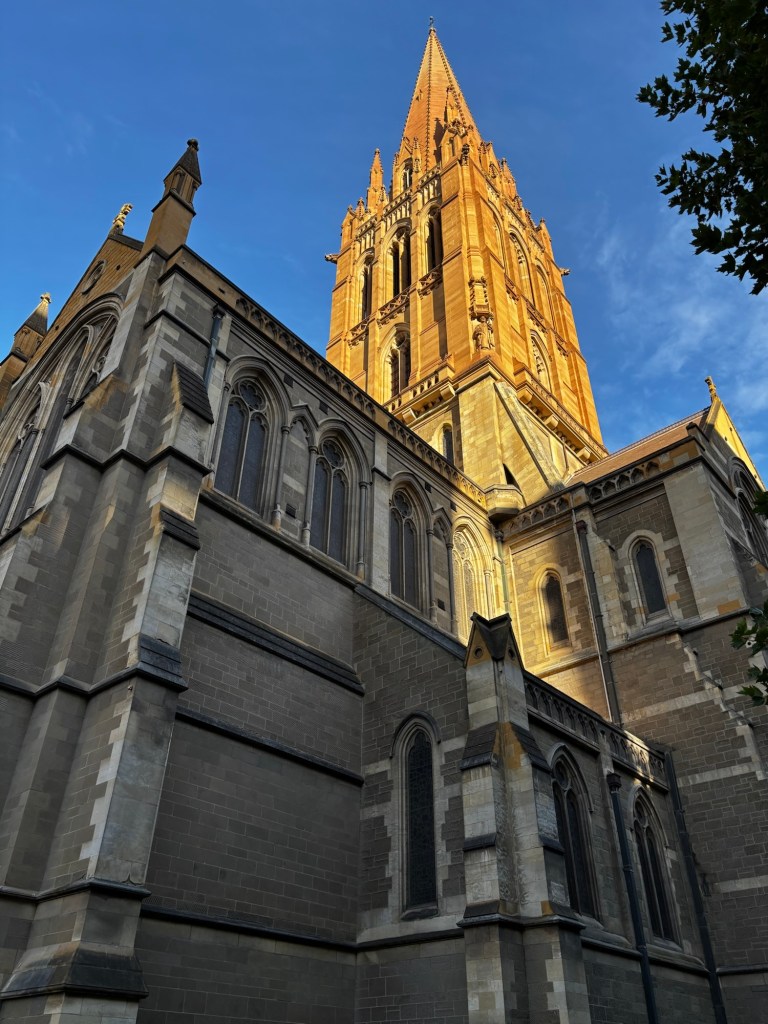
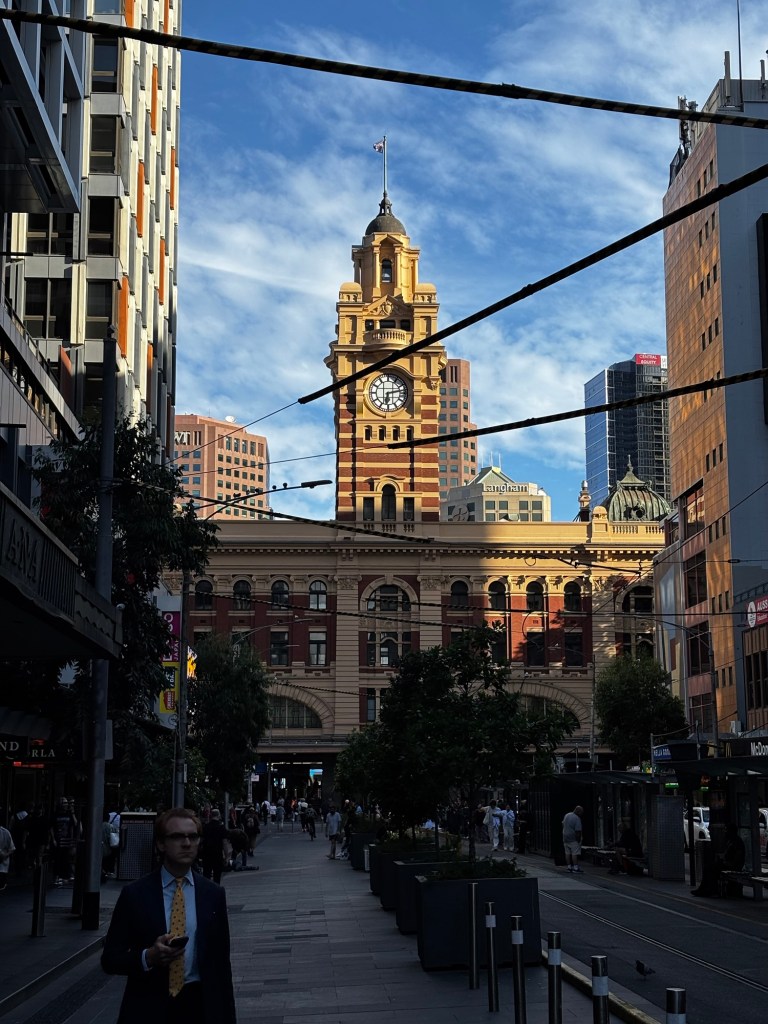
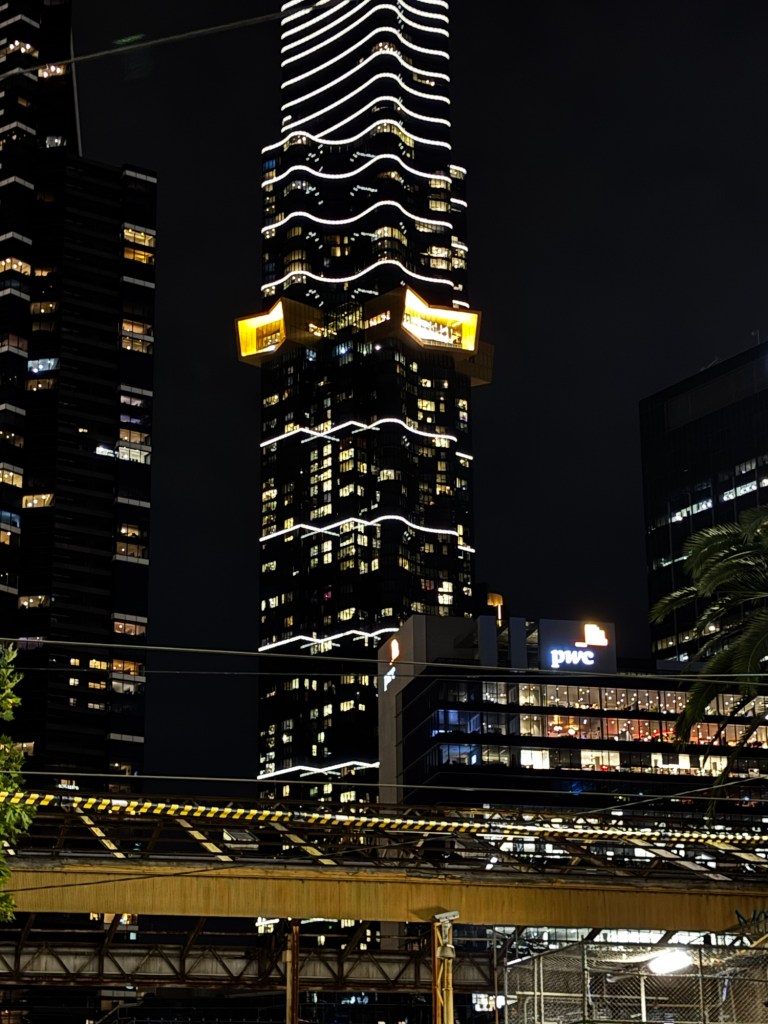
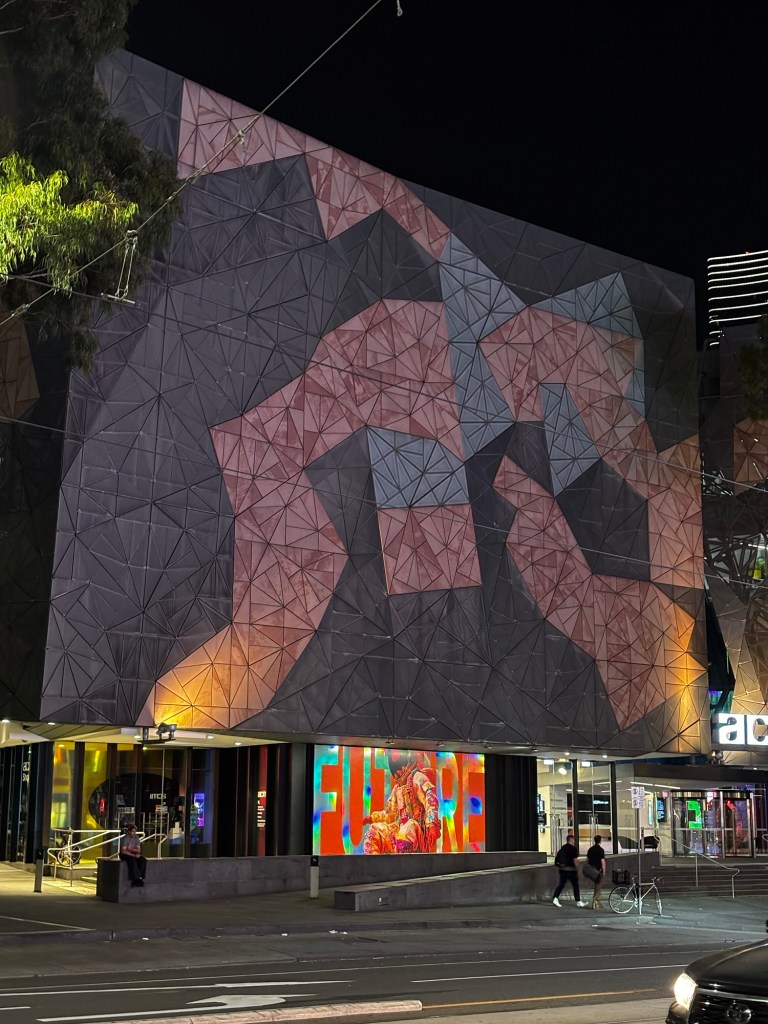
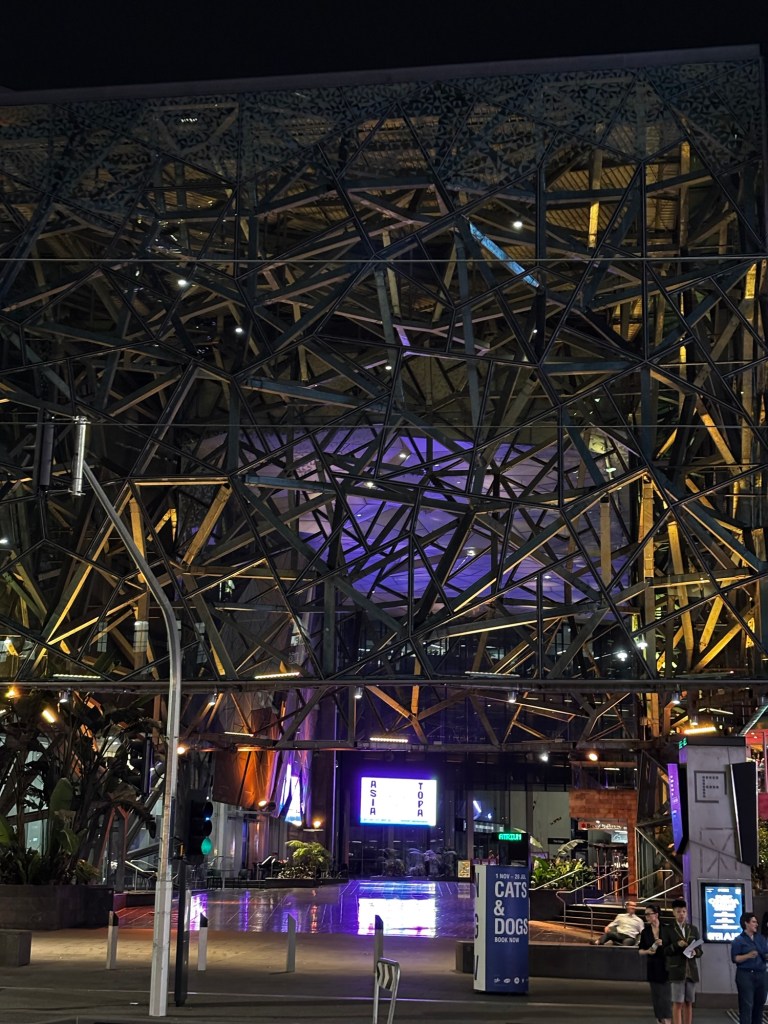
Back from wine tasting and chocolate nibbling we set off to explore a small portion of Melbourne while seeking a Vietnamese French restaurant. The mix of old and new architecture provides a great backdrop.

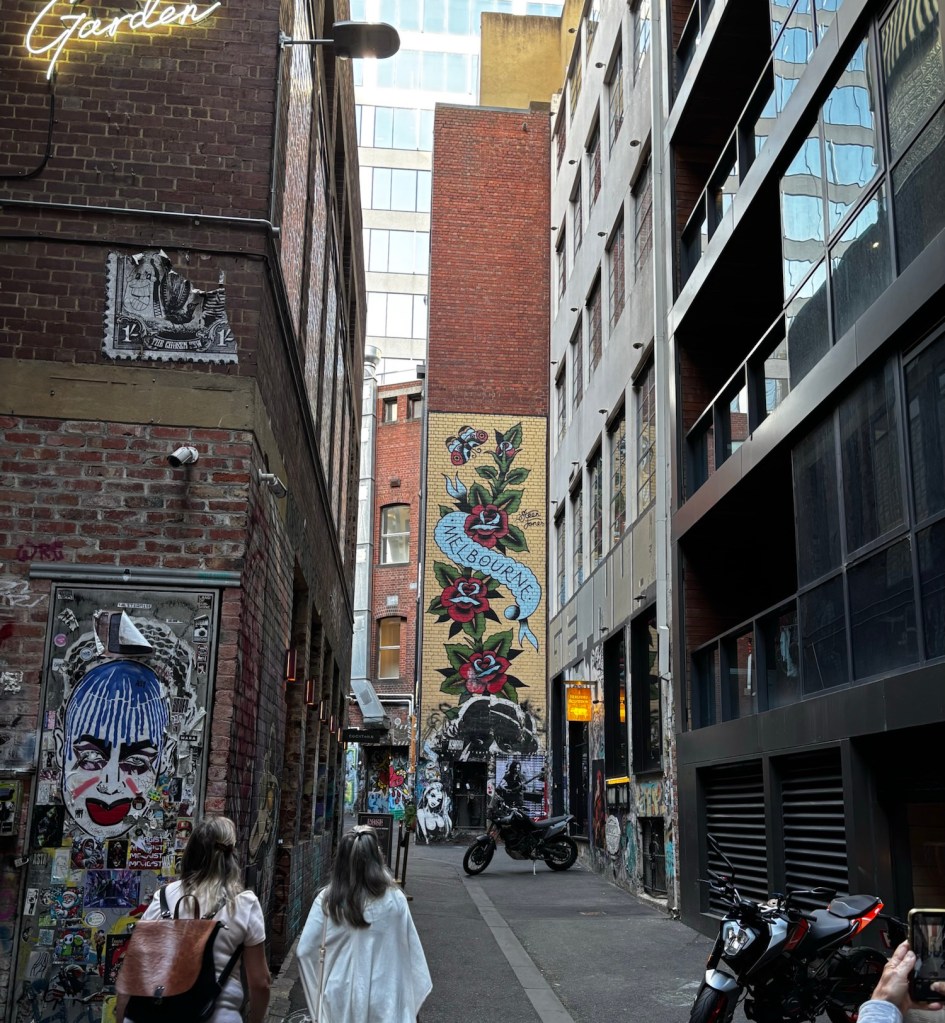
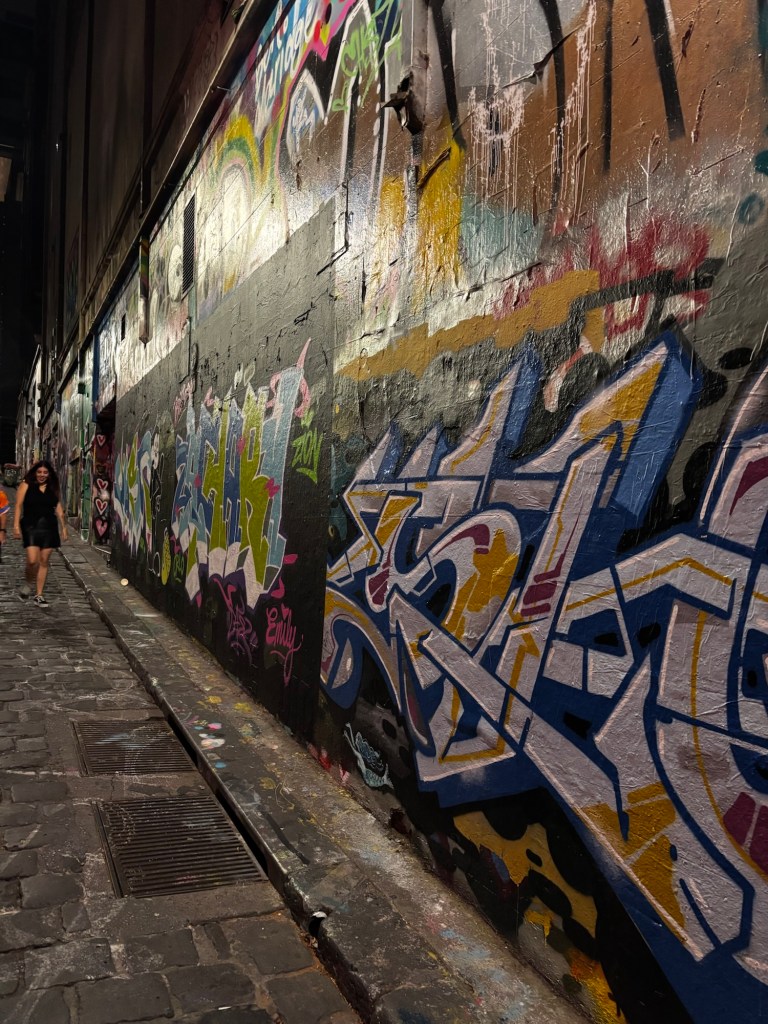
Melbourne is densely populated but utilizes lane ways to accommodate restaurants and bars.

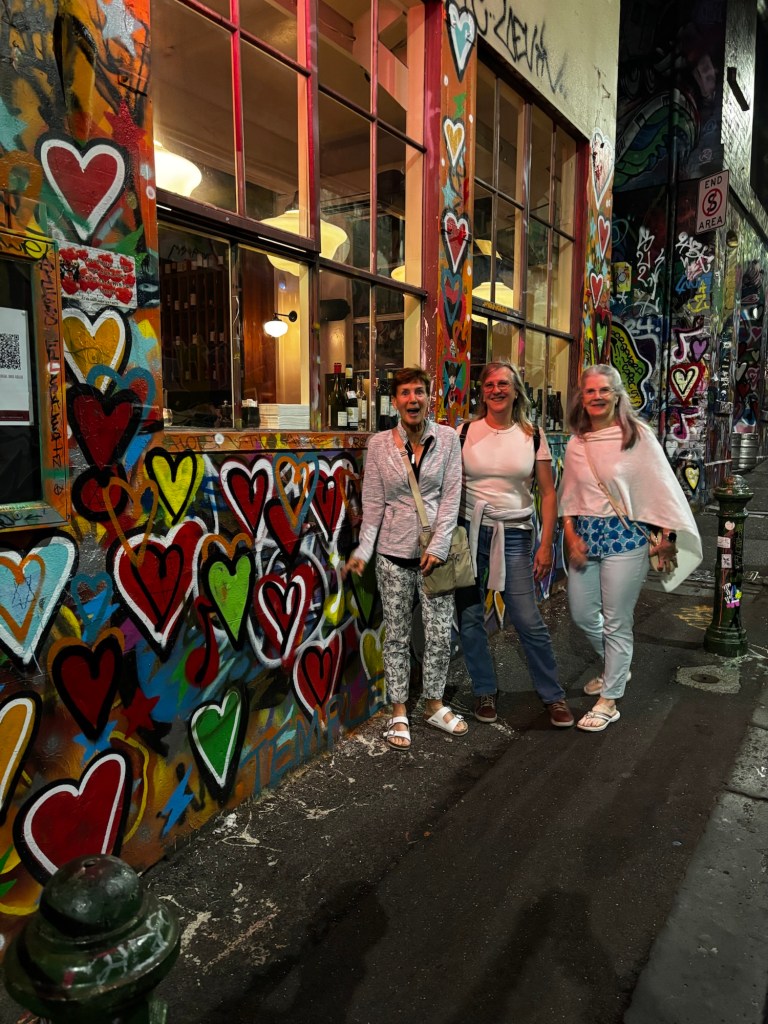
It also seems to attract graffiti artists.

We had an excellent meal once the menu was translated and explained to us. More wonderful architecture to gaze at with the thinking of what Toronto has to offer.

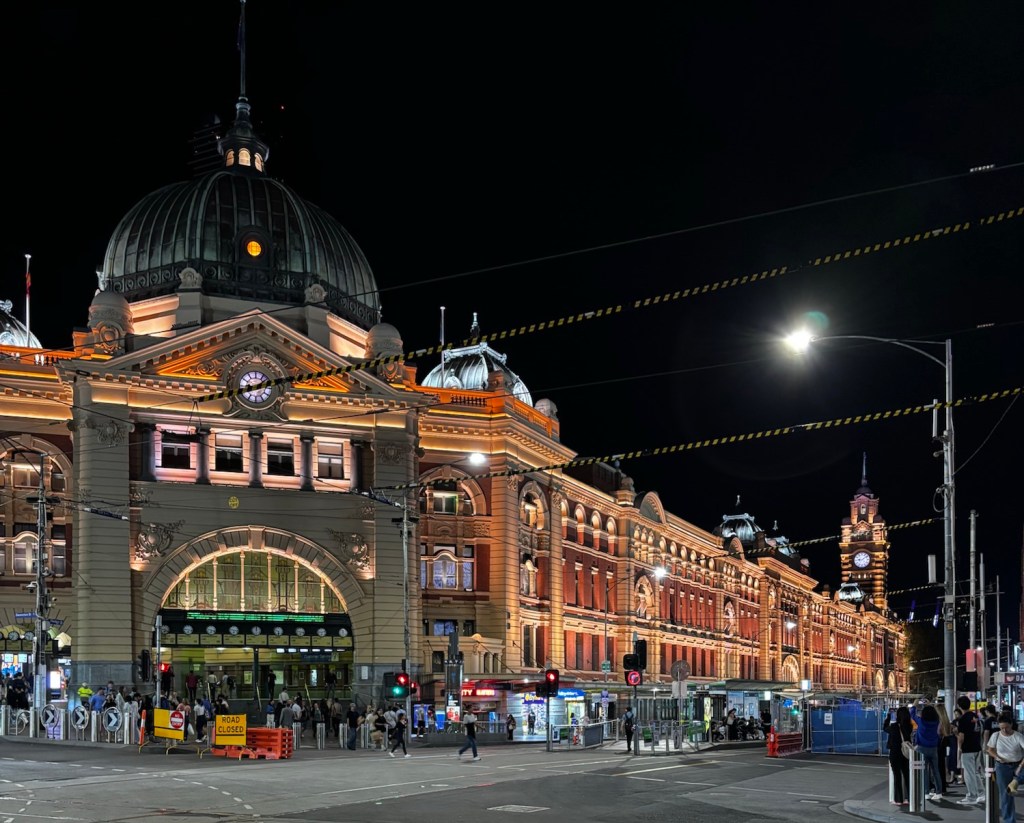
The block long iconic train station at night looked very impressive.

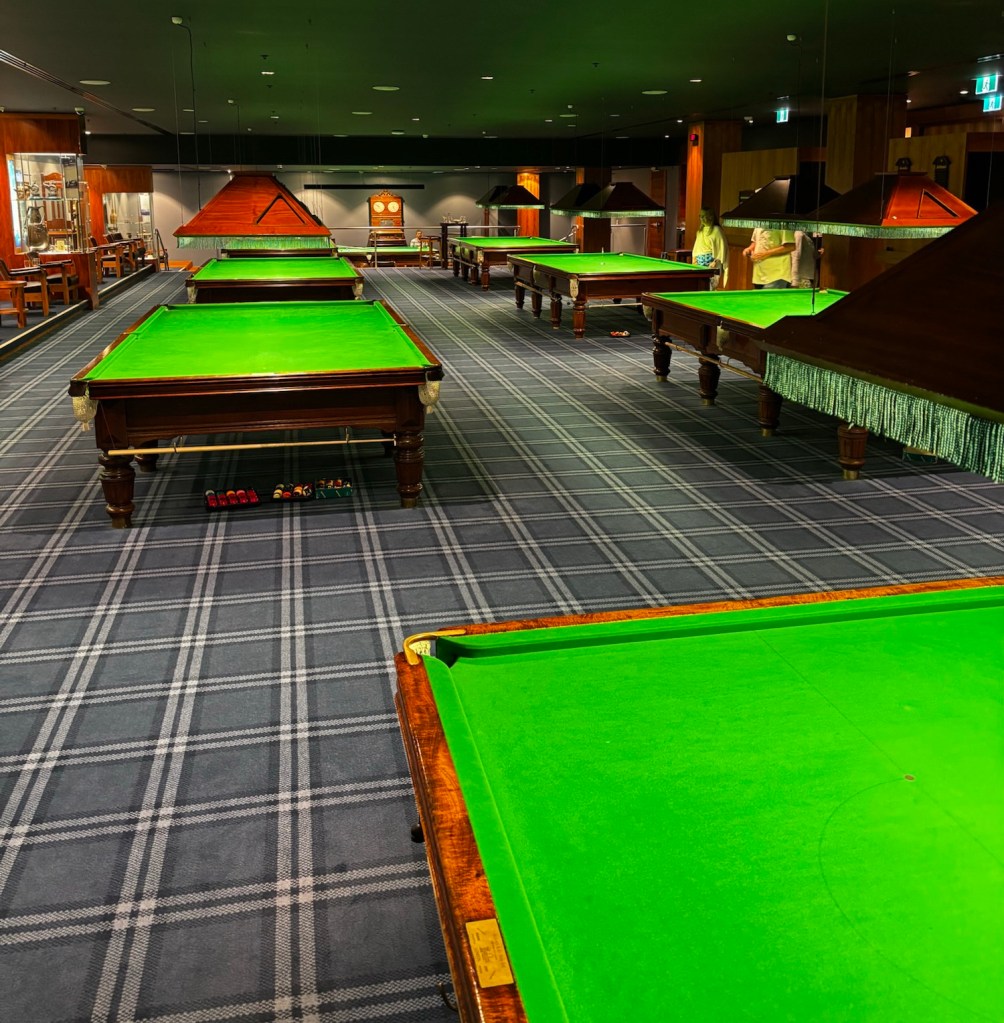
By entering a different level of our hotel we discovered an incredible billiard room. A pity time and energy were lacking.

Tomorrow we wrap up our sandbelt golf odyssey at the Yarra Yarra golf club.

Yarra Valley – Wine Tasting

Tap on the picture to see the full image.

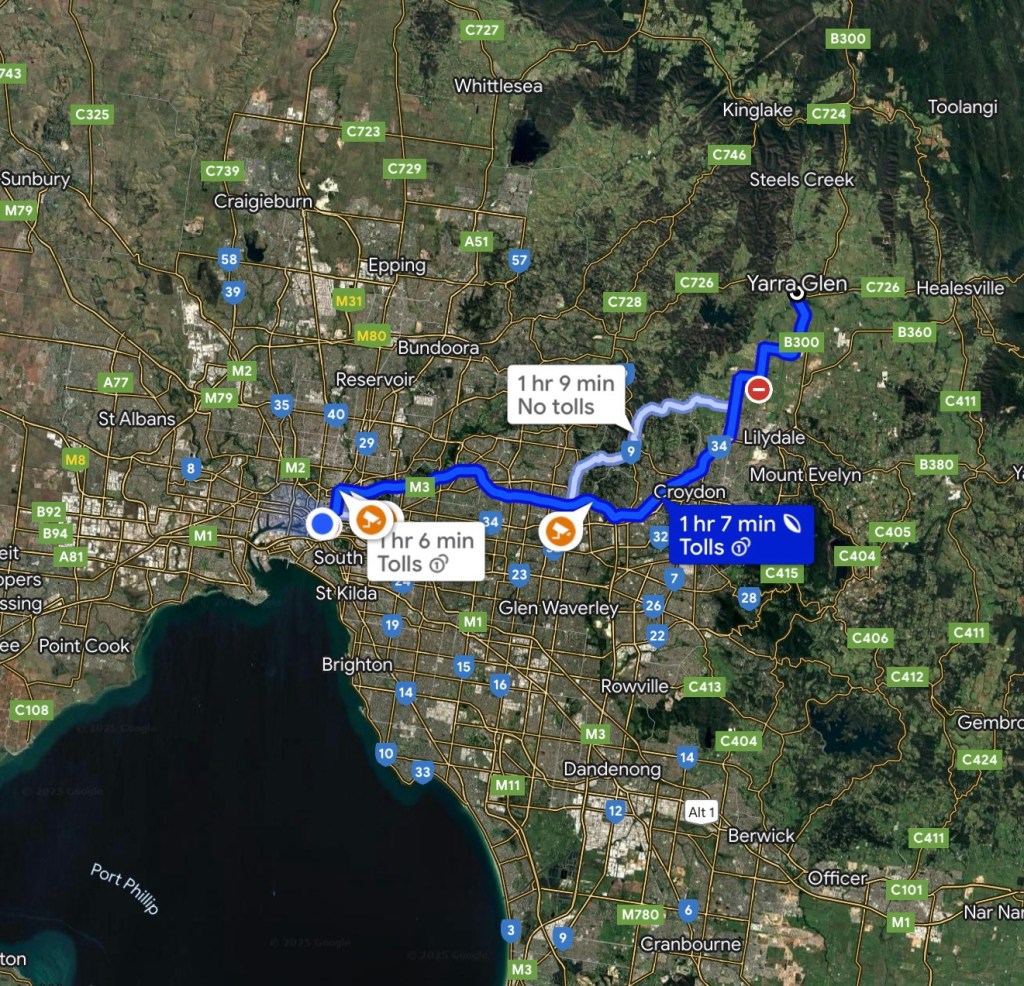
After golfing three days in a row it was time for a break. What better way than to head north of Melbourne into the Yarra Valley, one of the regions major wine districts.

Our guide explained the history of wine making in the valley which stretches back to the 1850’s. It was Australia’s version of the wild west with various parties making outrageous land claims and amassing thousands of acres, mostly to farm sheep and cattle.

Eventually the new government stepped in and sorted things out.

While the Barossa and McLaren valleys in South Australia along with the Hunter Valley in New South Wales may be better known internationally, the Yarra Valley in Victoria is a key part of the country’s wine industry.

There are over 80 wineries in the Yarra, many with a focus on Chardonnays and Pinot Noirs. Rose’s are becoming very popular as well

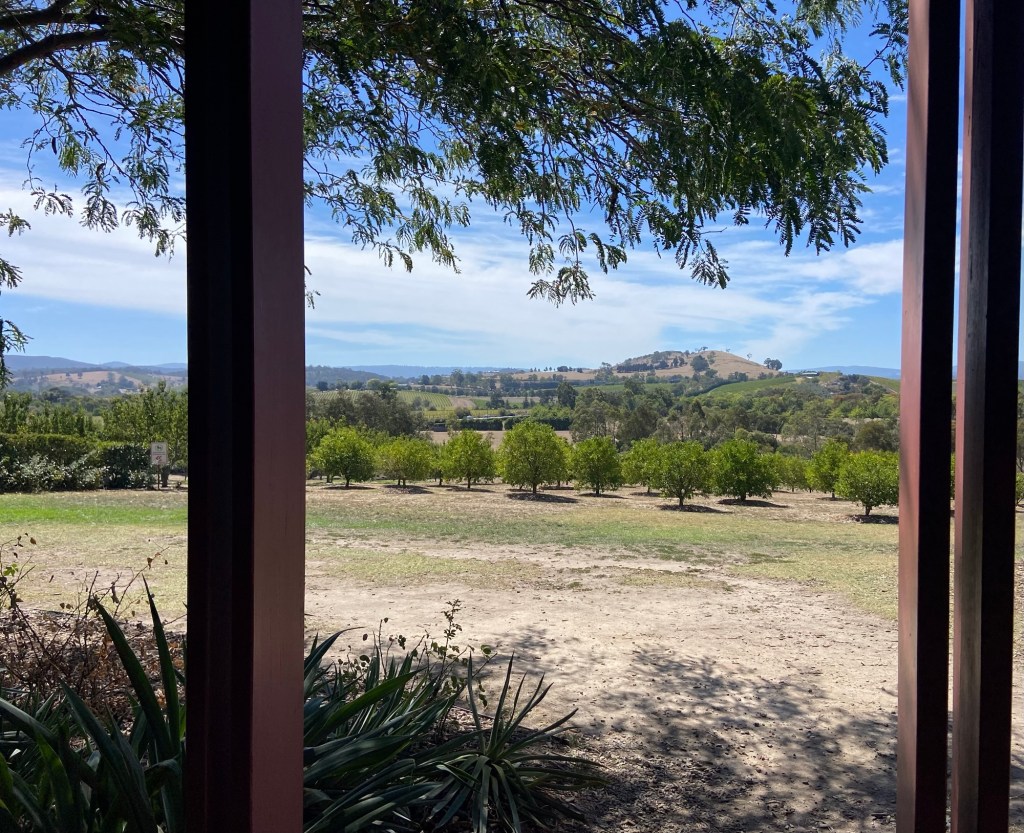
The valley really isn’t a valley in the truest sense being more of a plain before getting to the hills/mountains.

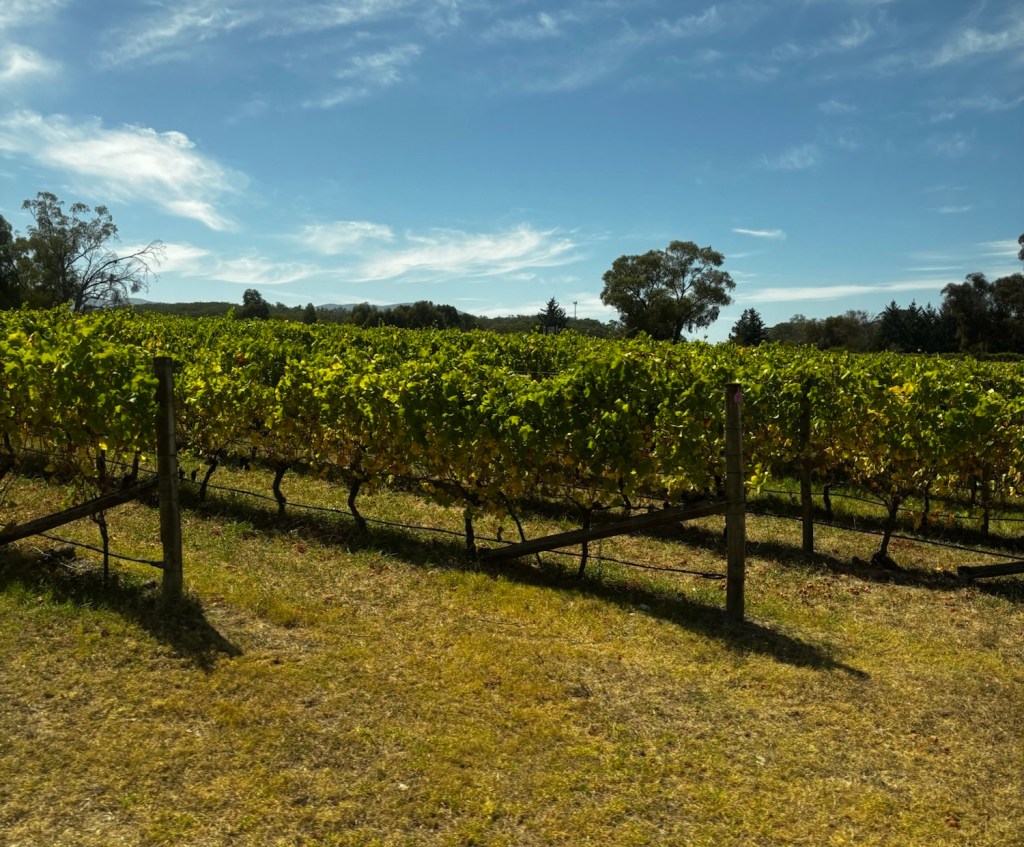
The valley is in the midst of a major summer drought and is a dry crispy brown and yellow.

The vineyards create a green oasis on this landscape.

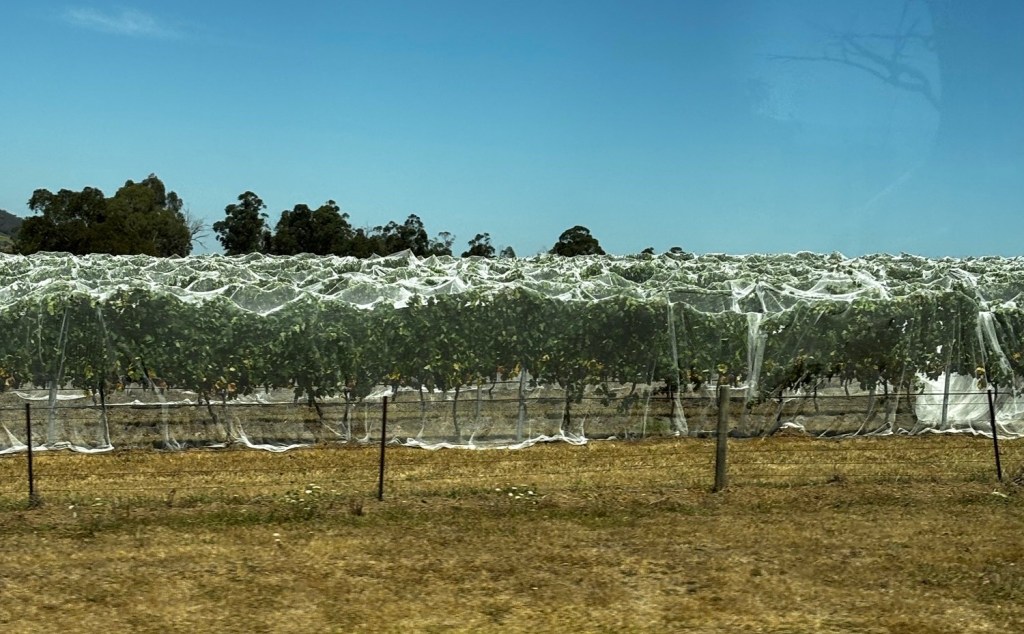
Interestingly, kangaroos are a problem as they love to eat the grapes. Hence many vines are covered in netting.

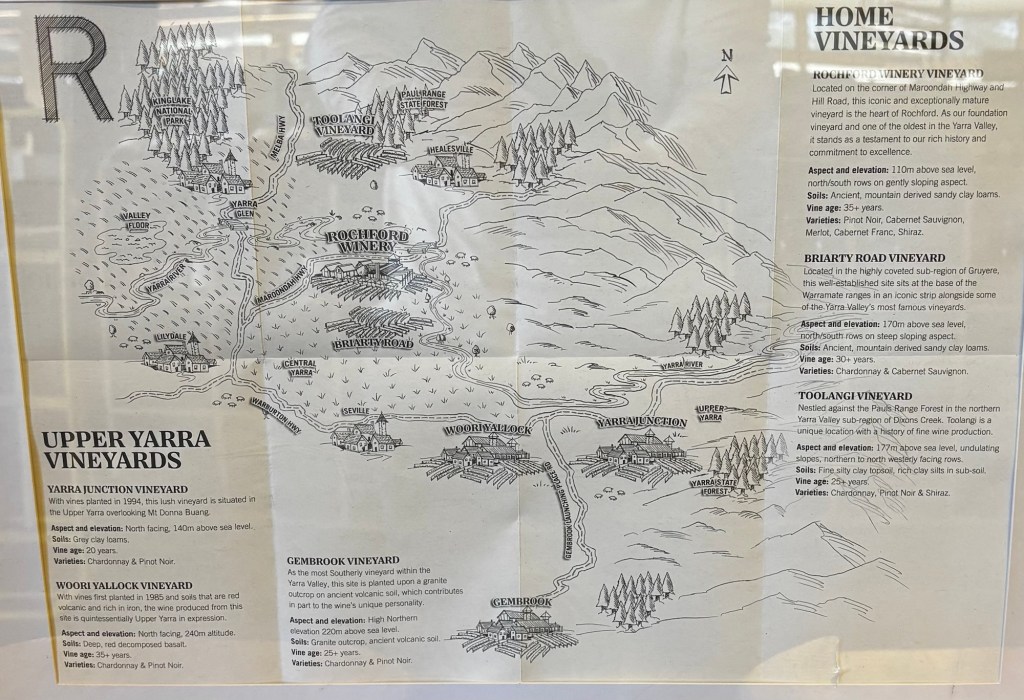
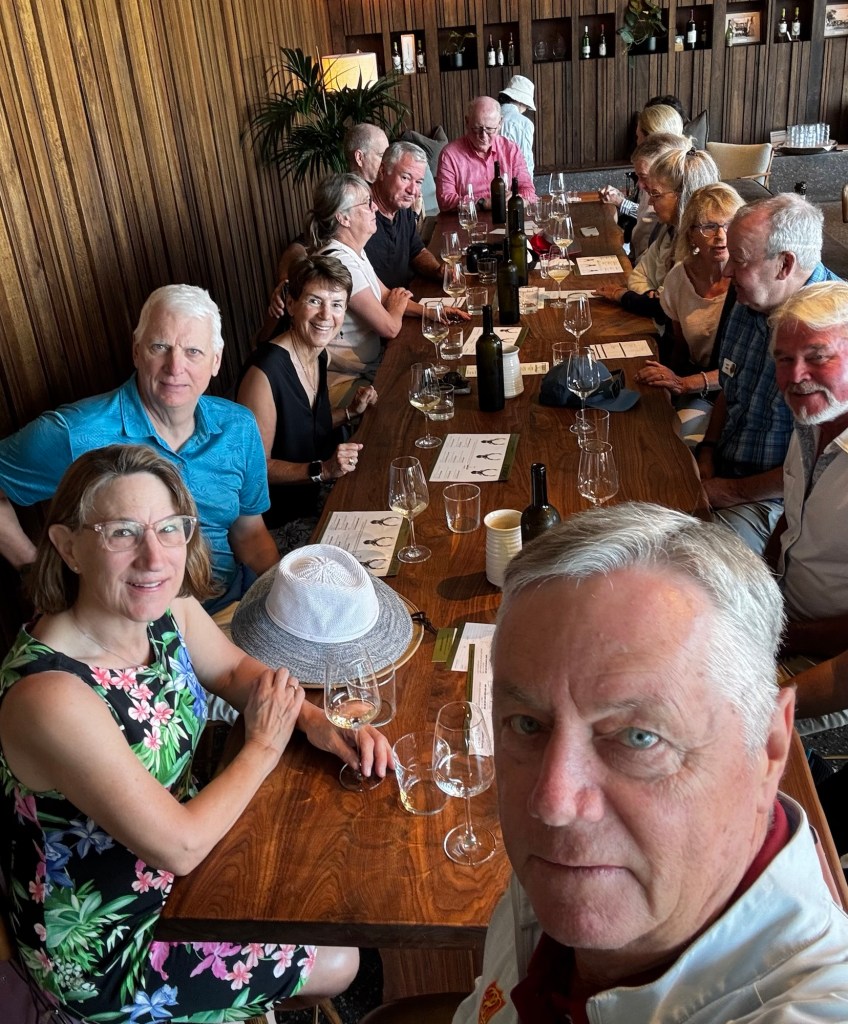
We visited three wineries, each offering their unique flavors. St. Hubert’s, Rochford and Stefani all produce modest quantities so their distribution is limited to Victoria and New South Wales.

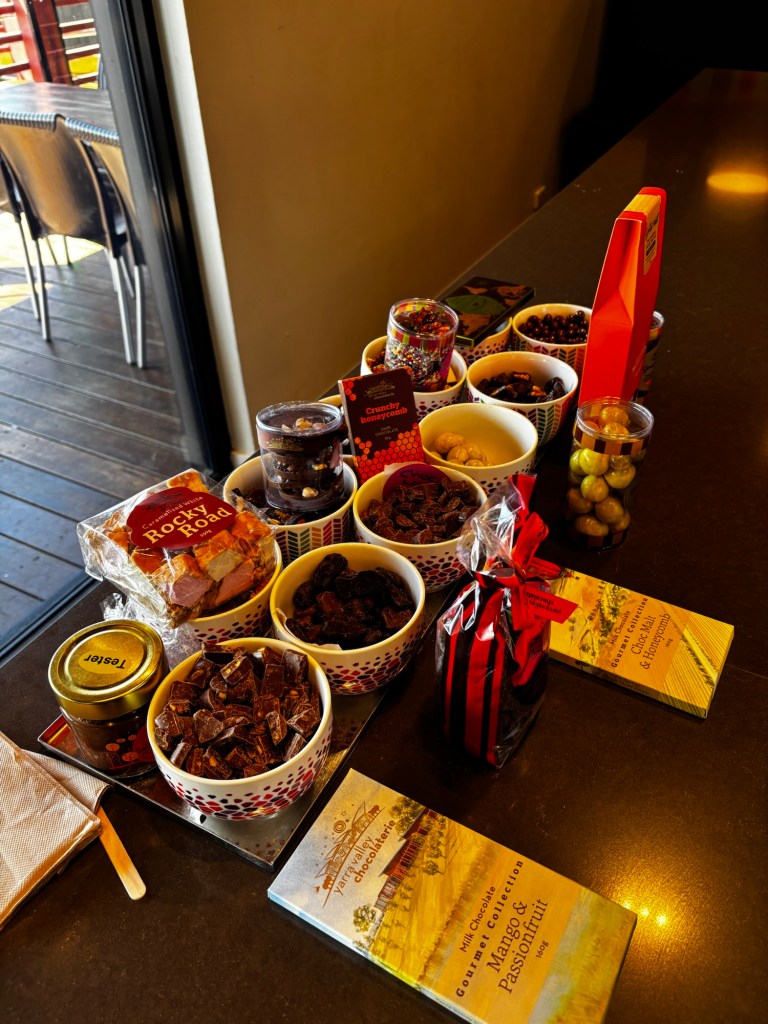
Our day also included a visit to a chocolate factory. We tasted a dozen different flavors and learned about the process of making chocolate. Excellent and delicious.

Late afternoon return to Melbourne and another day done. Our evening exploring a part of Melbourne was eye opening on how to get the most out of commercial space. That’s our next stop.

Melbourne Golf – Royal Melbourne

When first conceived as a golf club in 1891 in Caufield, there was no Royal designation. That happened in 1895 when Queen Victoria proclaimed recognition of the now Royal Melbourne Golf Club.
In 1901 the club moved to Sandringham, near its current location. In 1926 Alistair MacKenzie began designing a course on adjacent fields in Blackrock. This would become the West course. In 1931 Mick Morcom designed the East course.
Consistently ranked as the top course in Australia and amongst the top five globally, RMGC West is difficult to describe. There are many generous fairways but a miss in a fairway bunker is penal.

There are significant uphill and downhill lies adding to the length of some holes.

And, of course, the cavernous green side bunkers!

It was a true test of golf made even more challenging by the wind that sprung up. The good news was that the wind brought a “cold” front that dropped the temperature from the mid 90’s to mid 70’s which was much more comfortable.

As with most golf trips one wishes the opportunity existed to play a course a second time to both enjoy the layout while, hopefully, playing better given that little bit of knowledge. Well at least we do have a standing invitation to return.

Next up is a day of wine tasting in the Yara Valley. Oh, and a tour of a chocolate factory. With all the walking for golf (20,000 steps per day) it means we won’t have to worry about the calories. Ha!