Back To Paris

Tap on a photo to see the full size version of the picture.

We packed up and after a final breakfast onboard, said goodbye to our hosts. Peter, Wendy, Holly and Rich have provided five star service from the minute we arrived. If this type of holiday appeals to you have a look at saintlouisbarge.com

An 80 minute ride back to Bordeaux and a quick lunch adjacent to the train station. This was definitely off menu compared to the past week!

Having spent a week in the quiet solitude of the French countryside, coming back to the big city is like a slap in the forehead. Lots of people, concrete, noise and heat. The train station is packed.

We took the TVG bullet train that can reach 350 Kms per hour. The 582 km trip took 2 hours, 20 minutes. That works out to about an average of 250 kms per hour so I suspect we hit max speed at a few points.

That was quick!

A 15 minute walk to our hotel with the inevitable banging and wobbling of wheeled suitcases over curbs and cobblestones. We are staying in the 14th arrondissement (blue dot), south of the Seine River. As you can see there a many world class landmarks all around us. Unfortunately we are in and out and a full Paris visit will have to wait.

The classic architecture of Paris is so appealing.

A nice dinner at one of the hundreds of restaurants/cafes that seem to line every street. The classic police sirens that roared by definitely said we’re in Paris. A short walk back to the hotel and that was that.

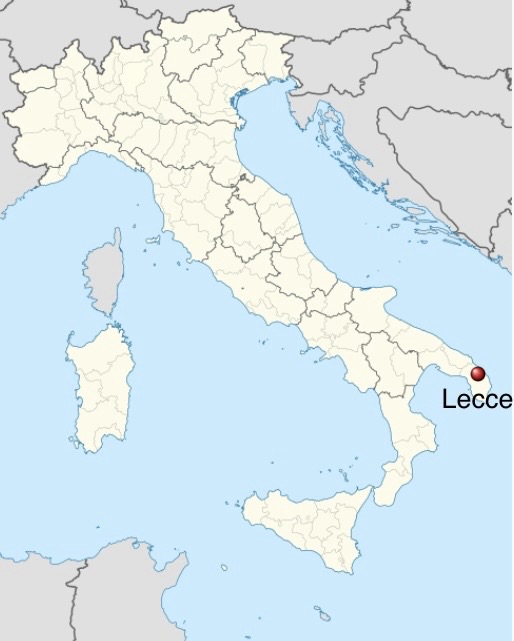
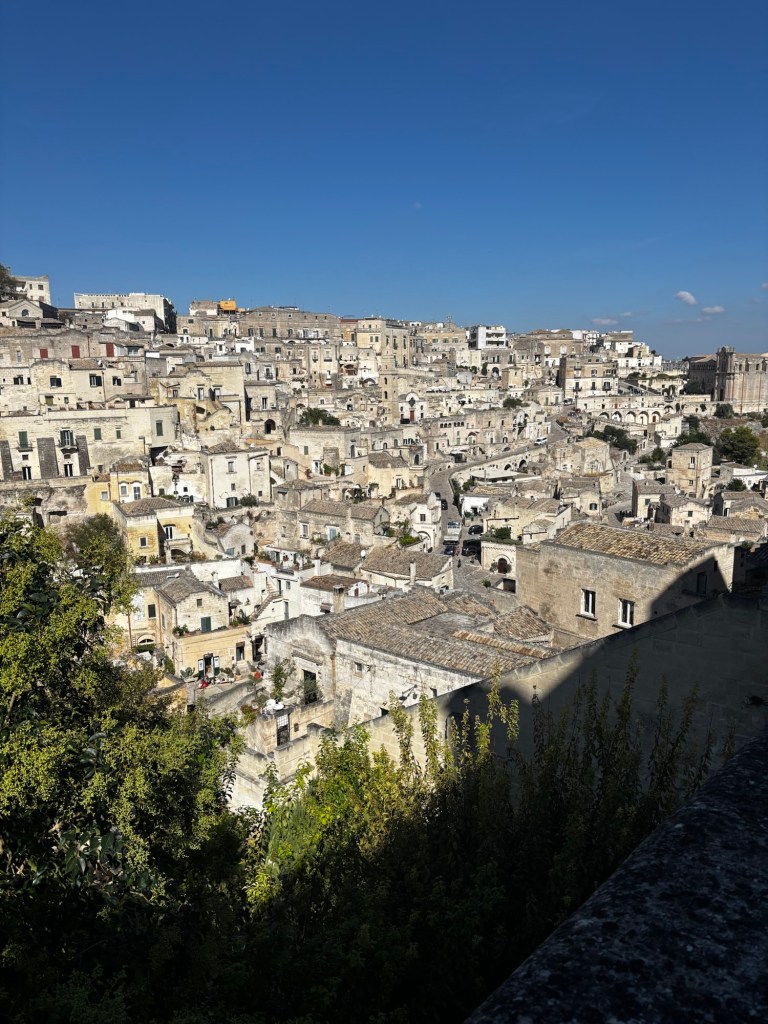
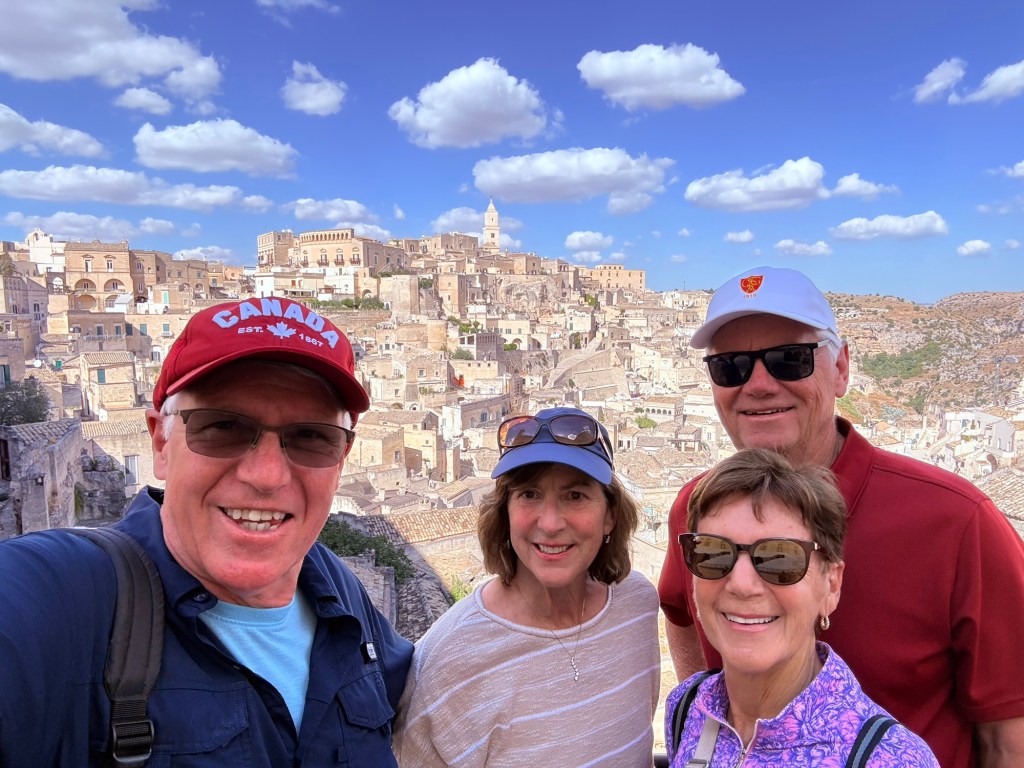
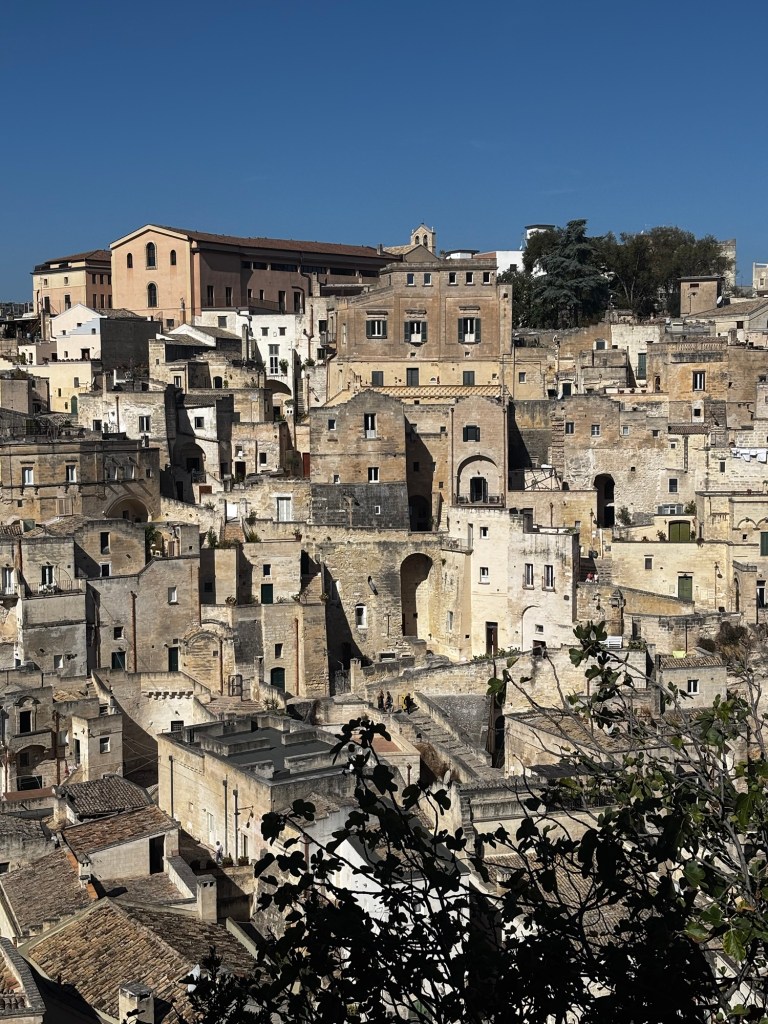
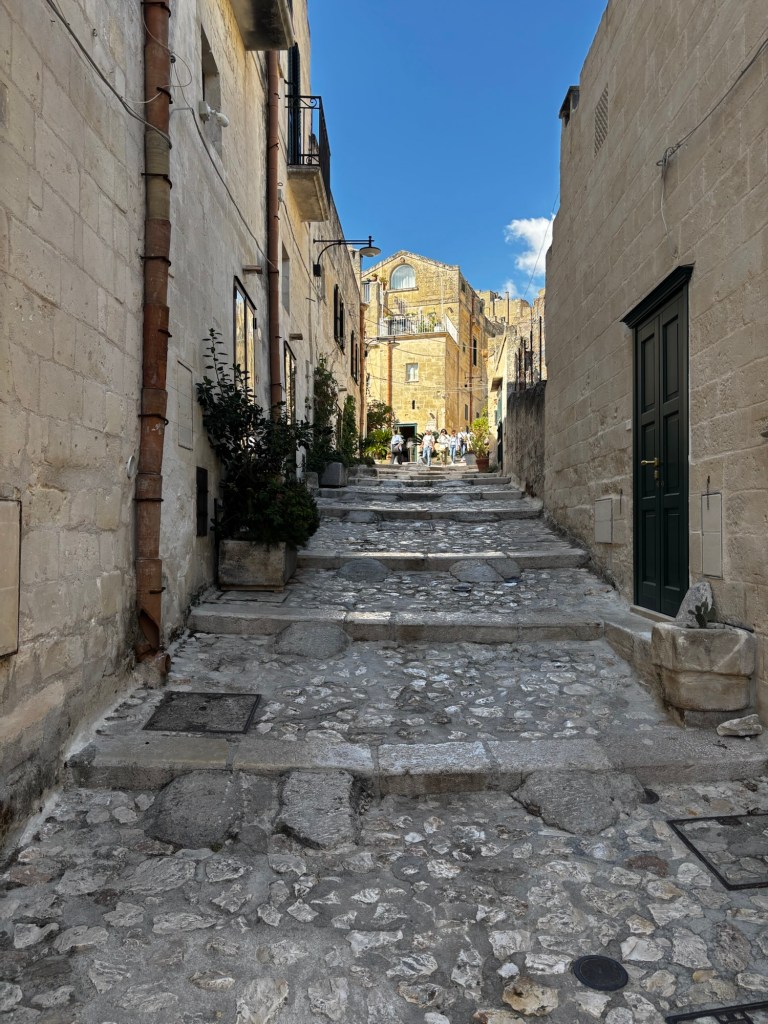
A fantastic holiday from start to finish. Now back to the real world. We do have our next trip planned – Puglia, Italy and Sicily, in the fall. Stay tuned. Until then, au revoir.

Buzet du Baise To Serignac sur Garonne

Tap on the photo to see the full picture

Our final full day on the barge started with the same relentless sunshine and heat reaching the mid 30’s C. Because numerous bridges cross the canal the large patio style umbrellas on the upper deck must be stowed meaning no shade is available. We were constantly moving back down to the salon seeking relief.

We are now 137 kms south east of Bordeaux
A short stretch with shade

Kirsten finished her amazing water colour painting.

At one point the canal crossed a bridge that crossed a river!

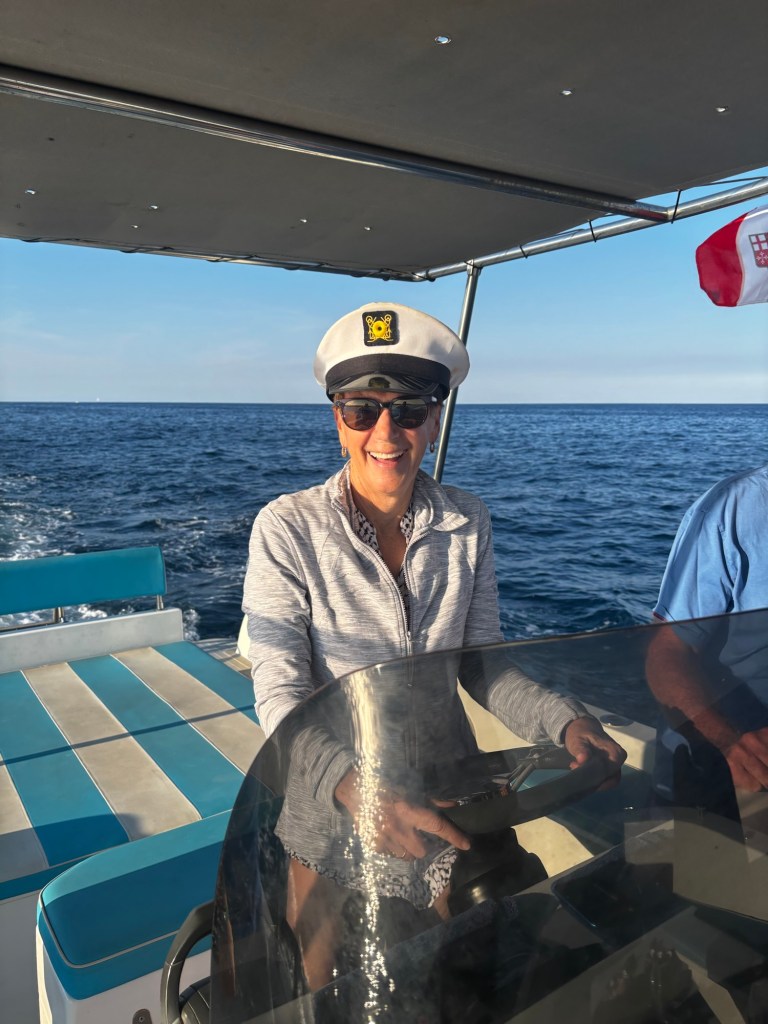
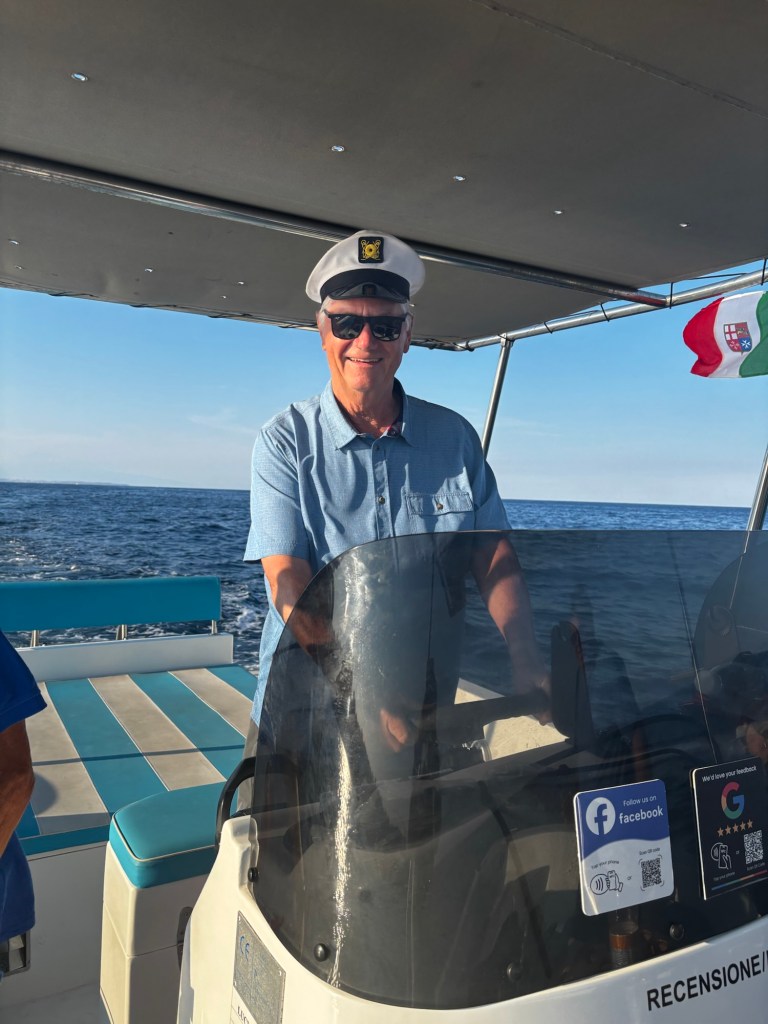
Our intrepid pilot, Wendy, safely guiding the barge under one of the many bridges.

The incomparable Chef Rich in the galley where temperatures reached 44C (111F) with the oven and stove going. Notwithstanding the heat challenges, he produced incredible meals day after day.

After lunch it was off to Chateau Arton Haut Armagnac for a tour and tasting. Production of Armagnac is limited to a very small area in France and Arton is one of the primary Chateau’s.

Our guide spent a great deal of time describing the property and how the natural terrain was ideal for the growing of different grape varietals with Ugni Blanc being their primary choice.

Our host was very keen to ensure we understood Armagnac was not Cognac and walked us through the differences in distillation methods which generate ~55% alcohol by volume (Armagnac) versus ~72% (Cognac). Last year French Cognac producers created 141 million bottles of which 97% was exported. By comparison, only 3 million bottles of Armagnoc were produced and virtually all stayed in the domestic market.

It certainly is an acquired taste.

Then it was back to the barge and more intense relaxation.

And yet another amazing meal in the salon.

Everyone is starting to slow down a bit given the heat, luxurious food and copious amounts of wine hence a relatively early night.

Tomorrow we will be driven back to Bordeaux and then take the bullet train to Paris before heading home on Saturday.

Le Mas d’Agenais To Buzet du Baise

(If viewing on a mobile device, tap on a photo to see the full image).

Another sweltering hot day awaited us as we cruised further east on the canal. The most important activity was finding shade if one wanted to be topside on the barge. The salon and bedrooms are air conditioned and delightfully cool.

We’re now 107 kms south east of Bordeaux

With four hours of sailing scheduled before lunch some of us decided to brave the heat and cycle along the towpath.

Cycling ahead allowed for bridge shots as the barge approached.

More quiet time – everyone is deep into a book delighting in the opportunity to simply relax and read. Holly, our server/sommelier, is amazing and keeps everyone hydrated (well, yes, some beverages do contain alcohol).

Pity this can’t be accessed in North America.

After lunch we were transported to the historical birthplace of the water lily in the small town Le Temple-Sur-Lot, 25 minutes away. The nursery was created in 1875 by Joseph Latour-Marliac, a French botanist searching for a way to genetically combine tropical and hardy lily species. He succeeded and grew his collection successfully enough that at the 1989 Paris World Fair (the same place/time as the Eiffel Tower was unveiled) the lily exhibition was a resounding success.

Of equal historical importance was that Claude Monet saw the exhibit and ordered a quantity for his pond at Giverny. Water lilies became the subject of his more than 200 paintings and in effect, his signature landscape.

The temperature during our visit was 38C (100.4 F) which meant both visitor and plants alike wilted. The gardens will likely be in full bloom in the coming weeks.

There are 65 cultivation pools containing over 300 varieties of water lilies.

Latour-Marliac was also one of the foremost experts on bamboo in Europe and he imported various varieties to the nursery. Some grow more than a metre PER DAY.

Back to the barge and another world class dinner by Chef Rich.

We also discovered a group favourite from Pomerol (right bank Merlot blend – exquisite!).

A late night card game illuminated by phone flashlights on the upper deck ended another wonderful day.

Tomorrow a tour and tasting at a major Armagnac producer.

Meilhan sur Garonne to Le Mais d’Agenais

We are now about 90 km south east of Bordeaux

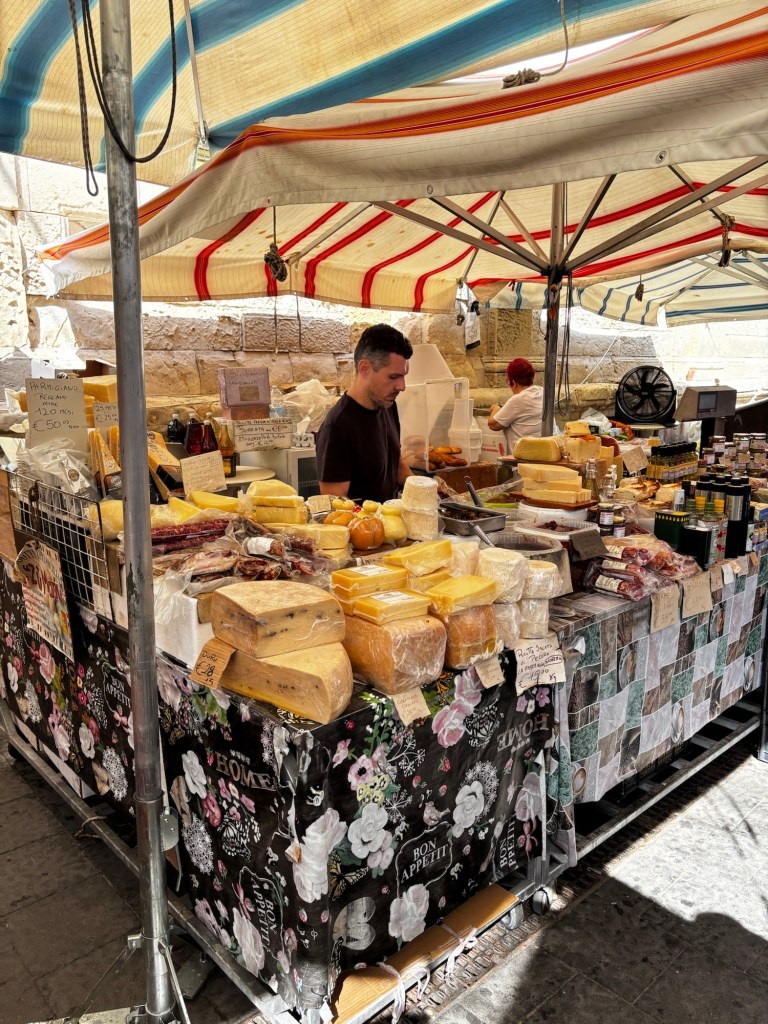
After a leisurely start to the day we split up and four of us headed to Casteljaloux and the local farmers market to buy cheese. Mo stayed behind and did a 15 km cycle loop along the tow path while Sean attended to some work needs.

Big cheese wedges were for photo only. We chose 9 different types for our onboard upcoming evening cheese trays

Casteljaloux is a relatively small town known for its strawberries, tomatoes and thermal baths in addition to being a source of amazing cheeses.

Mo taking a bike selfie?

Once we all returned to the barge it was time to set off down the canal towards our next mooring at Le Mais d’Agenais, four hours away. That meant lots of time onboard to relax with a book or simply watch the world go by.

The tree lined canal provided some welcome shade from the sun

During one stretch, Allie took on the role of pilot and managed quite admirably.

Then it was back to the hard work of relaxing.

Chef Rich continues to amaze with his canapés, entrees and deserts. And Peter matches wines with every meal. Can you say spoiled?

Tomorrow morning we will move further along the canal then travel overland to the village of Temple sur Lot and visit the Lily gardens founded in 1875 that inspired Monet’s famous paintings.

Canal Cruise & Sauternes

We set off from our overnight mooring at Castets et Castillon and began cruising eastbound (up river) along the canal. Estimated travel time was four hours to travel about 20 kms.

The speed of the barge is very sedate and there are multiple stops to traverse locks along the way.

Mo and Mark chose, at one point, to walk on the old tow path beside the canal and easily outpaced the barge. That afforded the opportunity to take pictures from one of the many bridges as the boat approached.

Peter, Holly & Wendy – 3/4 of our crew (Chef Rich was in the galley)

A fairytale setting.

Lunch on the upper deck once the barge docked in Meilhan sur Garonne proved to be another feast. Chef Rich has produced amazing food at each meal.

Into the van after lunch for a 40 minute drive back towards Bordeaux but this time staying south of the city and west of the Garonne River. Our target was the Sauternes region, makers of white wine using the Semillon, Sauvignon Blanc and Muscadelle grapes.

Sauternes are unique as the grapes are deliberately allowed to be affected by Botrytis cinerea, also known as noble rot. The impact is that much of the water evaporates from the grape leaving a sweet, concentrated residue.

Picking must be done by hand and each cluster is visited at least four times during harvesting as grapes are chosen individually. Obviously the result is very high labour costs.

The Sauternes region classification system is similar to the left bank appellation process of 1855 but while red wines from the Medoc and Graves were placed into five levels, the sweet white Sauternes and Barsac wines were classed into only three. A single vineyard, Chateau d’Yquem, was awarded Premier Cru Supérieur status. Premier Cru (11 wineries) and Deuxièmes Crus (14 wineries) complete the list – which hasn’t changed in 171 years. Chateau d’Yquem’s exalted status means its least expensive vintages start at about $575 CDN and go into the stratosphere.

We requested to see this legendary winery so our driver pulled into the Chateau d’Yquem estate where we wandered the grounds for a few minutes.

Across the road is Chateau d’Arche where we headed for our tour and tasting.

One of three estates within the Sauternes region that was rated second growth in the Classification of 1855 (the other 11 are in neighboring Barsac), Château d’Arche wine production goes back to 1733. A young hostess explained the history of the region and winery and took us through the facilities describing the intricacies of how Sauternes are made.

The tasting covered various vintages that also differed by sugar content. Each glass was accompanied by a small snack whose saltiness or flavour dramatically impacted the wine’s taste.

Sauternes are definitely unique and, paired properly with cheese or desserts at the end of a meal, have a place in the wine world.

Back to the barge and a 100 metre walk from the canal to the Garonne river for a quick dip to offset the hot weather. Due to an extremely powerful current, proper swimming wasn’t possible.

More glorious wine with dinner at the end of another great day.

Tomorrow is a visit to a local village where we will be hosted by a cheese monger to learn about the multitude of fantastic cheeses.

Saint-Emilion

(If viewing on a mobile device tap on a photo to see the full image)

As the Old Course in Scotland is to golf, one might consider Saint-Emilion one of the centers of the wine universe. Being east of the Dordogne River, it is part of the Right Bank of the Bordeaux region.

After a solid first night on board the barge we set off in the van under a blistering hot sun and absolutely cloudless, hard blue sky for the 45 minute drive north. Rule one of embarking on a day of wine tasting – have the host drive! Our route traversed mile after mile of vineyards. In all directions as far as one could see, field after field of vines.

Endless Vines

Saint-Emilion is both a region and a town. The region contains eight towns, 13,000 acres under cultivation and 800 wineries. Unlike its equally famous neighbours on the left bank of the Garonne River, the classification of wineries is much simpler, started 100 years later (1955) and is updated every 10 years.

There are four levels in the Saint-Emilion classification system: Premier Grand Cru Classe A (2 wineries), Premier Grand Grand Cru Classe B (12), Grand Cru Classe (65) and Grand Cru (hundreds). Despite our best efforts we managed to experience “only” 13 different vintages during the day.

First stop, Chateau Grangey, a small (8,000 – 15,000 bottle) producer.

Our host took us in amongst the vines and explained the different grape varieties and farming techniques.

From bottom to top – Malbec, Merlot, Cabernet Franc

We moved indoors and learned the sequence of field to bottle including the impact of barreling and time.

Then on to the matter at hand. Tasting!

Different combinations of Merlot & Cab Franc along with different vintages (2022, 2014, 2021, 2023, 2022)

After tasting five solid pours we all agreed the limestone influenced, Merlot dominated wines of Saint Emilion lived up to their reputation.

Back in the van for a quick trip into the town of Saint-Emilion itself. Built on a limestone plateau the stone was quarried extensively for centuries resulting in nearly 100 kms of galleries on four superimposed levels underneath the entire town. Meanwhile, above ground……..

Lunch was superb and presented another opportunity to taste different wines. Because white wines are not produced in the region we were “forced” to try an “import” from the Graves region south of Bordeaux while the red was a very sold local product. Both two thumbs up!

After lunch we had a chance to wander the town which lead to Mo having a retail moment.

Off again into the breech for more tasting at a wine distributor in the town. Our young host took great pride in giving us a real cross section of wines that teased our olfactory and taste senses to the max.

We so enjoyed the wine an 18 bottle case of different vintages split equally amongst the three couples will be winging its way to North America.

Somehow we managed to wobble our way back to the van at the end of the afternoon and headed back to the barge where a rest period helped.

Then of course, we were treated to another Michelin star worthy dinner. The photos on the website (saintlouisbarge.com) under the culinary heading do reflect the creativity we’re enjoying.

Tomorrow we will cruise along the canal for four hours before doing another overland trip into the afternoon, this time to the Sauterne region.

Bordeaux to “The Barge”

The city of Bordeaux is experiencing a heat wave.

We are the beneficiaries. Under the direction of a young tour guide from Germany by way of university in Bordeaux with a year in New York city to learn English we walked for two hours learning the history of the city while seeing many major landmarks.

The main cathedral
The adjacent tower built to accommodate the cathedral’s bells

The city has undergone a dramatic change in the past thirty years. The civic government took bold steps to have landlords clean the exterior of buildings which produced a dramatic improvement.

The next step was to create a pedestrian only section of the city to encourage tourist related services.

It worked beyond expectations. Now the city centre is full of tourists, restaurants and retailers. It was hopping early on a Saturday morning!
The history of the city is interesting and based in large part as a hub of the slave trade in centuries past.

Neo classic architecture abounds.
Centuries old buildings and monuments abound.
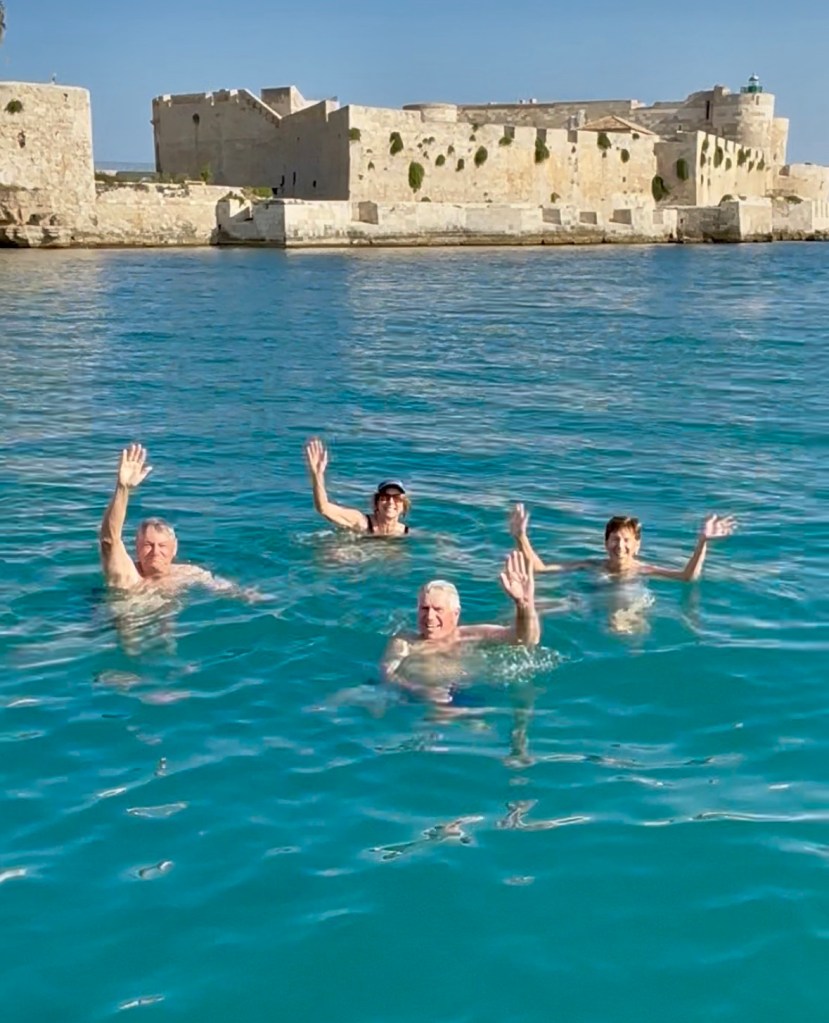
One final meal on the square.

The second part of our adventure began with a 45 minute ride south east to the start of the locks on the Garonne River.

The Saint Louis Barge is a luxurious hotel on the water. It accommodates up to six people in three bedrooms so we are the guest list (you must charter the entire vessel). A crew of four (pilot, hostess, chef and sommelier) are here to address any and all requests.
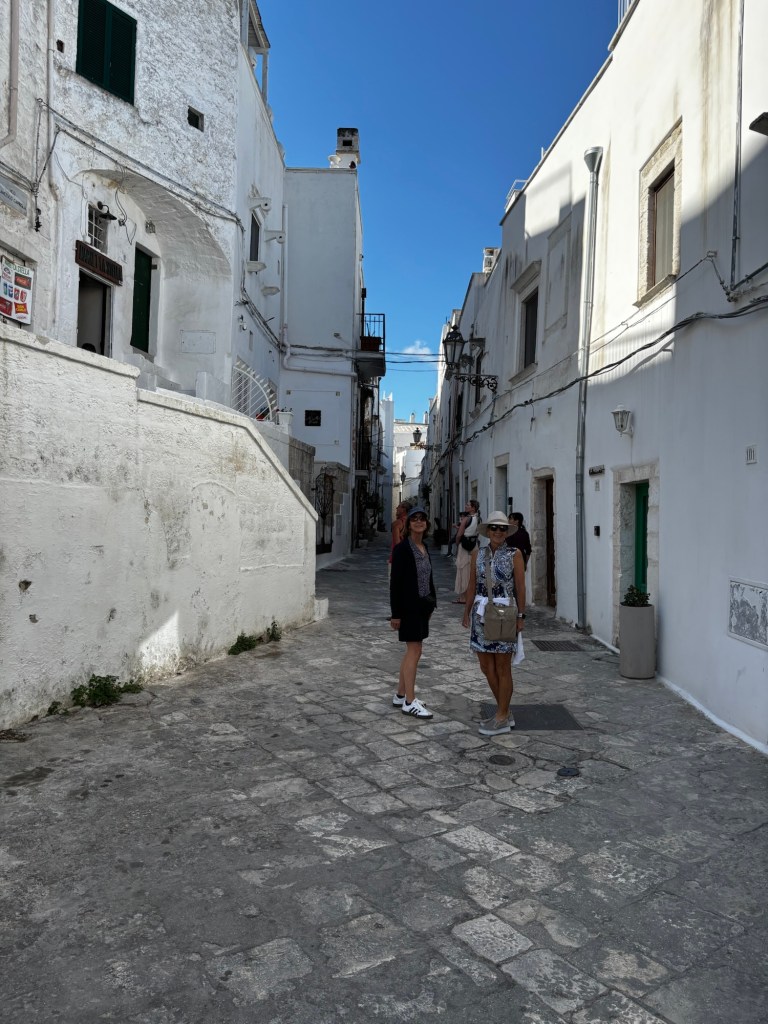
We will be onboard for the next week travelling along the canal as well as overland side trips to various wineries and local sites.
It’s going to be a tough week. After a champagne welcome (3 bottles) we were treated to an extraordinary four course gourmet dinner.

All in all a fabulous introduction to this phase of the holiday. Tomorrow we will travel overland to Saint-Emilion for a full day of visiting wineries and enjoying different tastings of their celebrated vintages. Thank goodness we are being chauffeured!

Normandy To Bordeaux

(To see each picture in full, tap the photo if reading on a mobile device).

An early start as there were lots of highway miles to come. First stop: Mont Saint-Michel, 125 kms to the south west of Caen

The Abbey at Mont Saint-Michel is World Heritage site and iconic landmark in this corner of Normandy. It sits on a 17 acre island, one kilometer offshore at the mouth of the Coueson River. The tides, which formed the basis of its defenses for centuries, vary greatly, at roughly 14 metres (46 ft) between highest and lowest water marks.

This is the second most popular tourist attraction in France after the landmark structures in Paris. Over 3 million people make the trek annually.

Construction began in the early 8th century and much of the original stonework remains in place. It is an architectural masterpiece.

We walked part way to the start of the estuary (the full hike takes about 40 minutes) and realized a proper visit would take much of the day, time, sadly, we didn’t have available. The angle we reached doesn’t show the true picture so the following photos were “adopted”.

A causeway rebuilt and opened in 2014 now accommodates special buses (the car parks are a mile inland) doing away with the old fashioned method of “getting across”.

We headed south to our final destination of the day, Bordeaux. I would like to describe the countryside but whether by design or simply Mother Nature, huge stretches of the highway were hemmed in by trees and hedgerows. At times it was like driving in a green tunnel.

Bordeaux is where Matt, Kirsten, Allie and Sean will join us for a week of cruising the canals adjacent to the Garonne River. More on that later.

The city is incredibly vibrant, at least as the evening approaches on a Friday night. The central zone, which is massive, is pedestrian only and packed with restaurants, bars and people.

We had a great family dinner in (on?) a sidewalk restaurant with each couple recounting the days they had spent in France thus far.

A walk down to the river capped off the evening. Even there the crowds were significant, all enjoying the unseasonably hot weather (30C).

Tomorrow a walking tour of the city before meeting the barge crew mid afternoon.

Normandy – 1944 Revisited

The coast of Normandy has a place in history that hopefully will never be repeated. It provides an awe inspiring memorial for those whose allegiance was to the victorious allied forces that came ashore on June 6, 1944 – D Day.

The numbers are simply staggering. Between the Canadian, British and American forces, approximately 139,000 soldiers landed on one of five beaches. On day one of the invasion nearly 5,000 allied lives were lost while thousands more were wounded.

Our first stop was the Canadian Military Cemetery located in a small woodlot named Beny-sur-Mer which is near Juno Beach which, in turn, is in the community of Courseulles-sur-Mer. But first we had to navigate narrow, hedge lined country lanes with the inevitable stone wall shoulders to get there. Shades of driving in Ireland!

The Canadian cemetery was immaculately maintained with beautiful flowers and bushes beside each gravesite. You could walk amongst the 2,049 headstones and read names, ages, hometowns etc. A major impression was how most were overwhelming young.

Fortunately (or perhaps sadly) we were two of very few people on the grounds. The quiet was deafening on a sunny, windless day in total contrast to 82 years ago.

The museum on Juno beach was our next stop. Fronted by an arresting sculpture the museum told the story of the Canadians landing in vivid detail using storyboards, videos and artifacts. Extremely educational.

We walked along the beach itself trying to envision the utter chaos that occurred on those sands. Simply impossible.

Back in the car for a drive along the coast to Arromanches next to Gold Beach, site of one of the two beaches where British forces landed. The waters offshore contain the remains of old ships sunk deliberately in 1944 to create a breakwater and concrete caissons used to build a floating pier used to offload heavy equipment. It proved critical to the allied cause.

Darn tourist blocking partially sunken caisson.

Next stop was further west at the American cemetery at Omaha Beach. The site is an extremely popular tourist stop and even in mid May, somewhat crowded.

A large bronze sculpture called the spirit of American youth rising from the waves stands at the edge of the cemetery.

There are also huge wall murals showing the different concentrations of troops spread across the coast as well as post landing thrusts further south.

The cemetery contains 9,389 graves, each marked by a white marble cross. The grounds are pristine and the marble shone brightly. The headstones stretch as far as one can see. Walking amongst them is not permitted but there are central pathways.

The inability to get close to and read the headstones meant the atmosphere was completely different from the Canadian cemetery albeit not in a negative sense. Just different.

The information centre provided a detailed breakdown of the timing each component of the operation was to follow and the massive logistical challenges encountered. It’s not hard to comprehend the why, where and when. It’s almost impossible to understand the how.

Our journey continued further west to La Pointe du Hoc which has been maintained, somewhat, as a site with massive German gun placements and hundreds of large craters, the result of aerial bombardment. Again one wonders just how the allies managed to achieve their goals when you see the terrain and array of defenses.

Looking west towards Utah Beach and east, back towards Omaha beach are magnificent cliffs that US Rangers somehow scaled. Unbelievable.

Our day ended with a late dinner in Bayeux and time to try and absorb what we had witnessed throughout the day. It’s one thing to read about D Day or see a film. Standing on the actual site deepens the appreciation of what transpired and the costs therein.

Tomorrow the Abbey at Mont Saint Michel (if the tide is out when we arrive) then we turn south for the long drive to Bordeaux and part two of our adventure.

Getting There

A last minute decision to upgrade meant full lie down pod seats on Air Canada. That’s all well and good except when dinner is served at 10:15 p.m. and you’re woken up at 2:30 a.m. body time for breakfast, even snatching a few hours sleep with pillows, blankets and special headphones gets undone.

Landing in Paris midmorning we walked a couple of kilometers at Charles de Gaulle airport to the rental car building only to be told we were early and would have to wait 50 minutes until our prepaid contract started. Apparently the system can’t print a contract outside the agreed to time range and given it was prepaid, we had to sit and wait. At least they gave us an upgrade at no extra charge.

Finally away and after doing two loops of the same exit/entrance ramp (hey, the car in front of us started off on a third go round) we found the correct highway. The car is very comfortable but has an annoying habit of constantly chirping and binging warning messages for no apparent reason to pay attention and drive carefully. Reading the messages at 130 kph in French, in small font, on the dashboard is probably much more likely to cause an accident than any bad driving habits. Oh, and once every half hour, we think, there was an extremely loud gong without any accompanying message.

An easy journey past Rouen to Caen through unremarkable farmland and rolling pastures. Given the calmness and intermittent sunshine it was impossible to envision the area as a theatre of war.

Upon arrival in Caen we spent 2 1/2 hours touring the Caen Memorial History Museum. Dedicated to the Second World War, it is organised chronologically, beginning with the aftermath of the First World War in 1918 and concluding with the surrenders of Germany and Japan in 1945.  It was filled with exhibits, videos and artifacts that really present a detailed story. The hand held audio machine was priceless.

Notwithstanding the great history lesson our long night/day caught up to us and when we both started to nod off in one film auditoriums it was time to go.

Tomorrow is a tour of the main Normandy beaches, museums and military cemeteries.