Bikes And Relax

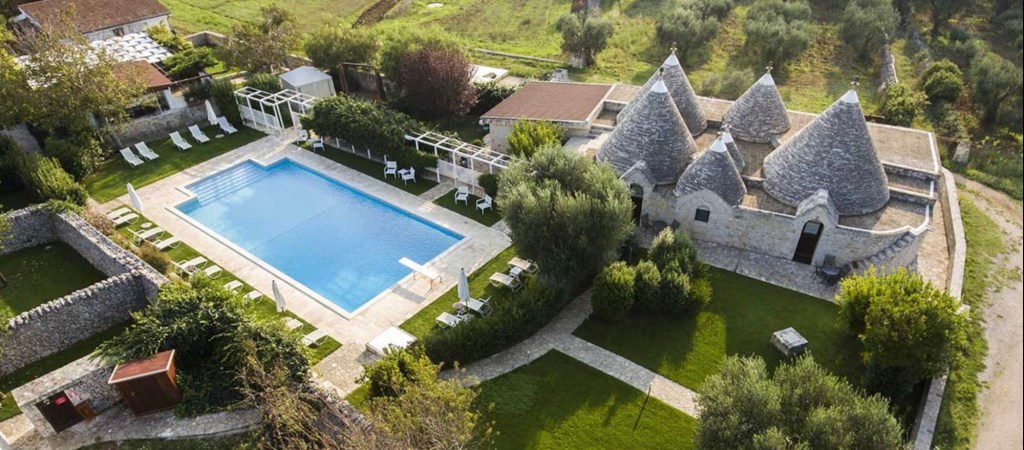
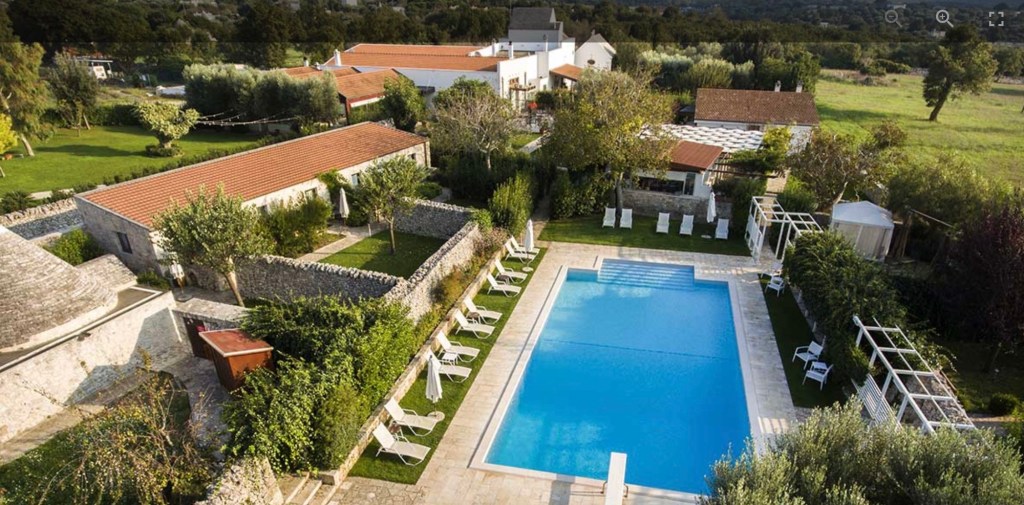
We are staying in a unique property in the country five kms south of Noci. Abate Masseria appears to have been a farm that was repurposed to a very nice hotel set in the rolling farmland.

There are eight guest rooms including those in the trulli. Their primary business, though, seems to be large celebrations given its extensive dining hall. On a lovely Sunday afternoon a wedding celebration is in full swing.

(If viewing on a phone tap a picture to see the full image).
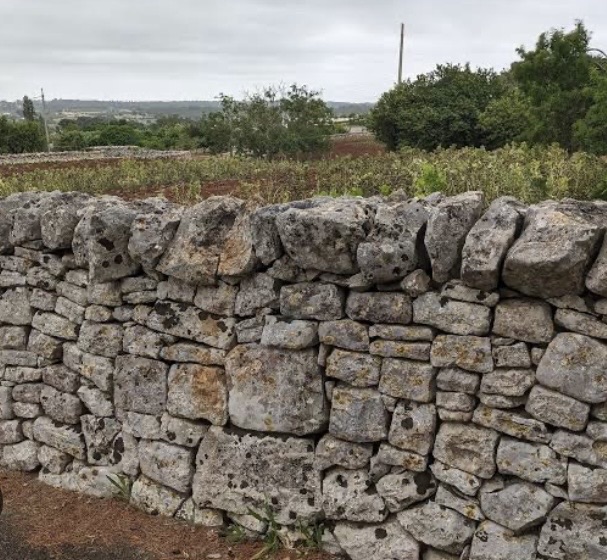
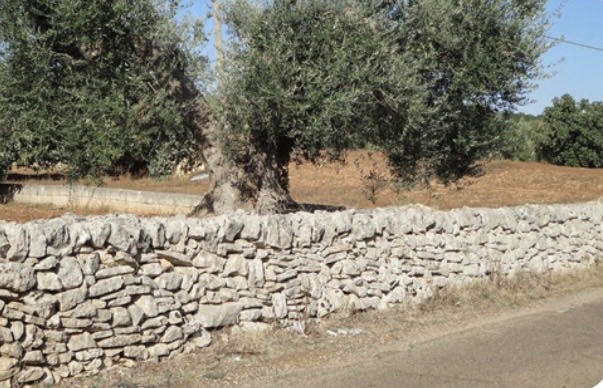
Our 20 minute drive to Martina Franca involved winding roads hemmed in by stone walls. In fact, in Puglia, stone walls are everywhere. One can only imagine the labour and time expended to create them. The walls cover the landscape in all directions.

These traditional mortarless structures built from local limestone, known locally as dry-stone walls (muretti a secco), are recognized as a UNESCO World Heritage cultural art.
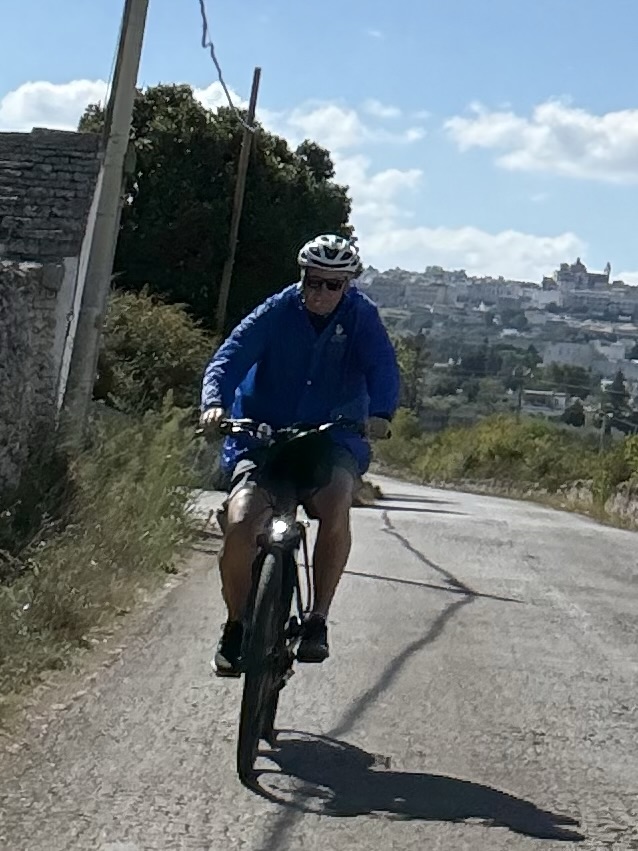
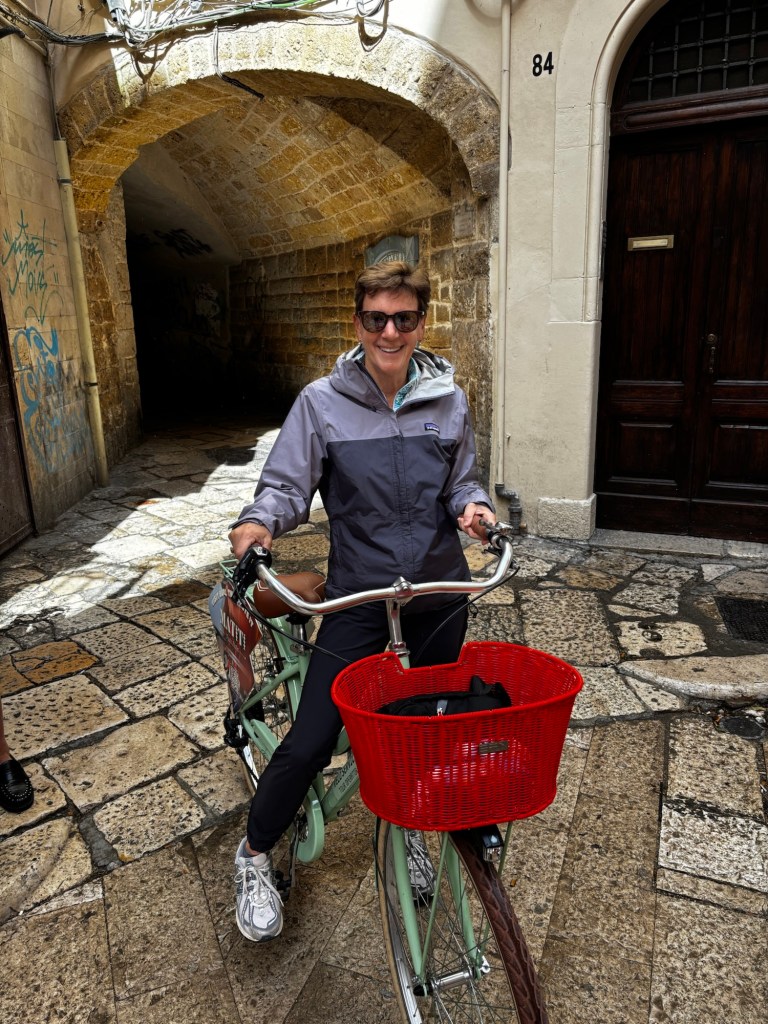
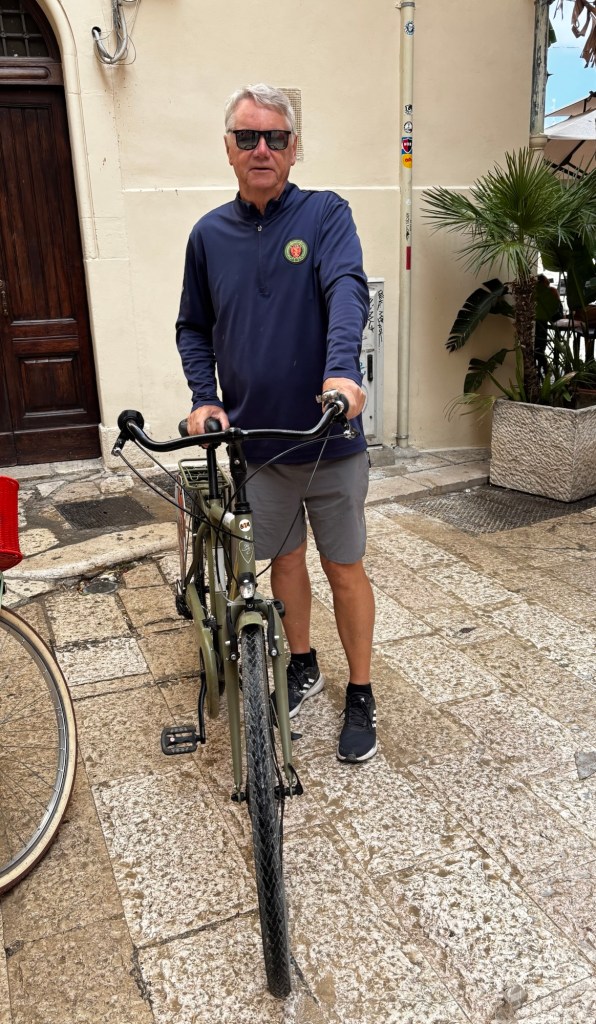
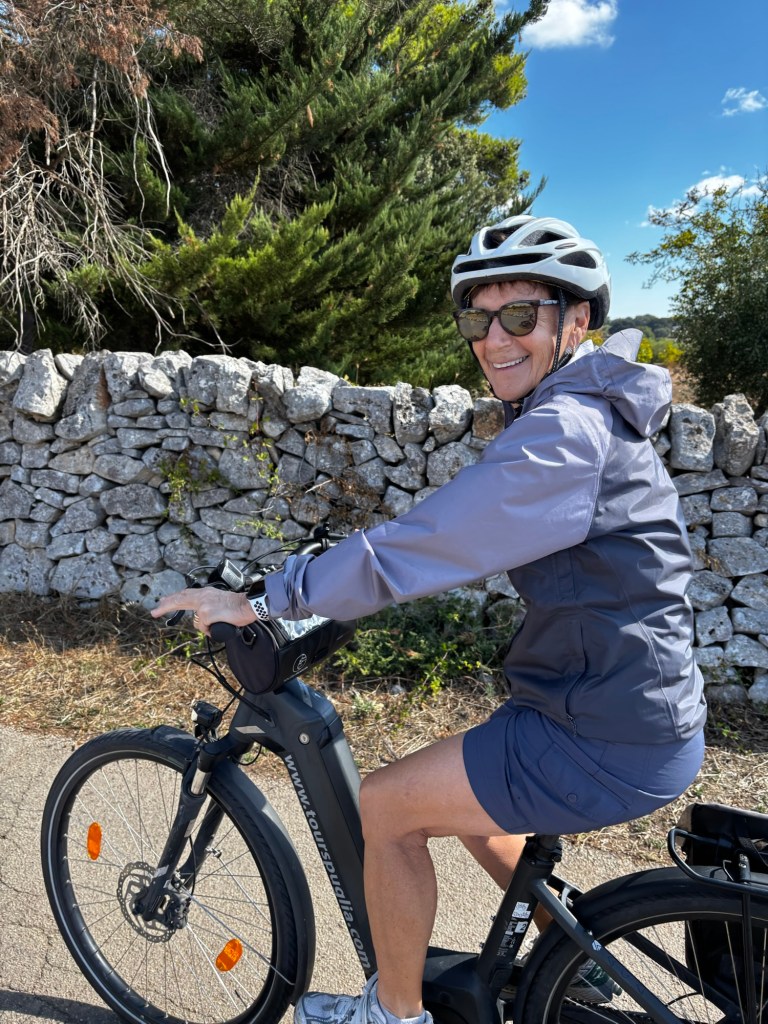
We met the other cyclists (2 Canadians, 2 Belgians) while our guide, Rocco, described the specifics of our E-bikes (the turbo feature was particularly appealing).

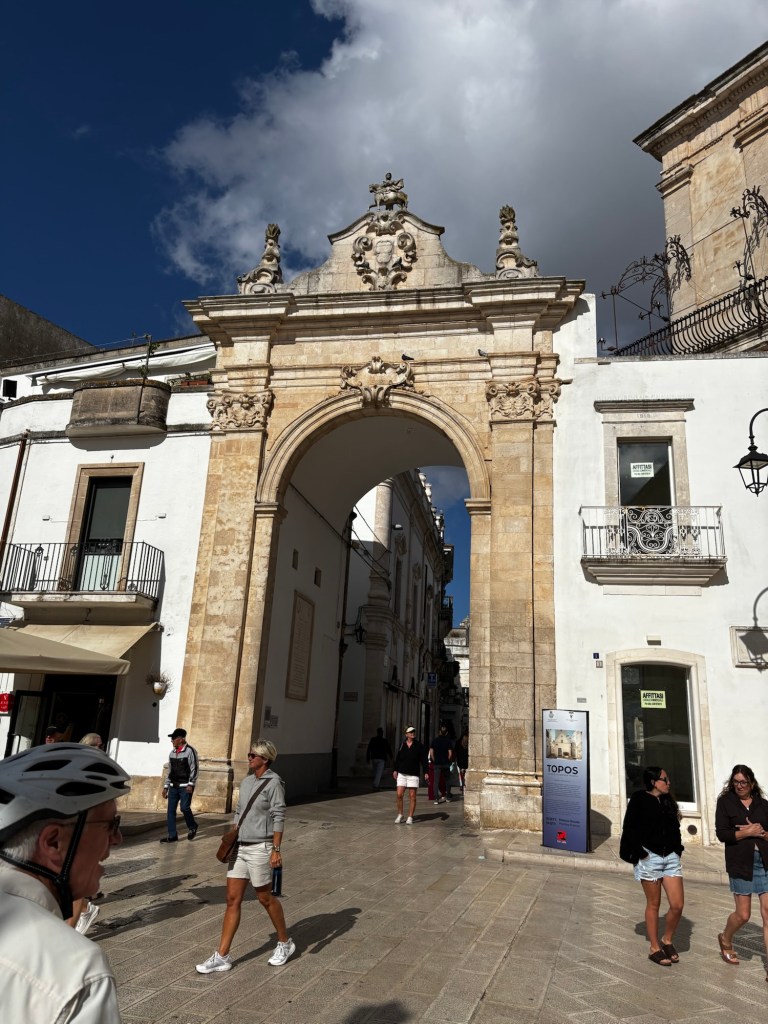
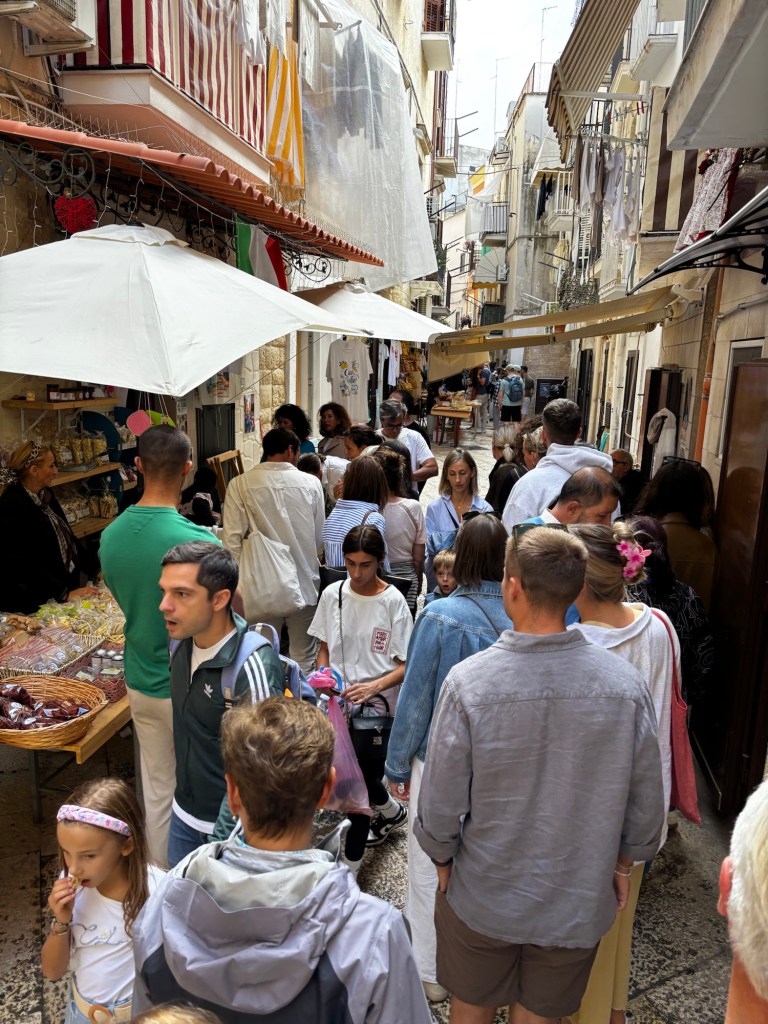
Then we ventured into the old town of Martina Franca (Saint Martin, Franca = free, i.e. no taxes). Again, no street(?), laneway(?), alley(?) is off limits to pedaling down towards blind corners and innocent pedestrians.
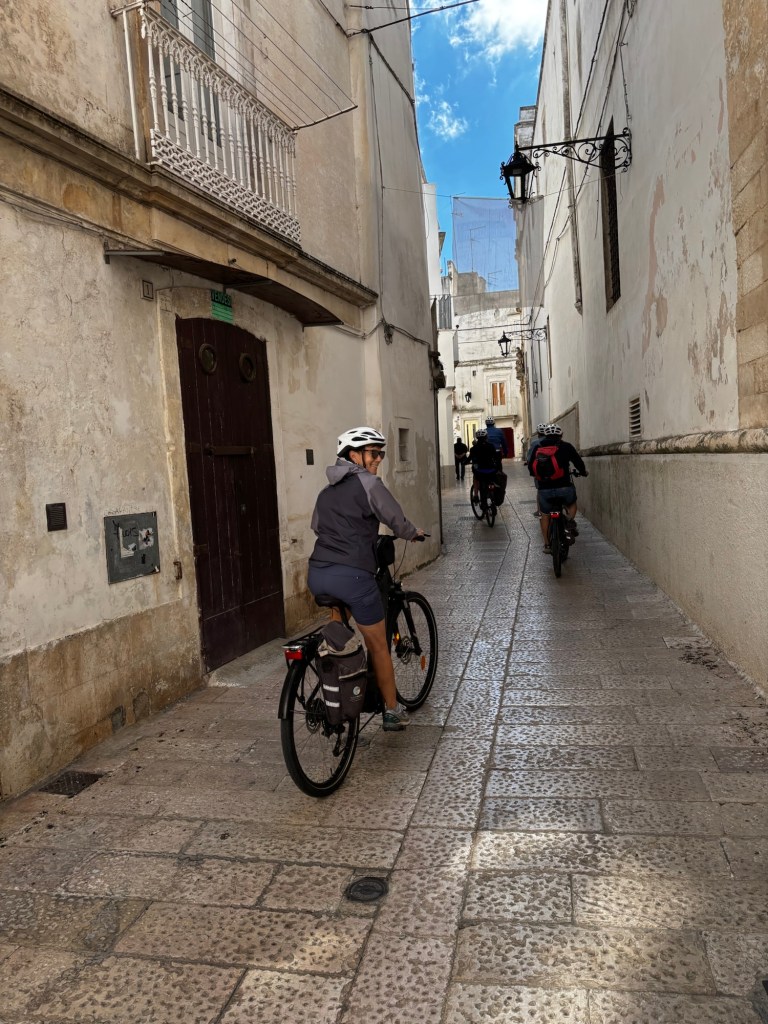
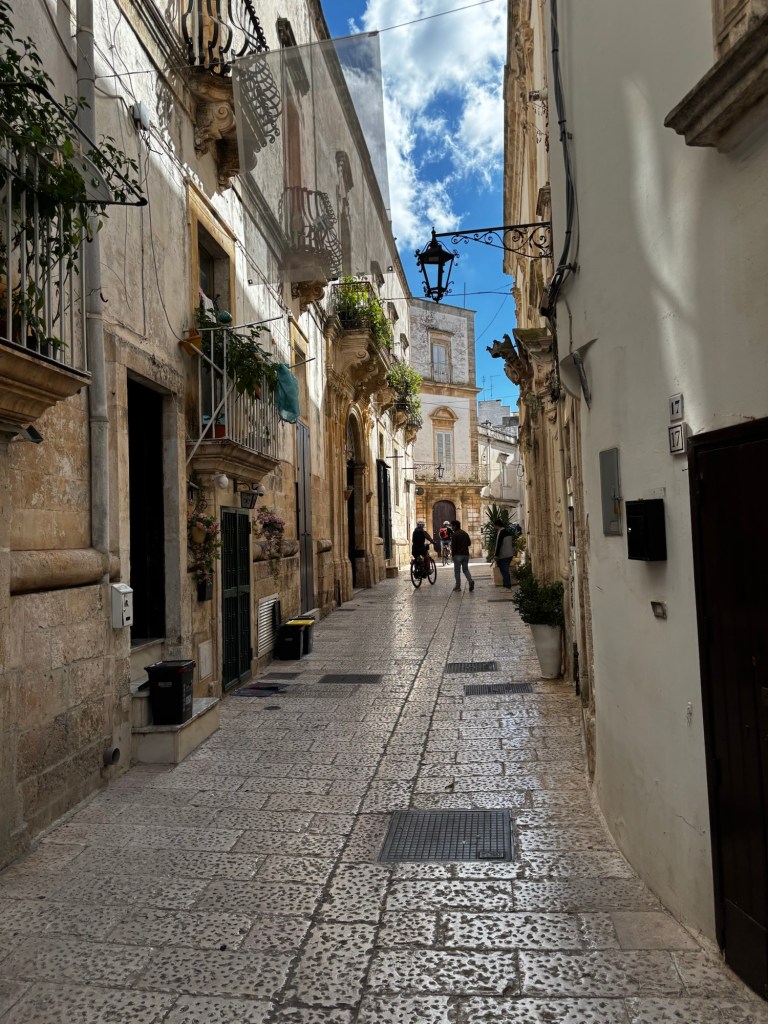
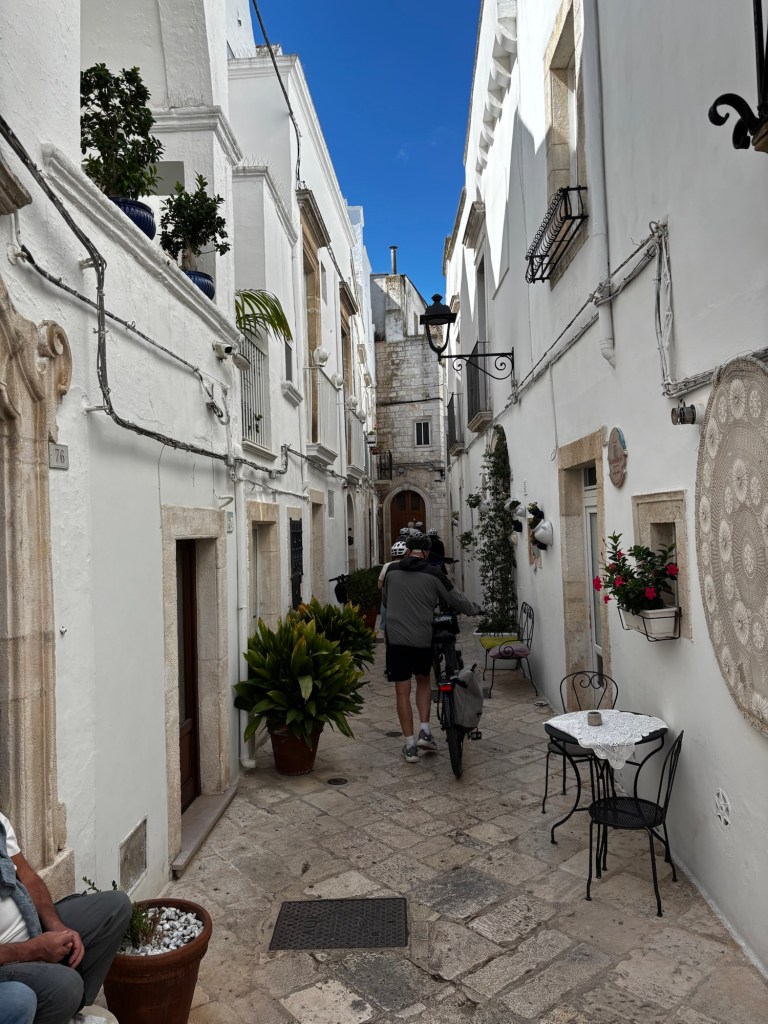
Some were simple too narrow and we were asked to walk our bikes through those sections.
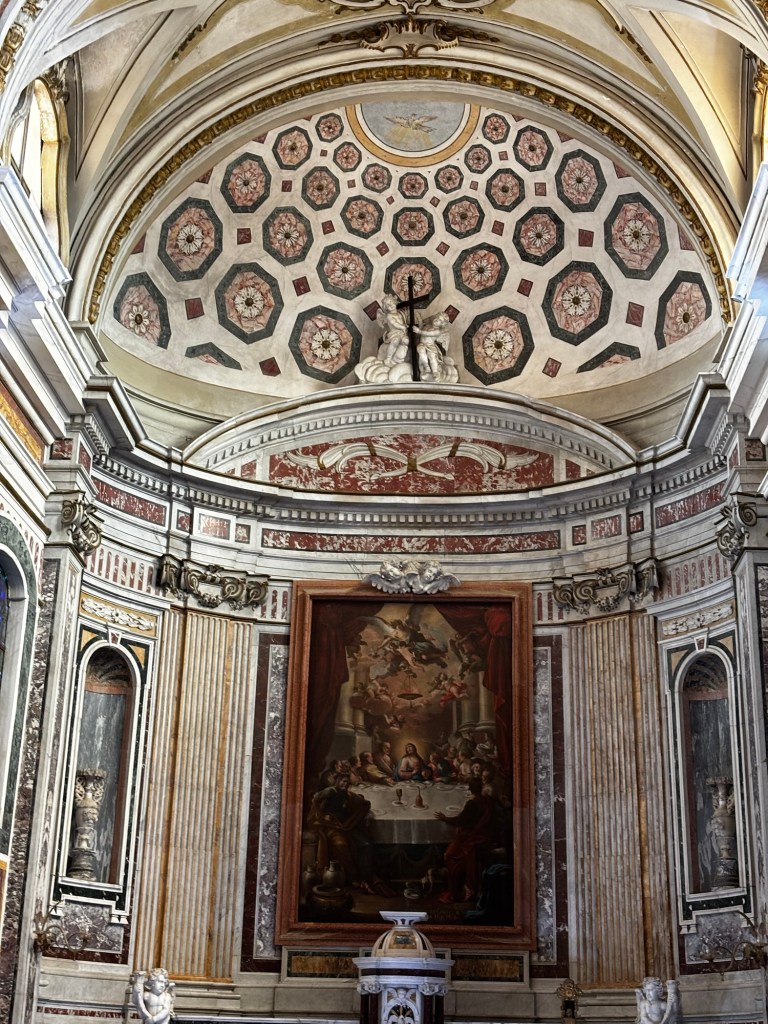
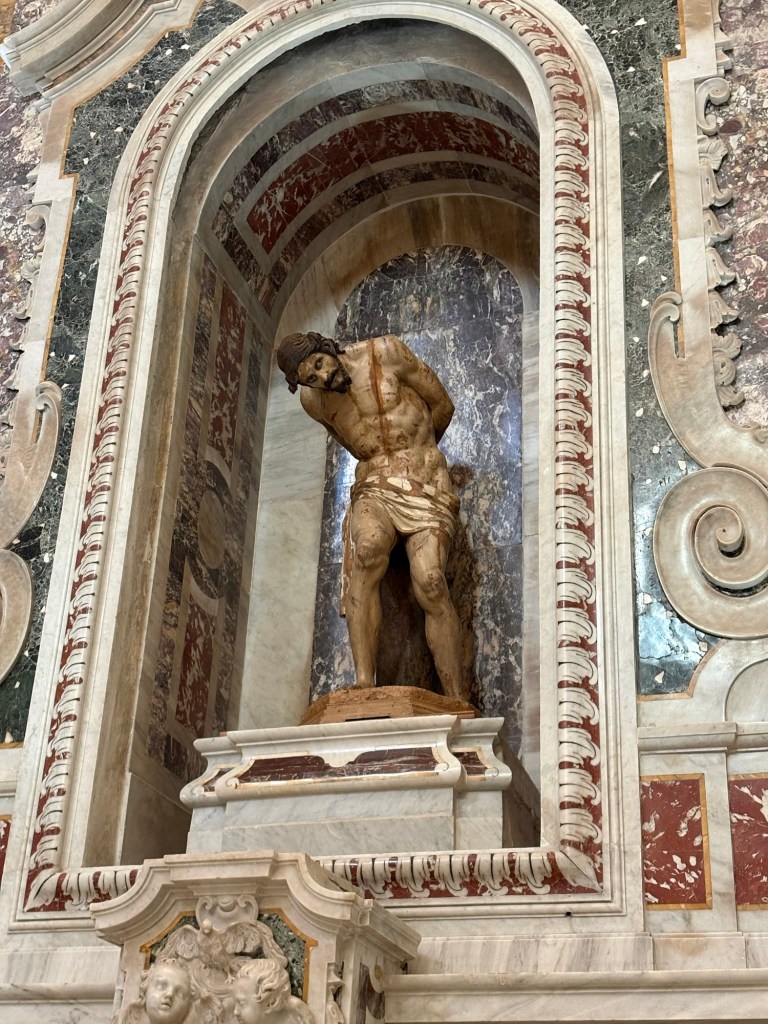
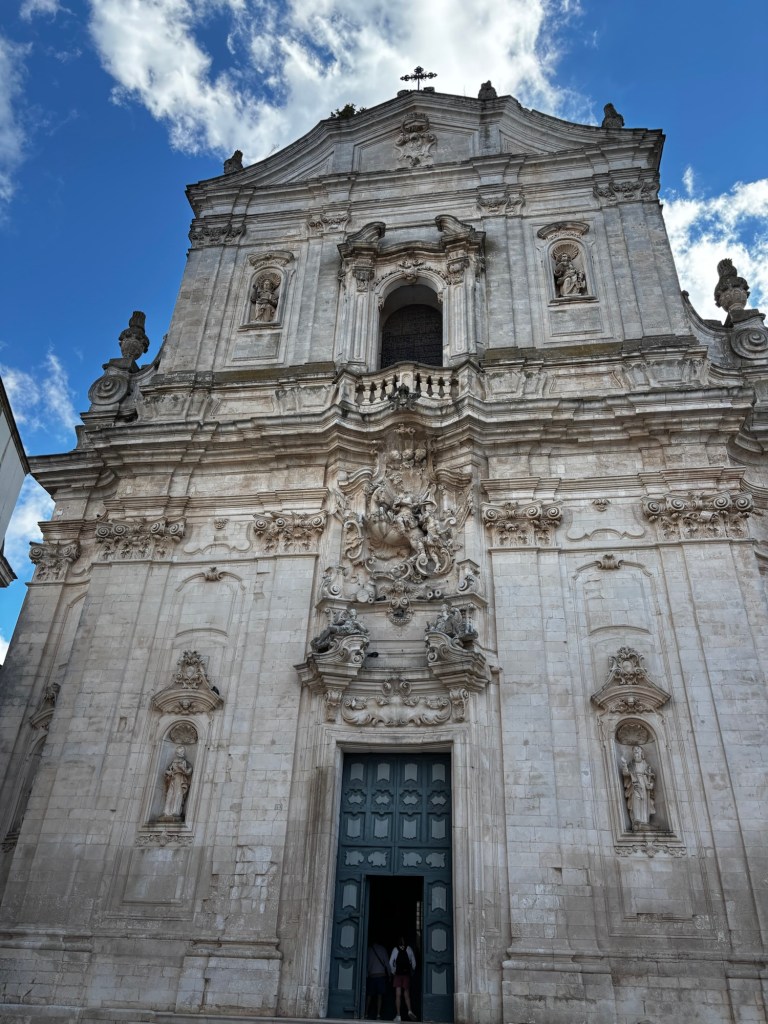
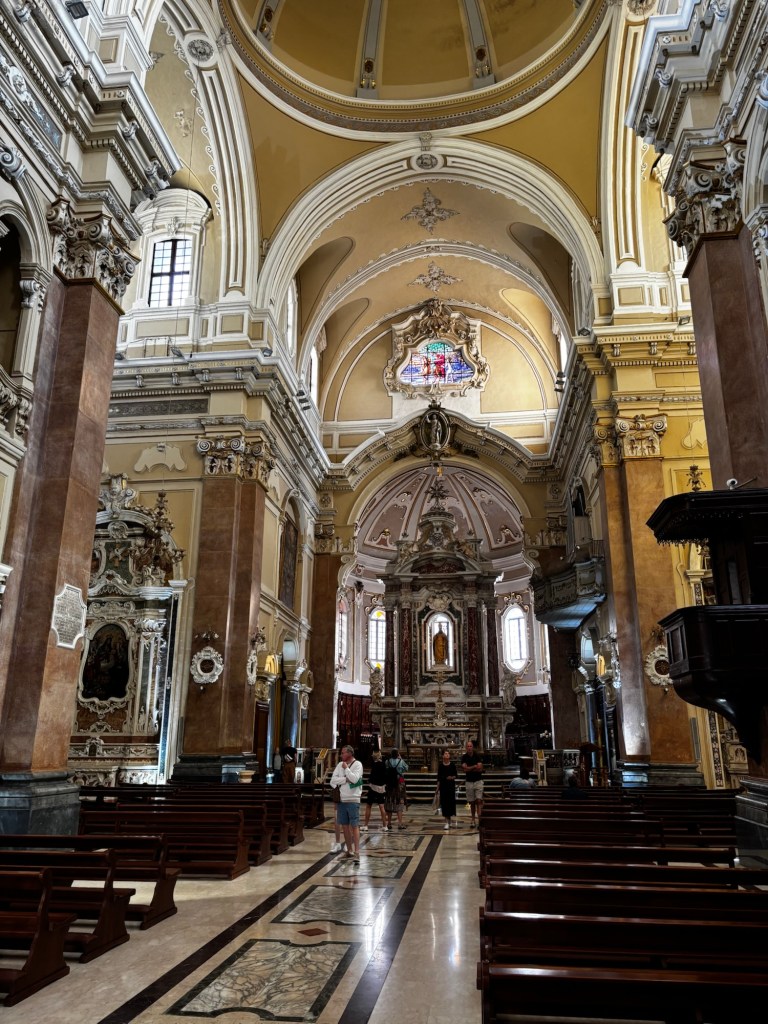
Rocco was extremely informative regarding local history, architecture and religious features in various buildings and churches. The basilica was stunning.
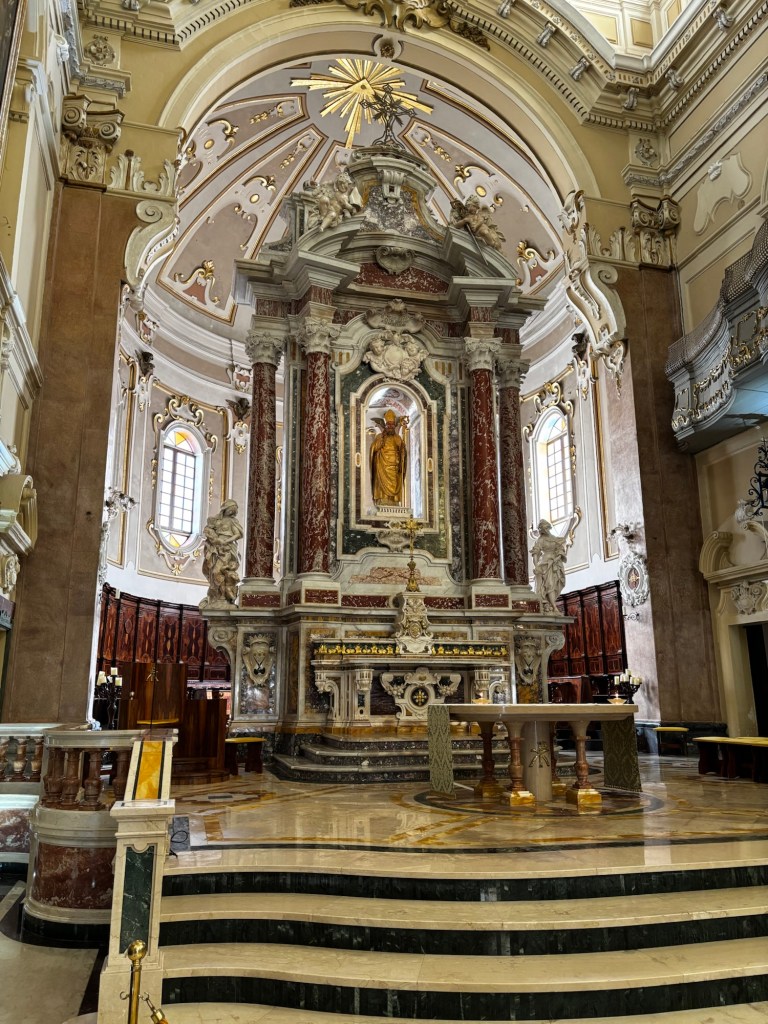
Other buildings displayed equally impressive carvings and reliefs.
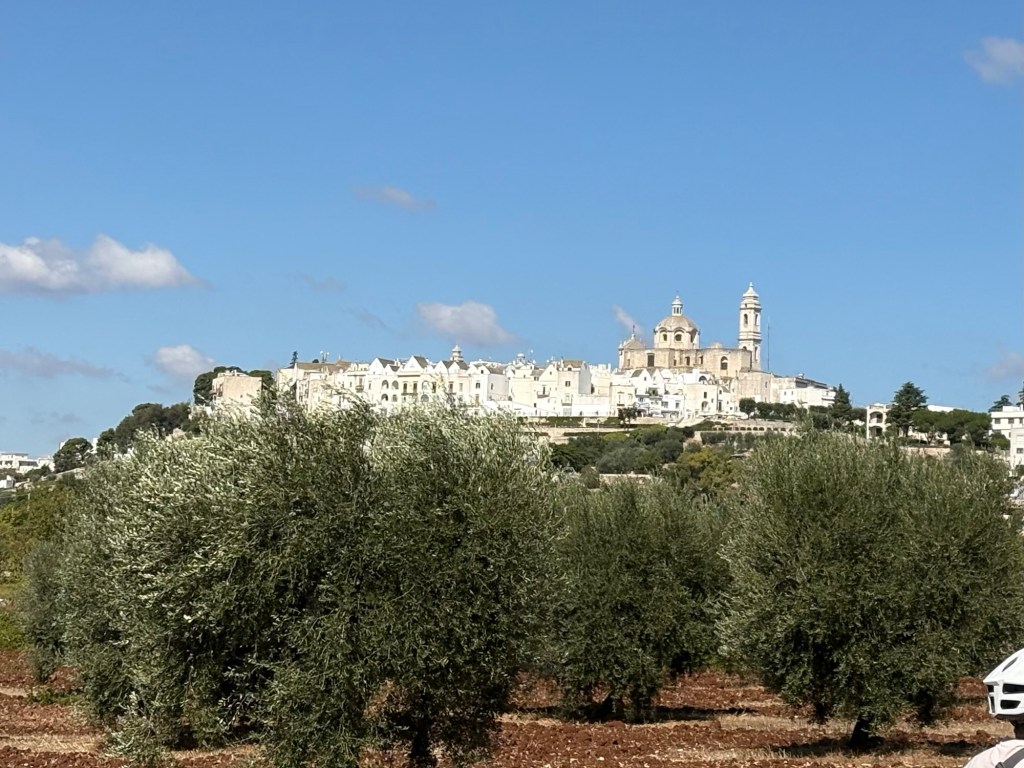
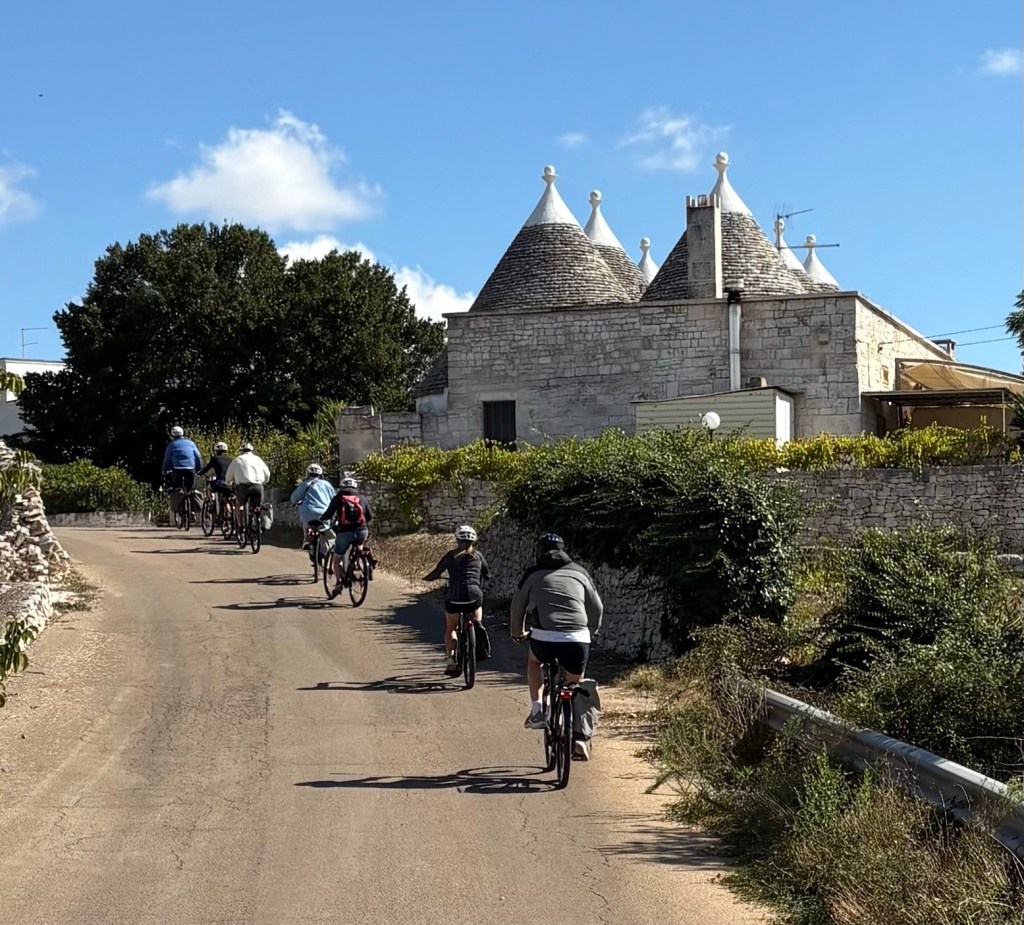
We then set off for Locorotondo, 10.5 kms across the valley. In the tradition of middle ages communities, building on top of a hill was basic common sense for military purposes. So we exited Martina Franca like tour cyclists speeding downhill, pedaled across the valley then switched to a very low gear with turbo assist for the ascent into Locorotondo (very un-tour like).
Locorotondo
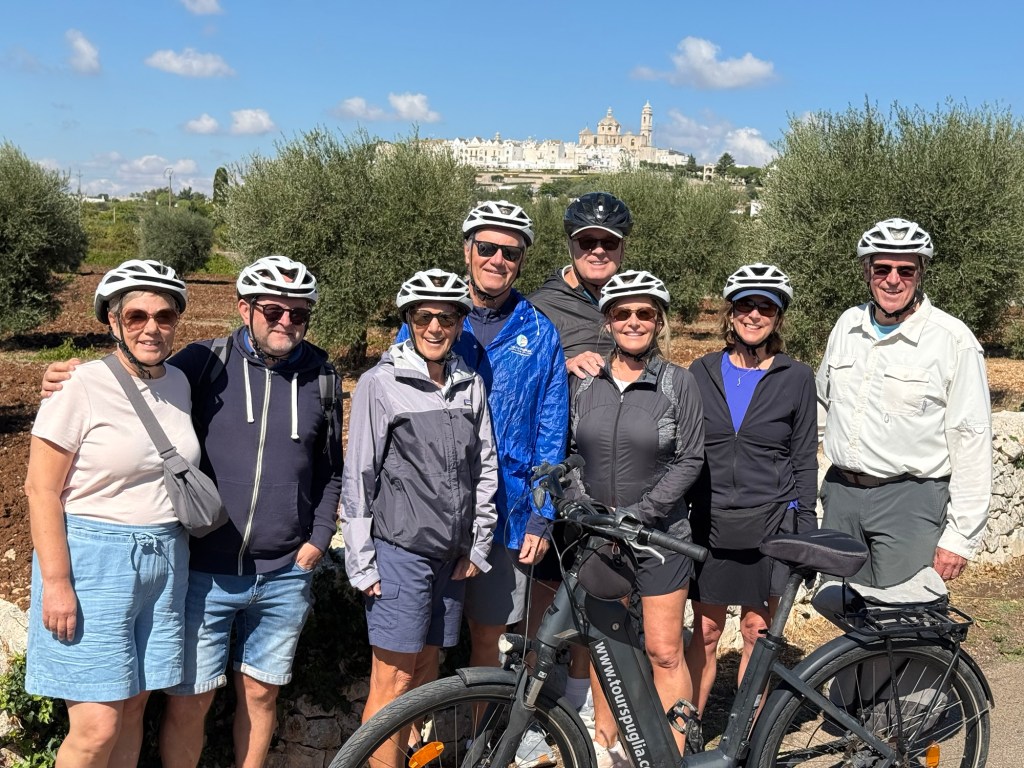
Our crack team of cyclists

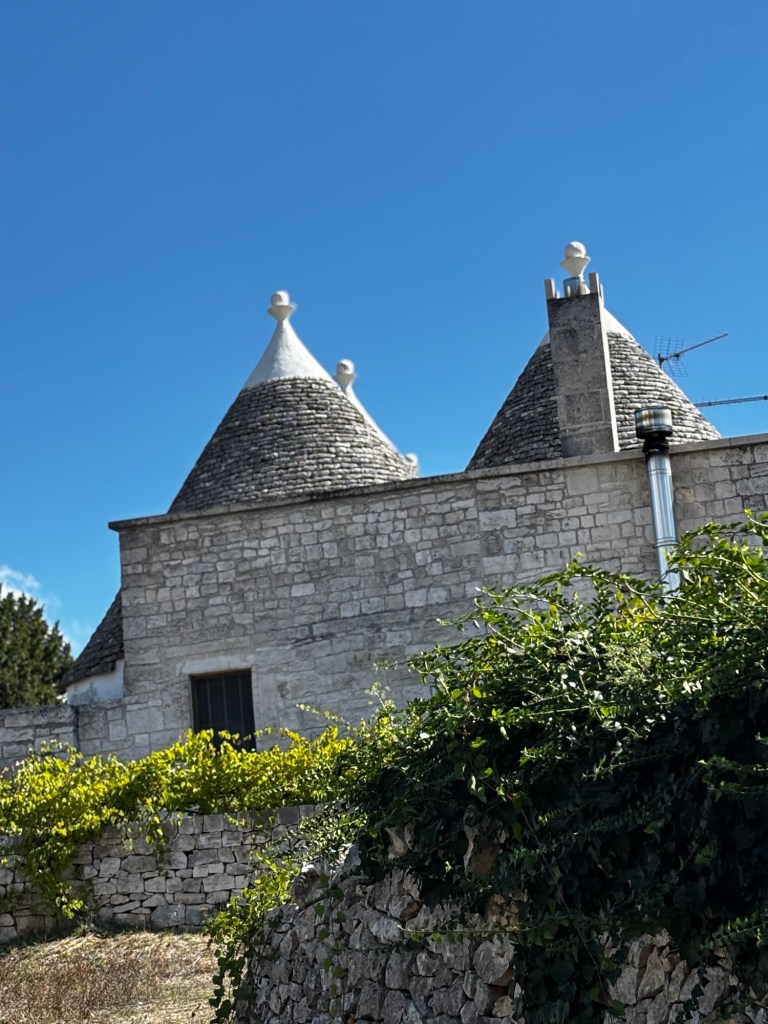
Along the way there were trulli houses where we glimpsed inside. Definitely limited space and utility.
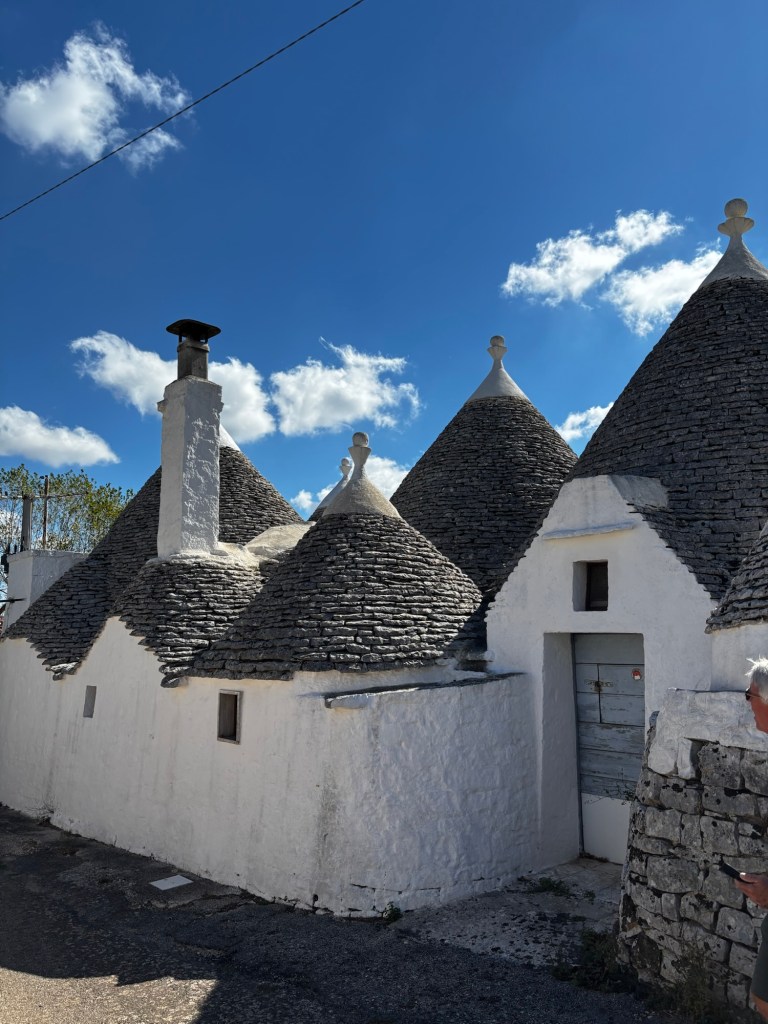
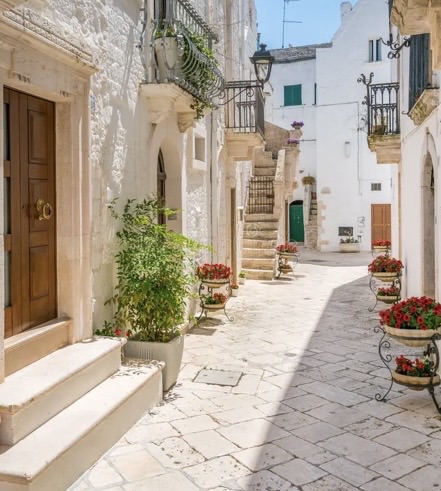
Once we reached Locorotondo it was similar to Martina Franca in terms of narrow, twisty streets with plazas and churches dominating the community.
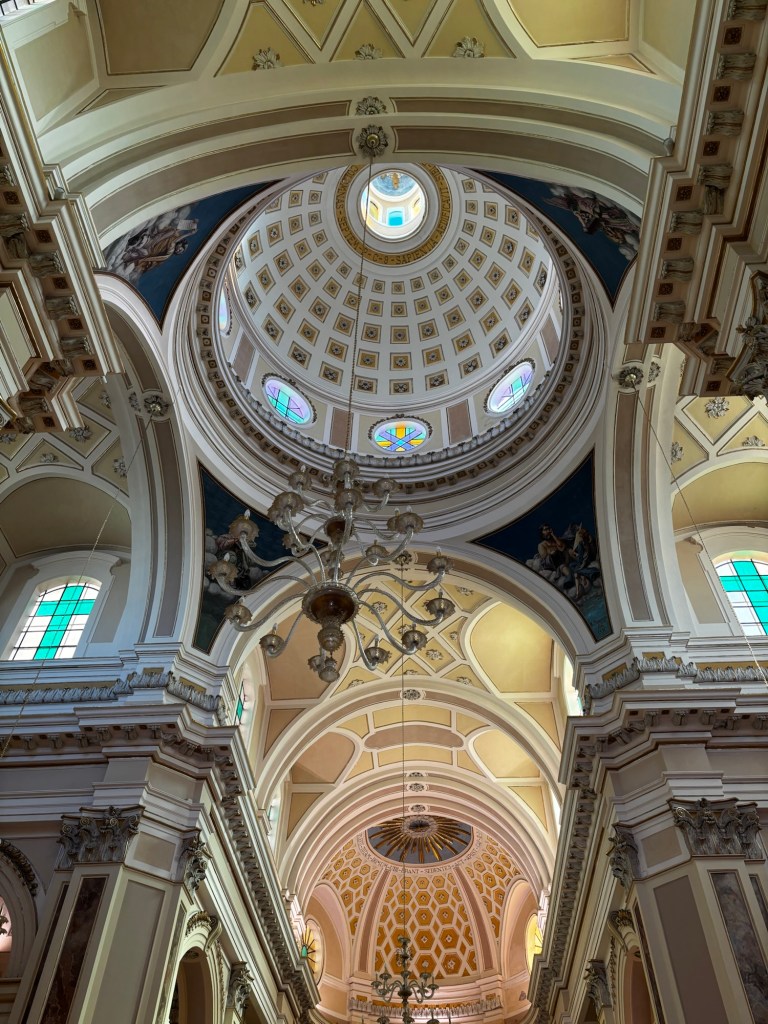
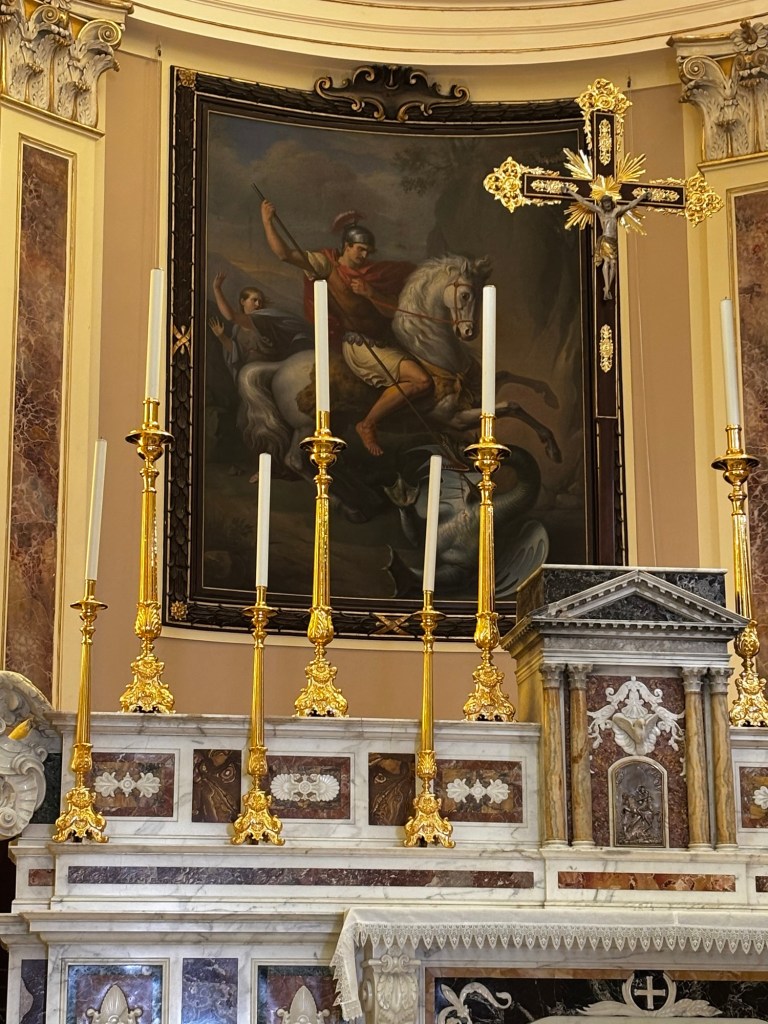
The church had an impressive dome and a painting of St. George famously slaying the dragon. Editor’s note: despite being the patron saint of England, amongst many other countries, George was actually a Roman soldier who was martyred in the late 3rd century and never actually had any physical relationship with England.
Back on the bikes and a return trip across the valley and up the hill to Martina Franca where we said goodbye to the group. Then we wandered through the old town seeking a restaurant for a late lunch. As Sunday church services had ended the town had suddenly become busy but we managed to get a table in the square.

Knowing a full dinner wasn’t necessary we stopped at a grocery store on the way back to Abate Masseria to load up on cheese, apples and assorted bread and cold cuts. After a quiet time reading at the pool we enjoyed a picnic supper with wine. Concerningly we are down to two bottles left from our purchase of yesterday. Methinks another stop at the winery is in our future.
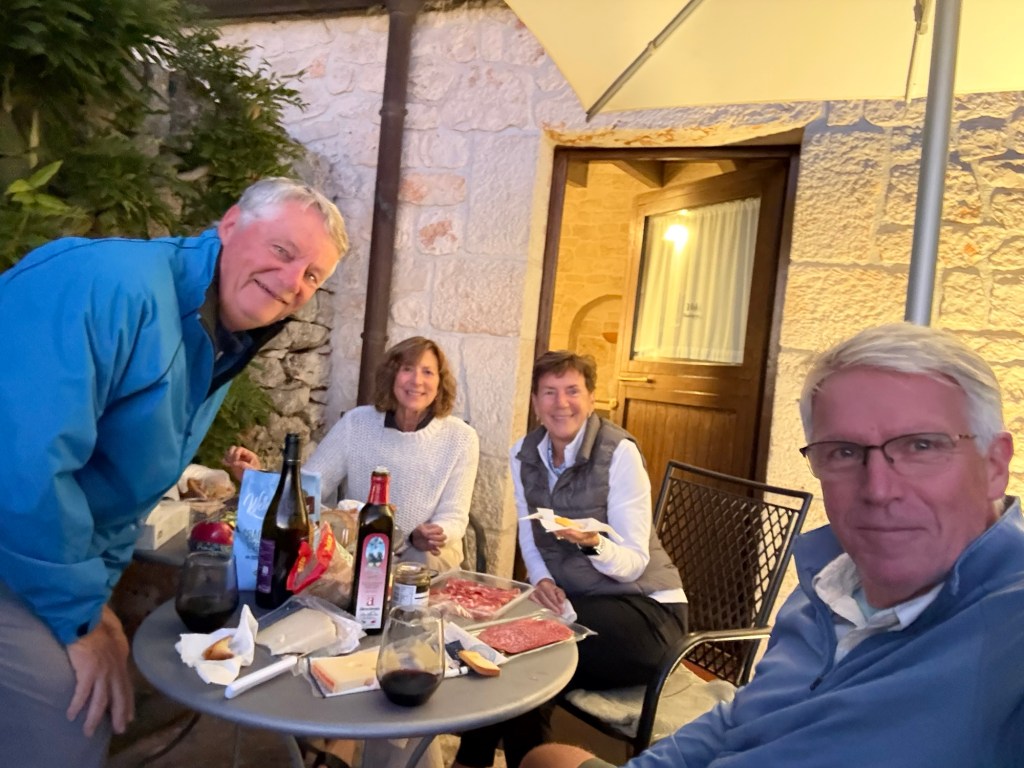
Picnic Dinner

Tomorrow is an unstructured day so we will see what adventures await.
Olives, Trullis, Wine & Caves

Who says you can’t enjoy a nonstop day involving four eclectic activities? We packed up and left Bari mid morning heading south to Alberobello and our first stop, the Abbracciavento family olive oil factory.

(If viewing on a phone tap a picture to see the full image)

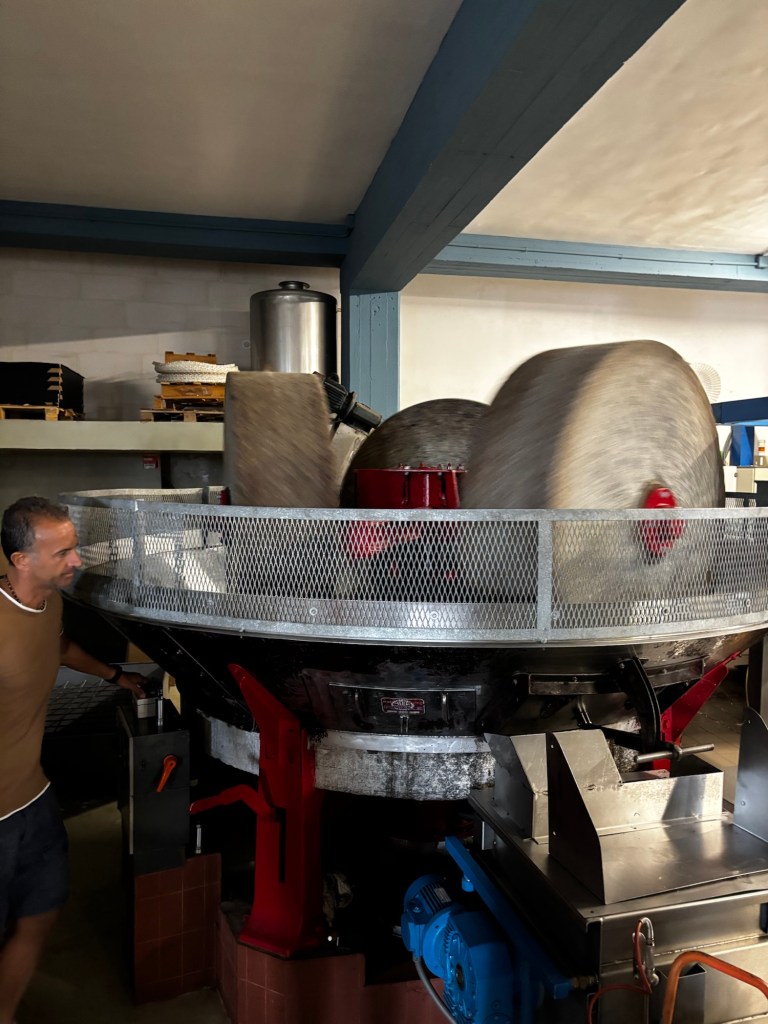
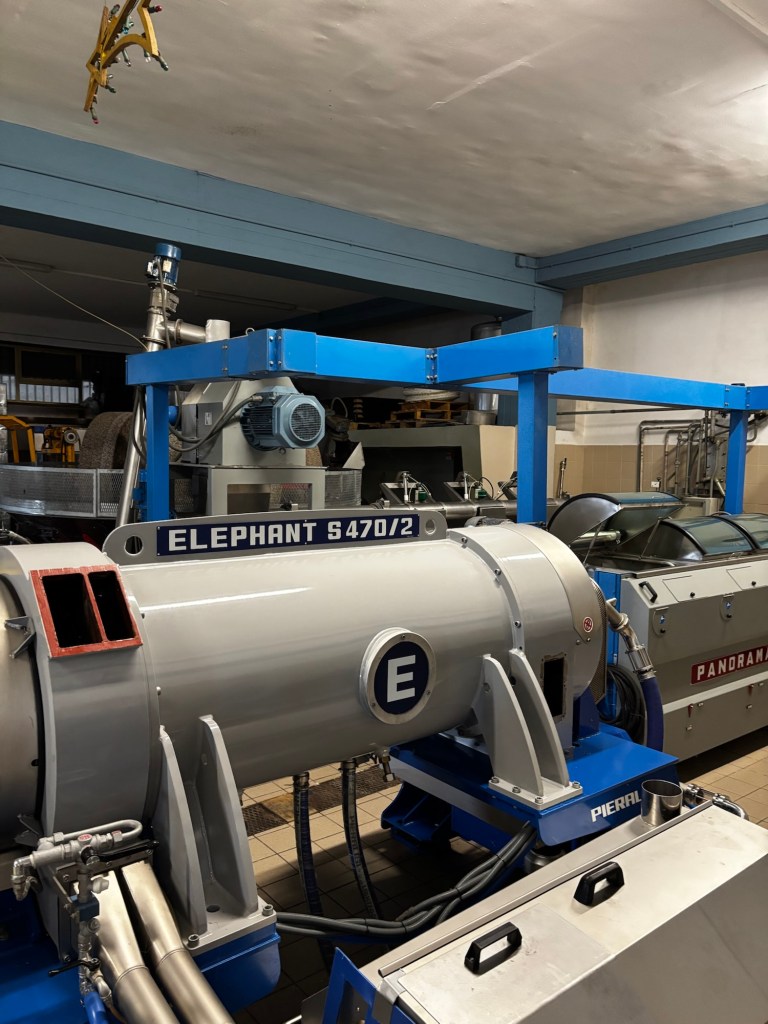
We managed to sneak in a private visit between tour bus arrivals. Started in 1966 this Oleificio (oil factory) processes staggering amounts of olives producing tons of extra virgin oil.

Purchasing fruit from hundreds of farms, the manufacturing process runs 24/7 during the months of October to mid December. The method and machinery are fairly simple. Crush the olives, make a paste, centrifuge the paste to separate oil and water, filter the oil and package it.
To be considered extra virgin, the oil must contain less than 0.8% oleic acid per 100 grams of oil. The Abbracciavento’s produce at 0.4% by using a single type of olive. A second run mixing multiple olive types results in an output with a higher acidity. The former is for salads, the latter for cooking. Even the residual paste is not wasted as it is used in the manufacture of soaps and cosmetics.

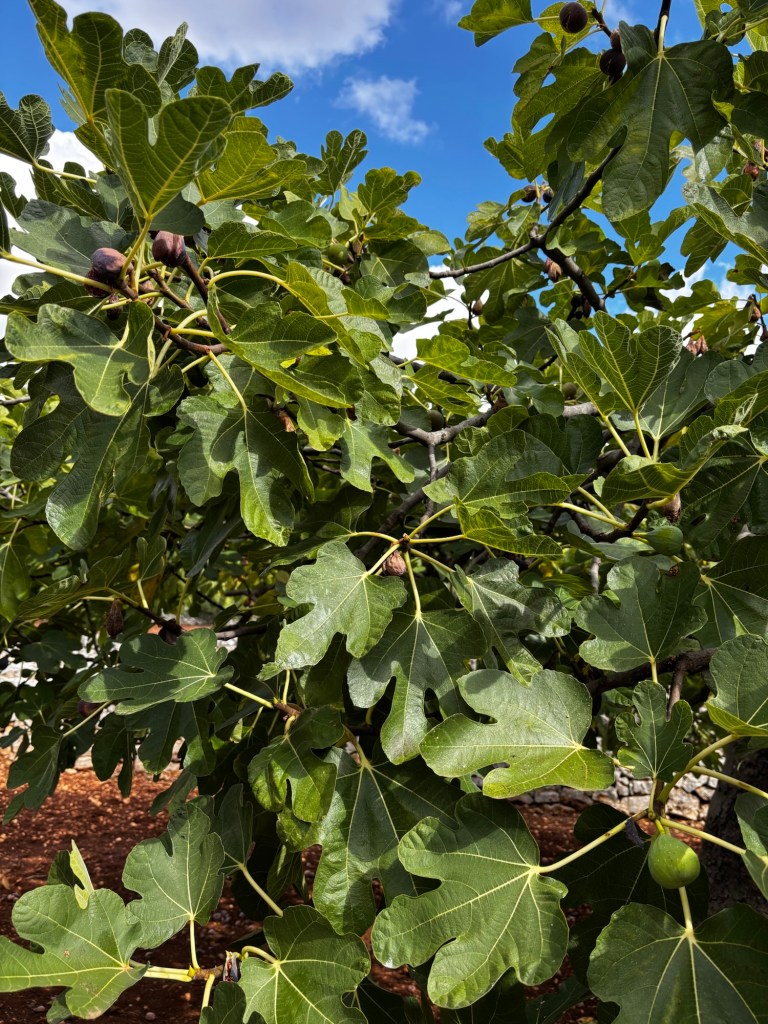
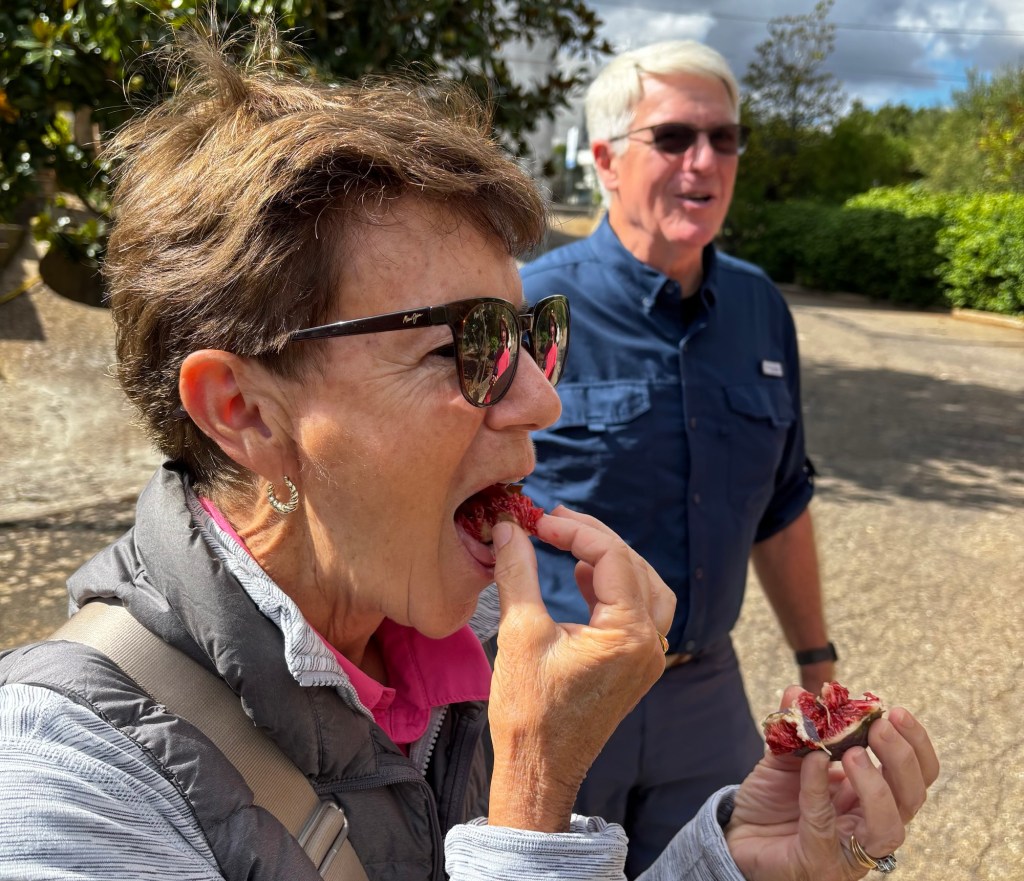
Our visit ending eating fresh figs plucked from a tree beside the factory. Delicious from start to finish.

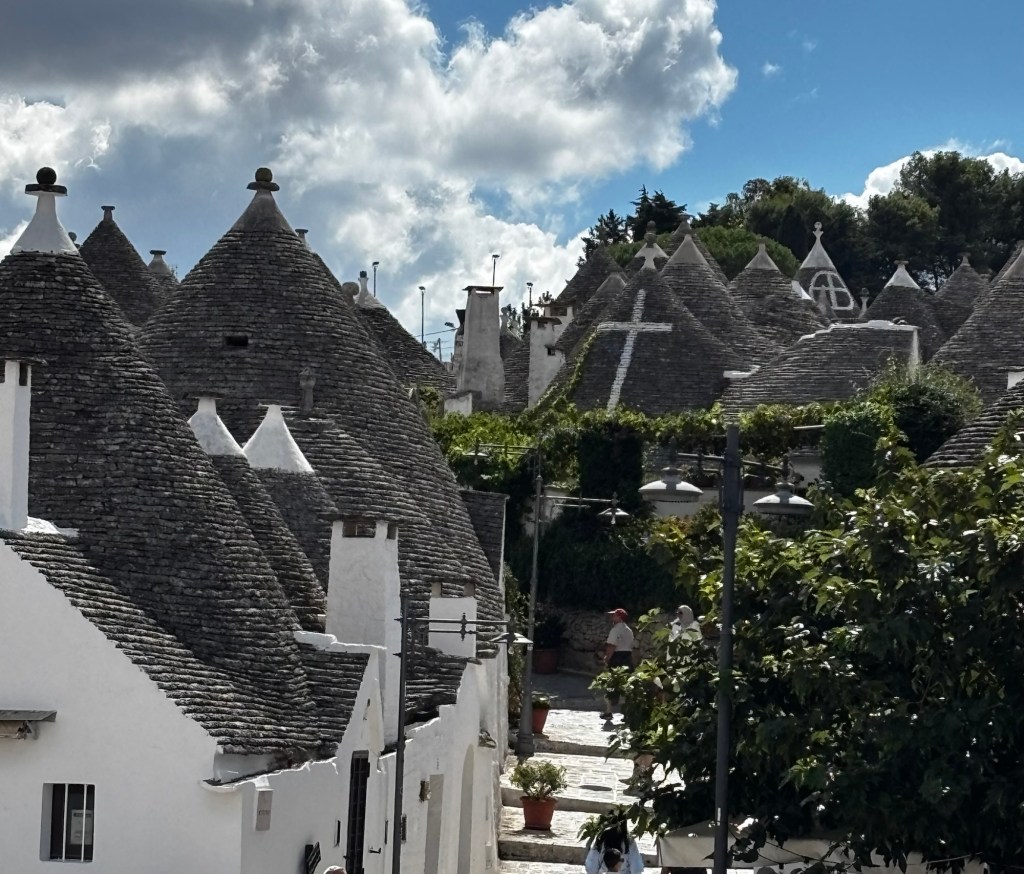
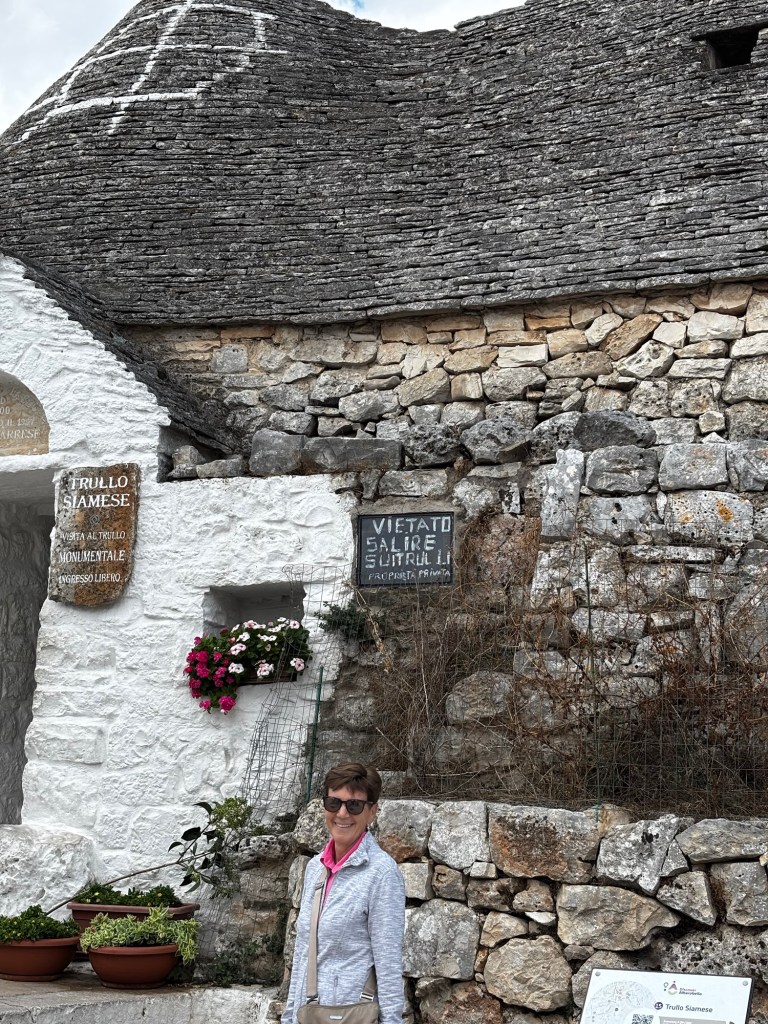
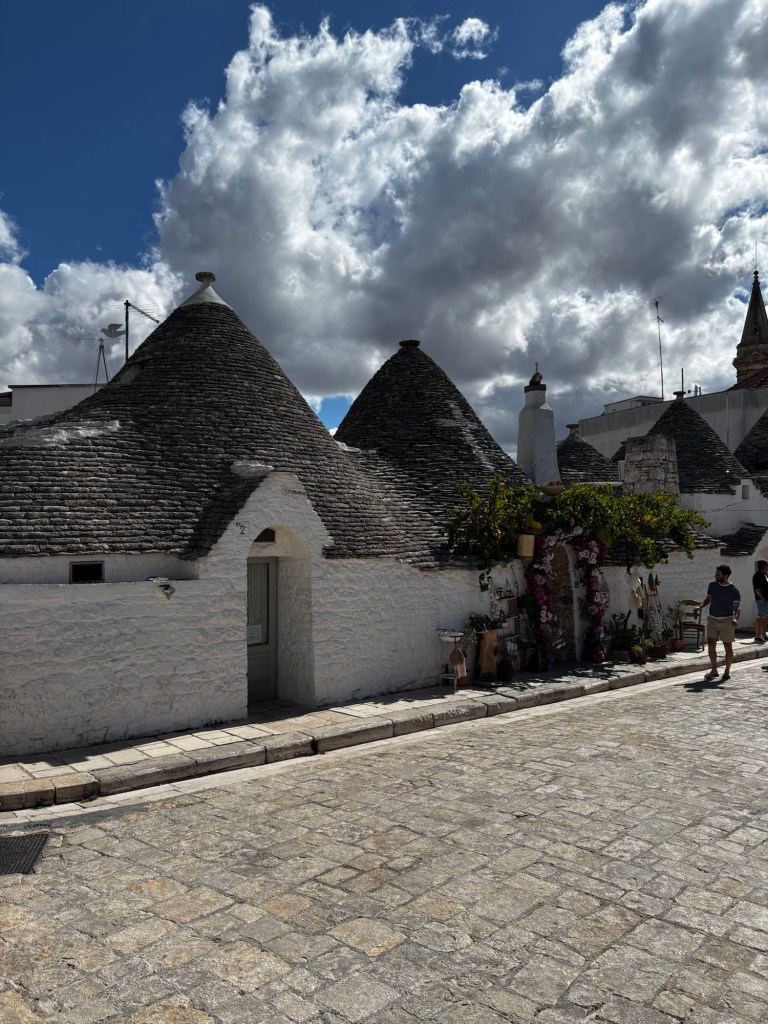
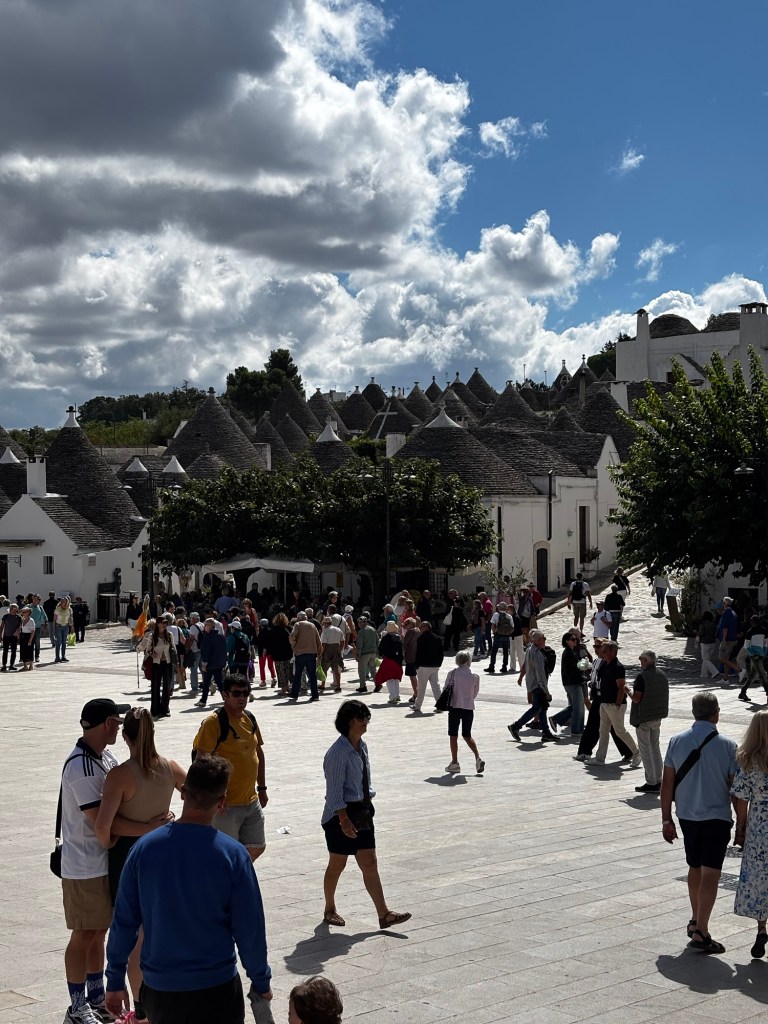
Back in the car and in to Alberobello proper to see the trulli houses. These conical shaped limestone dwellings are made without using mortar. The technique and form date back thousands of years but came to the fore in this area of Italy in the mid 14th century and today there are over 1500 such structures in the city.

From temporary field shelters and storehouses to dwellings to tourist attractions housing retailers and residents their unique construction has stood the test of time.

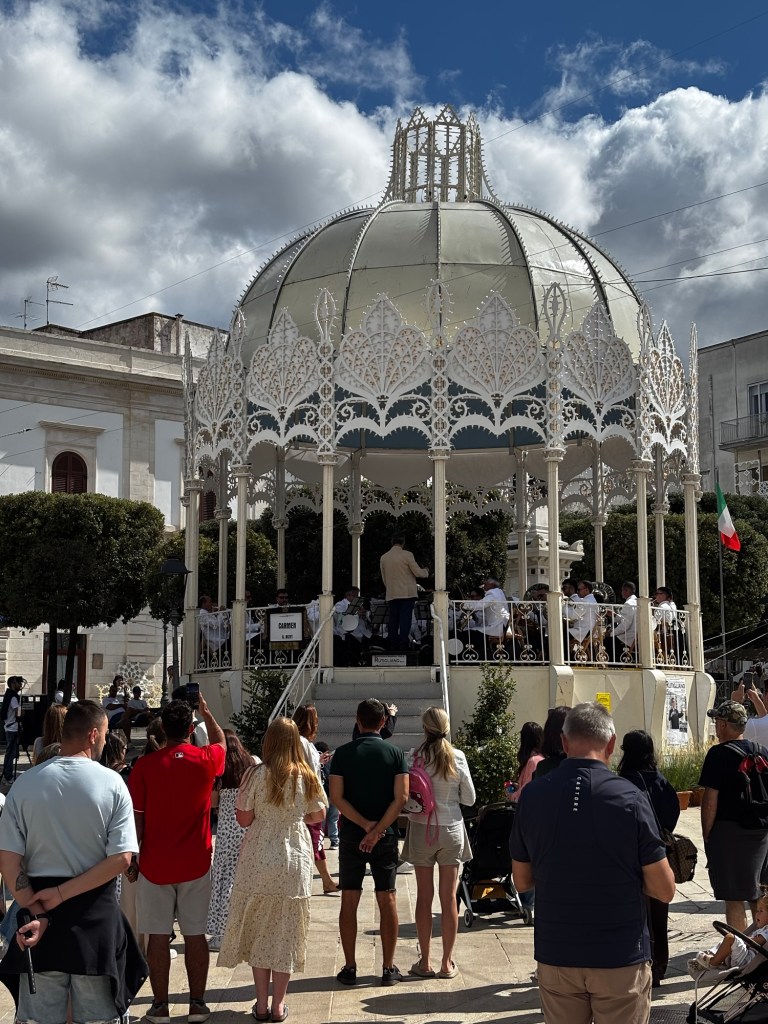
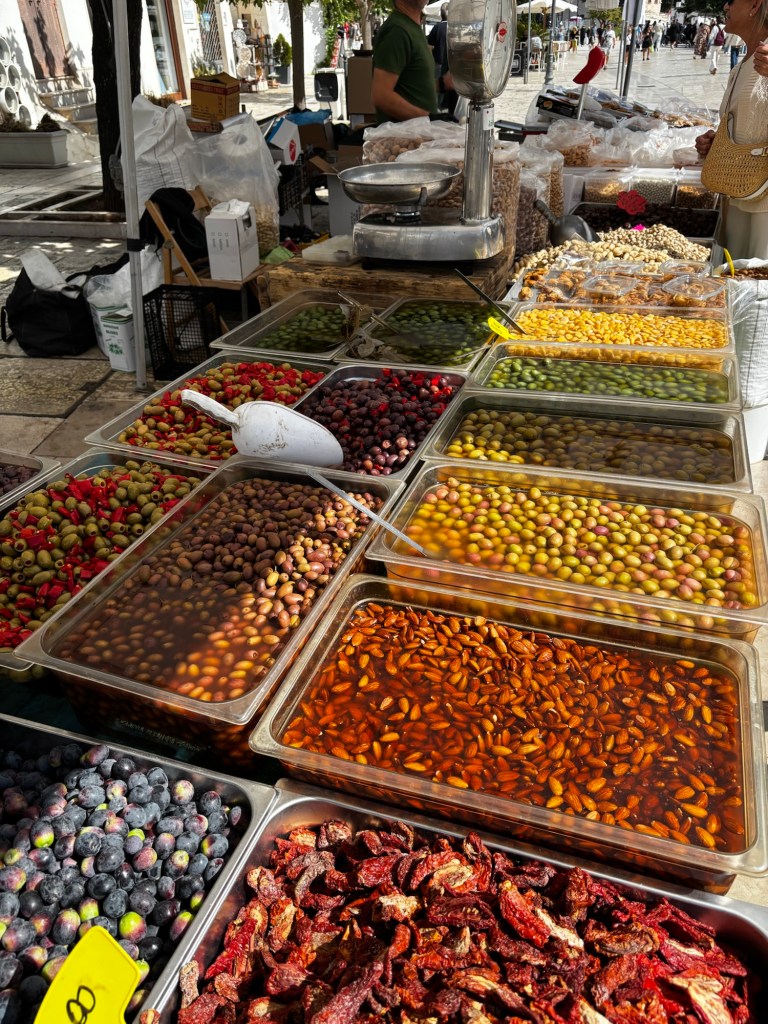
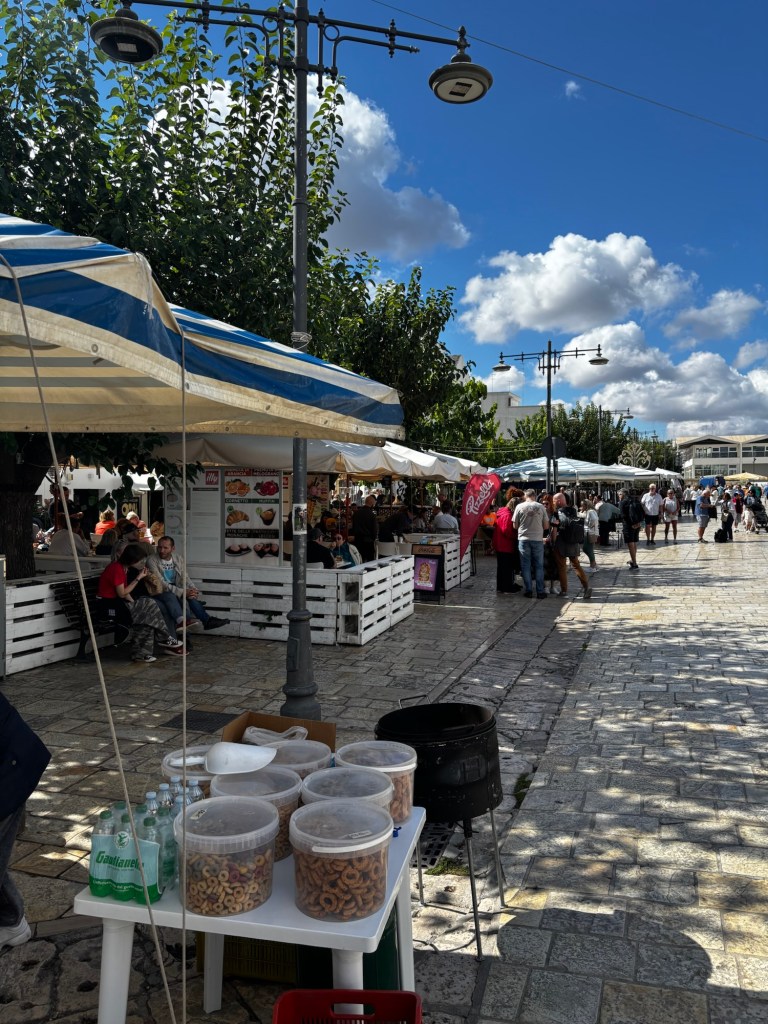
There was more to Alberobello than just the trulli houses as tourists begat markets and entertainment. The local band shell was hopping and the wares on display, impressive.
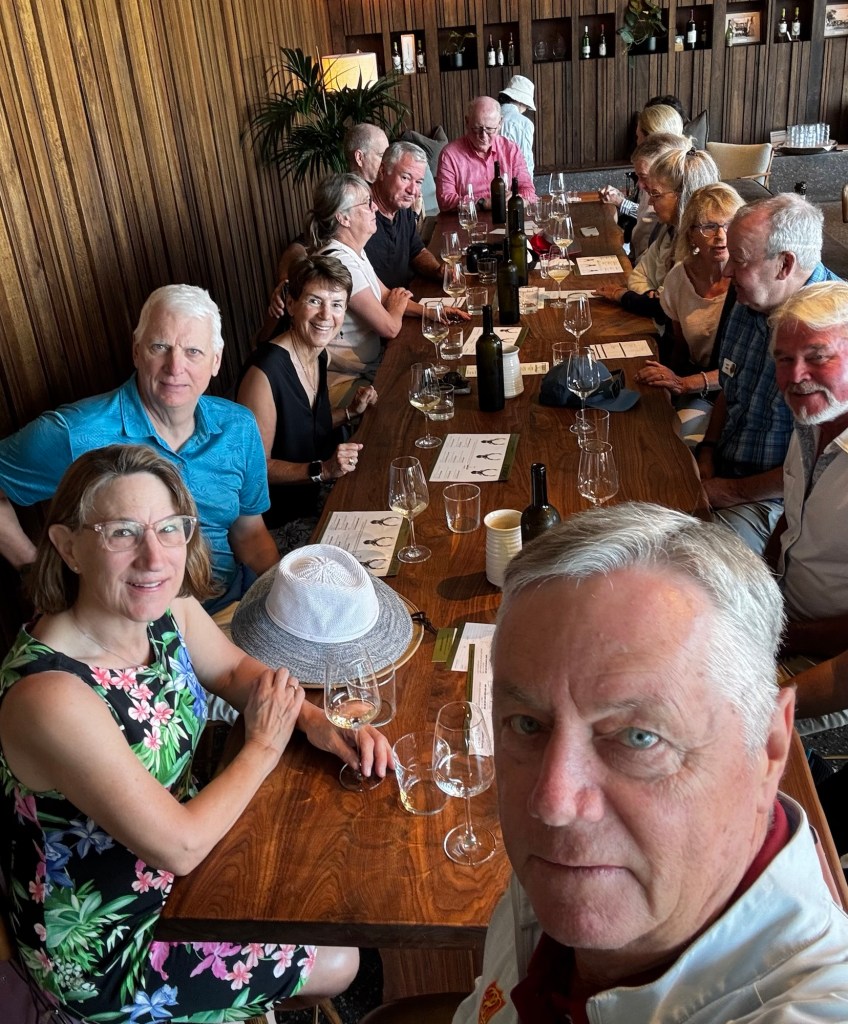
Lunch on a steeply sloped sidewalk/street, where we also battled the stiff breeze, fortified us to head off to our next stop, wine tasting.

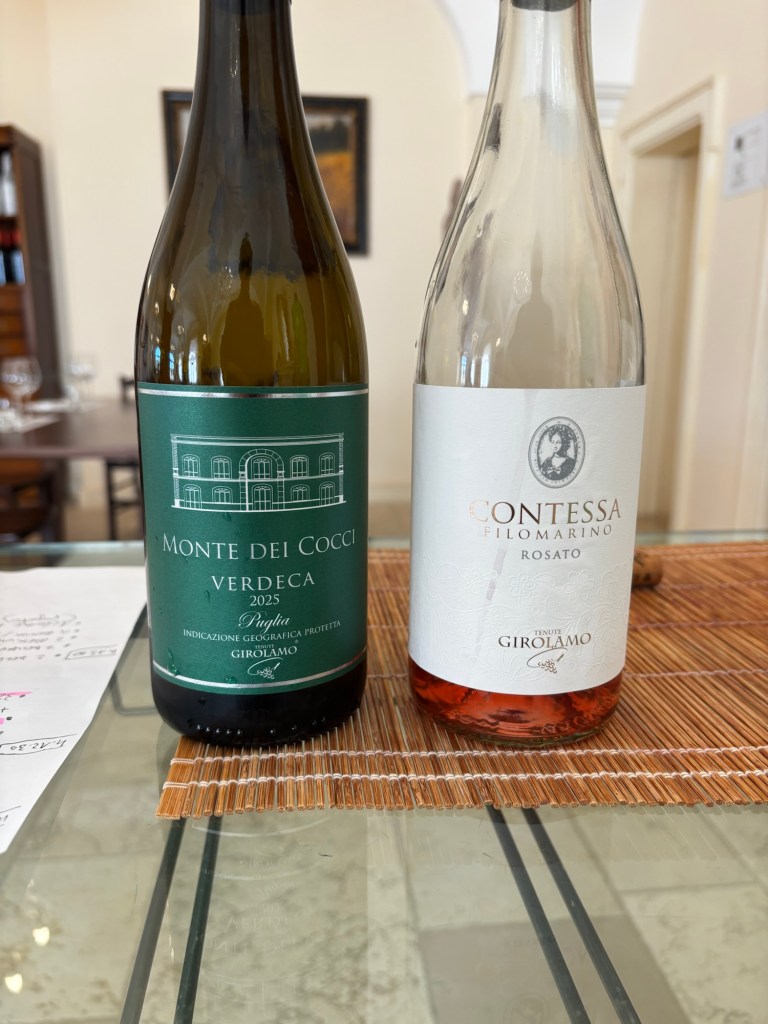
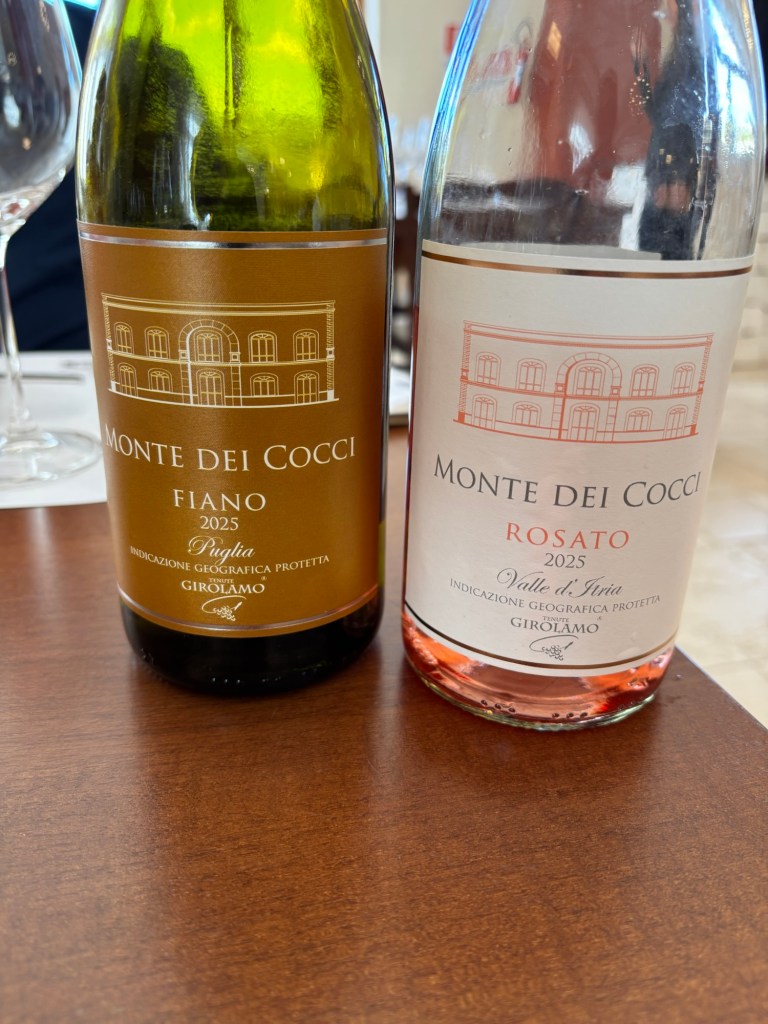
Into the car and off to the Girolama winery and vineyards. The family started its winery in 2001 and over the years and a second generation has grown to be a major producer.

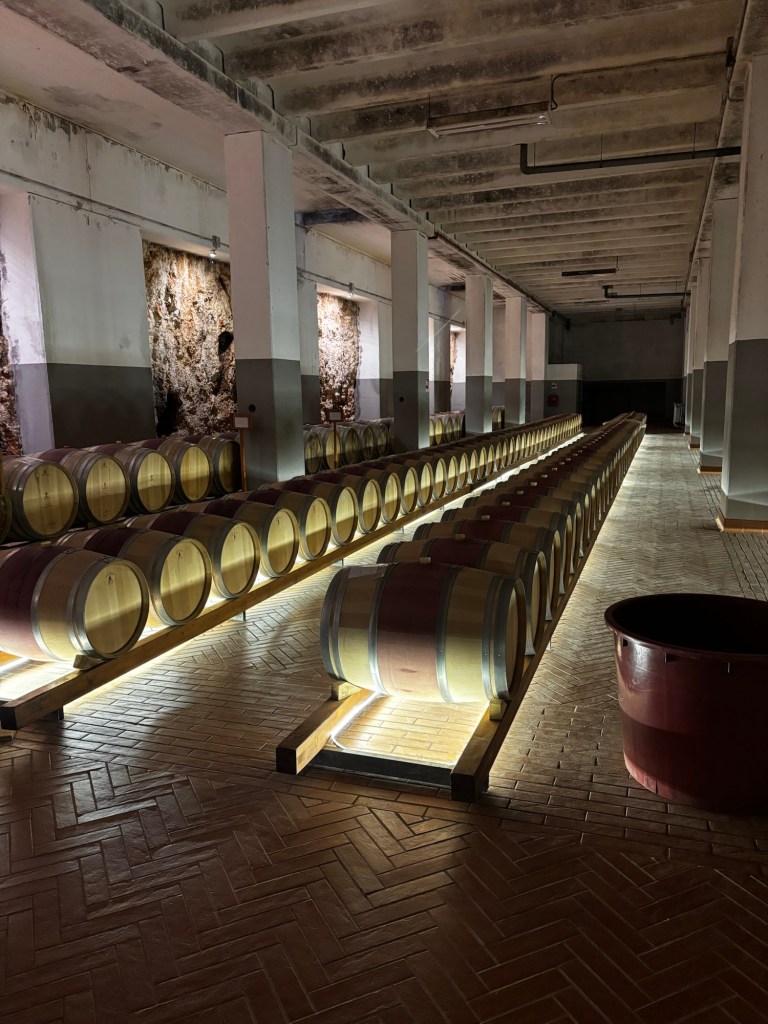
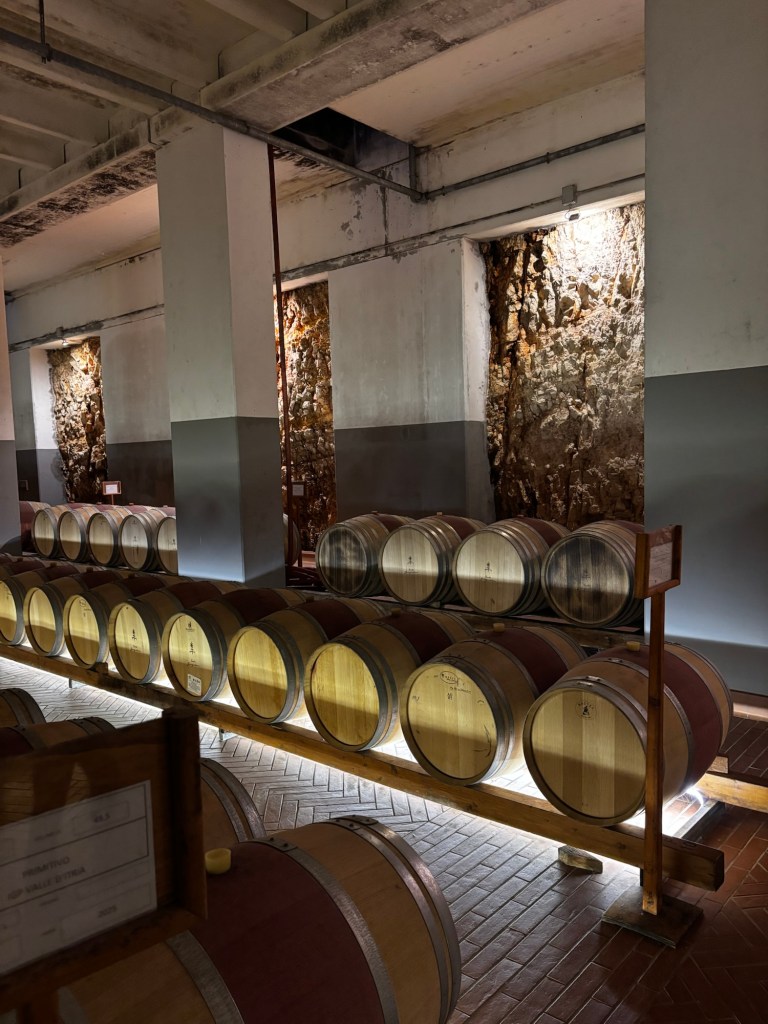
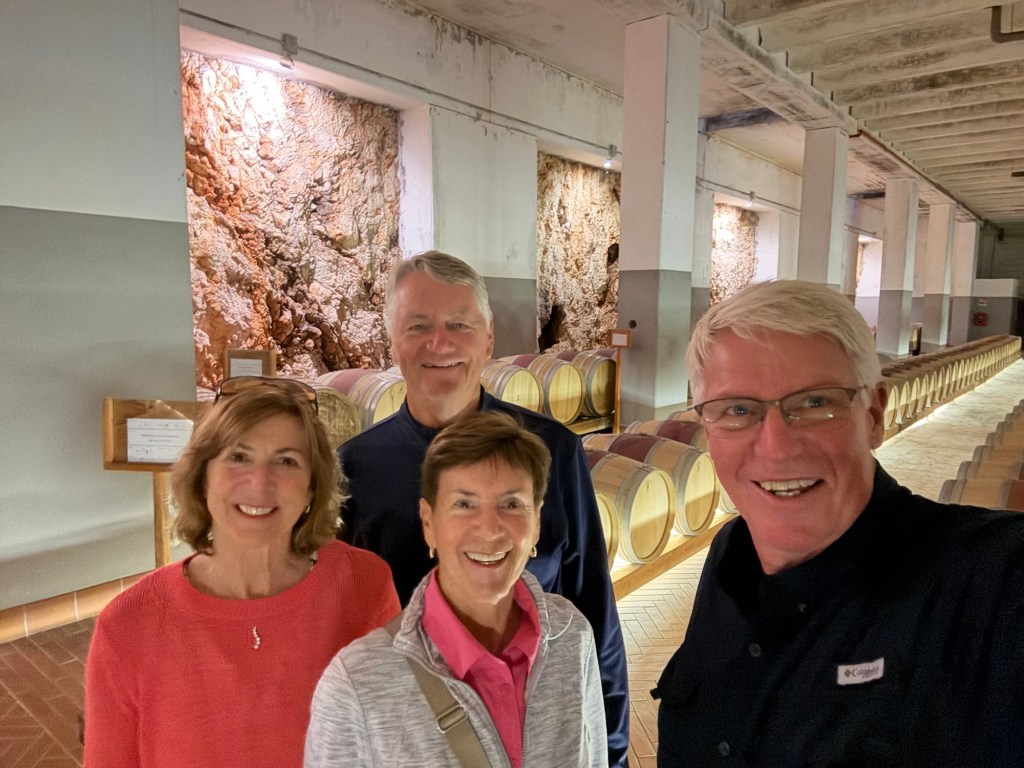
We started with a group tour and descended into the cellars that were dug to 18 metres thus providing an ideal barreling climate.

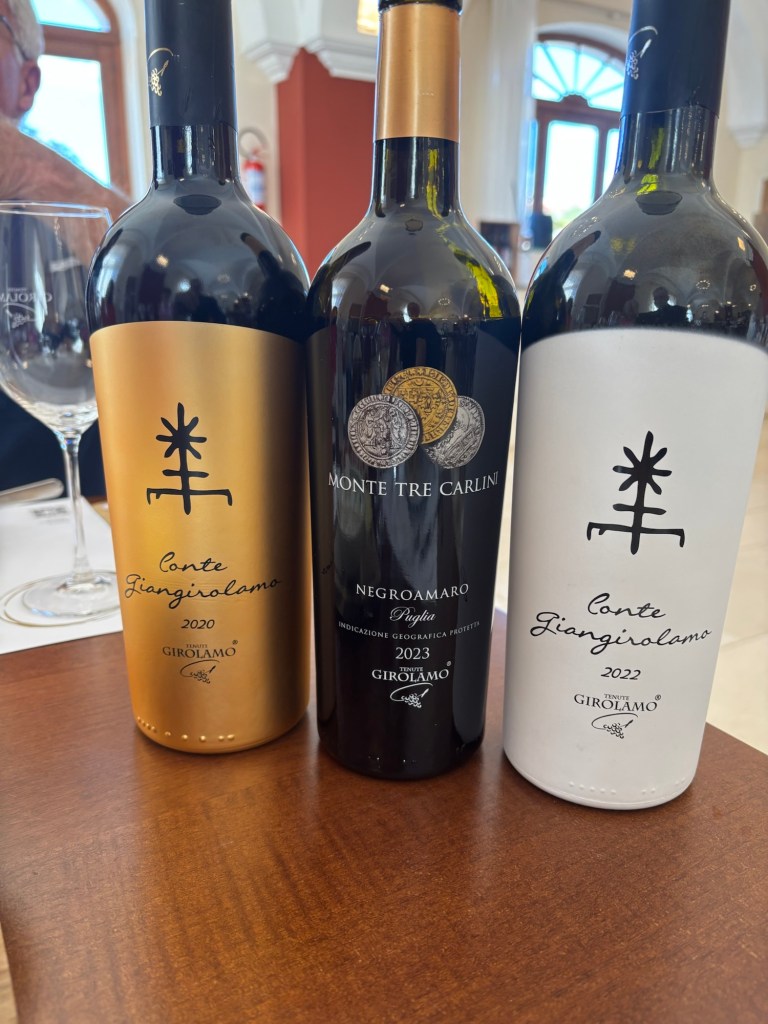
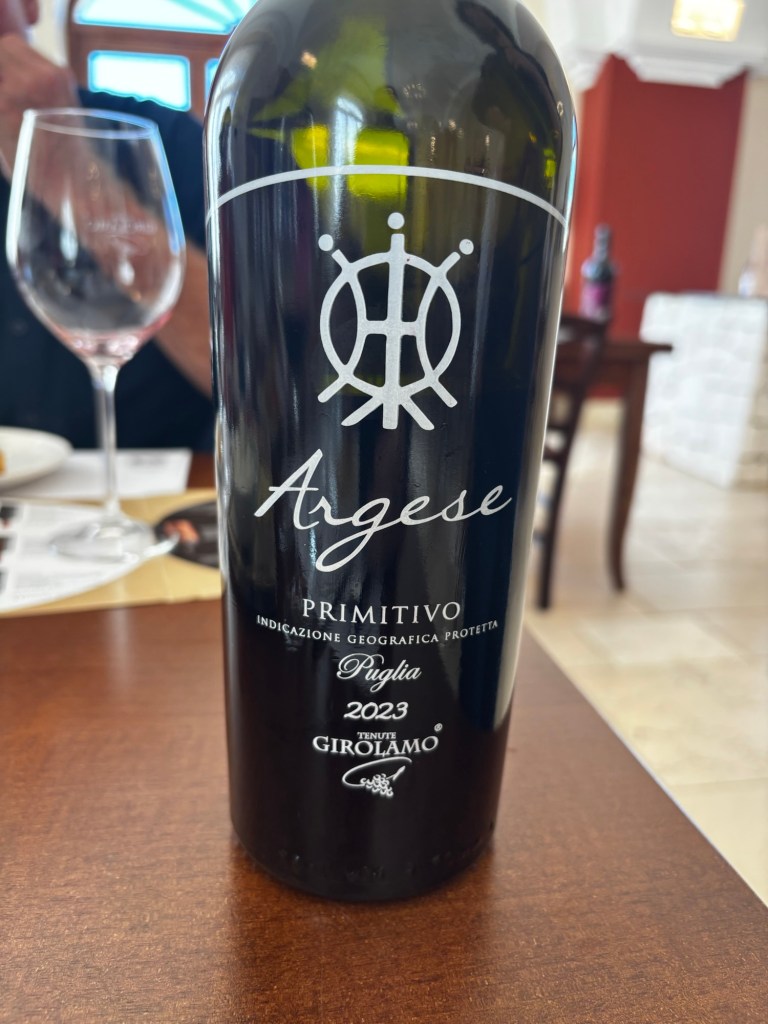
The wines utlize the primary grapes of the Puglia region (Negromaro, Primativo, Verdeca, Aglianico) but the proprietor also imported vines from France thus producing Syrah, Cabernet Sauvignon, Cabernet Franc and Petit Verdot.

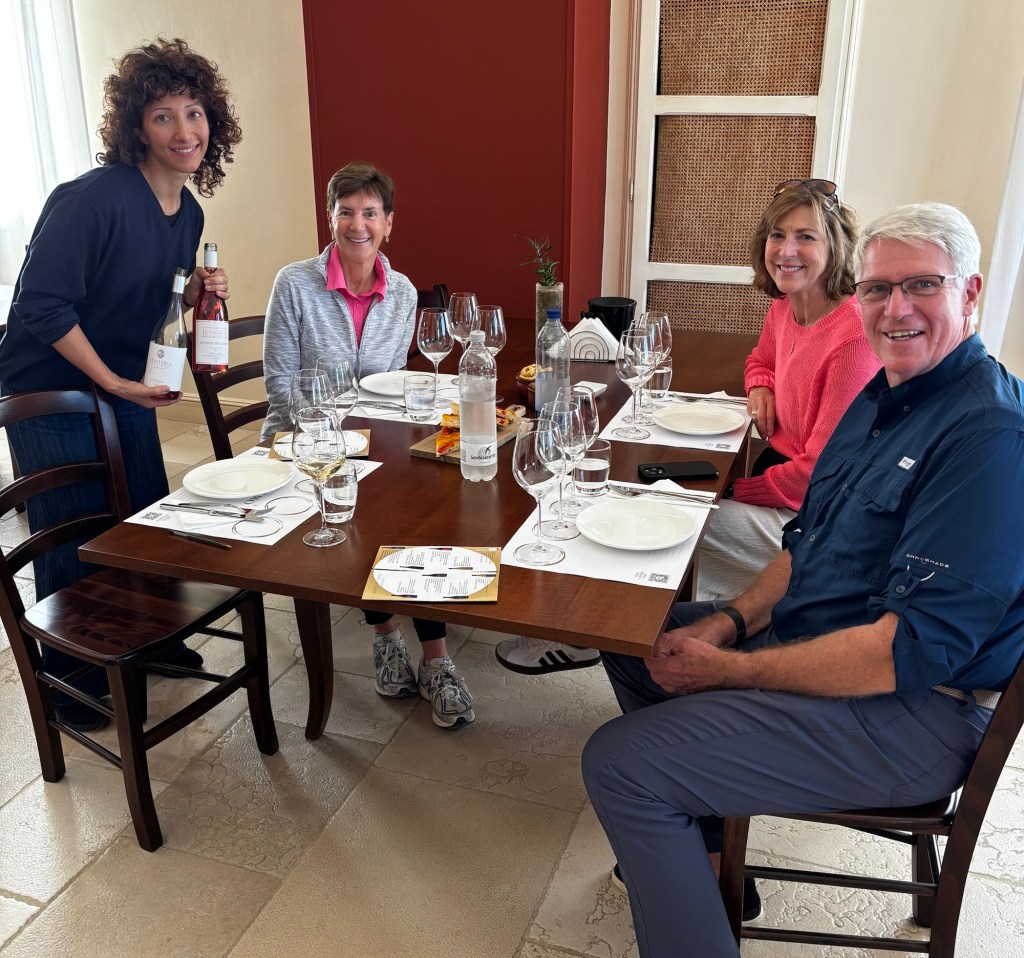
We signed up for the four wines tasting but became close friends with our hostess Marta and somehow ended up imbibing eight different varietals.

All of the choices were excellent and as a group we agreed to disagree on individual favourites. So in the end we purchased six bottles which will have to be consumed prior to our departure for Sicily given our carry on bags only situation. I don’t see that being a problem.

Three activities down it was time to check in to the Abate Masseri resort south of Noci. Quick in and out then it was off to the Grotte di Castellanna on the outskirts of Putignano.

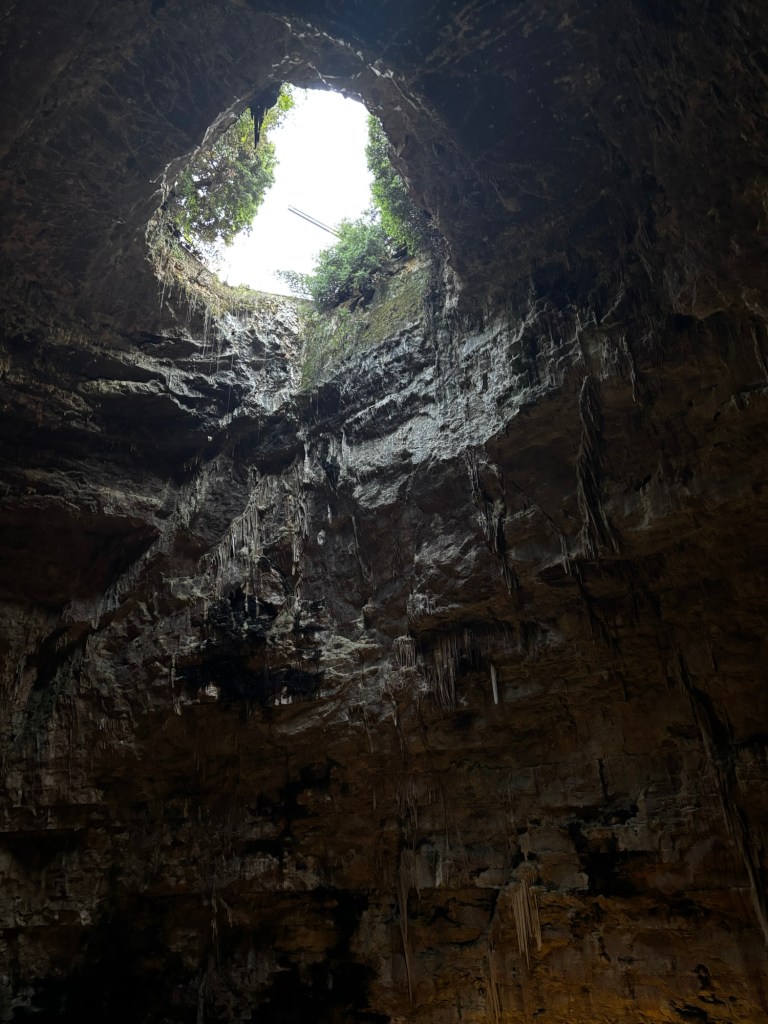
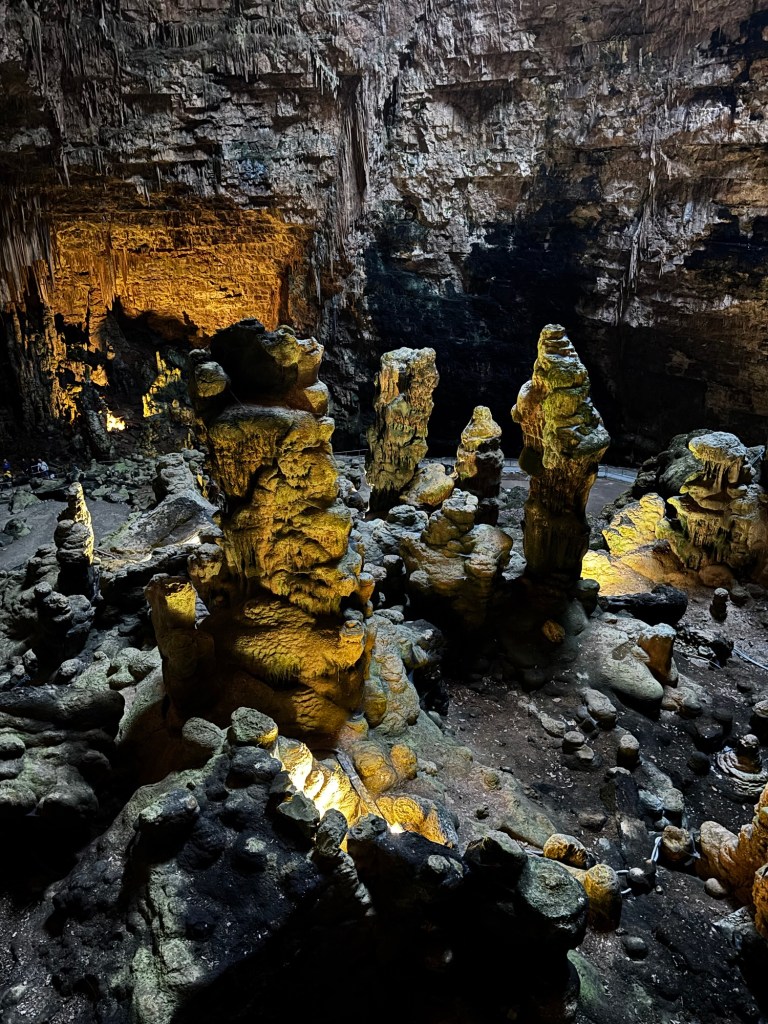
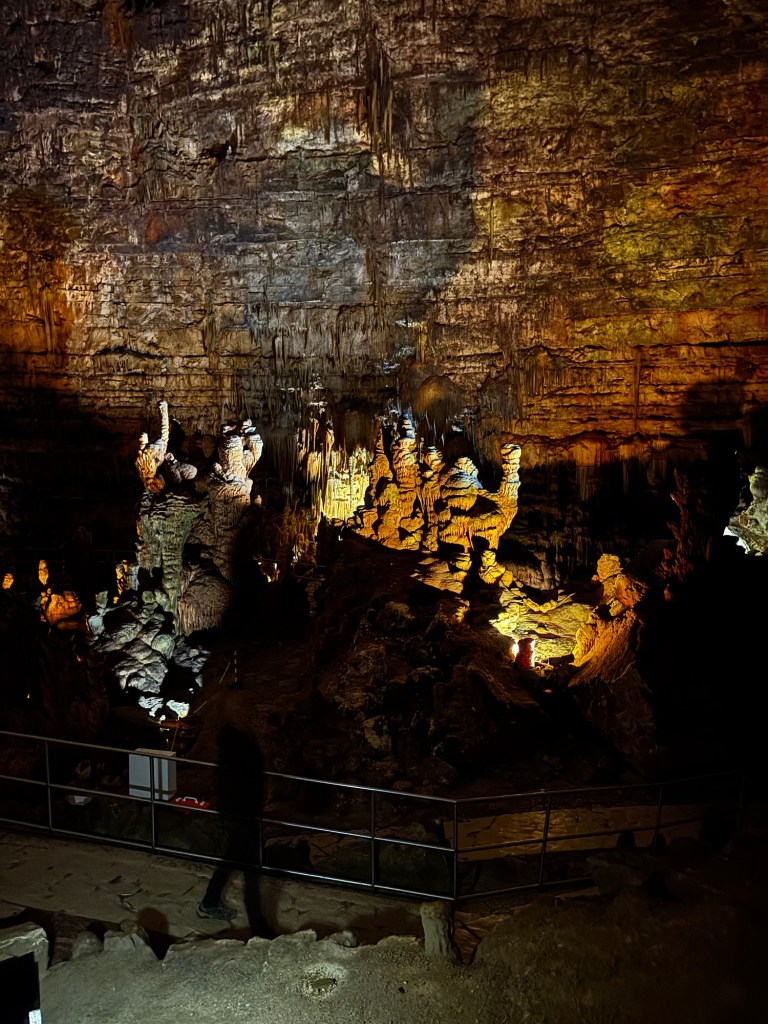
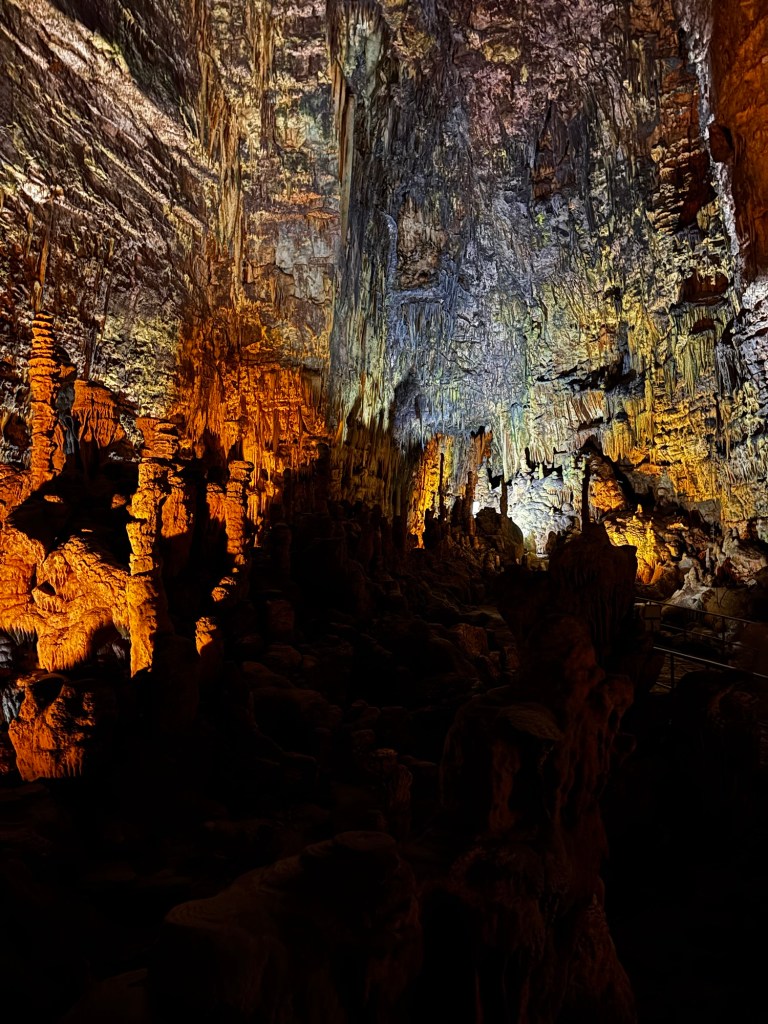
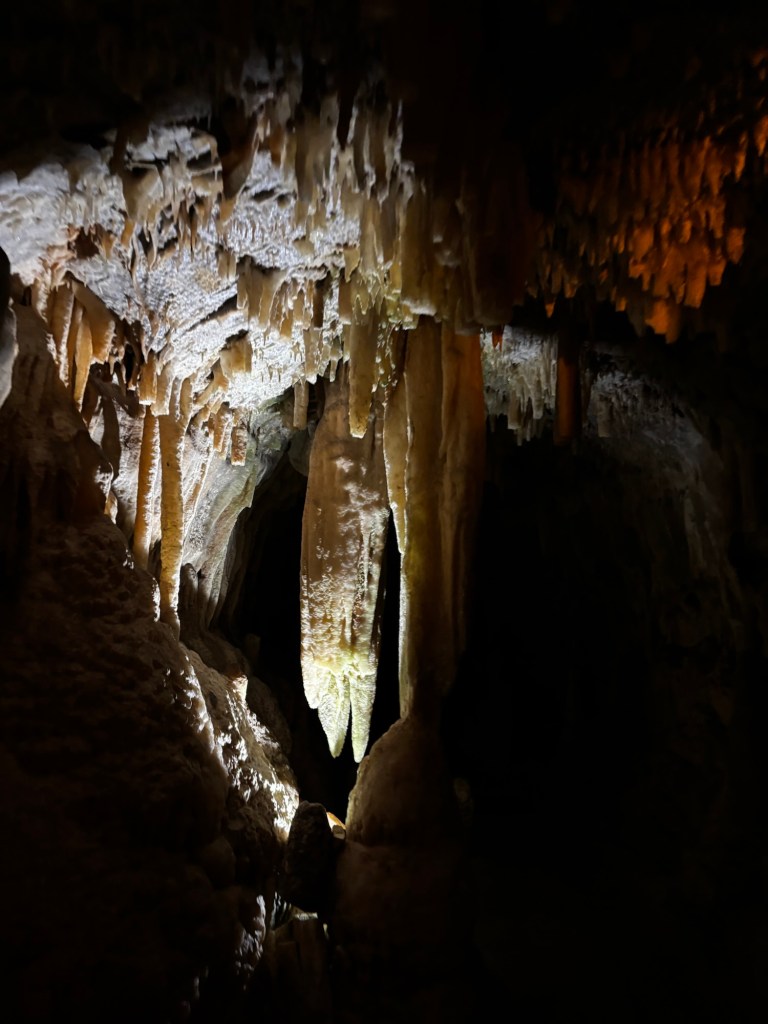
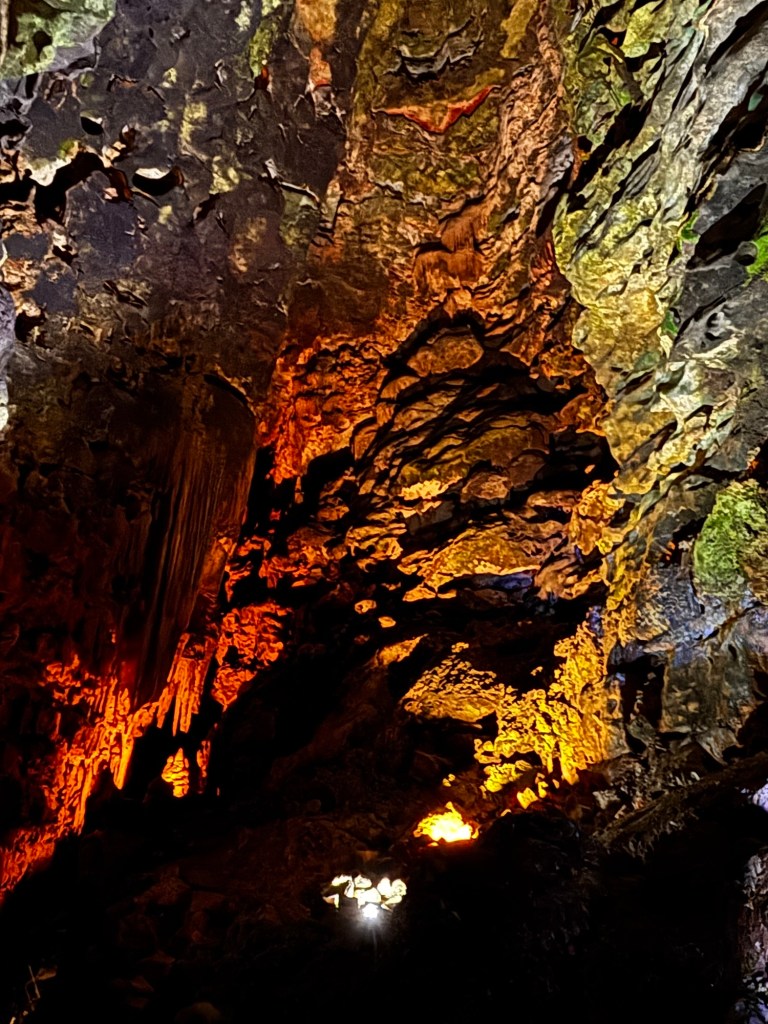
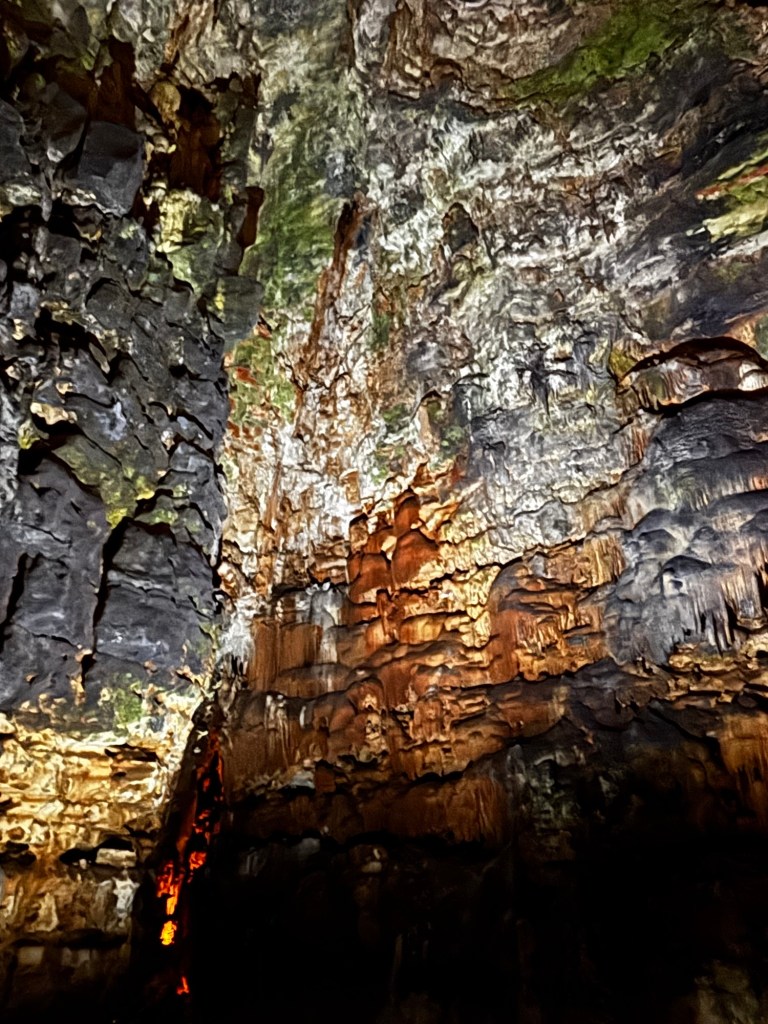
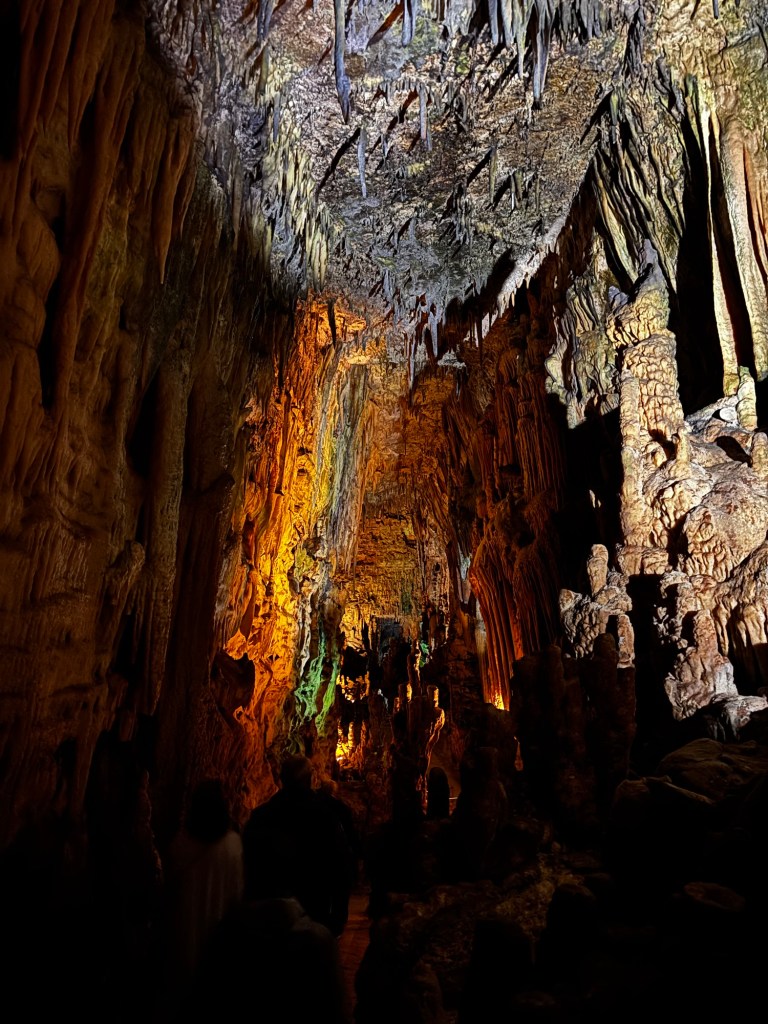
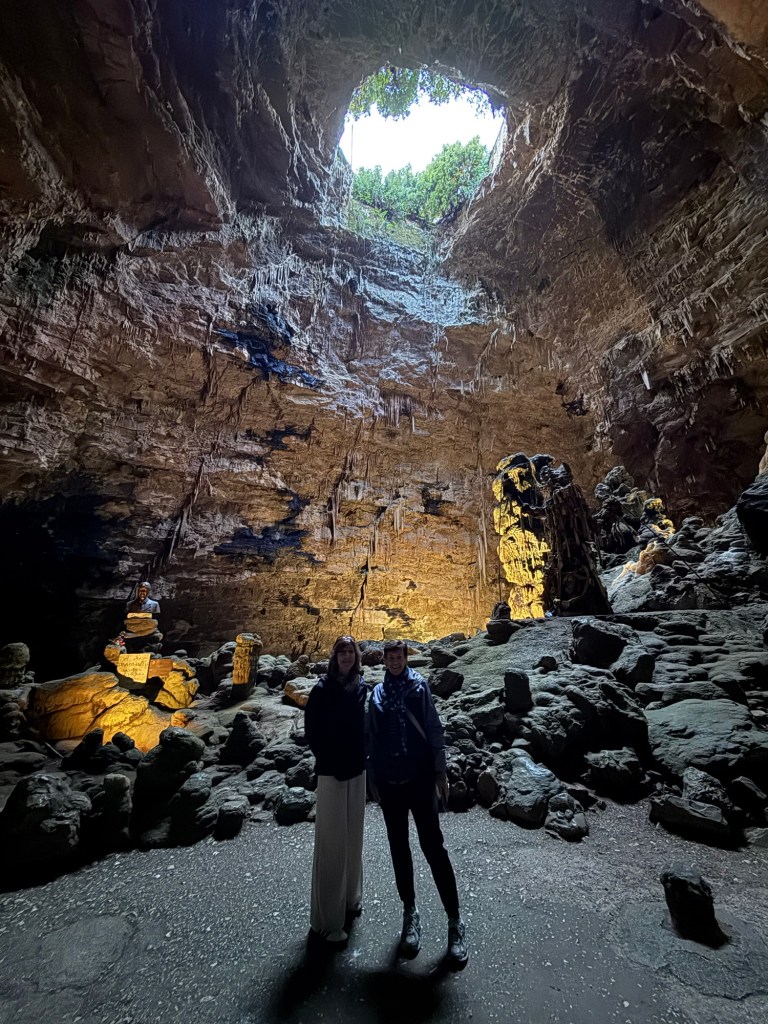
Wow! This massive cave system is one of many hundreds in the area but stands apart for its size and extraordinary rock formations. While the locals knew of its existence none ventured into the opening believing it was the actual portal to Hell.

In 1931 municipal workers uncovered a large opening into which a professional caver descended. It took two years to map the entire underground complex and another 15 years to create a system of paths that allowed non cavers to visit.

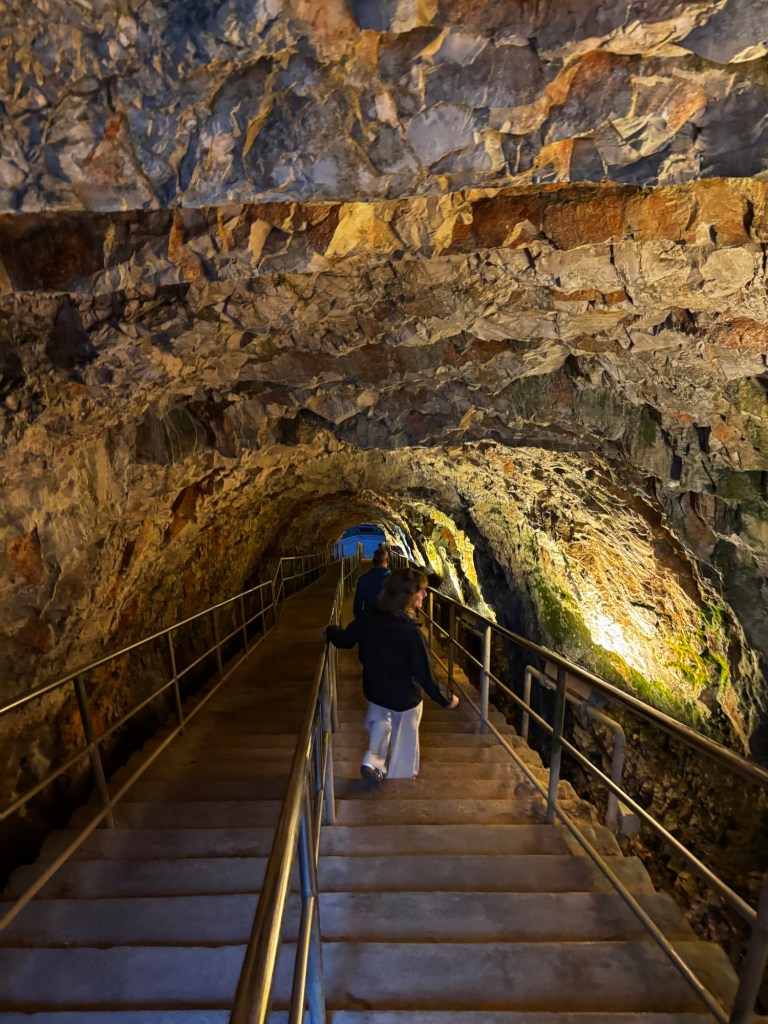
The initial descent is via a staircase which leads to a massive cavern and from there a large fissure provides a pathway deeper into the earth.

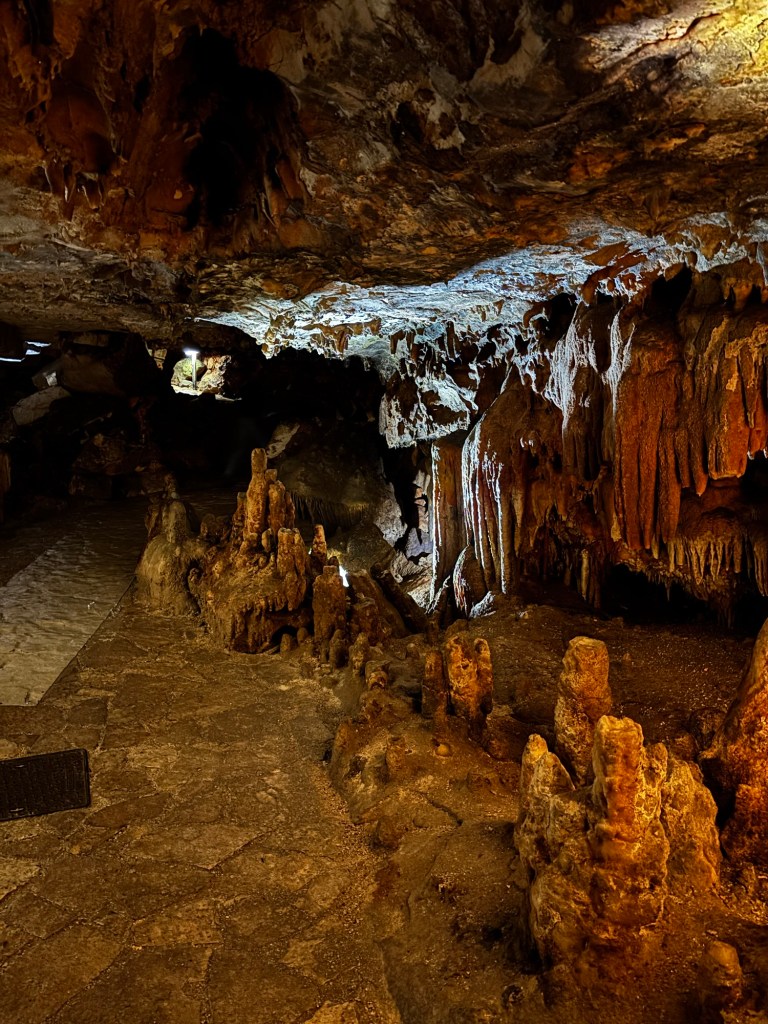
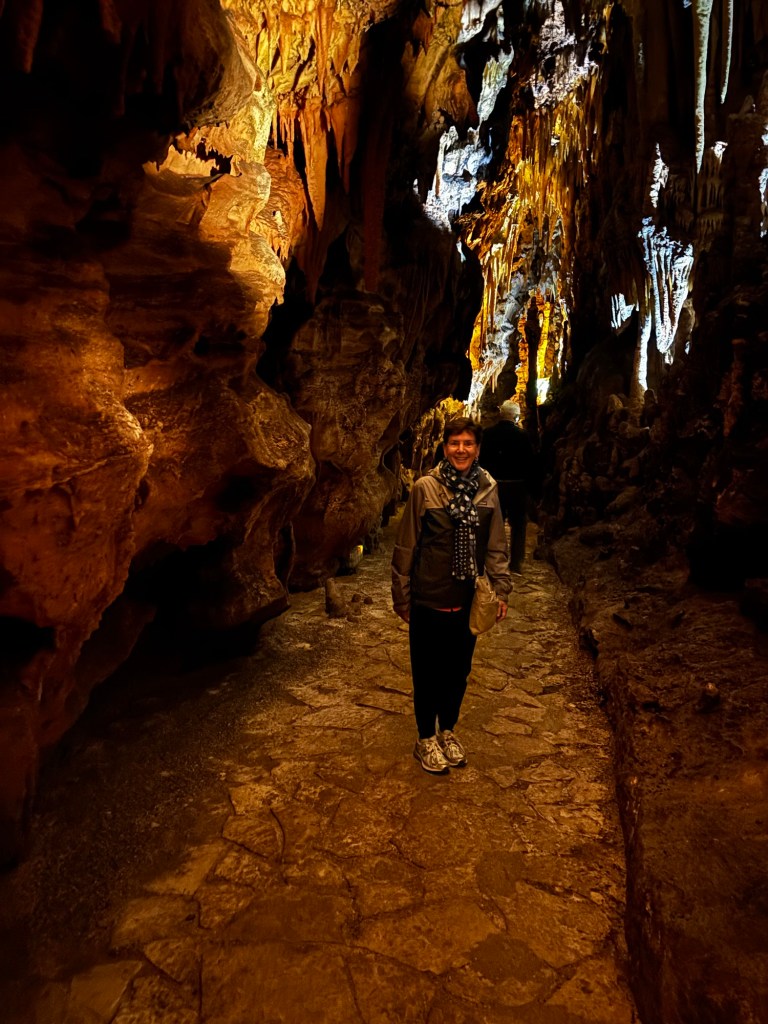
Around every turn were more intriguing rock formations.

At our deepest we were 72 metres underground and walked a one Km loop. A longer, deeper option was available but we opted against it given it was now early evening and we’d had a busy day.

Fortunately an elevator had been constructed at the periphery of the main cavern so we avoided a long hike back to the surface. Priceless.

It was dark when we got back to the hotel so it was time to dig into our wine supply and then turn in. Tomorrow it’s back on the bike but this time a cross country ride to visit various towns.

Bikes & Diving

A solid nights sleep seemed to indicate we are back with coordinated body and local time zones. The day began with a threatening black sky which would have derailed our planned bike tour through parts of Bari.

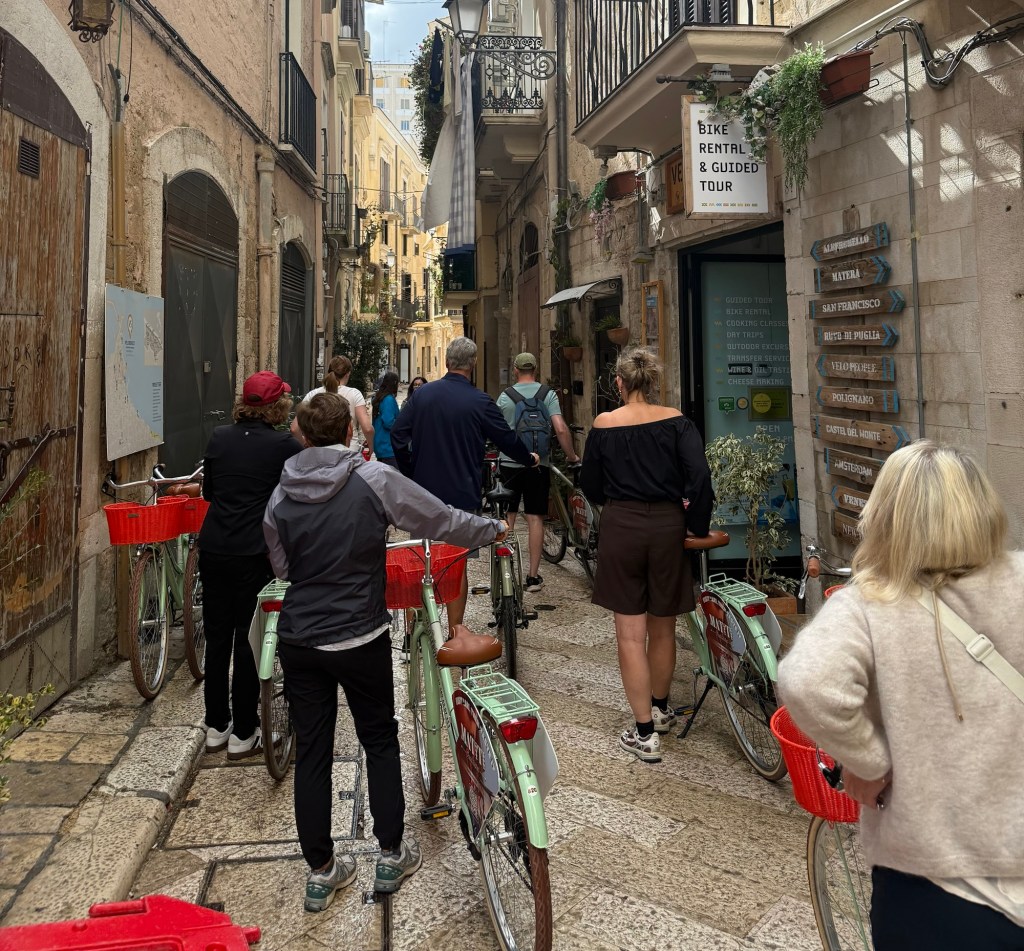
It was warm but blustery on our ten minute walk to the tour operator where we were teamed up with six others (2 Irish and 4 Dutch) and assigned good old fashioned bicycles, i.e. no E-bikes.

(If using a phone click on a photo to see the full image)

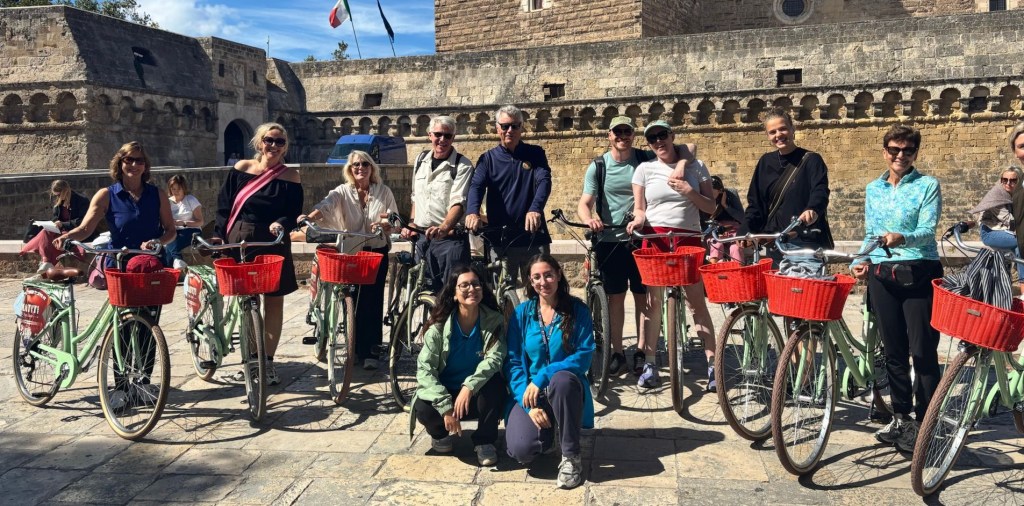
Getting ready to start the bike tour

A brief rainstorm did occur but fortunately prior to our tour starting.

The city of Bari has two distinct areas in the city centre. The old town expanded as the Greek settlement Barion in the 8th century BC but fell to the Romans in 3rd century BC and renamed Barium.

After the fall of Rome, Bari came under Byzantine rule in 554 which lasted until 1071 when the Normans captured the city ending centuries of Byzantine dominance.

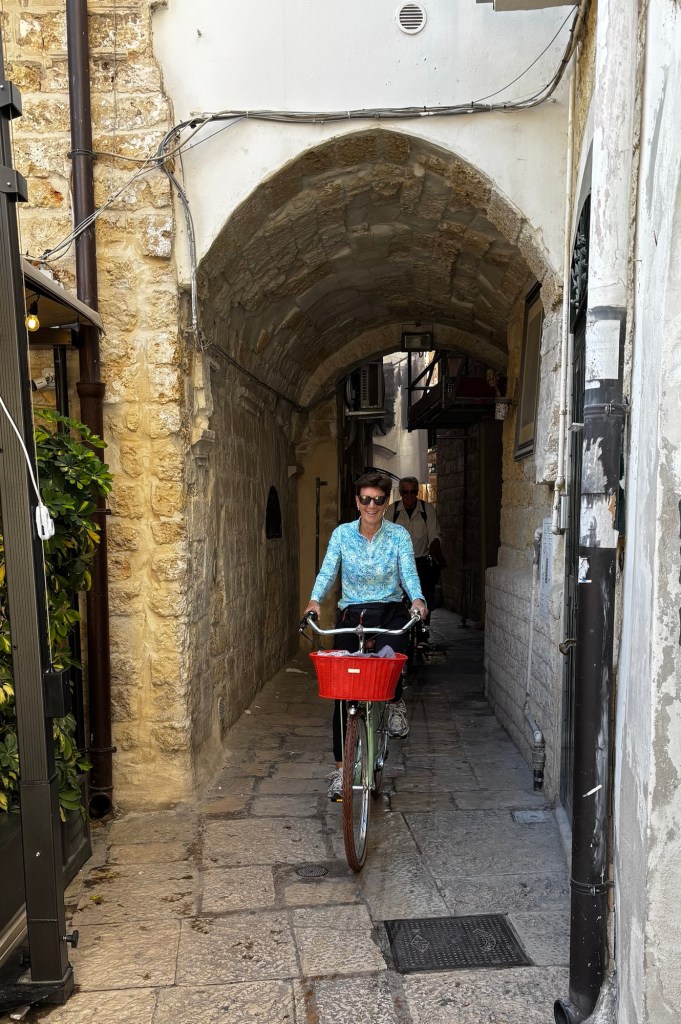
This area consists of small twisted streets with barely any space for pedestrians so, of course, we rode our bikes down alleys, through plazas and around merchant’s displays. Surprisingly no accidents were reported either amongst our group or unsuspecting people on foot.

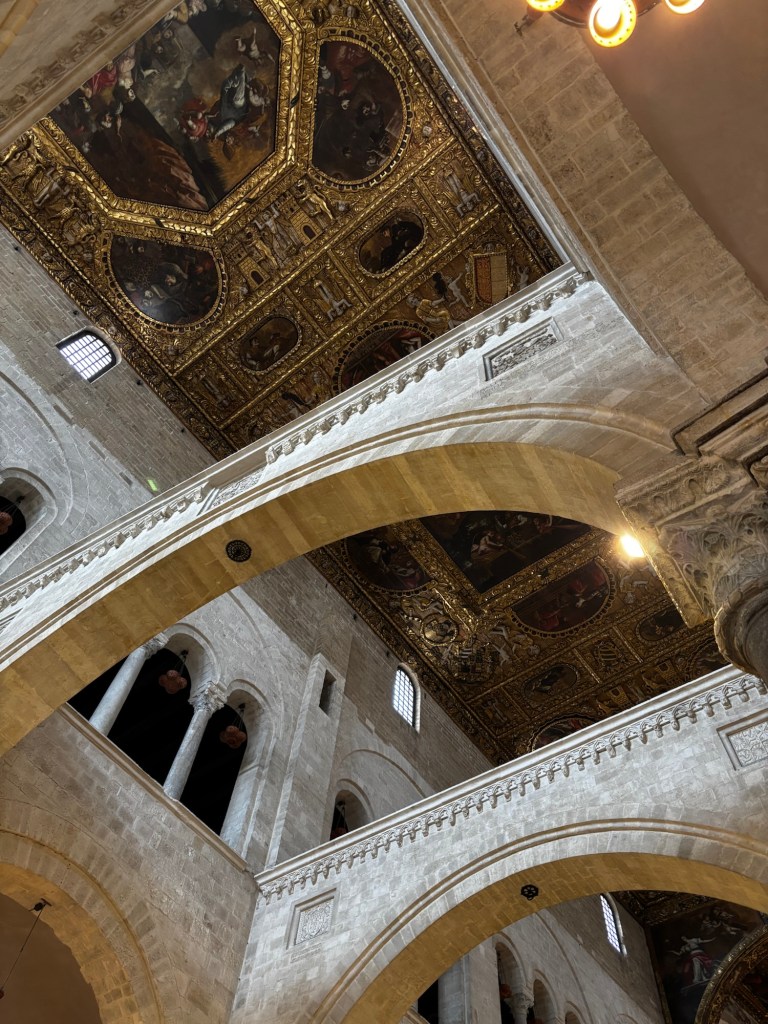
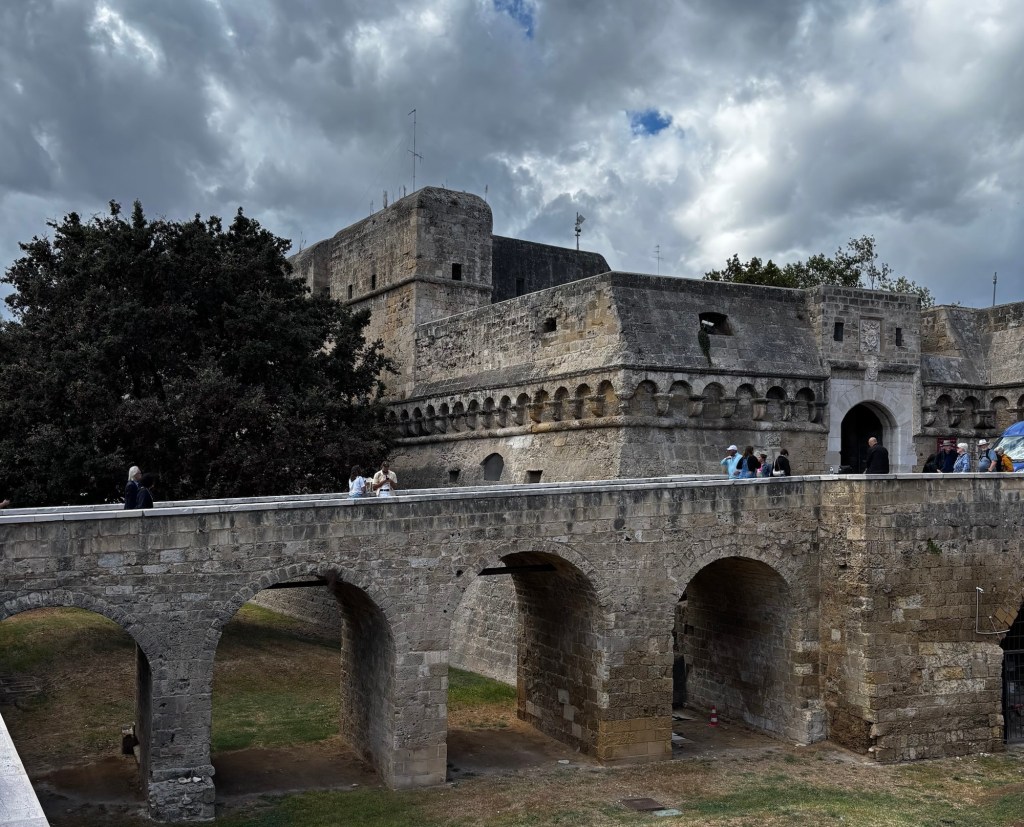
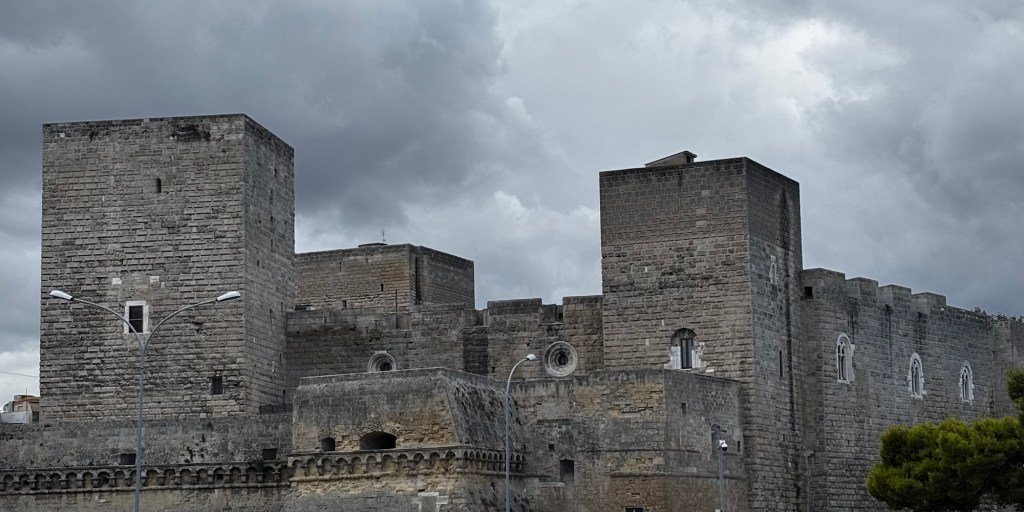
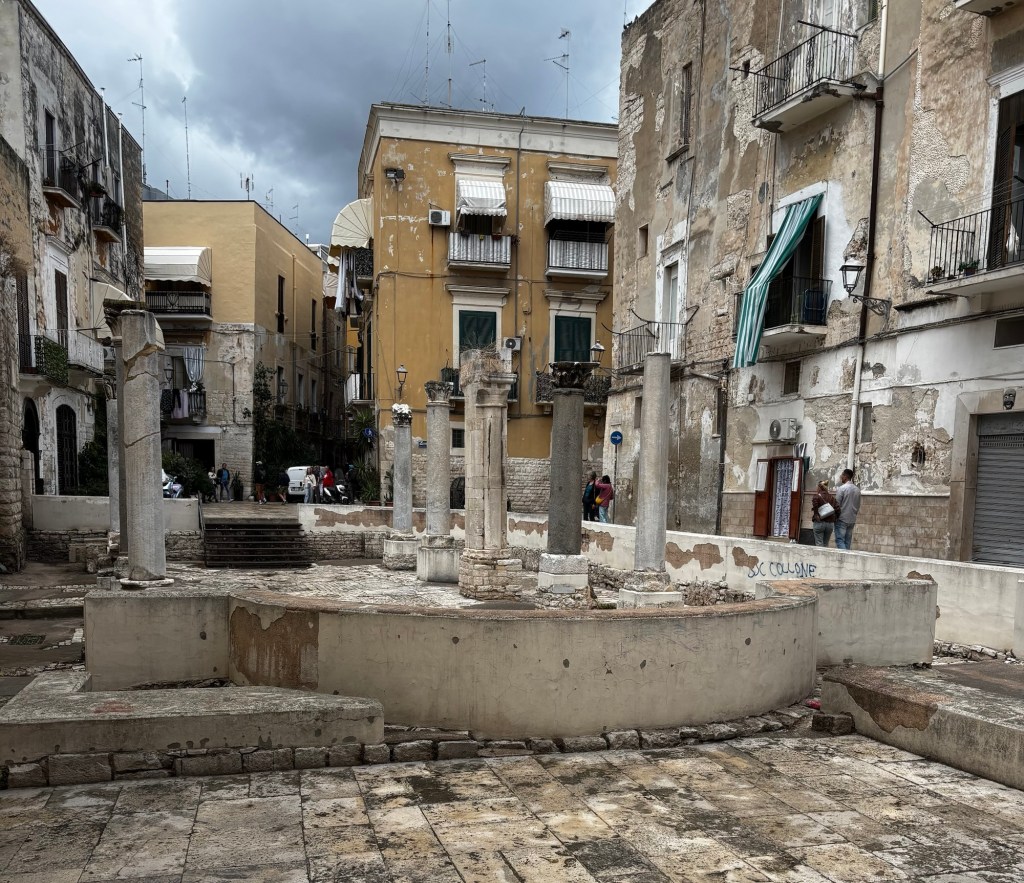
At various stops along the way we visited Roman ruins, a church with an incredibly ornate ceiling, and the fort built more than 1,000 years ago.
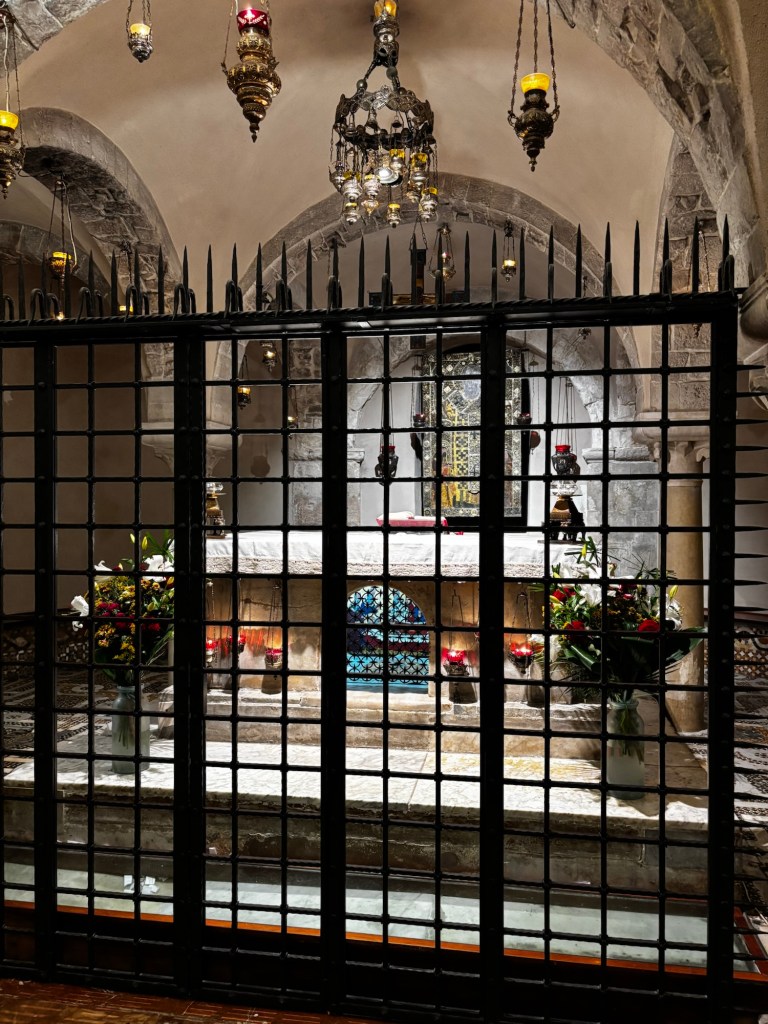
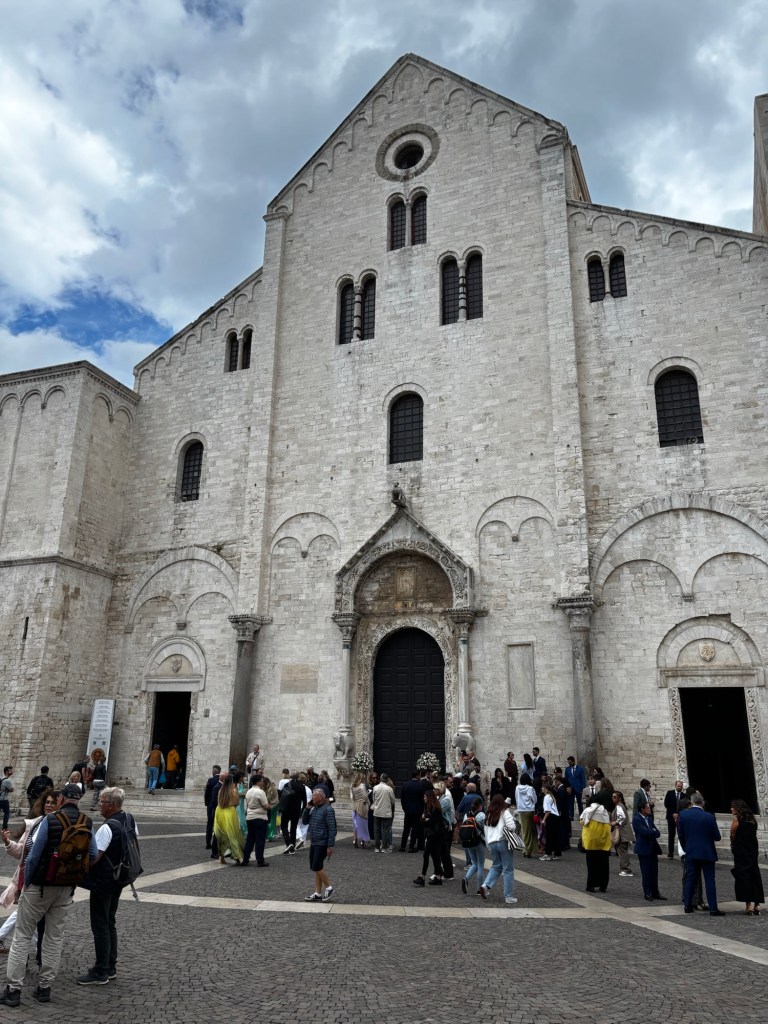
Bari is famous as the burial site of Saint Nicholas. In 1087, sailors brought his bones from Turkey, transforming the city into a major medieval pilgrimage destination and inspiring the construction of the Basilica of San Nicola.

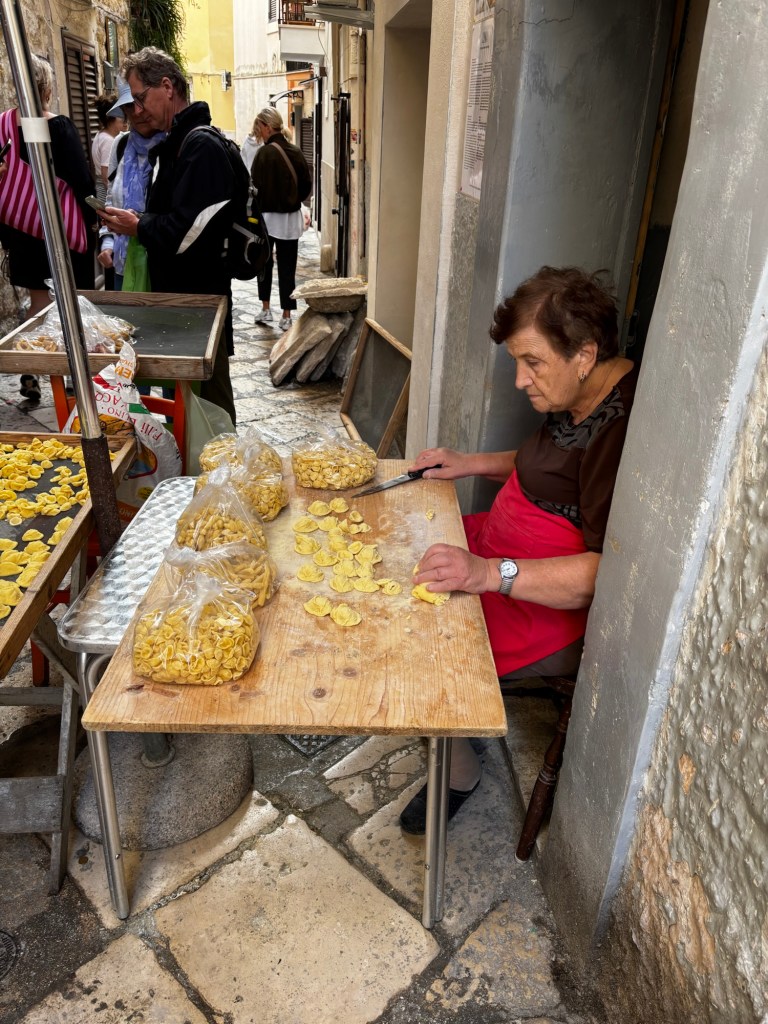
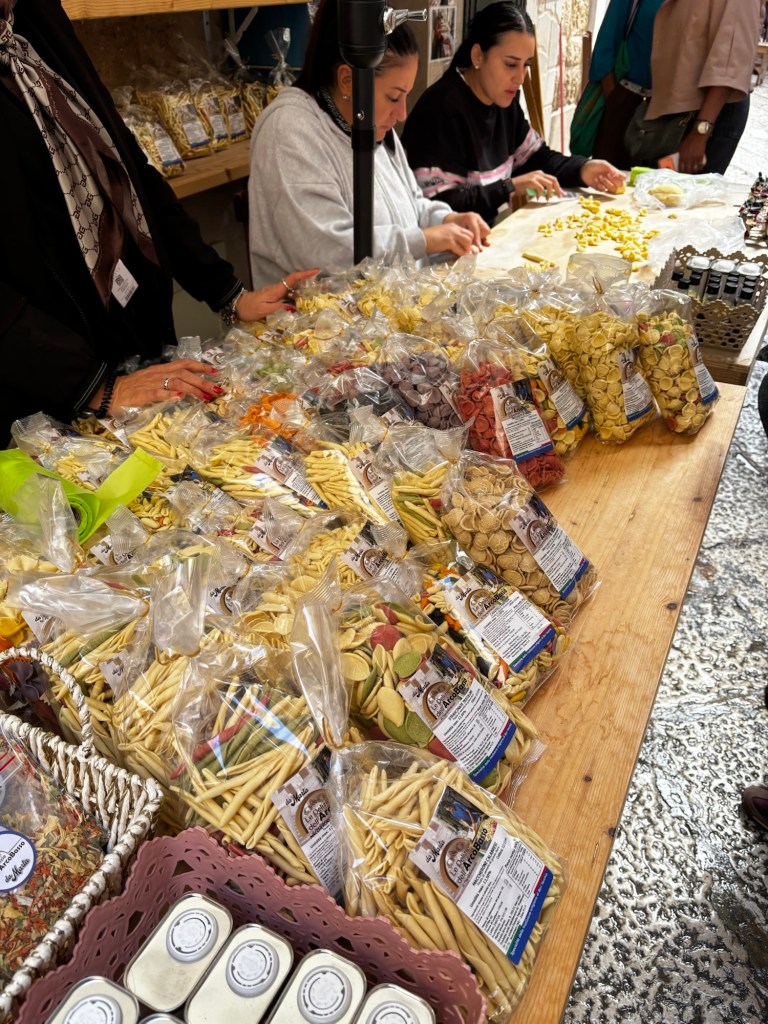
Our final stop in the old city was a unique street where elderly ladies displayed how to make orecchiette (ear shaped) pasta. I’m not sure modern machinery could do it faster or more consistently.

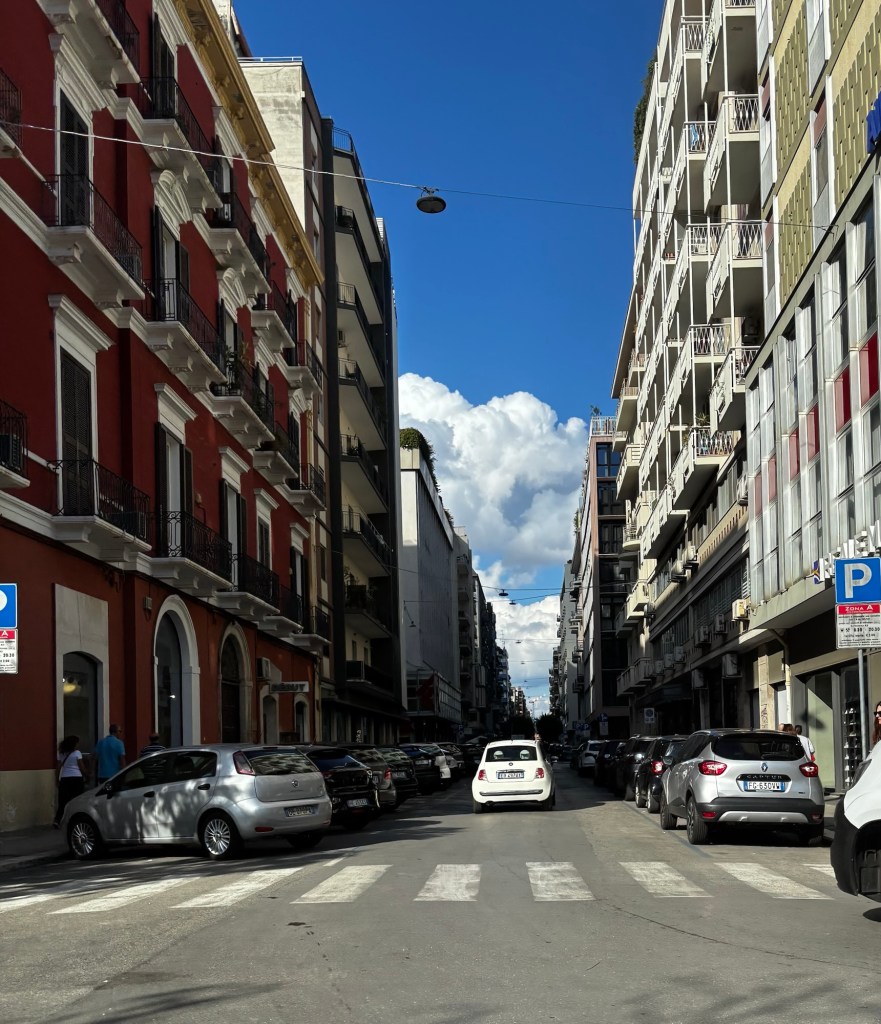
The Spanish, Austrians and Bourbon’s all had turns controlling Bari before the French arrived in the early 19th century. This gave rise to a second section of the city called, naturally, the French quarter or Murat district. It’s a modern grid of streets where, much to our astonishment, divers refrained from making our bikes hood ornaments.

Our “peloton” wrapping up its tour.

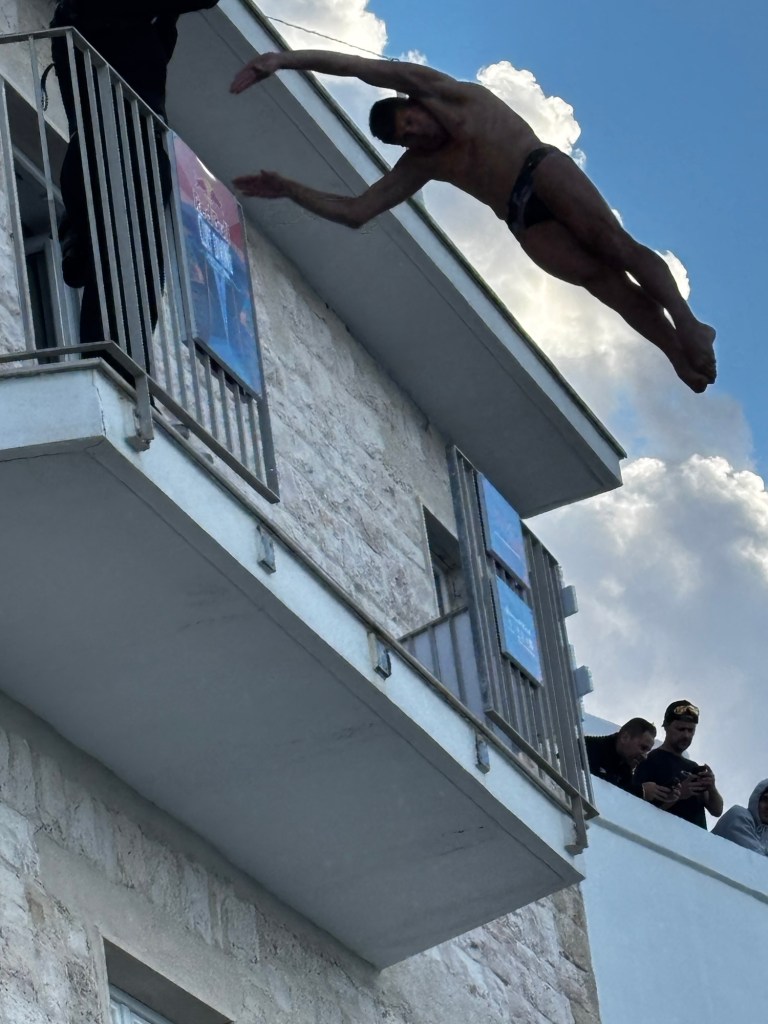
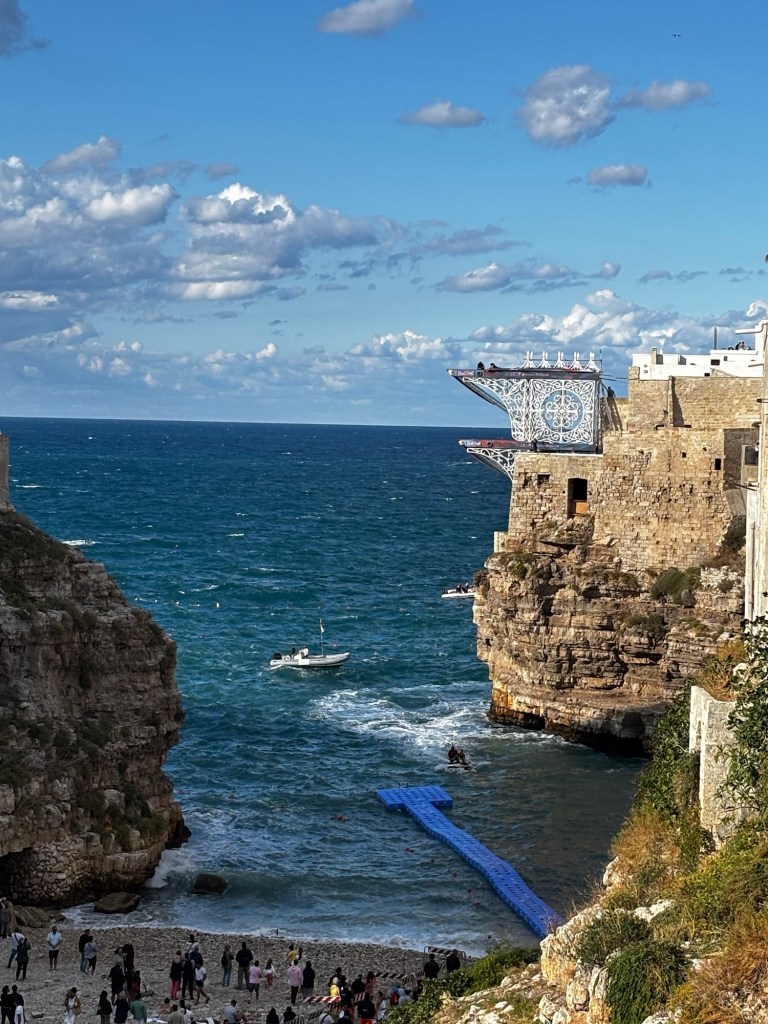
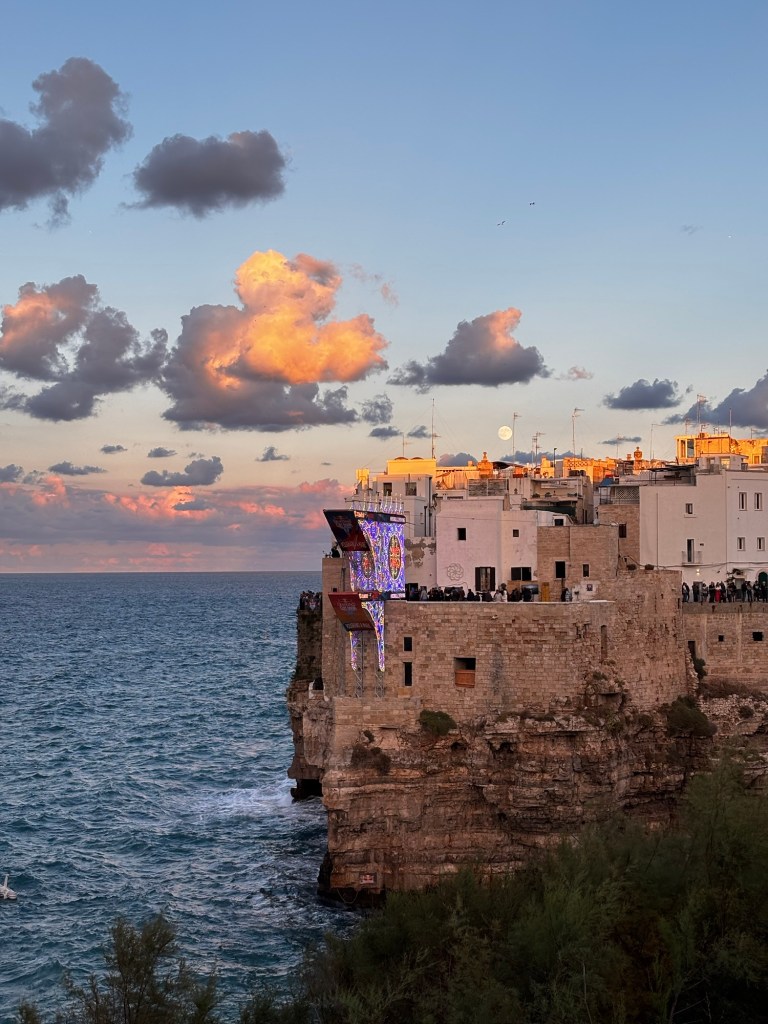
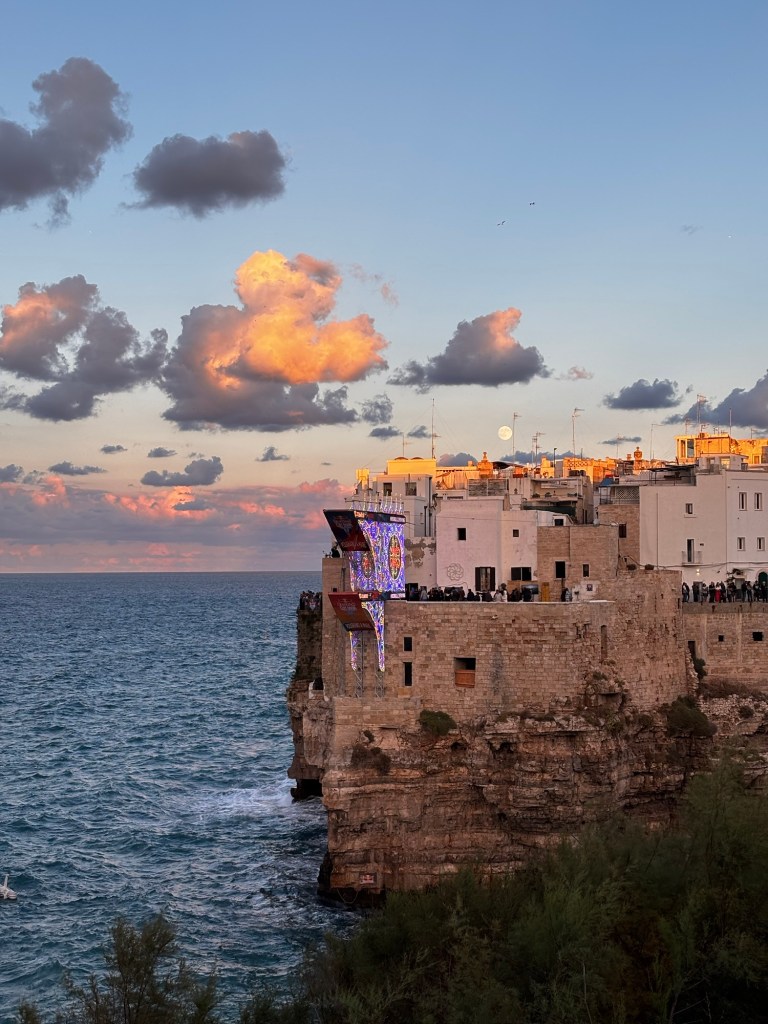
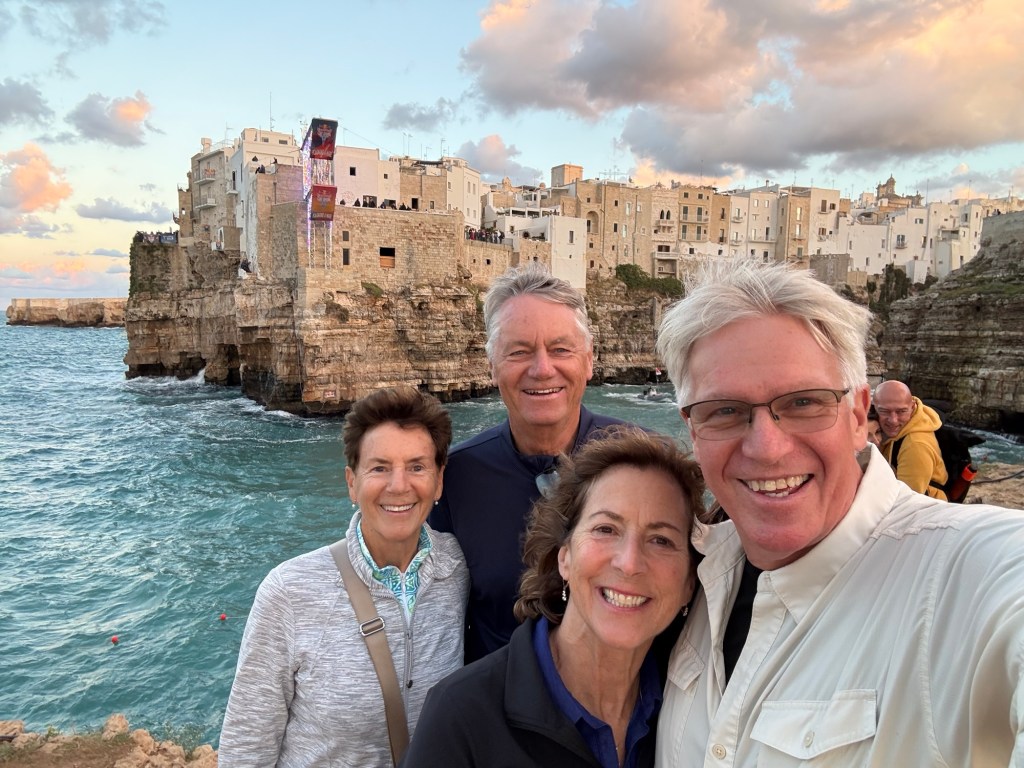
After a pizza lunch – Neapolitan style of course – it was into the rental car for a 35 minute drive down the coast to Polignano del Mare intending to visit its famous beach, Lama Monachile. Little did we know we had stumbled across the Red Bull cliff diving championship, part of a global series of competitions.

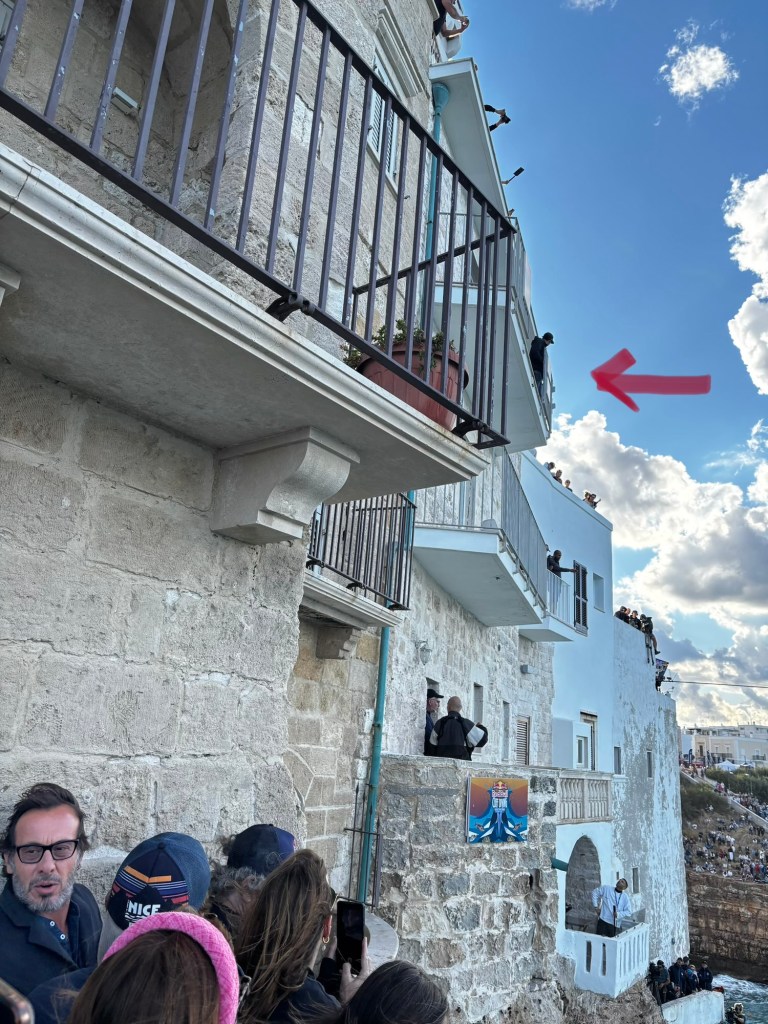
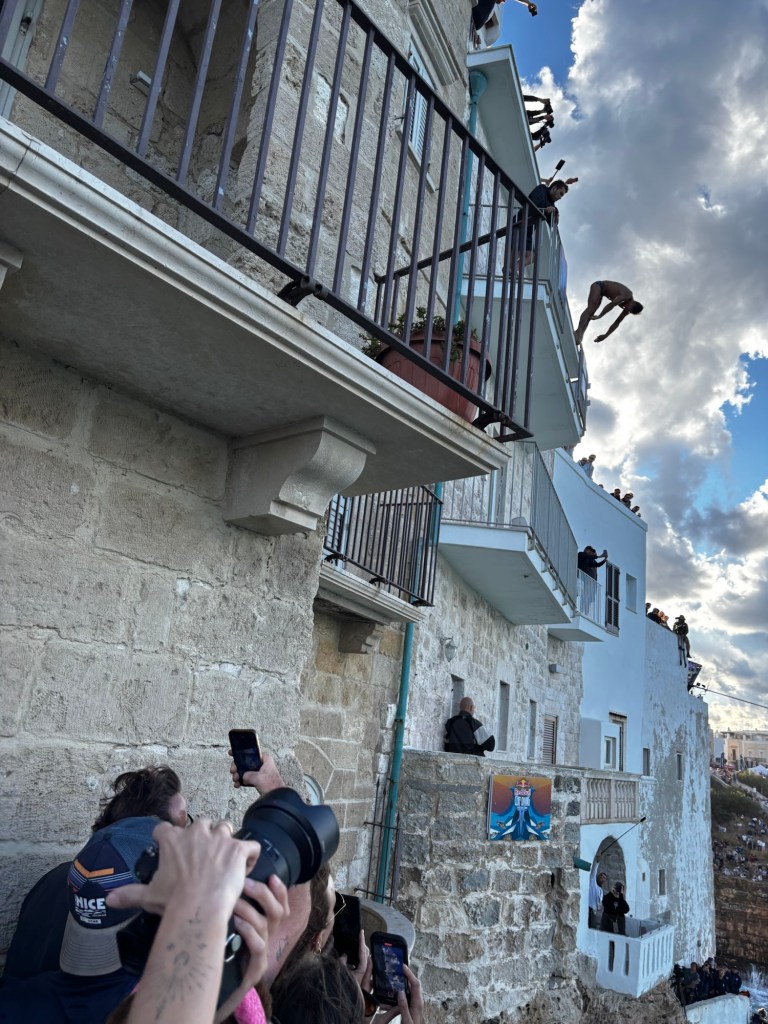
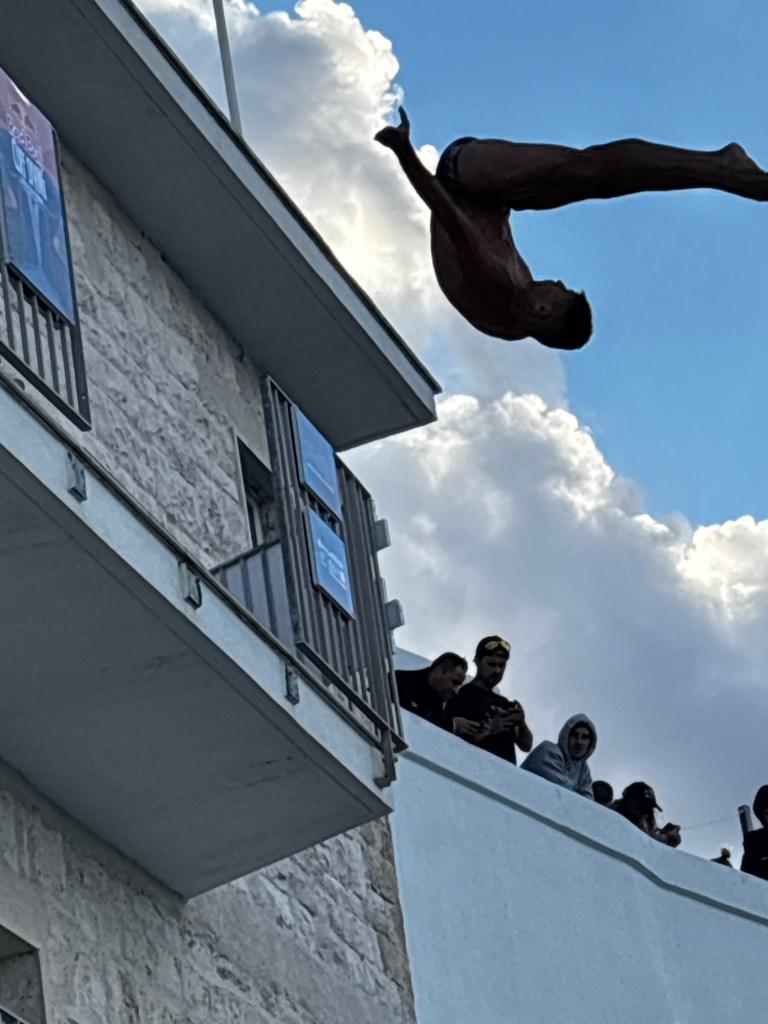
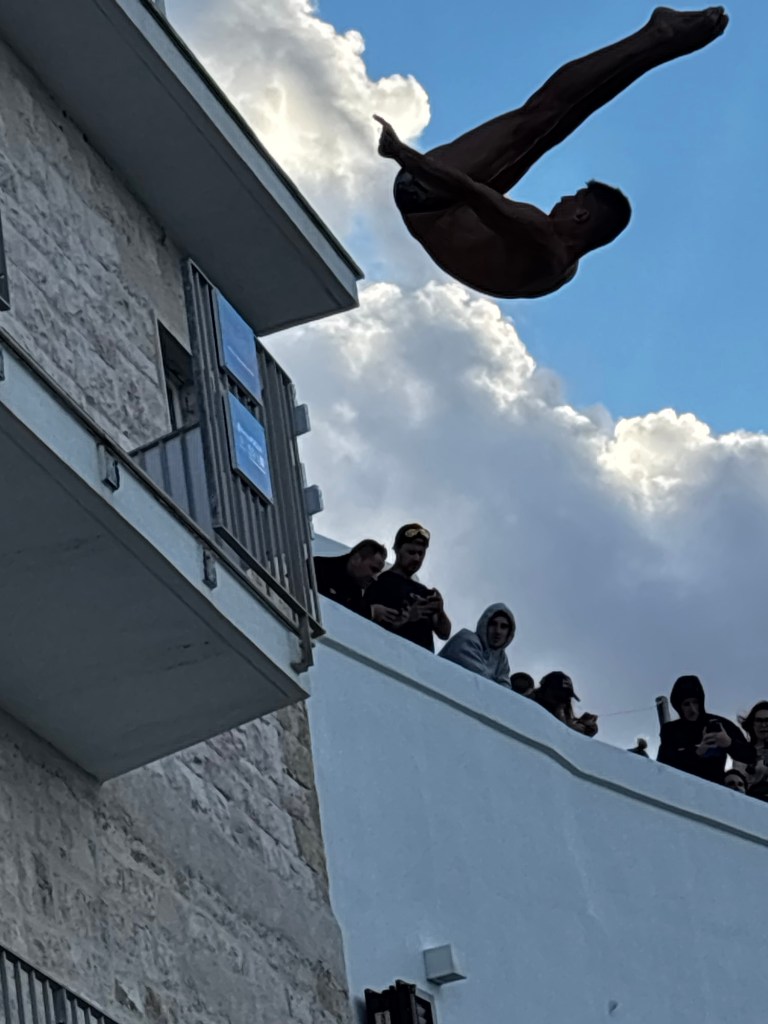
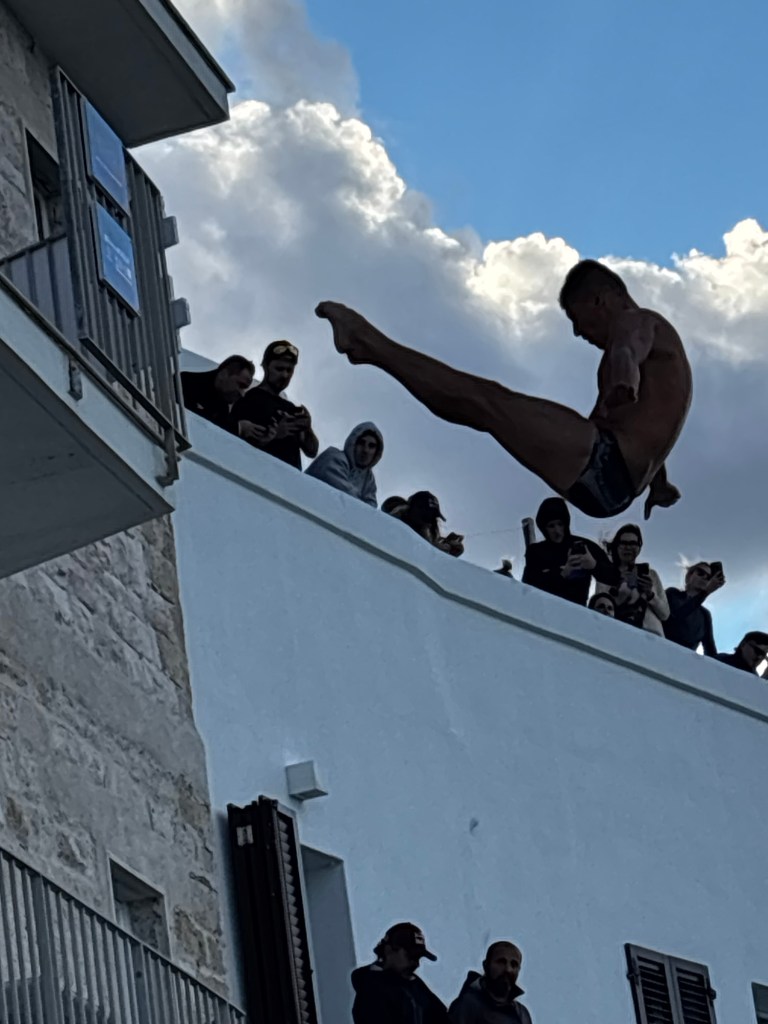
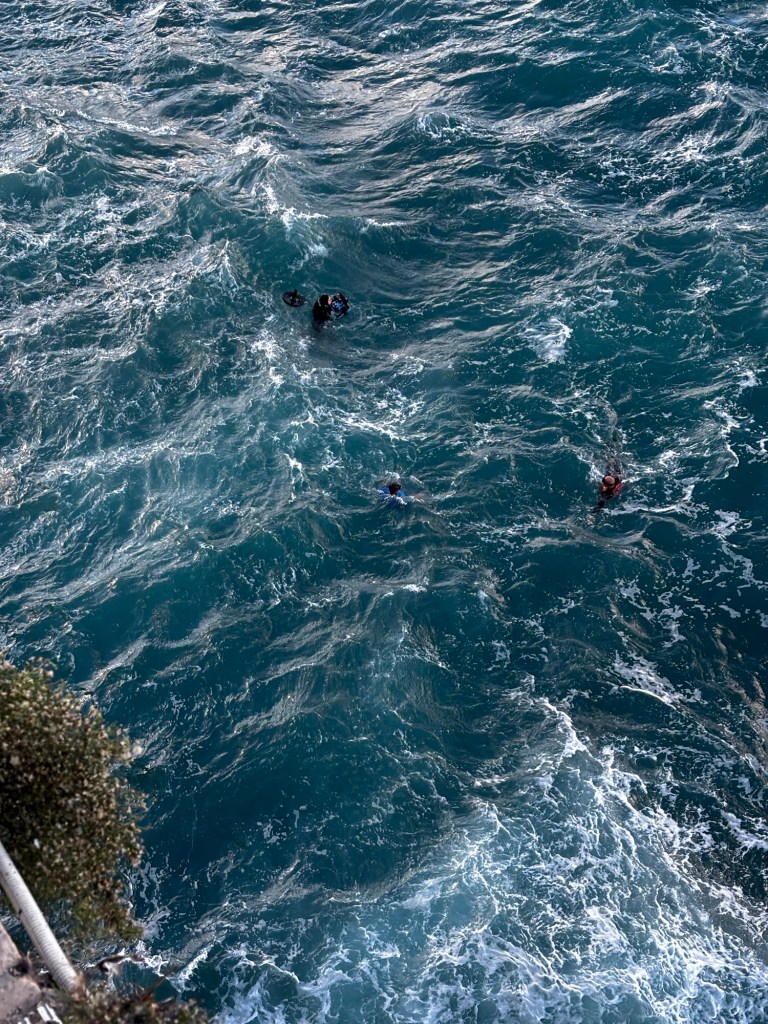
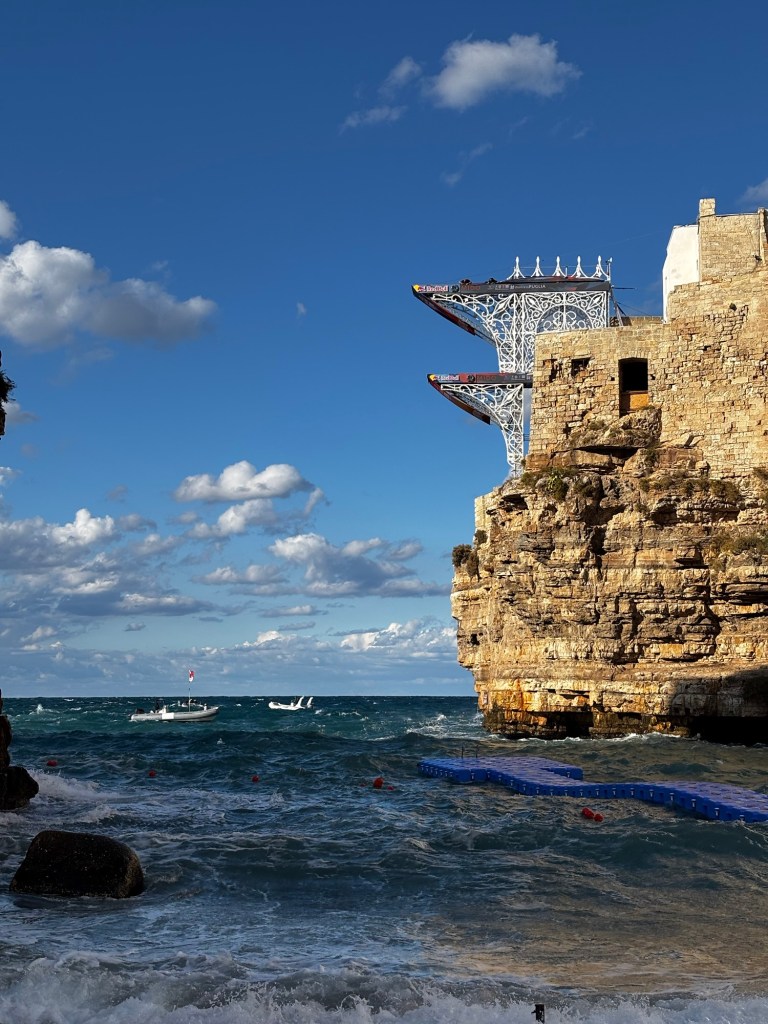
Imagine a three day festival of loud thumping music attended by tens of thousands of spectators where men and women leap from insane heights into a churning sea. Today, wind and wave conditions necessitated the use of a balcony from a private residence versus the unique diving platform built for the event.

Men dive from a height of 27 metres (88 feet) while ladies go from 21 metres (69 feet). Contrast that with Olympic platform diving from 10 metres, oh, and indoors to a perfectly flat pool surface.

We managed to wriggle our way to a vantage spot just below the men’s balcony and watched them “leave”.

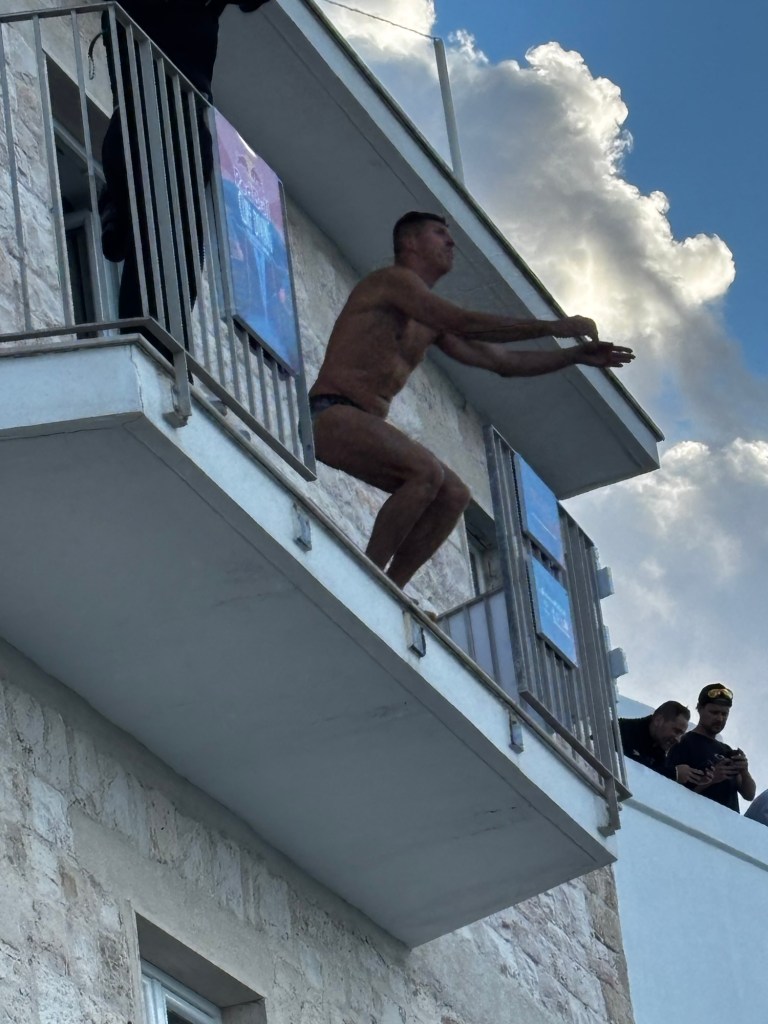
We then got even closer and zoomed in.

We could not see them land but there was a full crew in scuba gear and sea-doos waiting in the water to assist if necessary and provide a ride back to shore.

This was day one of three and one can only imagine the spectacle when weekend crowds arrive and the proper towers are used.

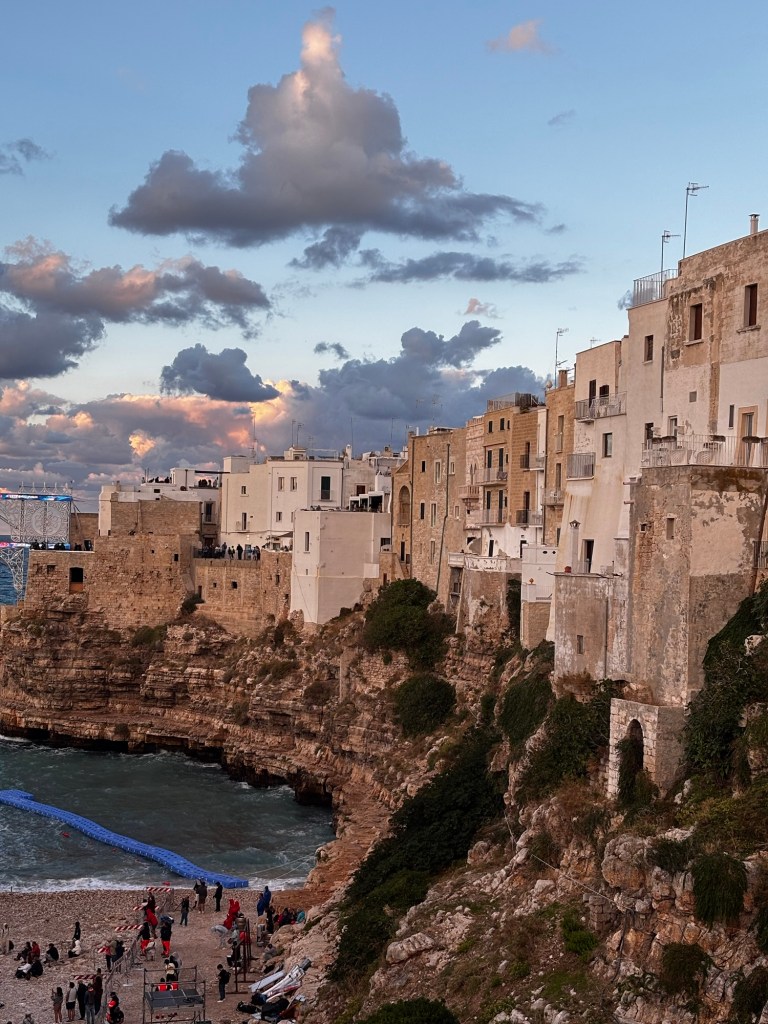
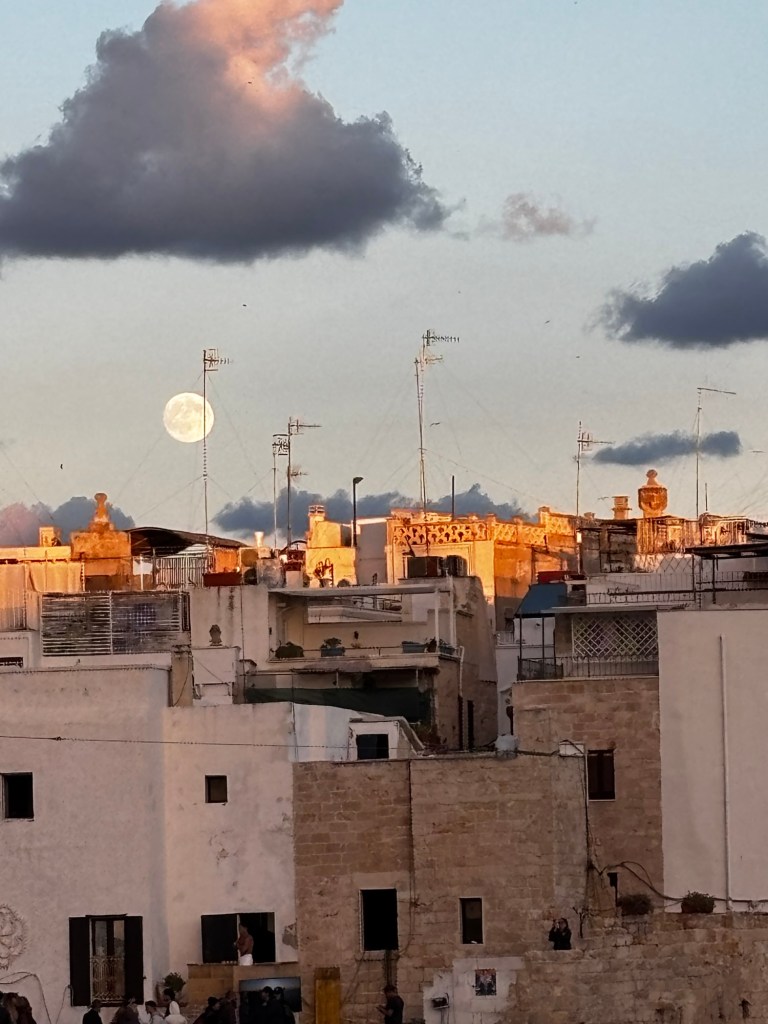
We walked around to the far side of the bay to get another perspective and enjoy the serene setting with a full moon to boot.

Dinner beside the cliffs and a smooth ride home ended a full and eclectic day.

Planes & Trains

Well, that was a journey! Our decision to fly ITA, the phoenix version of Air Italia, started off in a peculiar manner. A 15 minute shuttle bus ride took us from the main Toronto terminal to another facility in the most remote north west corner of the airport. Who knew it even existed!Then, despite holding business class seats it was a one for all boarding process and the herd pressed forward. Fortunately we emerged unscathed.

The Montalcino Red came later with dinner

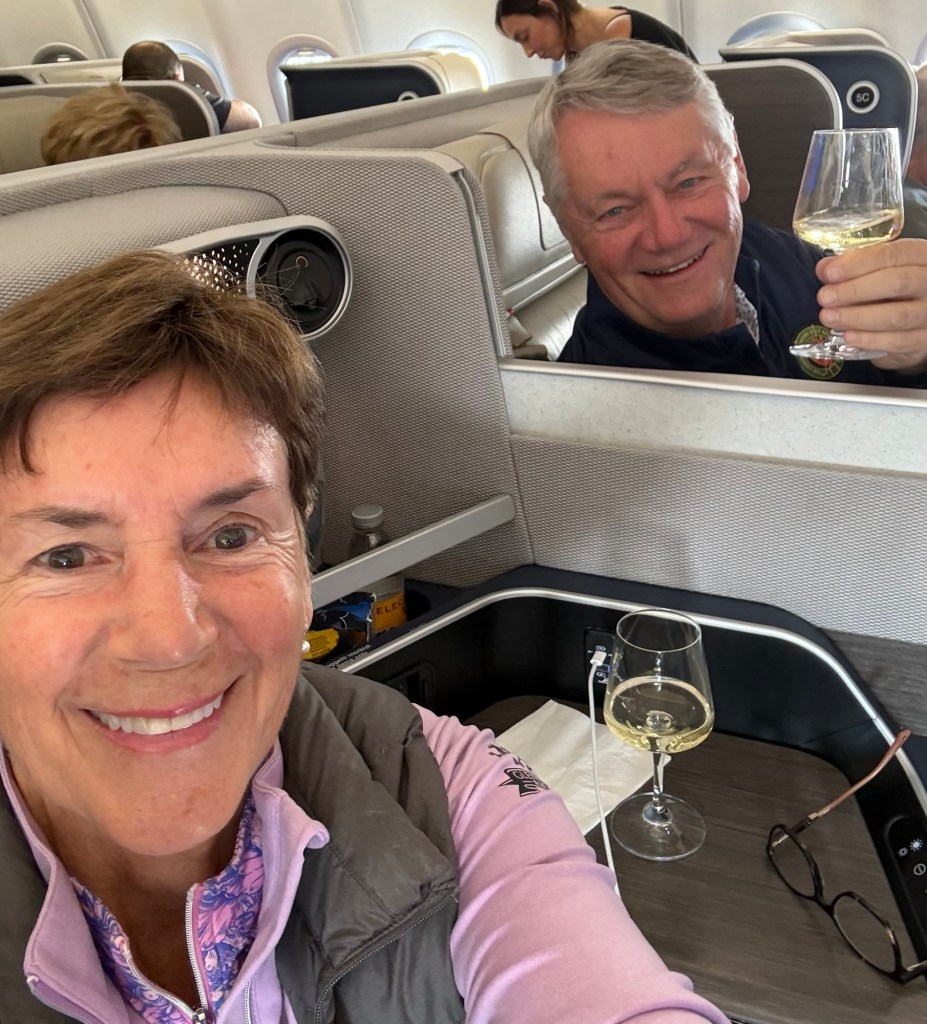
Our late afternoon departure meant an awkward schedule of dinner at 6:30 and then an attempt to sleep at 9:00. The lay down pods helped but it was up and at ‘em at midnight body time for breakfast. Needless to say an early circadian challenge.

The recently introduced Shengen region biometric identification process in lieu of speaking with an immigration officer was seamless when we landed in Rome and we were waived through in record time. CDG in Paris should take note given our opposite experience there on a previous trip.

A long hike through the Rome airport took us to the commuter train station for a 30 minute ride to the main rail terminus in the city. Roma Termini is three levels of masses of travellers, many of whom appear lost and unable to speak Italian. It verges on chaos but somehow manages to get people in and out, presumably to their desired destinations.

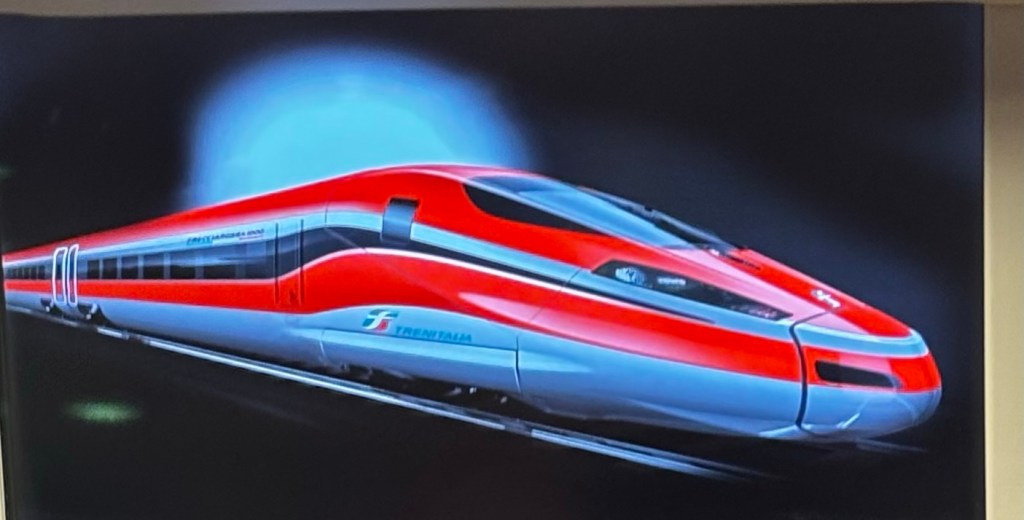
We opted to take the 4 1/2 hour train ride cross country given timing and availability of flights to Bari. Plus a chance to ride the Frecciarossa (red arrow) was not to be missed.

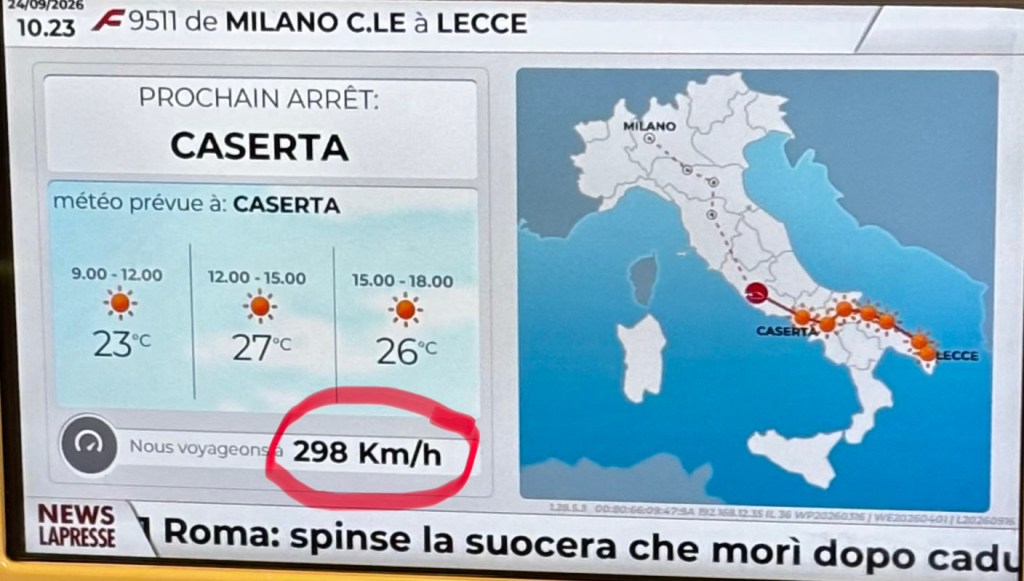
The route involved a surprising number of tunnels early on before the landscape gave way to agricultural fields of grape vines, endless olive tree plantations and as we went further southeast, cactus and palm trees. Of course at nearly 300 kph most everything was a bit of a blur.

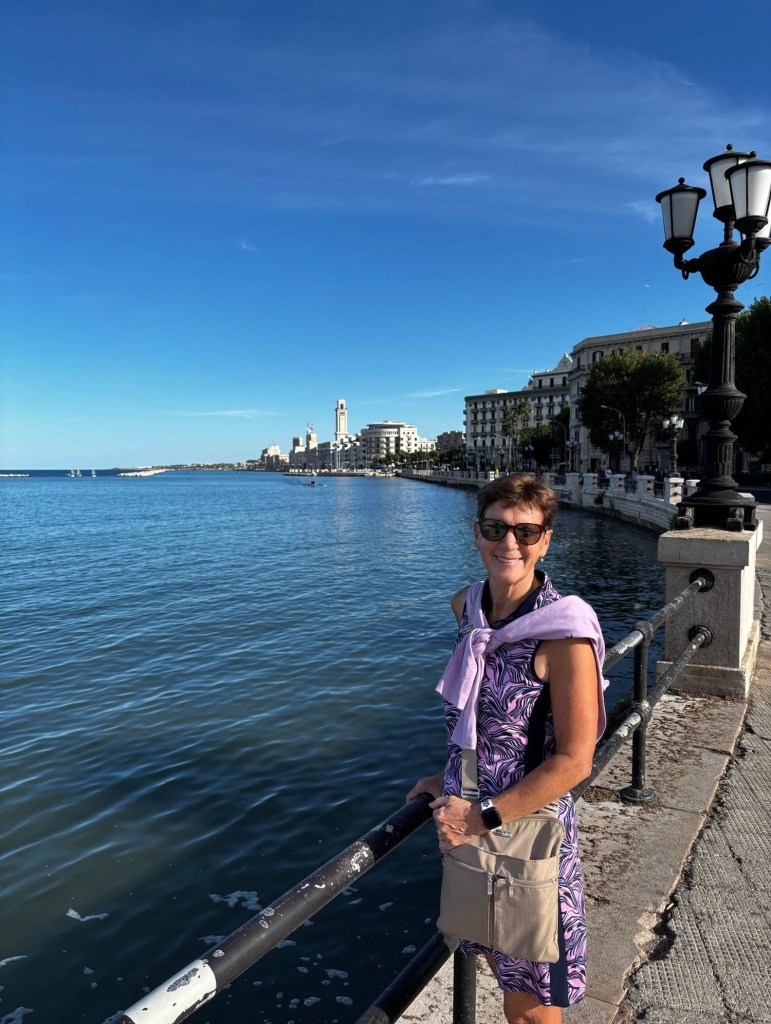
We arrived in Bari earlier that Louise and Doug so, of course, having been up and on the go for close to 28 hours, we went for a wander. Home to close to 500,000 people, most of who are either tearing about on scooters or driving cars slightly larger than lawn mowers, Bari seems to be hopping.

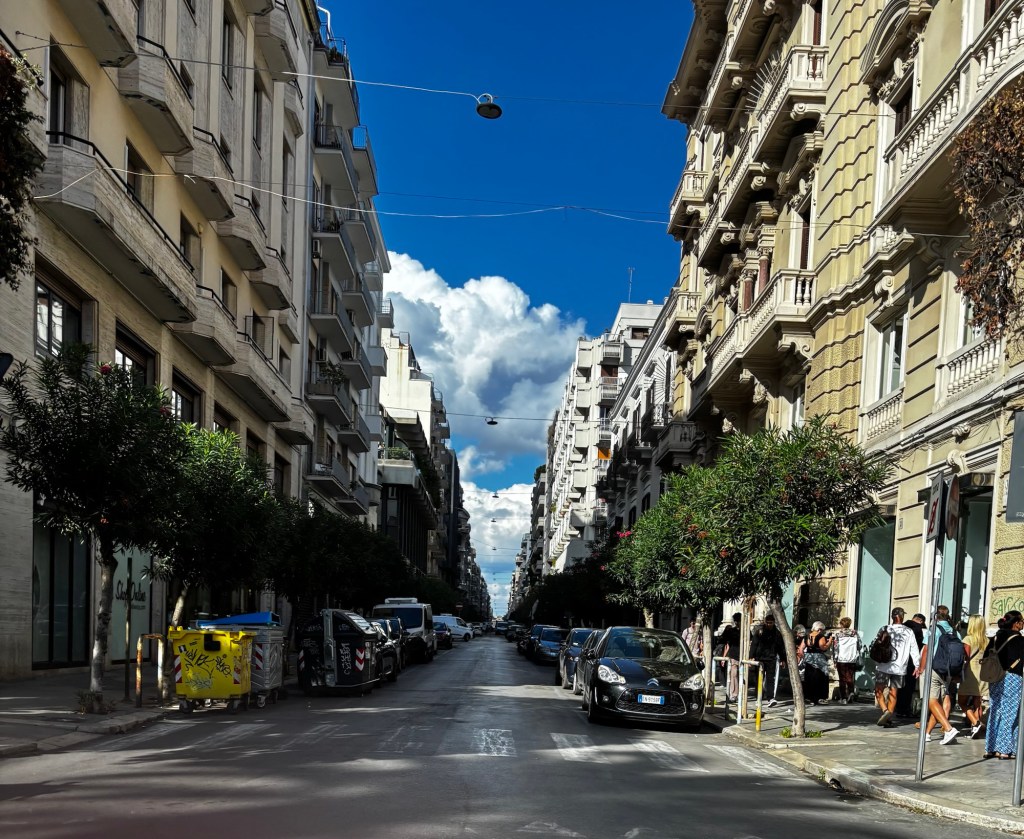
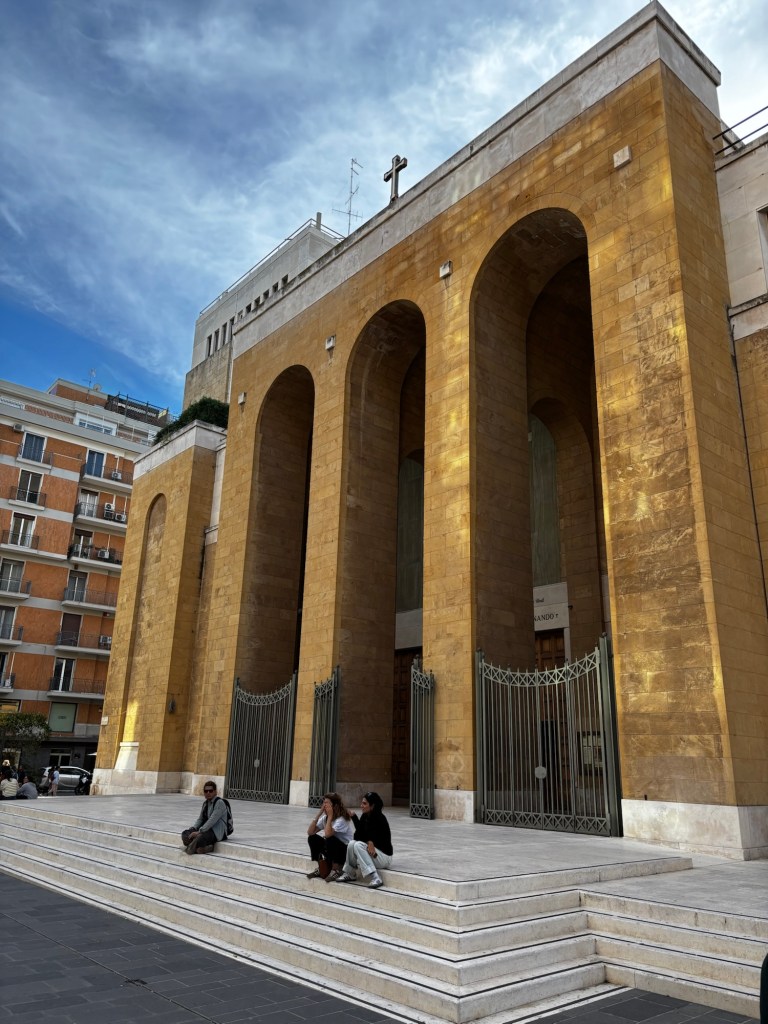
There are wide pedestrian boulevards all lined with name brand retailers, dozens of restaurants spilling out to occupy sidewalk space and intriguing architecture that by European standards is very young.

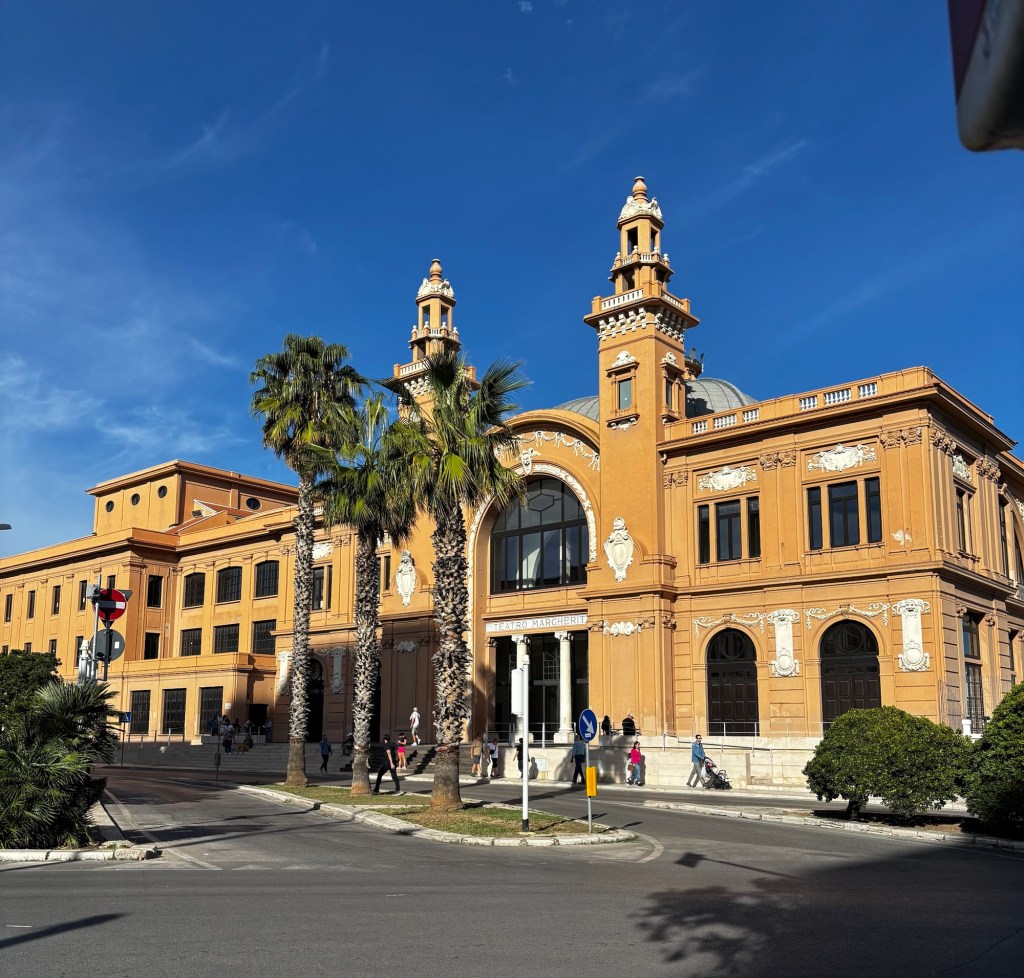
The Teatro Margherita 1912

We linked up with Louise and Doug around 7:15 and walked 10 minutes to one of the aforementioned sidewalk restaurants. My first experience with Orecchiette (ear shaped) pasta was a positive one as was the bottle of Negroamaro wine. Definitely need more intense research though.

Tomorrow we have a bike tour of the city planned as well as more wandering. Hopefully our time zones will be aligned.

Benvenuta/Benvenuto & Viva Italia/Sicily

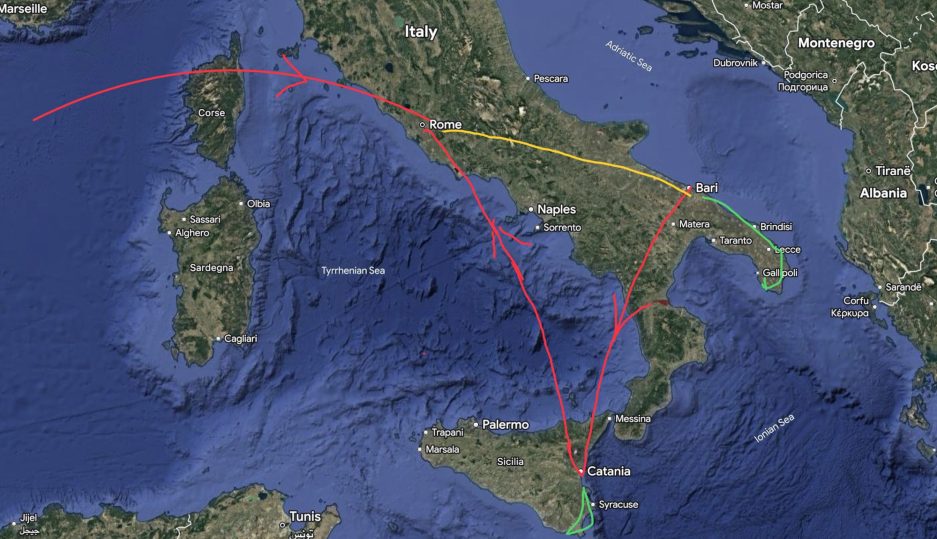
It’s off to Italy and Sicily we go (don’t ever suggest to a Sicilian they are Italian – more on that history in the days to come). Our travels will focus on the Italian region of Puglia which is the heel of the boot along the Adriatic Sea followed by a second week on the east coast of Sicily (fingers crossed that Mount Etna’s eruptions are finished for now).

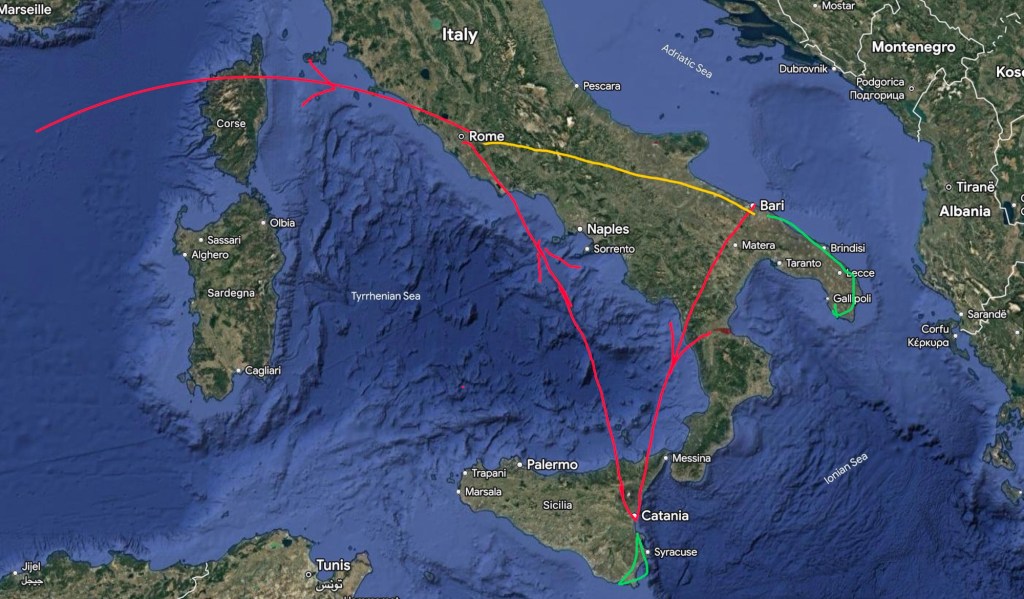
Red – Plane, Yellow – Train, Green – Car & Bike

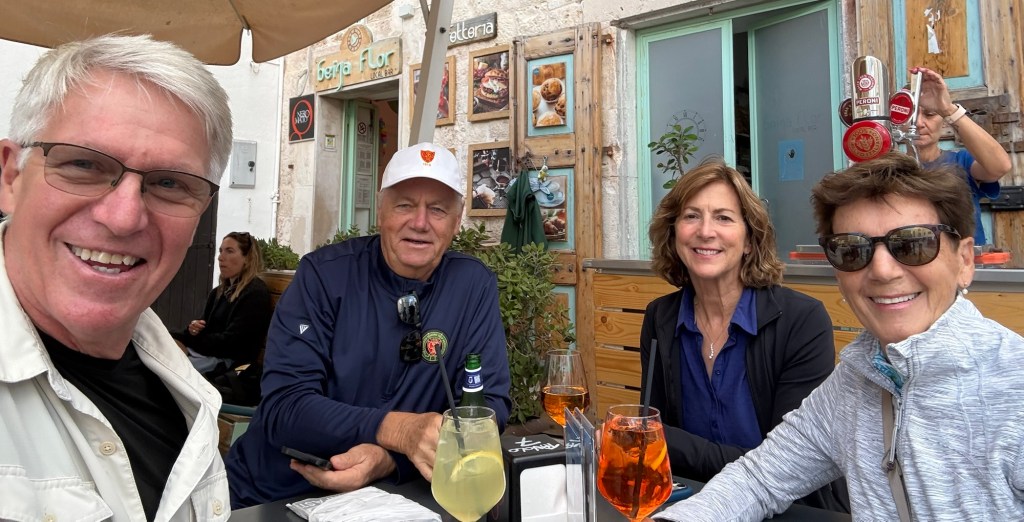
We’re with Louise and Doug Pegg with whom we’ve shared travel adventures to Peru, Chile, France, Spain and Portugal. So, two old hats at this sort of thing as we explore the wineries, monuments and assorted attractions in two very different cultures.

Of course, being a Bennett-Pegg tour there will be bicycling, hiking, exploring and learning all about the Primativo grape (Puglia’s dominant varietal) which is not to be outdone by the Sicilian Catarratto (White) and Nero d’Avola (Red). So much wine, so little time.

So stay tuned as we start our next adventure.

Melbourne Golf – Yarra Yarra

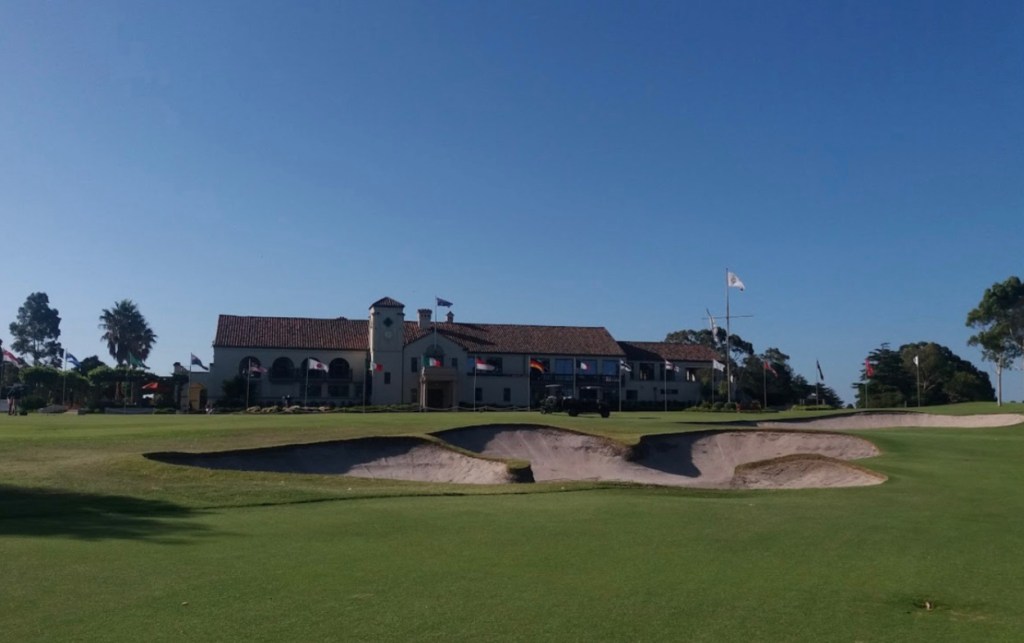
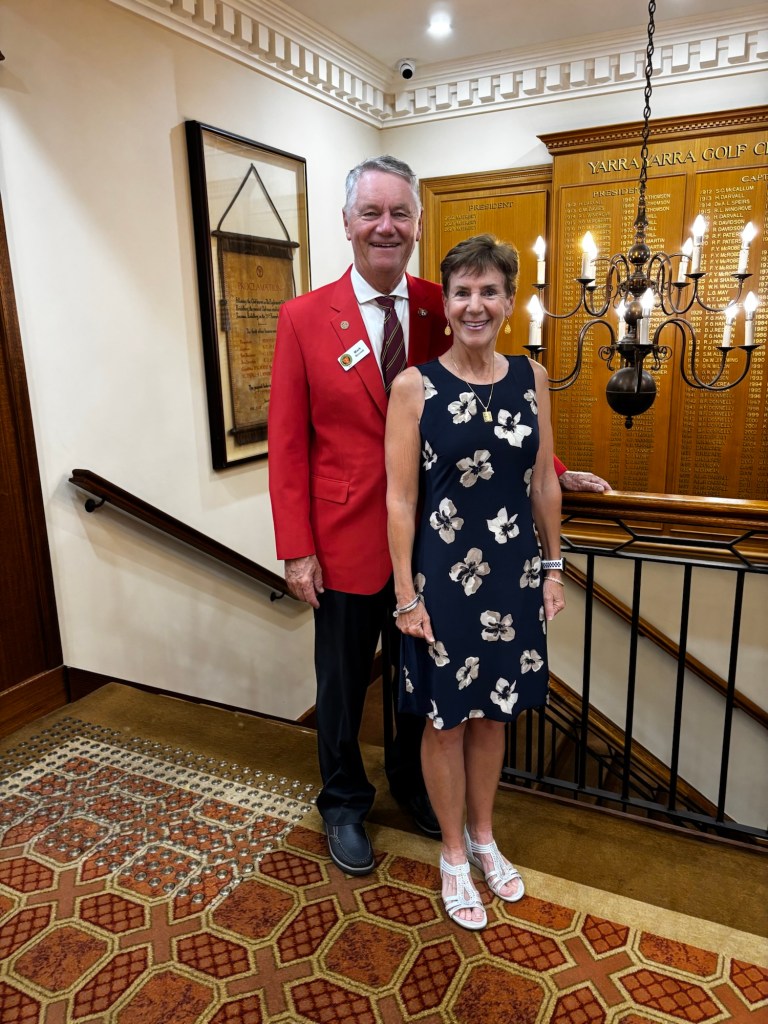
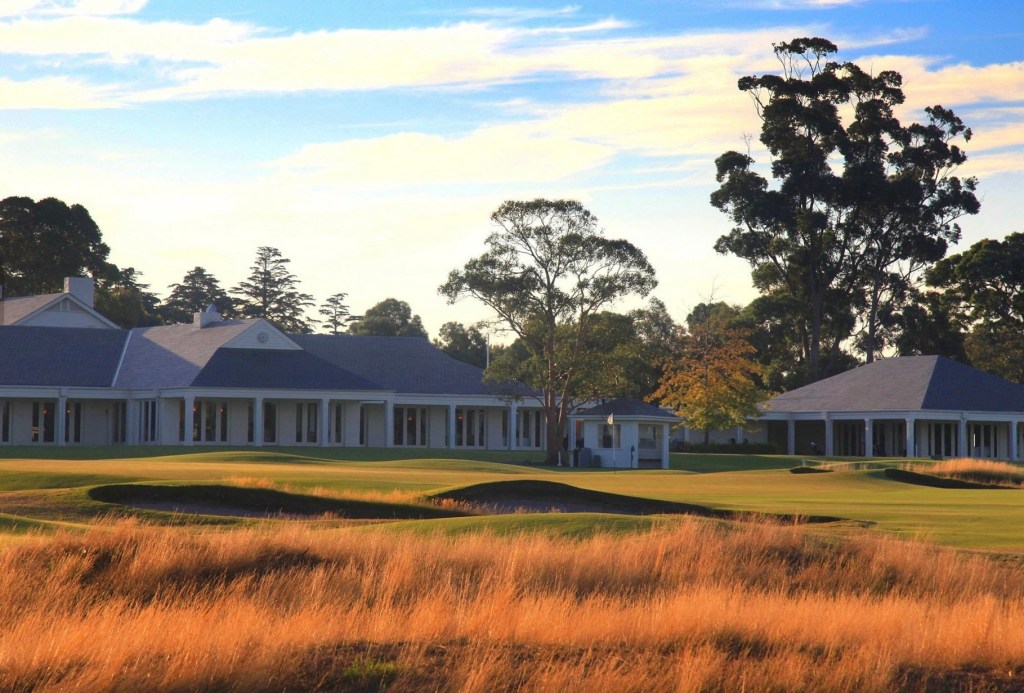
One of the eight clubs that market themselves as true occupants of the Melbourne sand belt is Yarra Yarra, 40 minutes southeast of the city centre.

Founded as a rough, 9 hole course at Eaglemont in 1898, Eaglemont Golf Club, as it was originally known, was also avant garde in that male and female members enjoyed equal rights from the outset.

In 1910 it decided to purchase land near the Rosanna railway station and was renamed the Yarra Yarra Golf Club opening for play in 1911. By the mid 1920’s a move to the sandbelt was pursued and in 1927 land was purchased at East Bentleigh, well south of the Yarra River in the heart of the famous Melbourne Sandbelt.

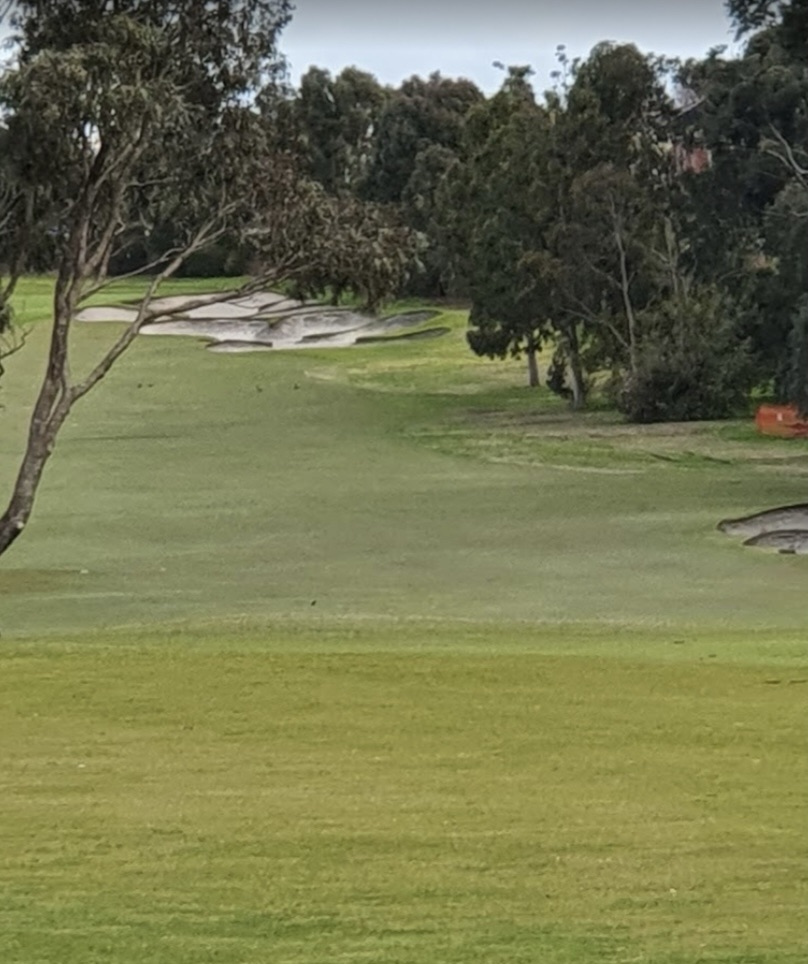
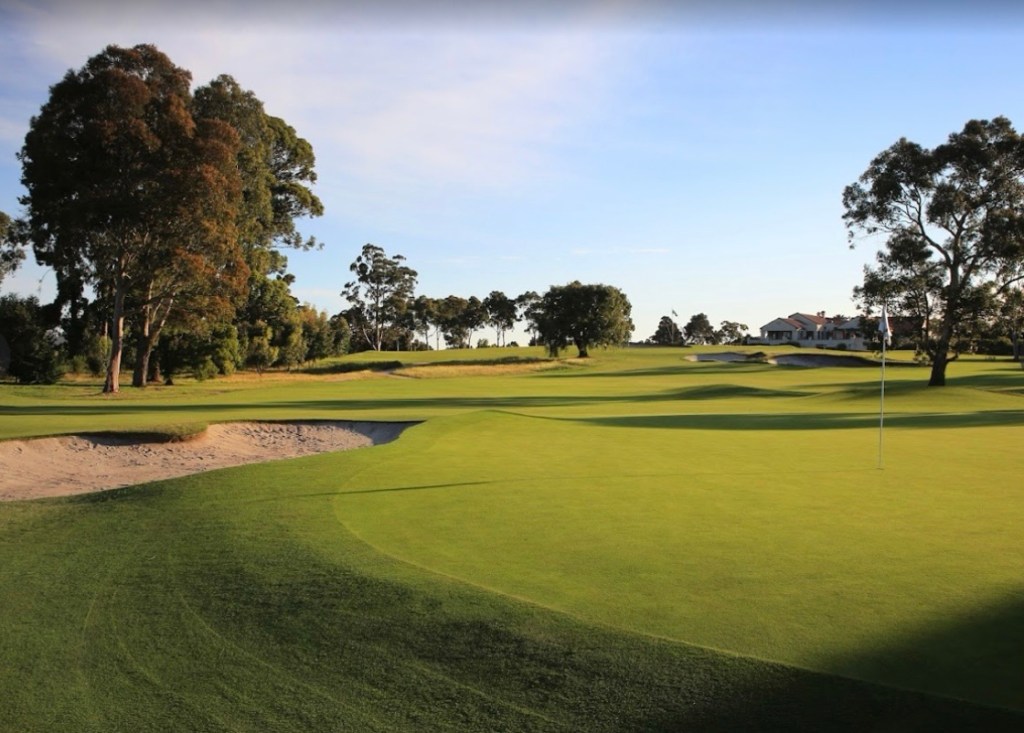
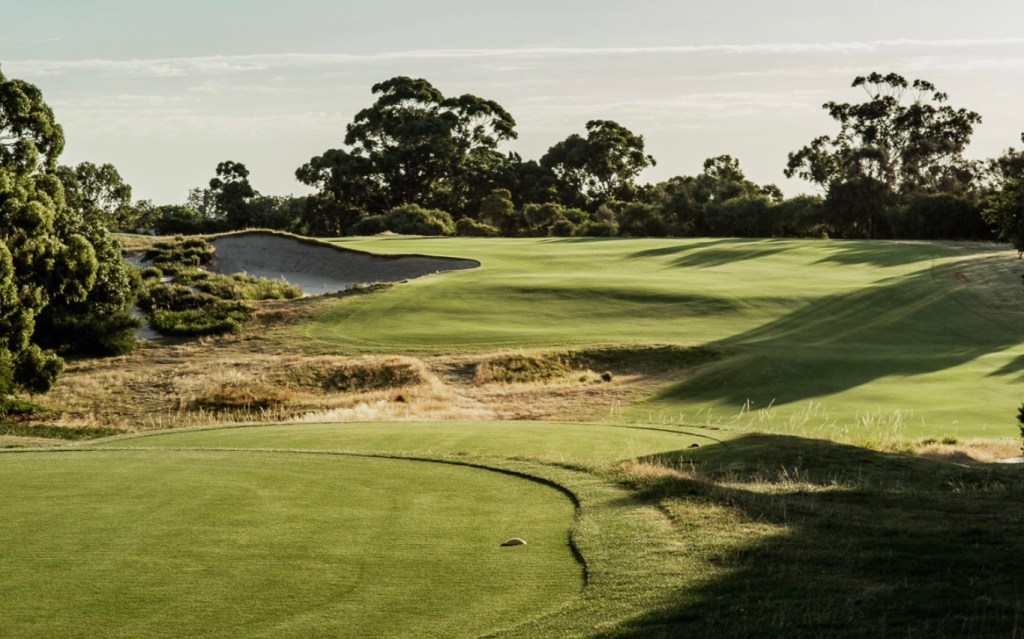
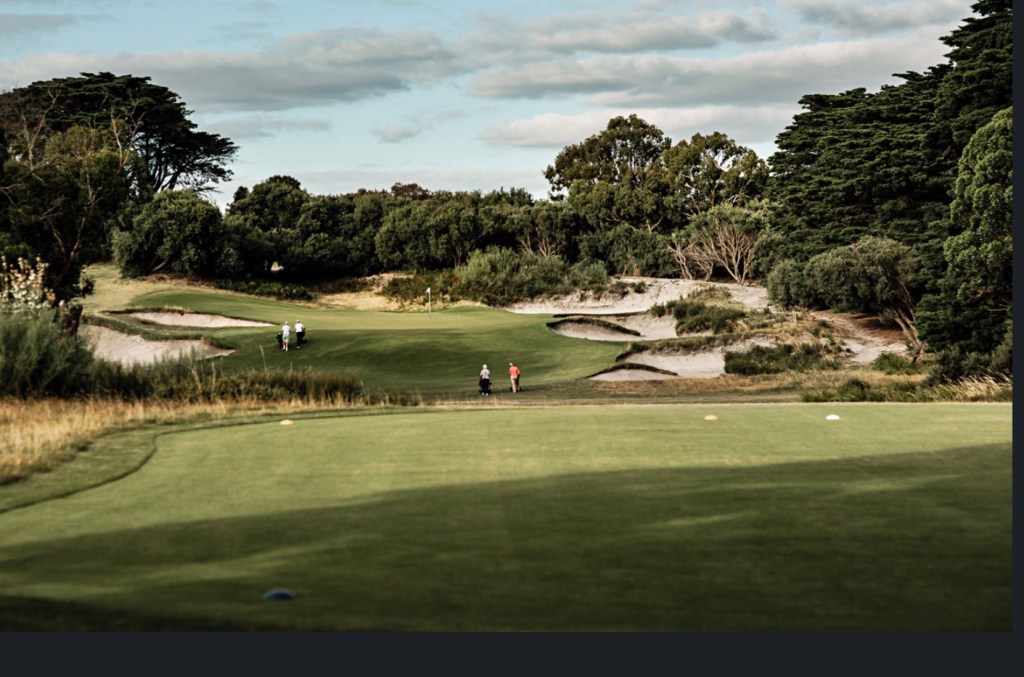
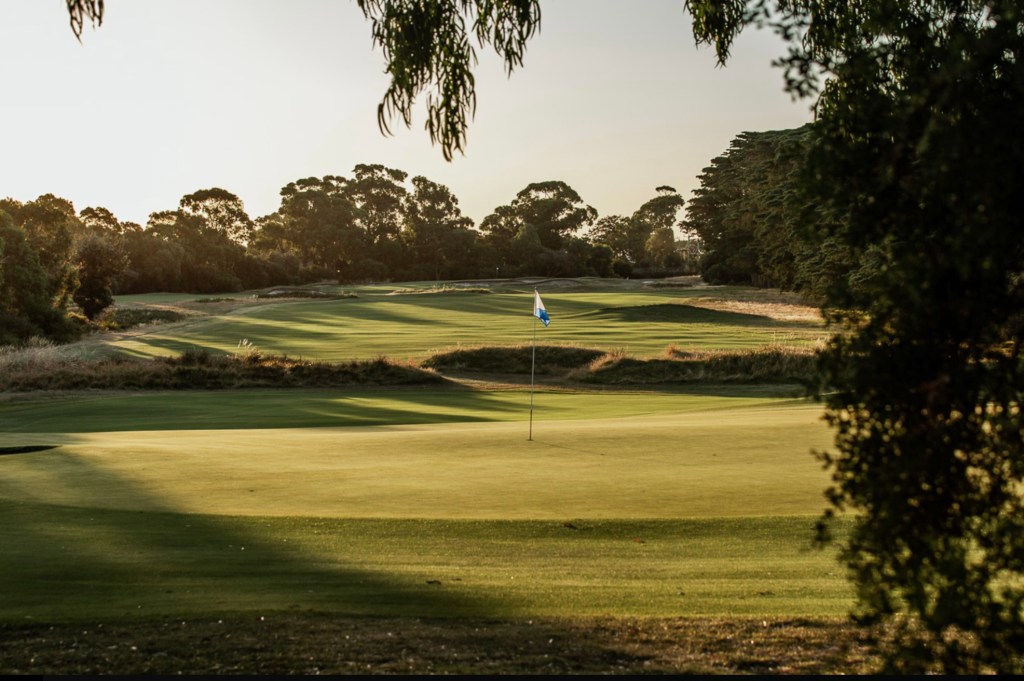
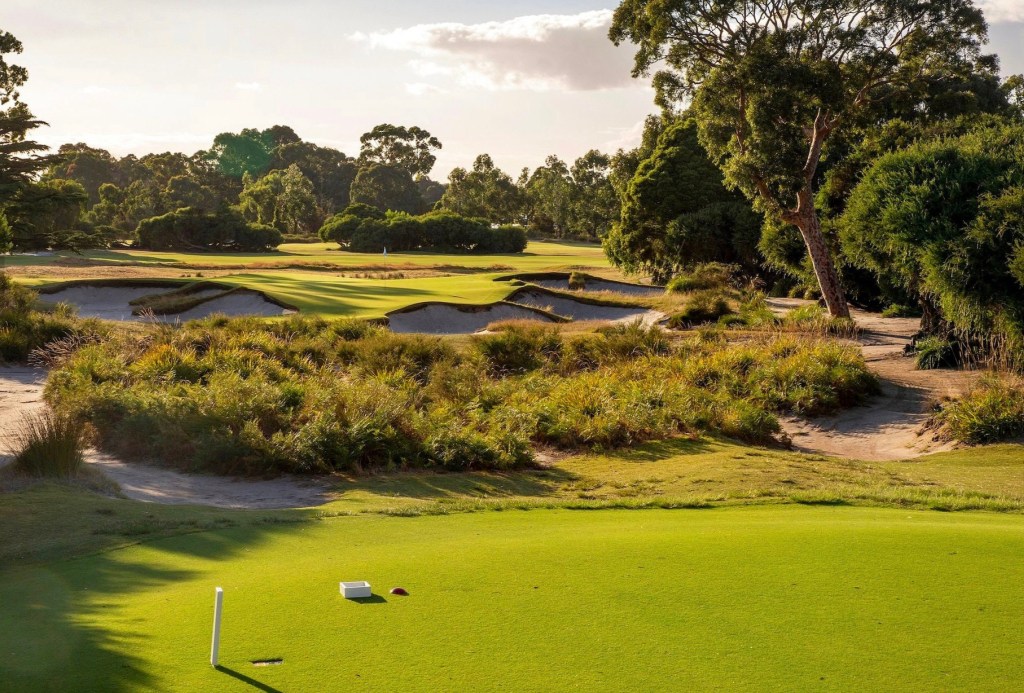
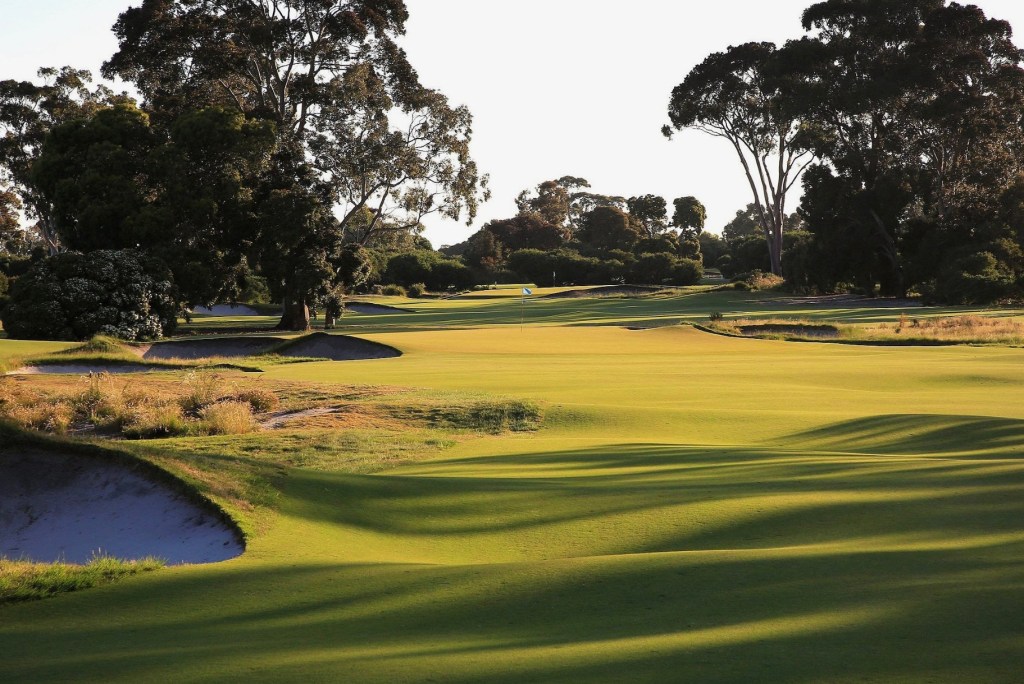
While not overly long, the course still requires strategic shot making to avoid the insidious fairway and greenside bunkers. Many greens have subtle slopes that means a good (?) shot can trickle and trickle and end up in a bunker.

If there’s a lesson to be learned from these sand belt courses it’s that many players carry a sand wedge with the bottom (bounce) of the club ground down to a very small flat surface (4 degrees). Obviously we weren’t carrying such a club. That’s partially the secret to escaping the bunkers given there is usually a minimal (!) amount of sand to help the ball out.

As we didn’t tee off until nearly 3 pm the long shadows added an element of uncertainty to reading the greens. Between regular visits to those bunkers and weak putting it was a long day.

Fortunately our visit culminated with a wonderful farewell dinner as our group tour came to an end. Lots of speeches and thank you’s with promises to reciprocate visits both at home and abroad.

The Canadians are scattering tomorrow, some still with weeks of holidays planned in New Zealand and other places. A few are heading home as early as possible.

Great new friends, both Australian and Canadian, a real mixture of sights and sounds from a true cross section of the country (although really only a small slice), thousands of miles travel from the tropical north to the sandy south, access to iconic golf courses and on and on. It’s been a long three weeks and there’s a 21 hour flight to get home so we’re not quite done yet.

Mo will be back on the road in a few months with plans to hike a sizable portion of the Camino trail in Spain. Hopefully she will blog her adventure. Stay tuned.

Melbourne – Night Time

Tap on the picture to see the full version.

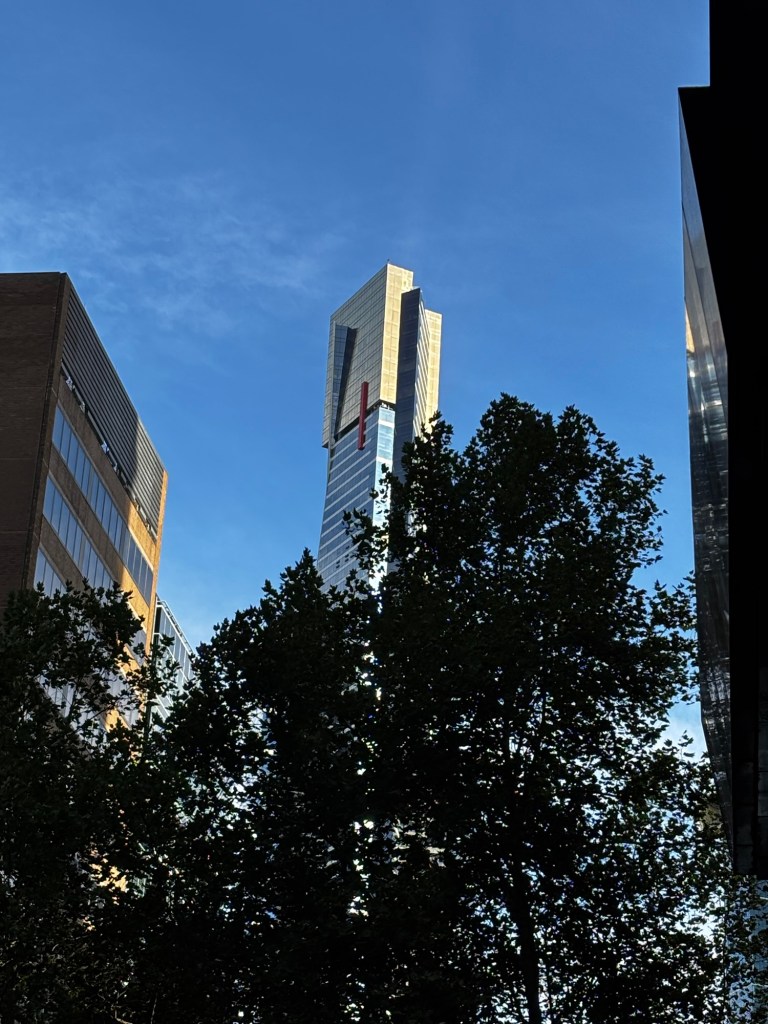
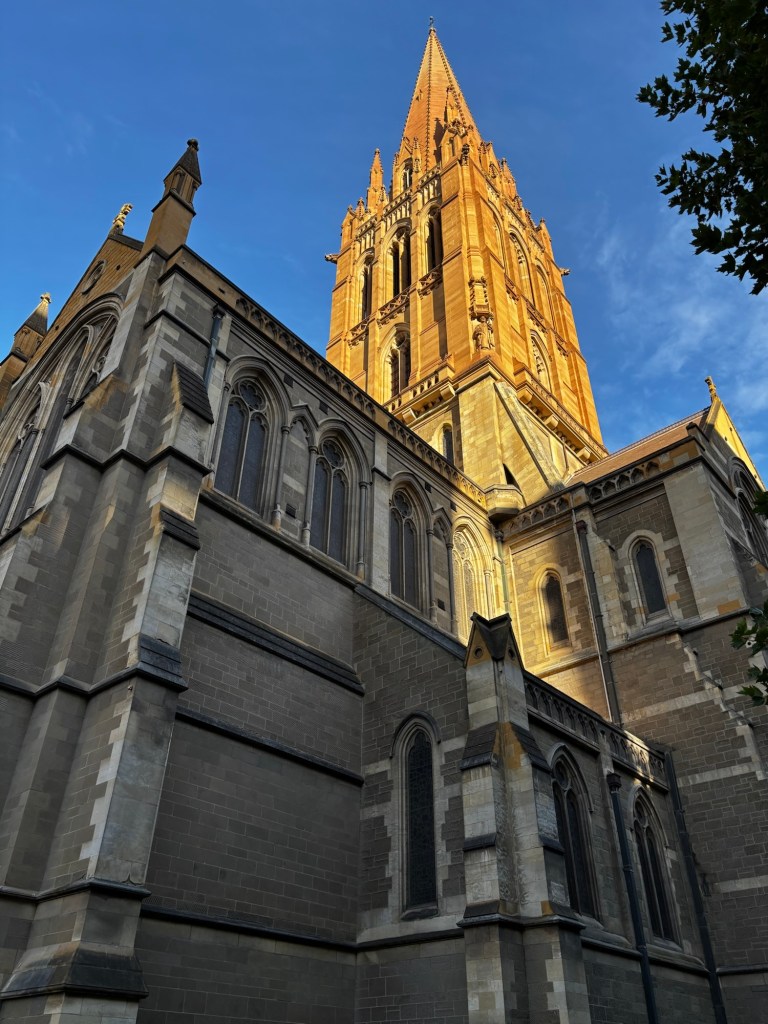
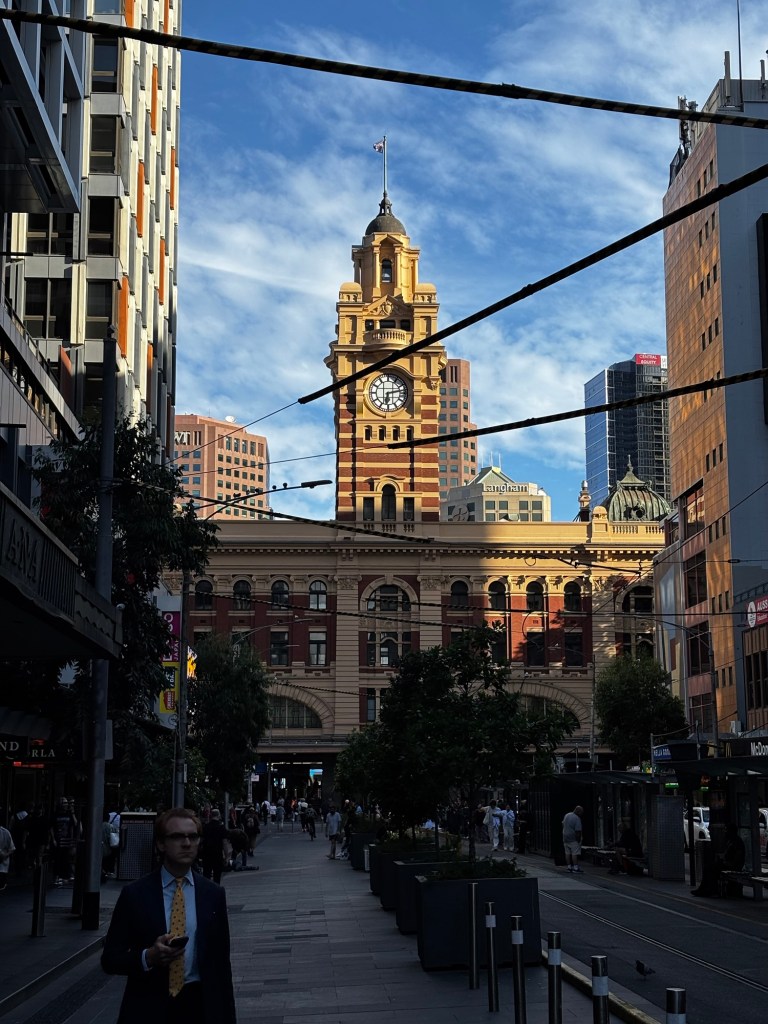
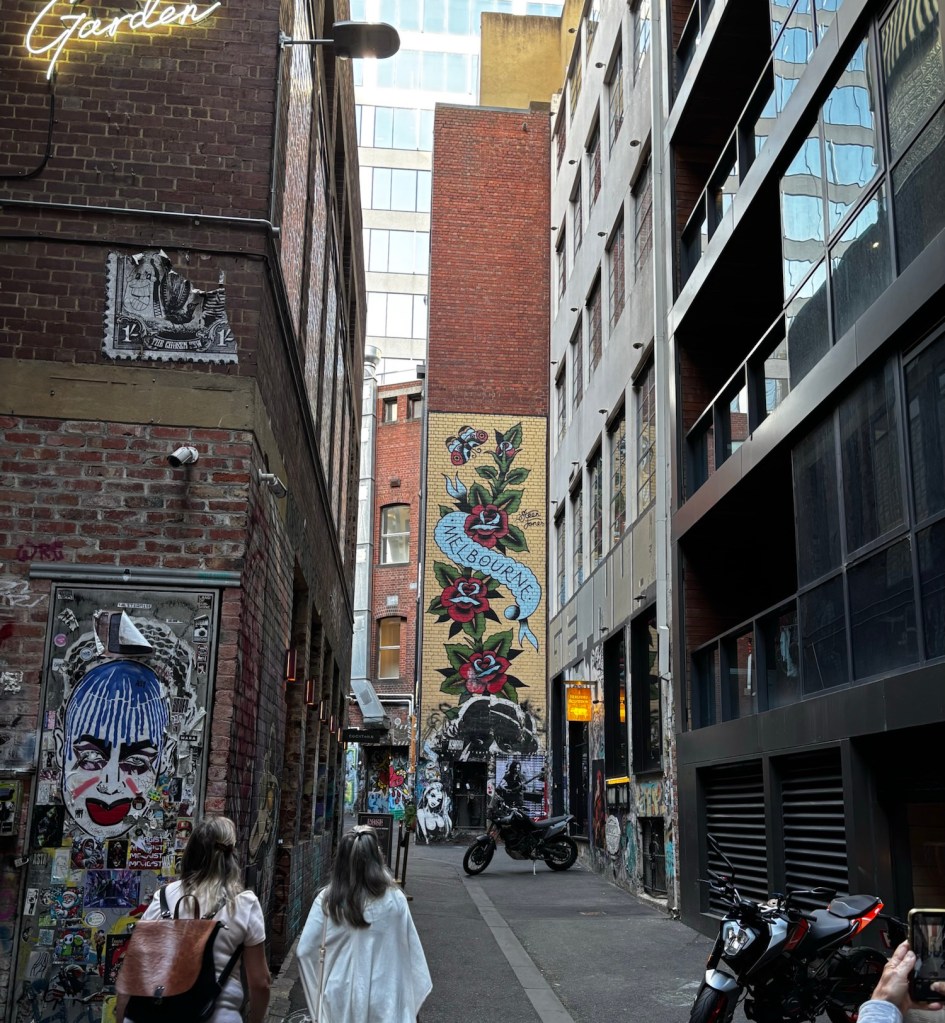
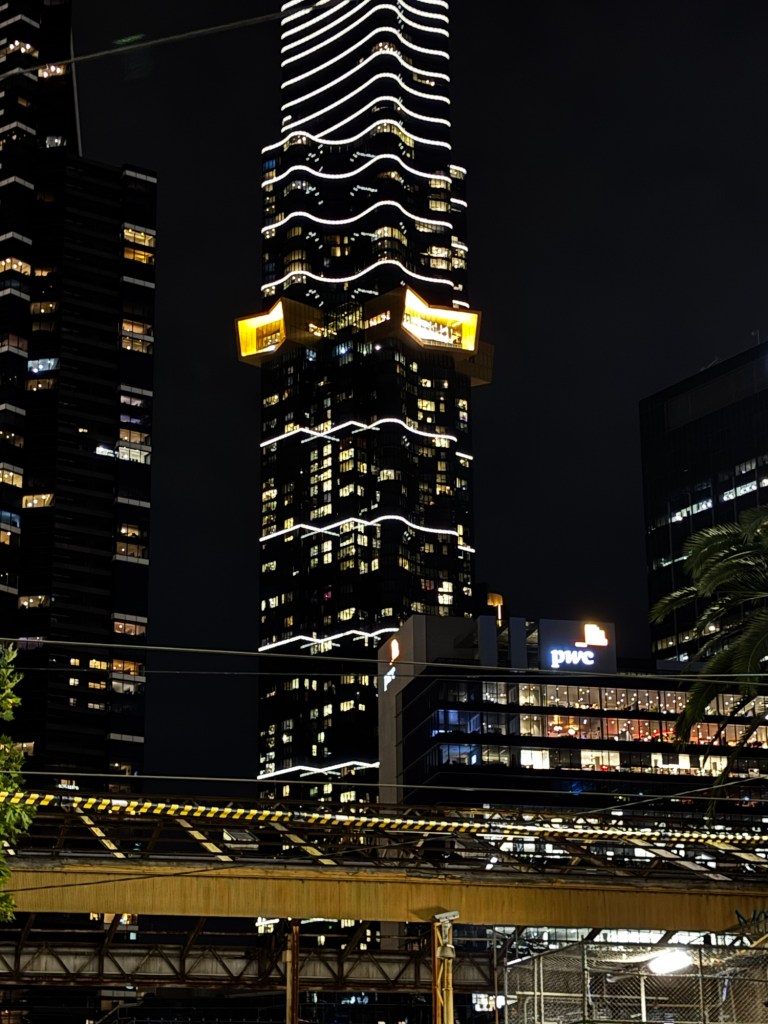
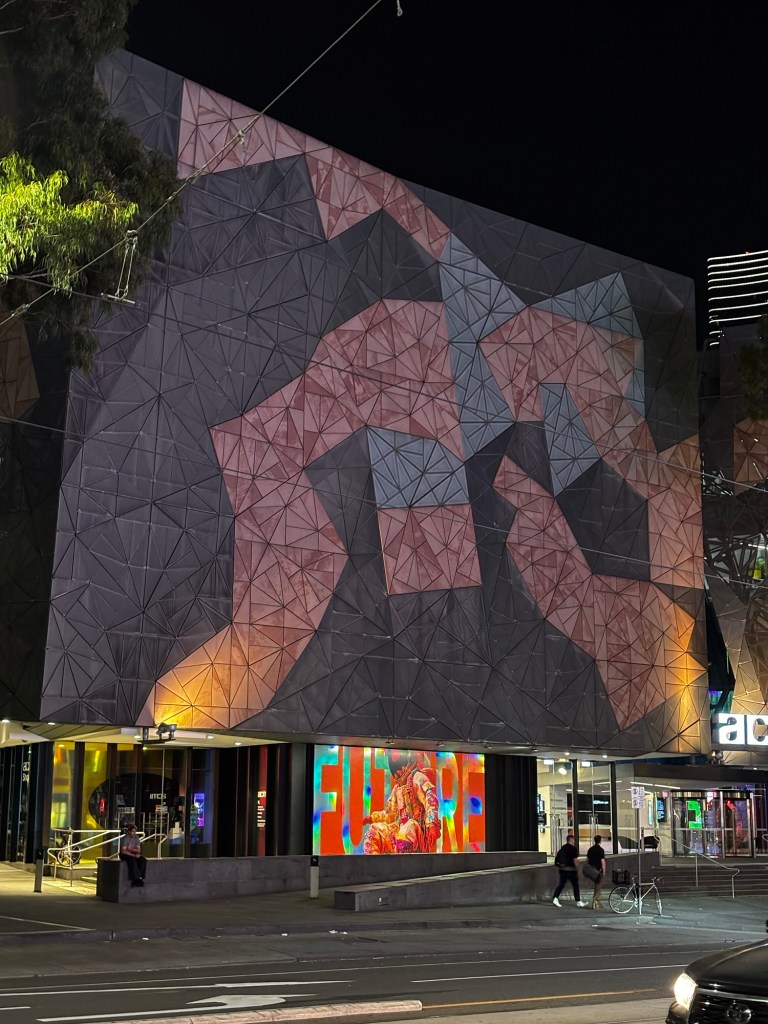
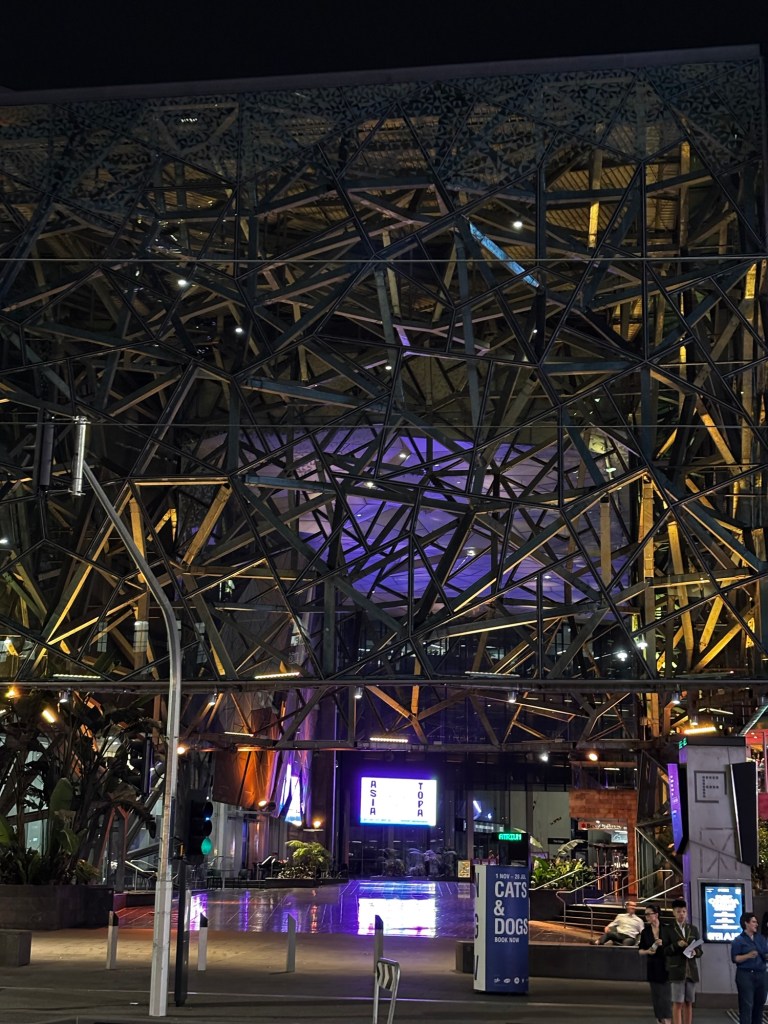
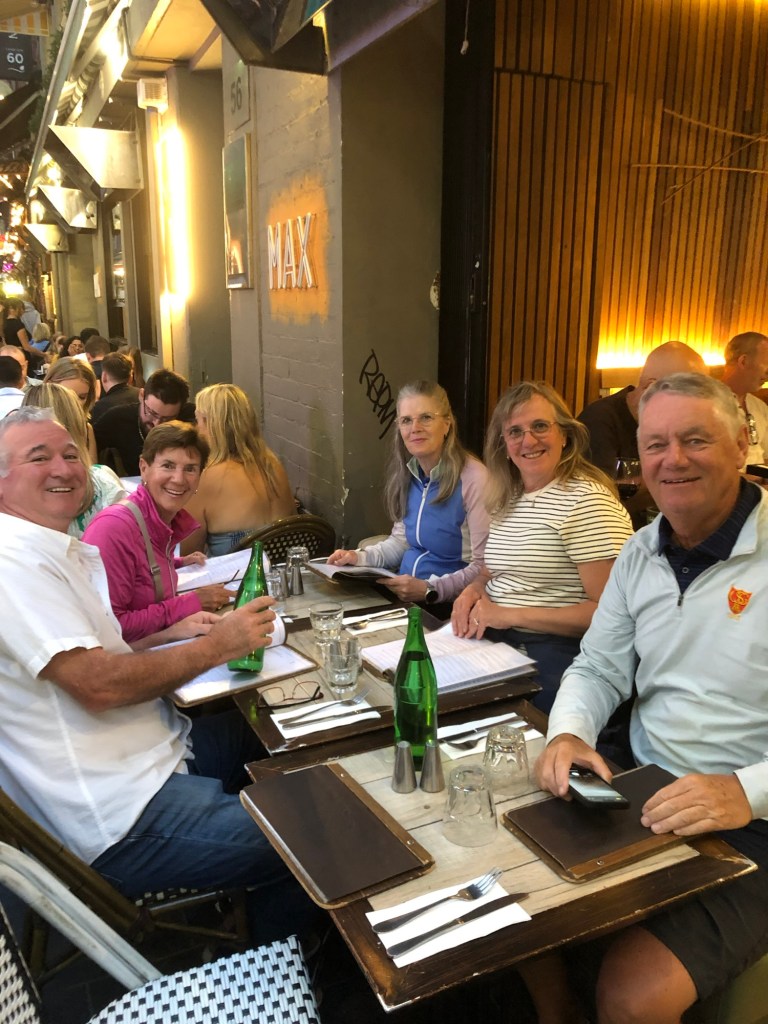
Back from wine tasting and chocolate nibbling we set off to explore a small portion of Melbourne while seeking a Vietnamese French restaurant. The mix of old and new architecture provides a great backdrop.

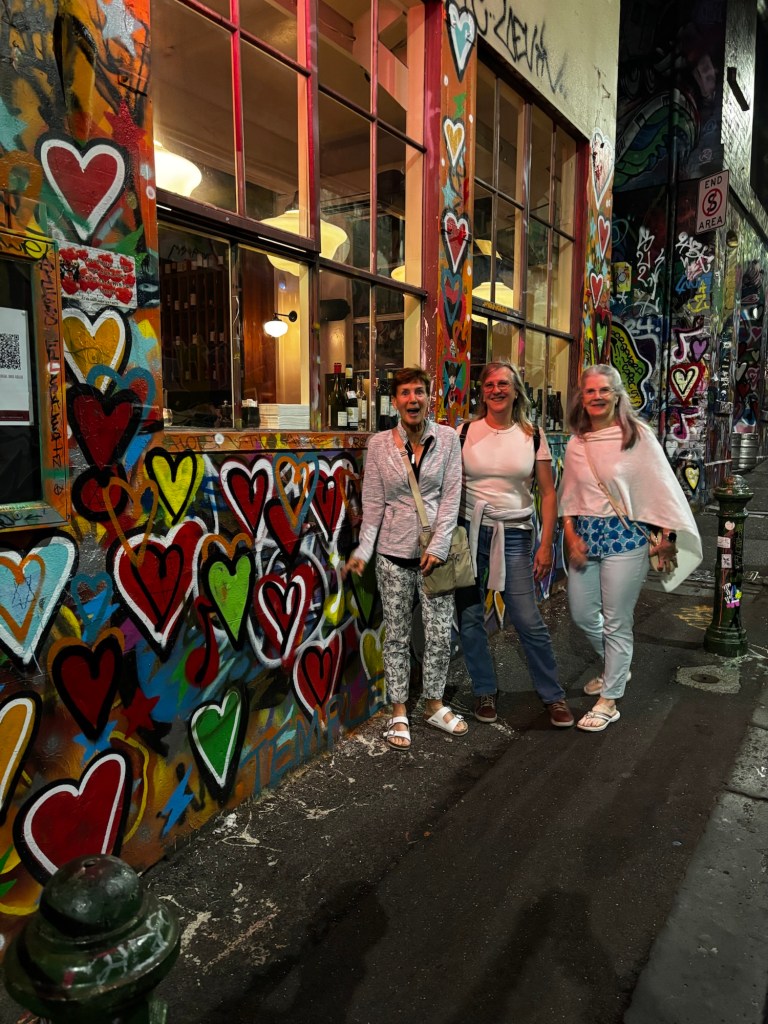
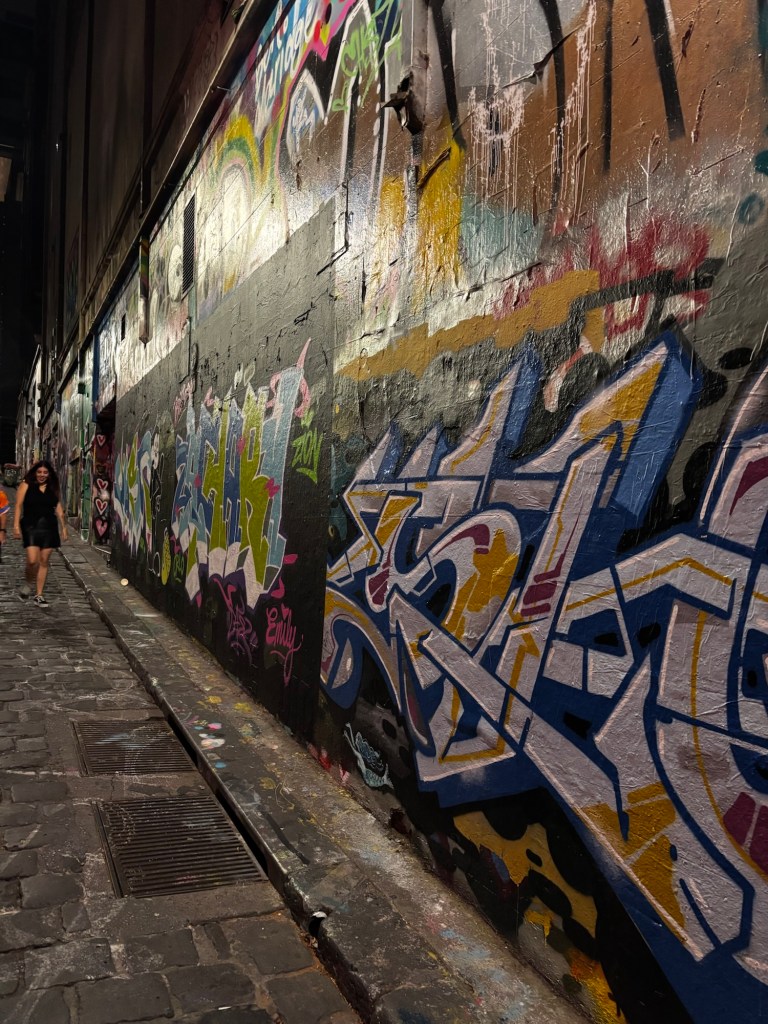
Melbourne is densely populated but utilizes lane ways to accommodate restaurants and bars.

It also seems to attract graffiti artists.

We had an excellent meal once the menu was translated and explained to us. More wonderful architecture to gaze at with the thinking of what Toronto has to offer.

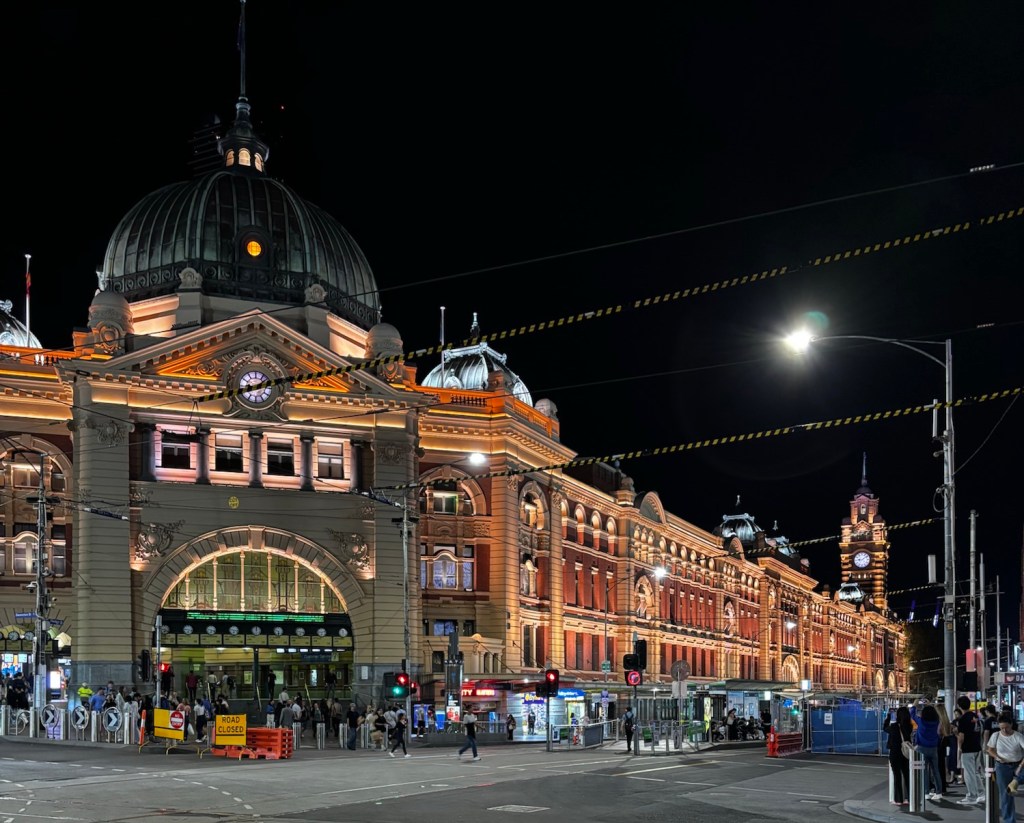
The block long iconic train station at night looked very impressive.

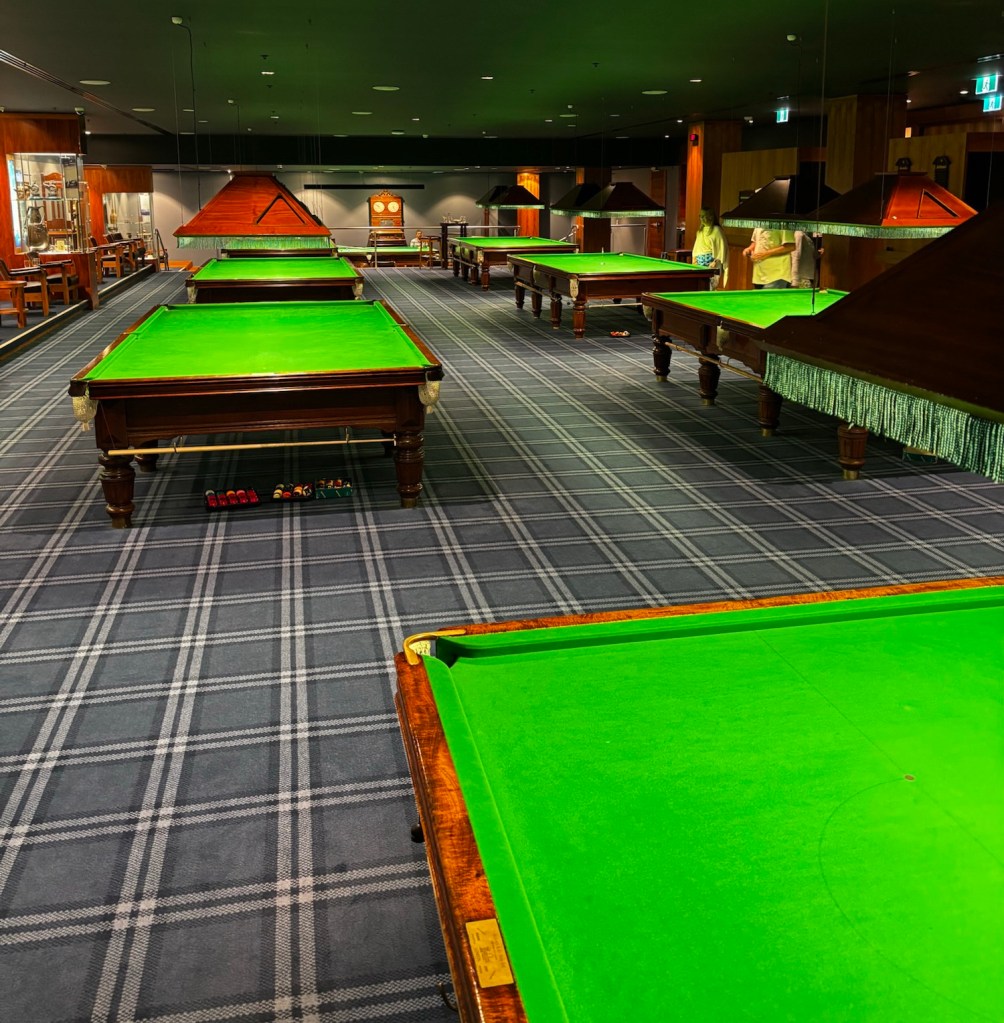
By entering a different level of our hotel we discovered an incredible billiard room. A pity time and energy were lacking.

Tomorrow we wrap up our sandbelt golf odyssey at the Yarra Yarra golf club.

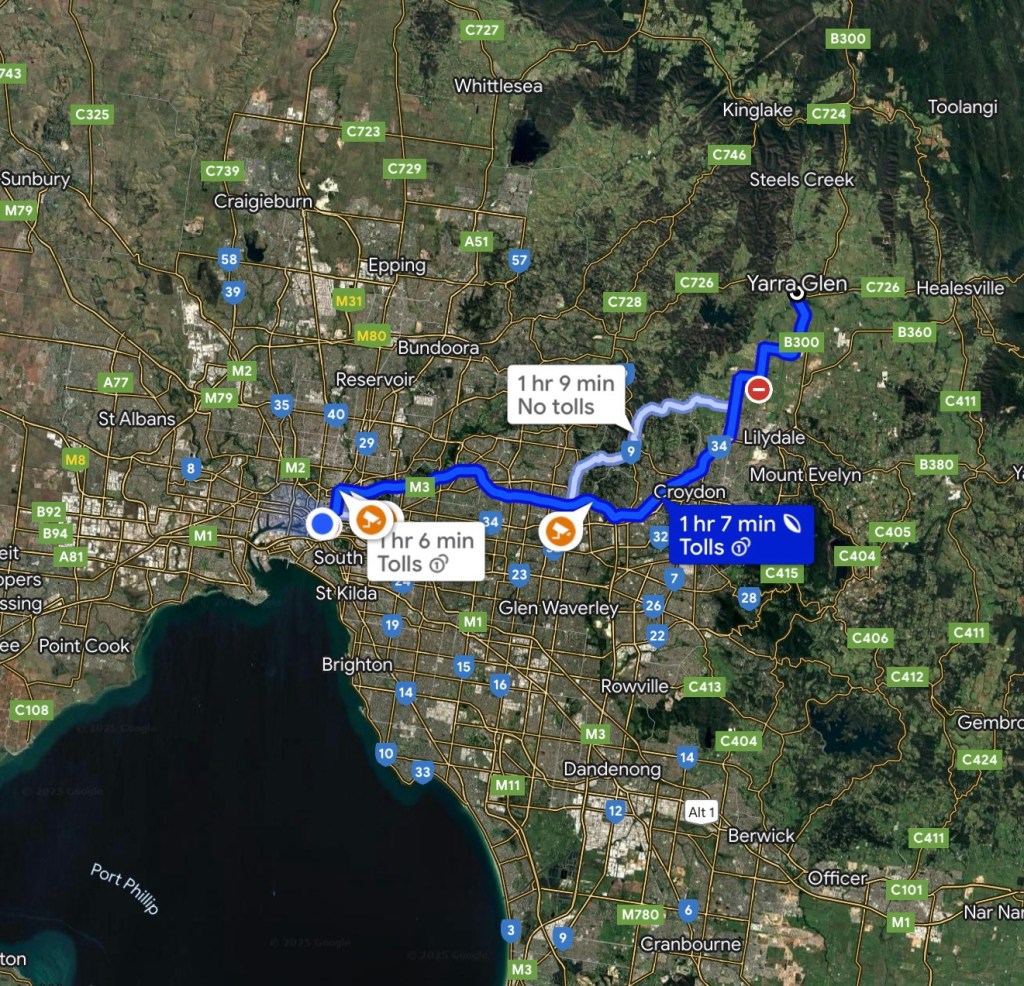
Yarra Valley – Wine Tasting

Tap on the picture to see the full image.

After golfing three days in a row it was time for a break. What better way than to head north of Melbourne into the Yarra Valley, one of the regions major wine districts.

Our guide explained the history of wine making in the valley which stretches back to the 1850’s. It was Australia’s version of the wild west with various parties making outrageous land claims and amassing thousands of acres, mostly to farm sheep and cattle.

Eventually the new government stepped in and sorted things out.

While the Barossa and McLaren valleys in South Australia along with the Hunter Valley in New South Wales may be better known internationally, the Yarra Valley in Victoria is a key part of the country’s wine industry.

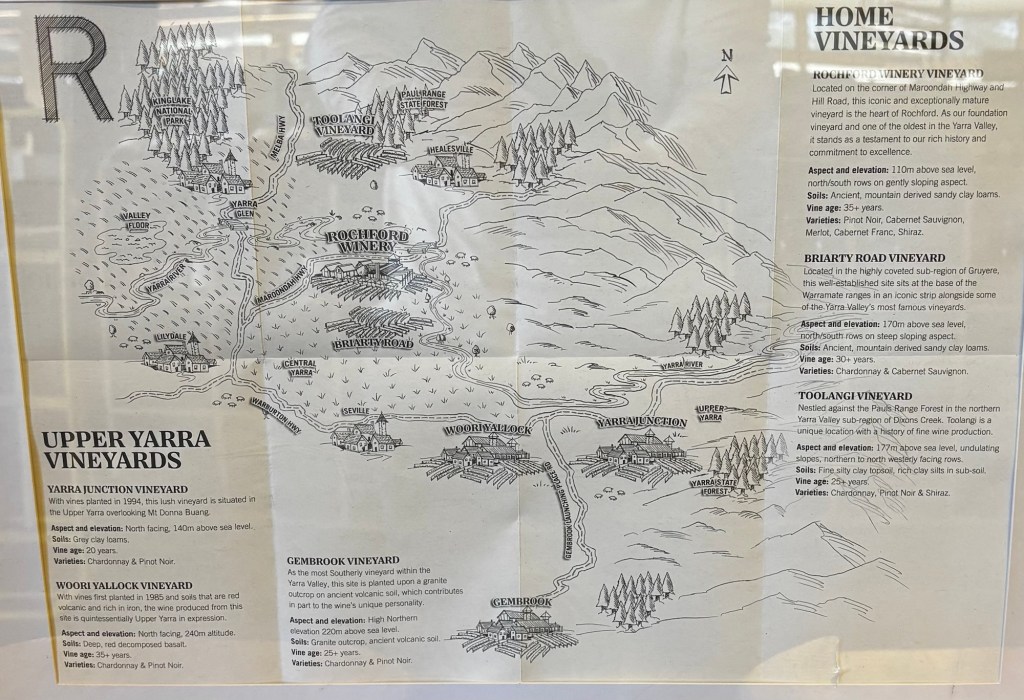
There are over 80 wineries in the Yarra, many with a focus on Chardonnays and Pinot Noirs. Rose’s are becoming very popular as well

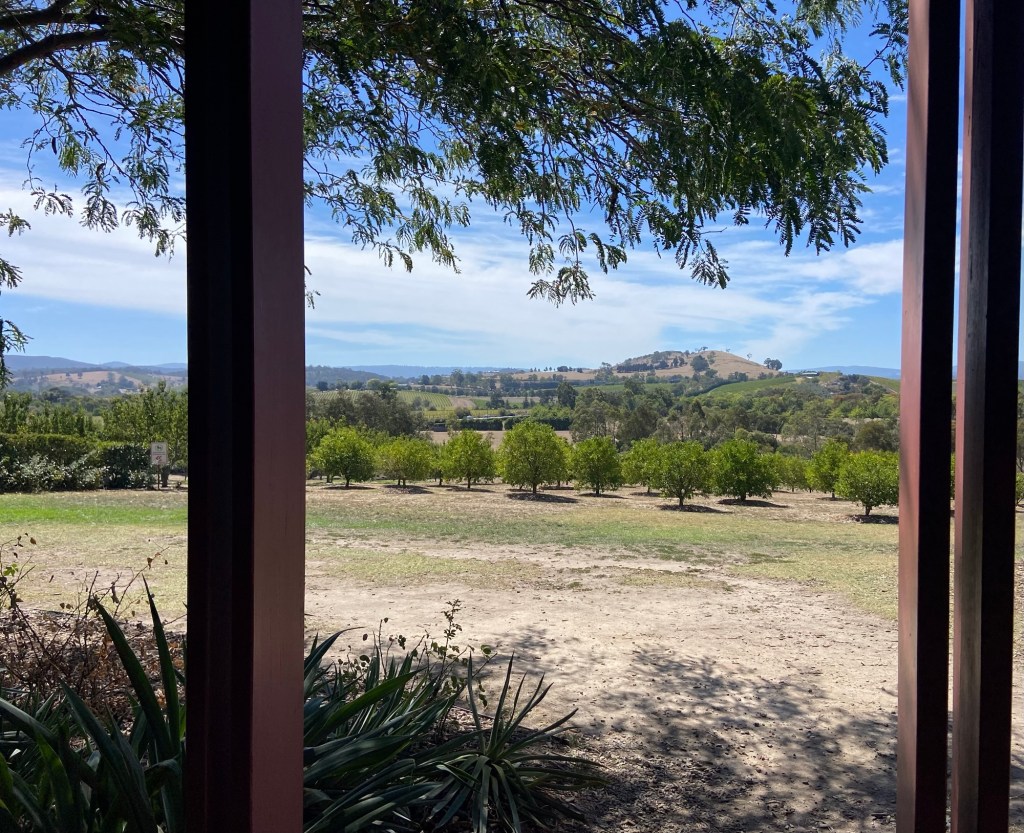
The valley really isn’t a valley in the truest sense being more of a plain before getting to the hills/mountains.

The valley is in the midst of a major summer drought and is a dry crispy brown and yellow.

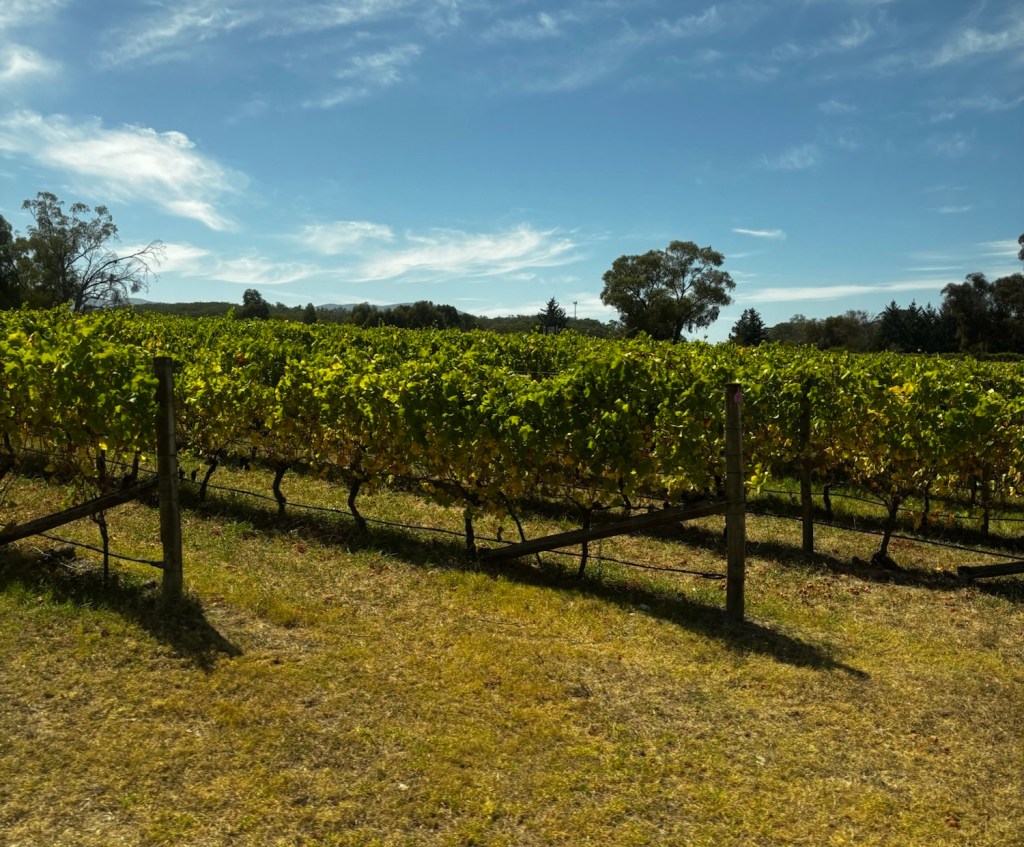
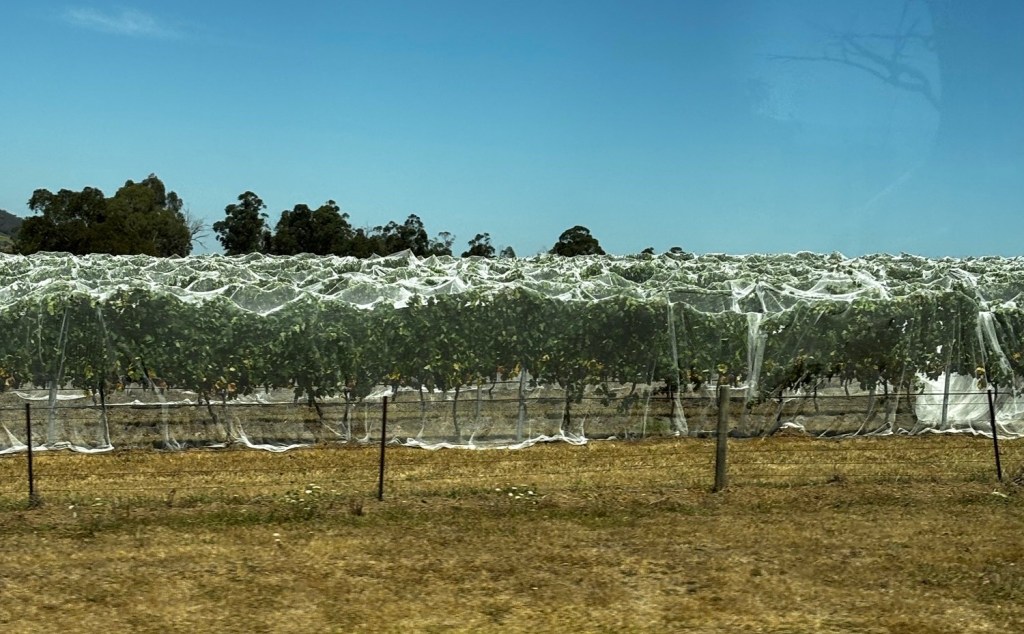
The vineyards create a green oasis on this landscape.

Interestingly, kangaroos are a problem as they love to eat the grapes. Hence many vines are covered in netting.

We visited three wineries, each offering their unique flavors. St. Hubert’s, Rochford and Stefani all produce modest quantities so their distribution is limited to Victoria and New South Wales.

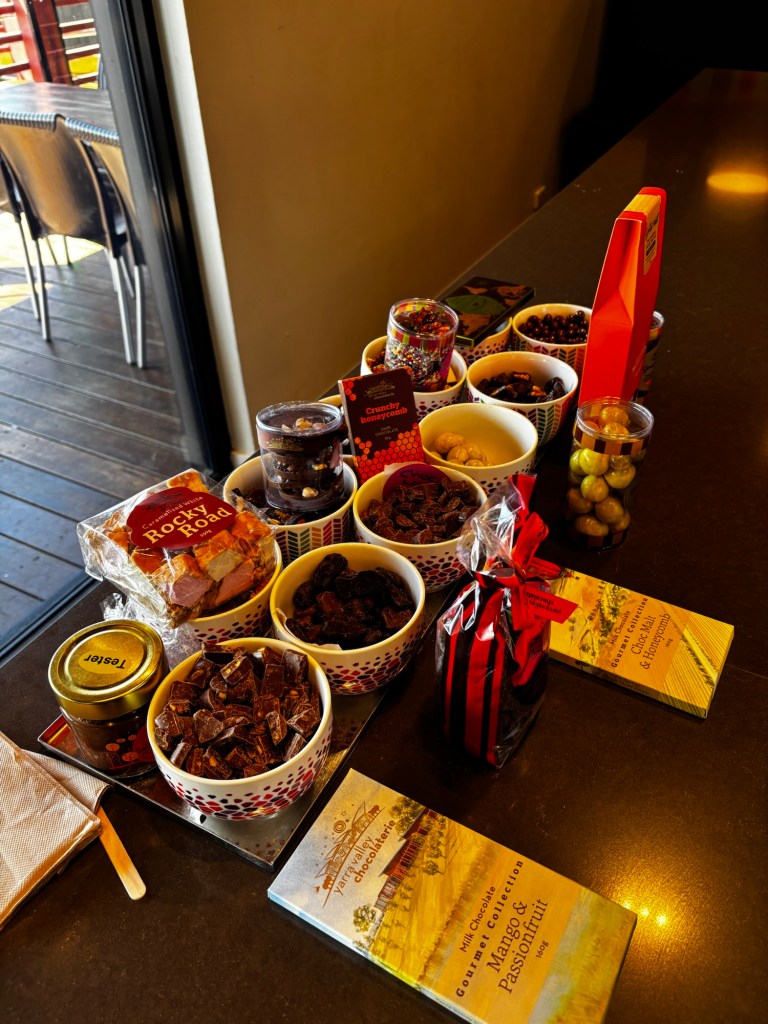
Our day also included a visit to a chocolate factory. We tasted a dozen different flavors and learned about the process of making chocolate. Excellent and delicious.

Late afternoon return to Melbourne and another day done. Our evening exploring a part of Melbourne was eye opening on how to get the most out of commercial space. That’s our next stop.

Melbourne Golf – Royal Melbourne

When first conceived as a golf club in 1891 in Caufield, there was no Royal designation. That happened in 1895 when Queen Victoria proclaimed recognition of the now Royal Melbourne Golf Club.

In 1901 the club moved to Sandringham, near its current location. In 1926 Alistair MacKenzie began designing a course on adjacent fields in Blackrock. This would become the West course. In 1931 Mick Morcom designed the East course.

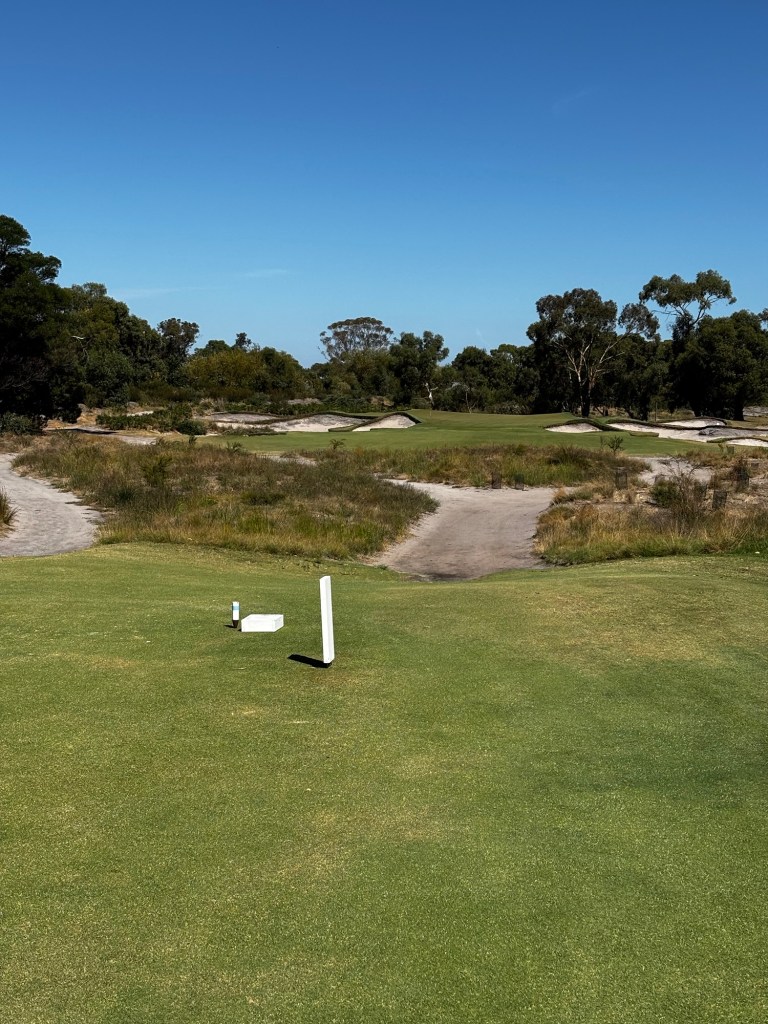
Consistently ranked as the top course in Australia and amongst the top five globally, RMGC West is difficult to describe. There are many generous fairways but a miss in a fairway bunker is penal.

There are significant uphill and downhill lies adding to the length of some holes.

And, of course, the cavernous green side bunkers!

It was a true test of golf made even more challenging by the wind that sprung up. The good news was that the wind brought a “cold” front that dropped the temperature from the mid 90’s to mid 70’s which was much more comfortable.

As with most golf trips one wishes the opportunity existed to play a course a second time to both enjoy the layout while, hopefully, playing better given that little bit of knowledge. Well at least we do have a standing invitation to return.

Next up is a day of wine tasting in the Yara Valley. Oh, and a tour of a chocolate factory. With all the walking for golf (20,000 steps per day) it means we won’t have to worry about the calories. Ha!

Melbourne Golf – Kingston Heath

Our second round on the sandbelt was at the iconic Kingston Heath course, host of multiple Australian championships, pending host of the 2028 Presidents Cup and currently ranked #11 in the world.

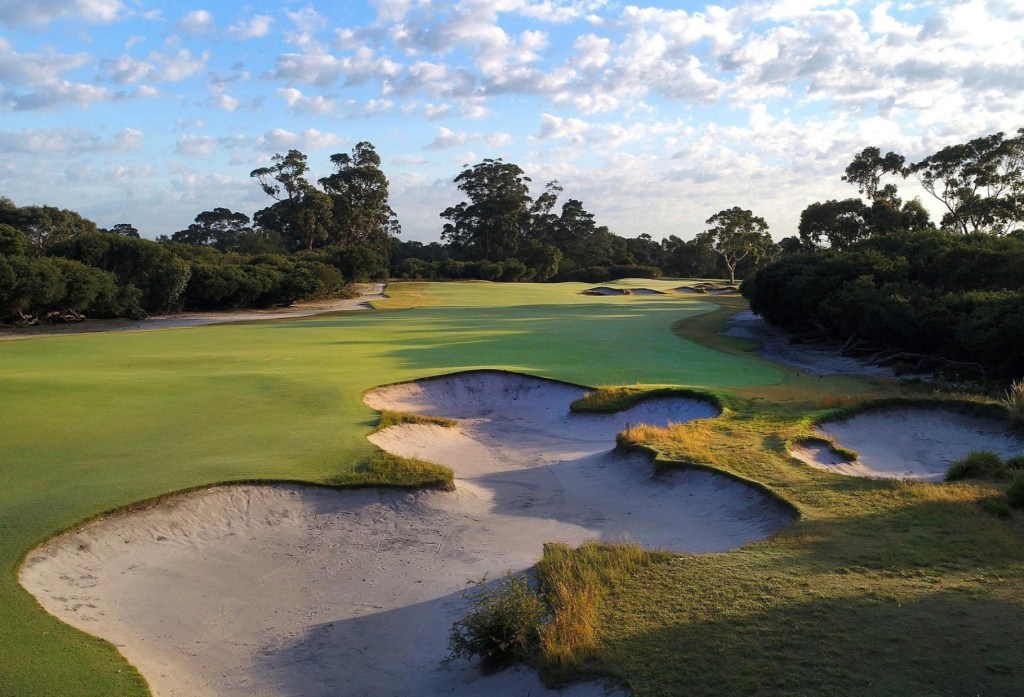
First established in 1909, the club moved to its current location in 1925 and is thus celebrating its centenary. It is truly a classic example of a sandbelt course with dozens of penal bunkers requiring strategic shot selection at every turn.

We faced the added obstacles of a strong wind and a big yardage (6,126 metres (6,700 yards) with many of the par 4’s well over 420 yards.

The fairways are lined with a variety of trees – golden cypress, gum trees, eucalyptus and a gnarly tree called Ti which has trunks growing horizontally. Given the possibility of snakes lurking in the underbrush, errant shots received a cursory look.

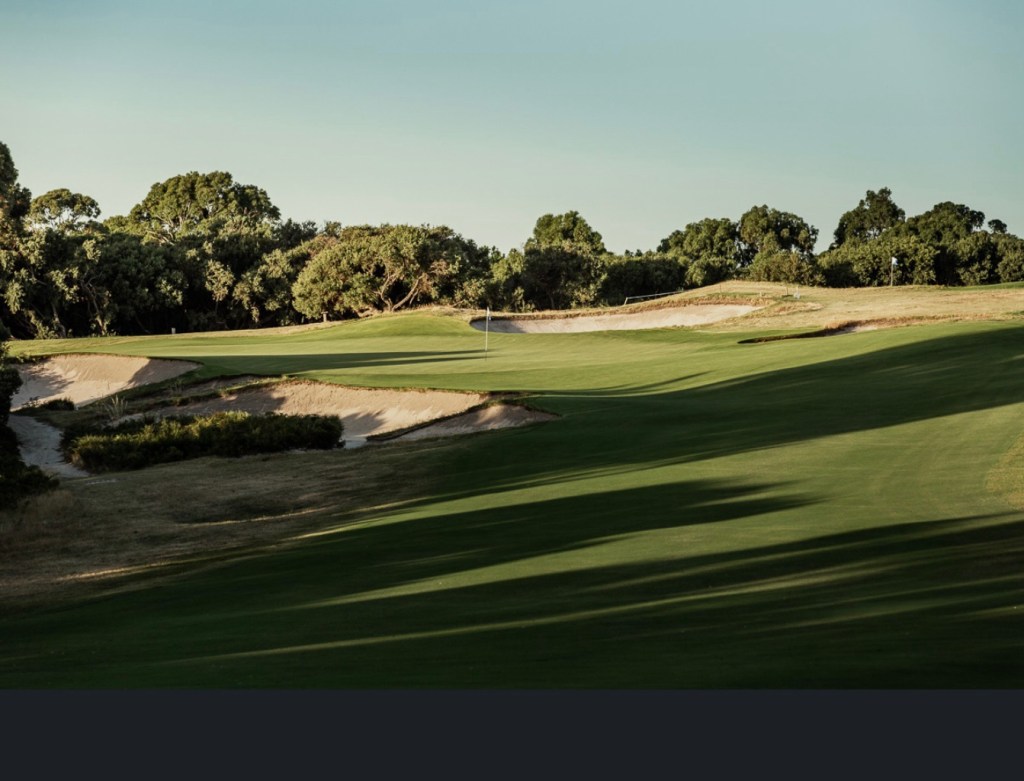
One of the bunkers is so large and deep it’s called Big Bertha (and yes I found it – got out successfully but missed the par putt). It’s front left on the following picture.

The turf was perfect, the greens consistent and the weather outstanding. Along with a wonderful Aussie host who coached us around the course it was a great day.

Post golf a few summoned the energy to head off to a pedestrian only street called Hardware Lane. It’s full of restaurants and bars and according to the locals, full every night. Great food and fun.

Tomorrow the tour continues at Royal Melbourne, the west course, currently ranked #5 in the world.