You might ask, what the heck is blackwater rafting? It’s simply whitewater rafting underground in a system of caves where, with no artificial light, it’s very, very dark or, say, black.
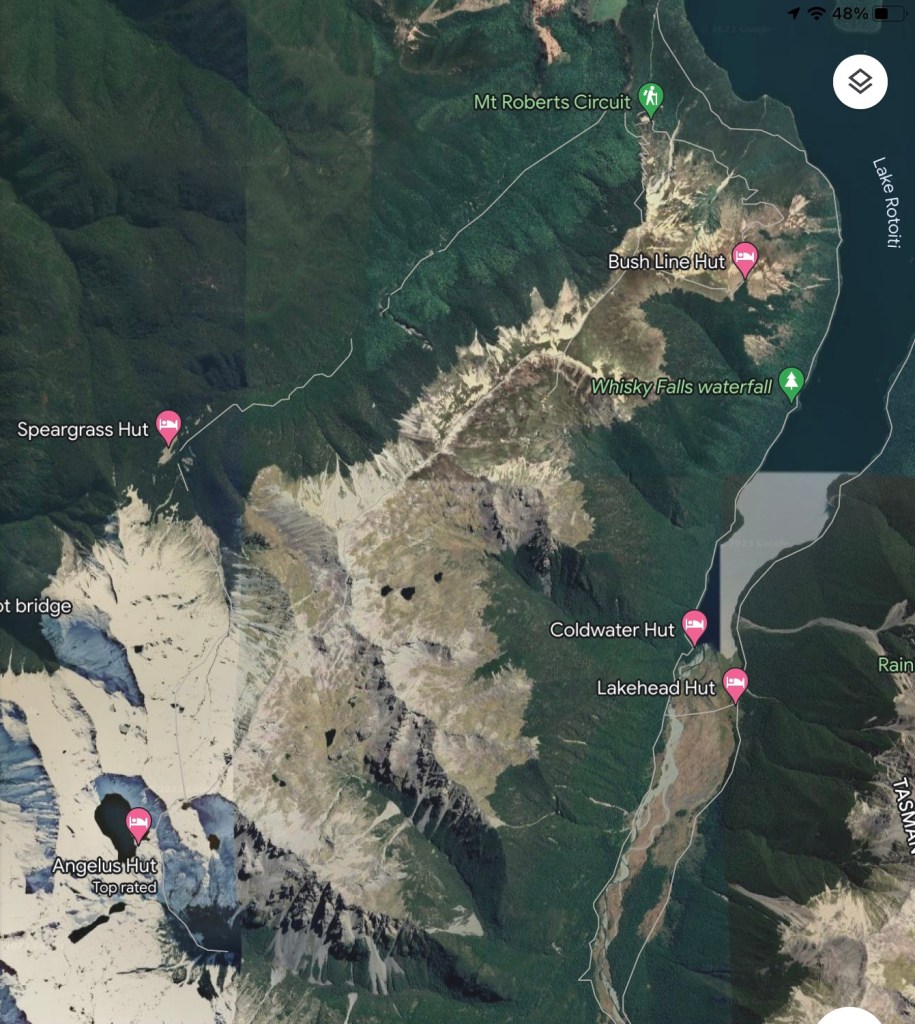
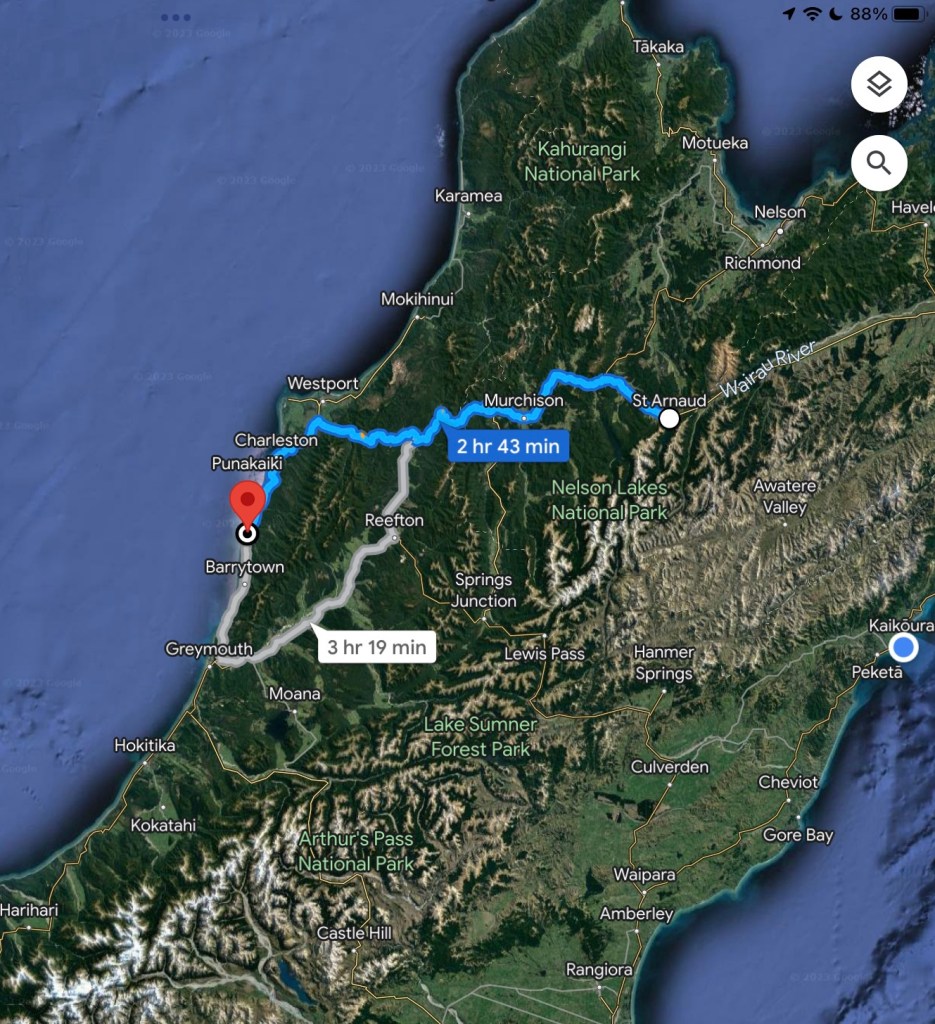
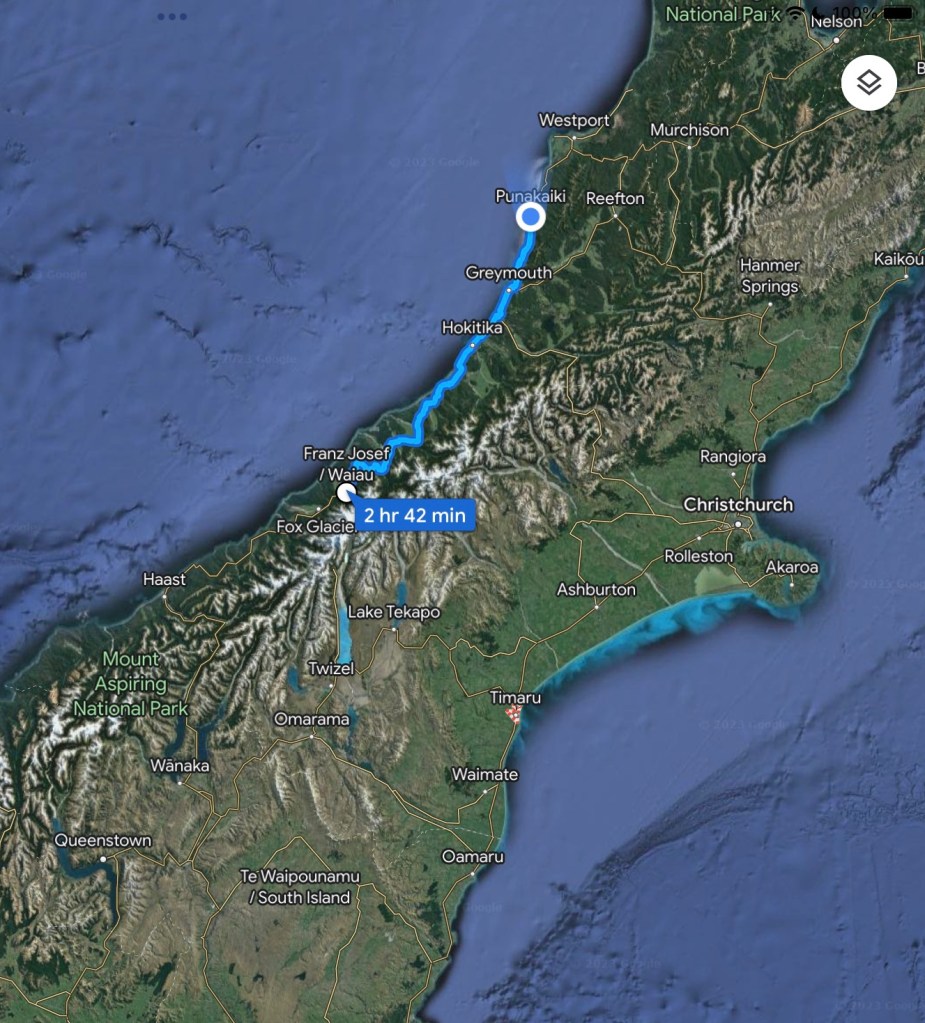
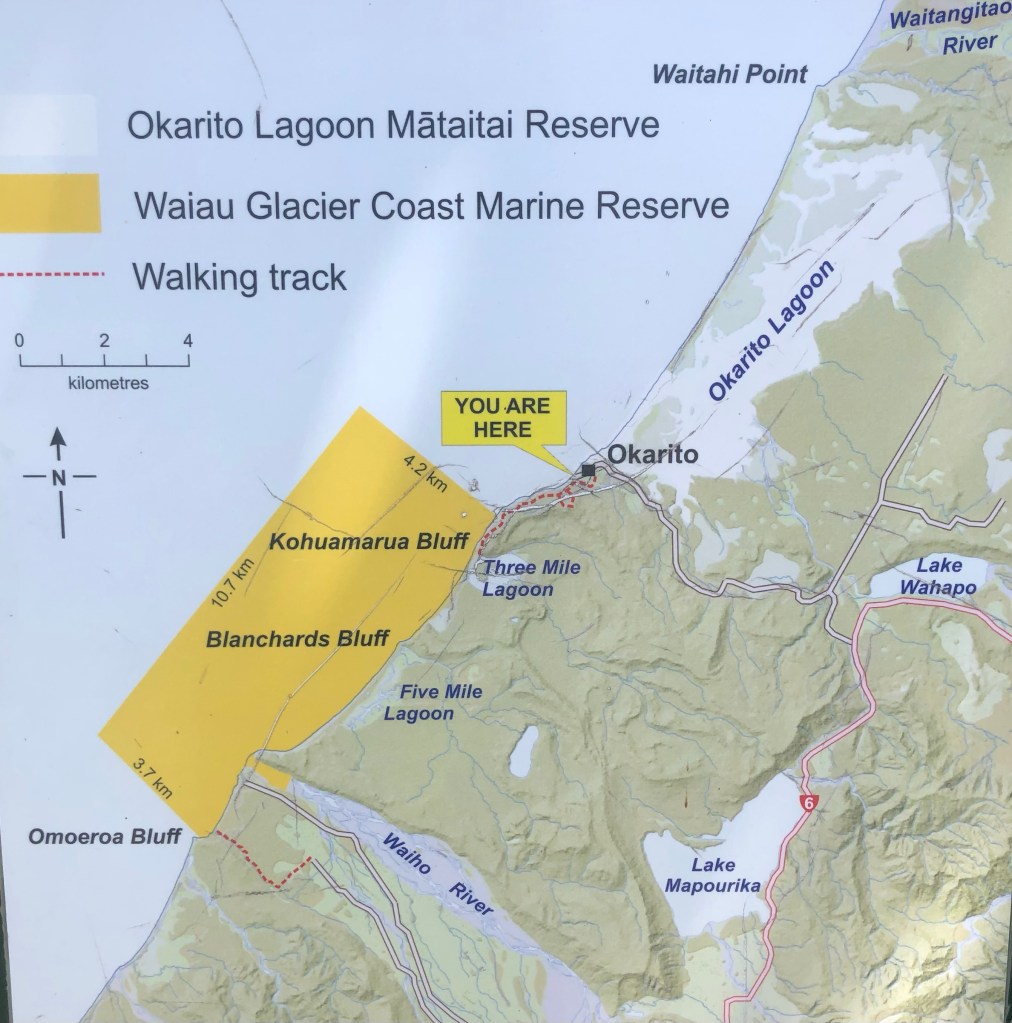
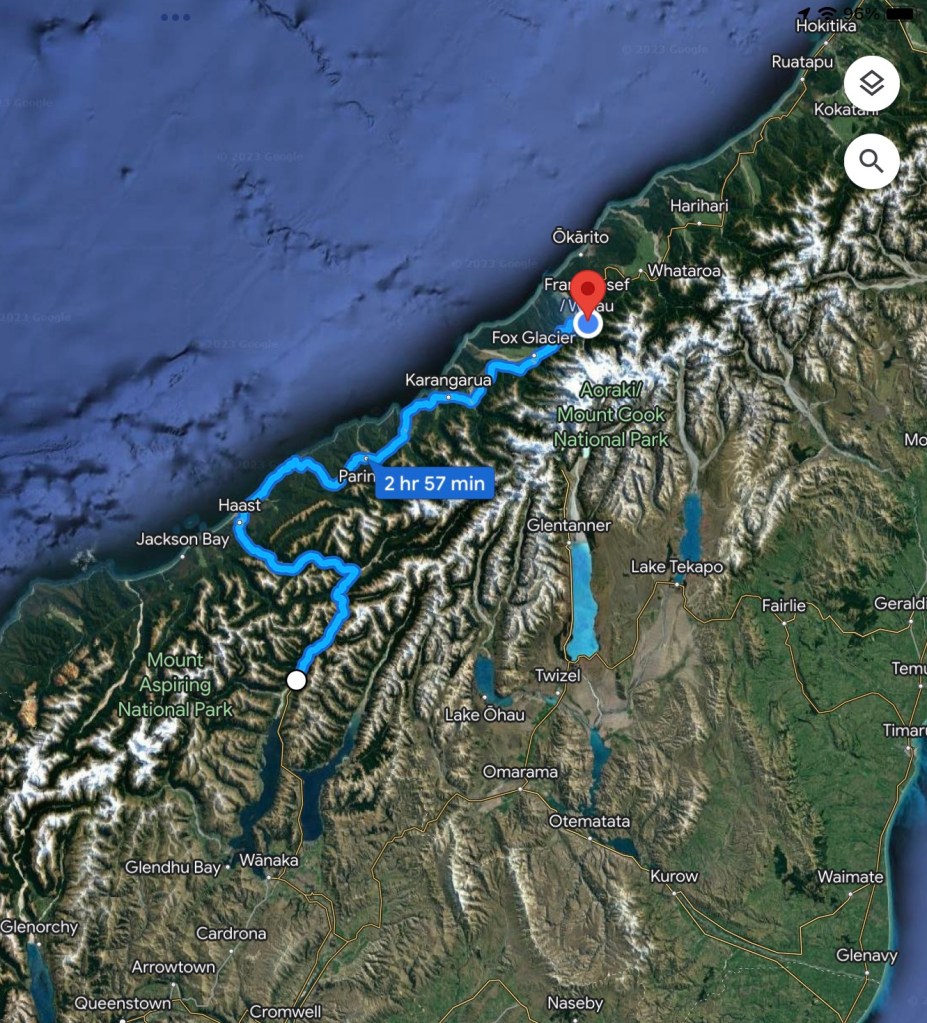
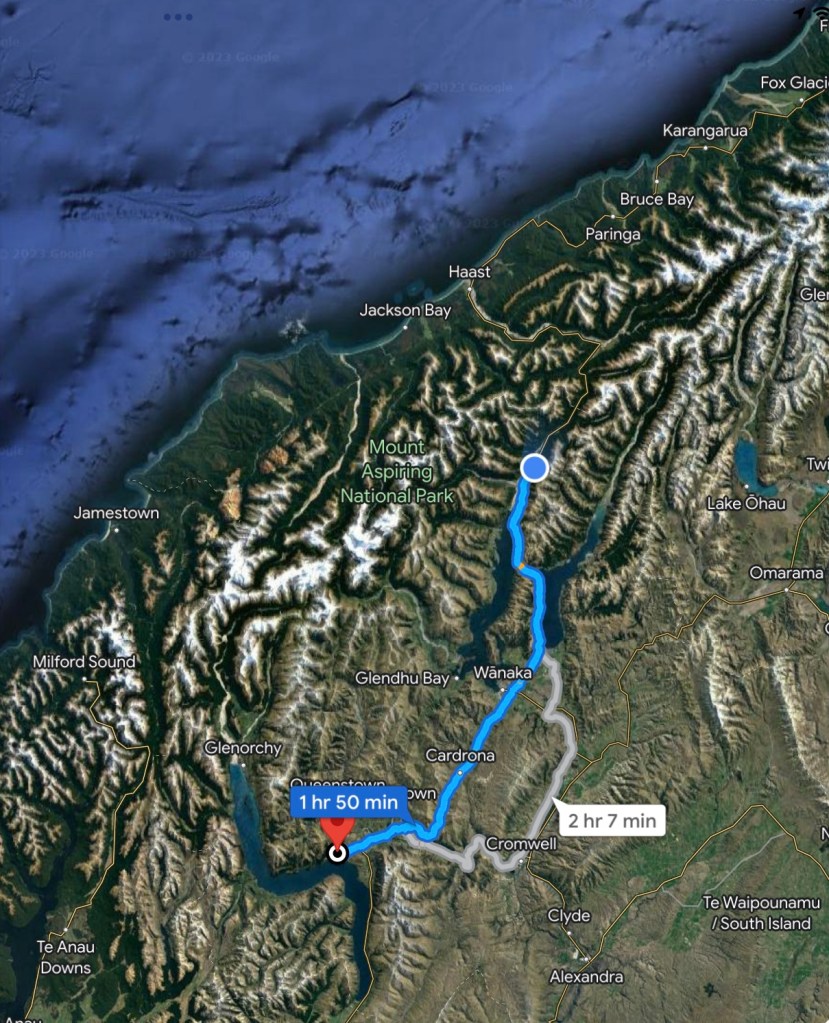
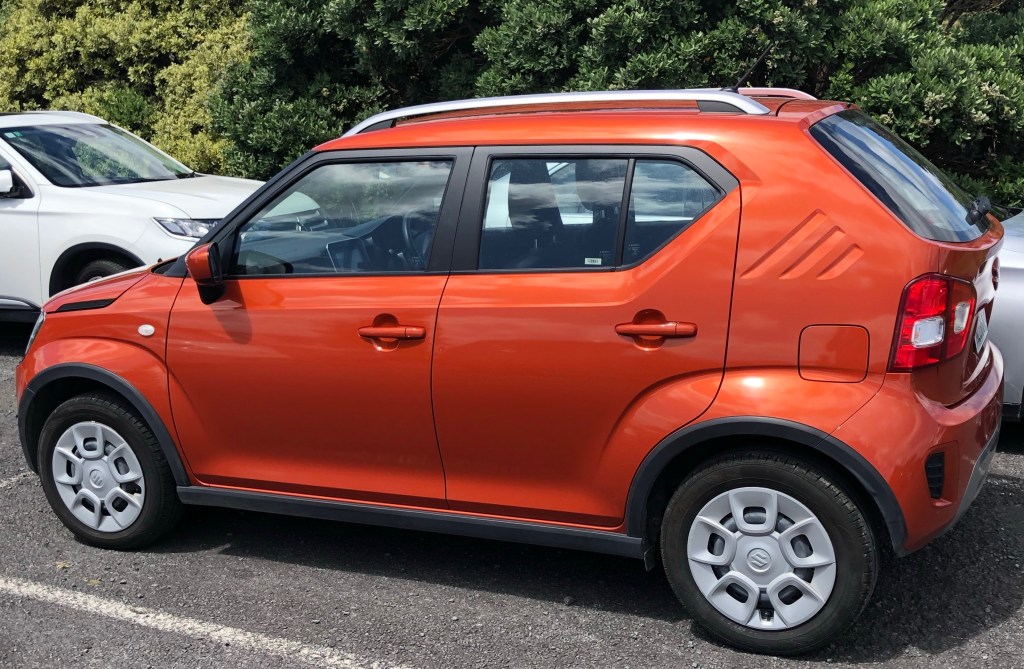
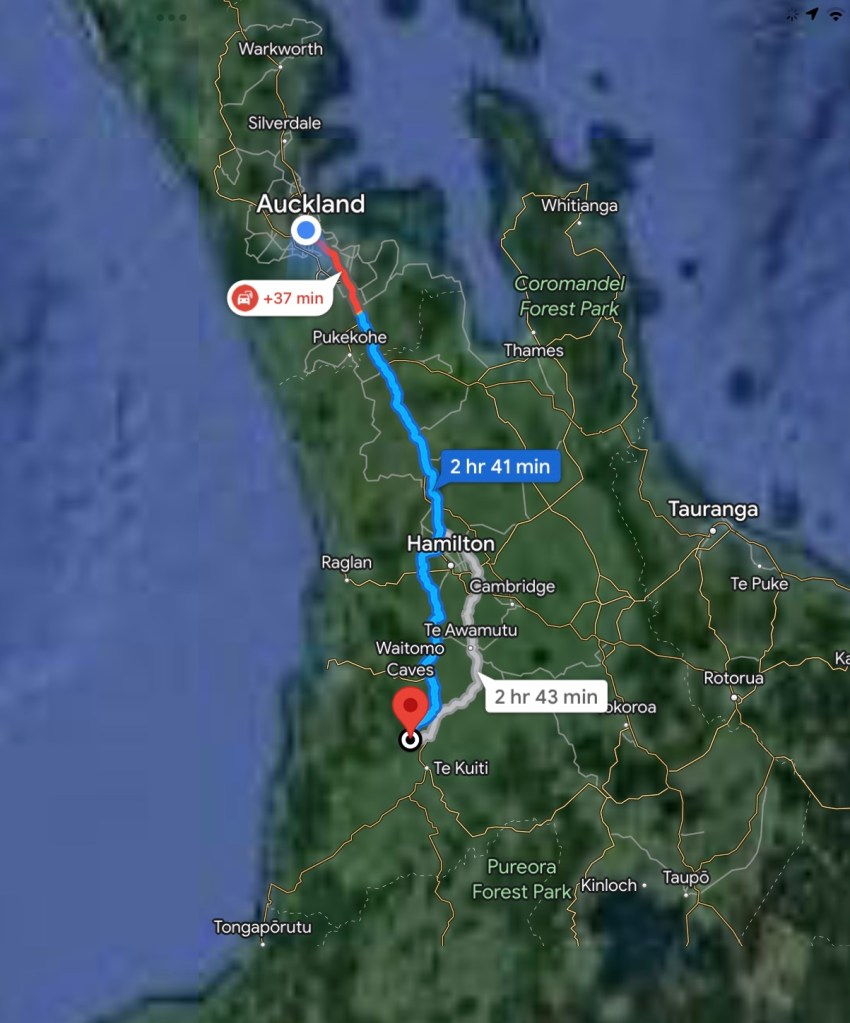
We set off in our tiny little car, affectionately dubbed Sparky, for the Waitomo caves south of Auckland. Auckland traffic is beyond description hence the heavy red line near the city.
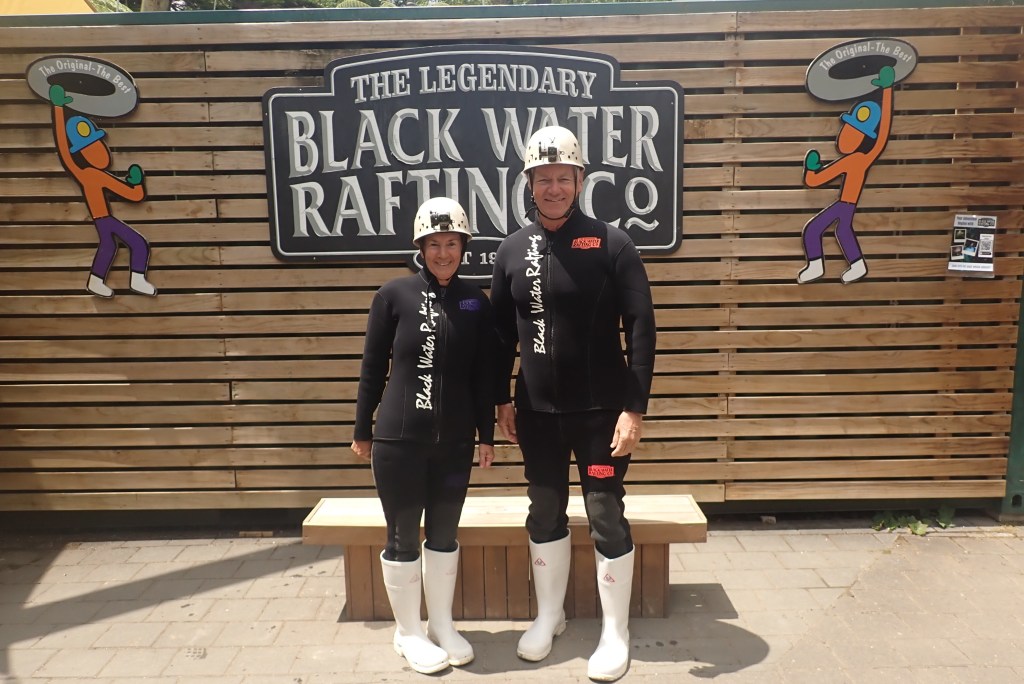
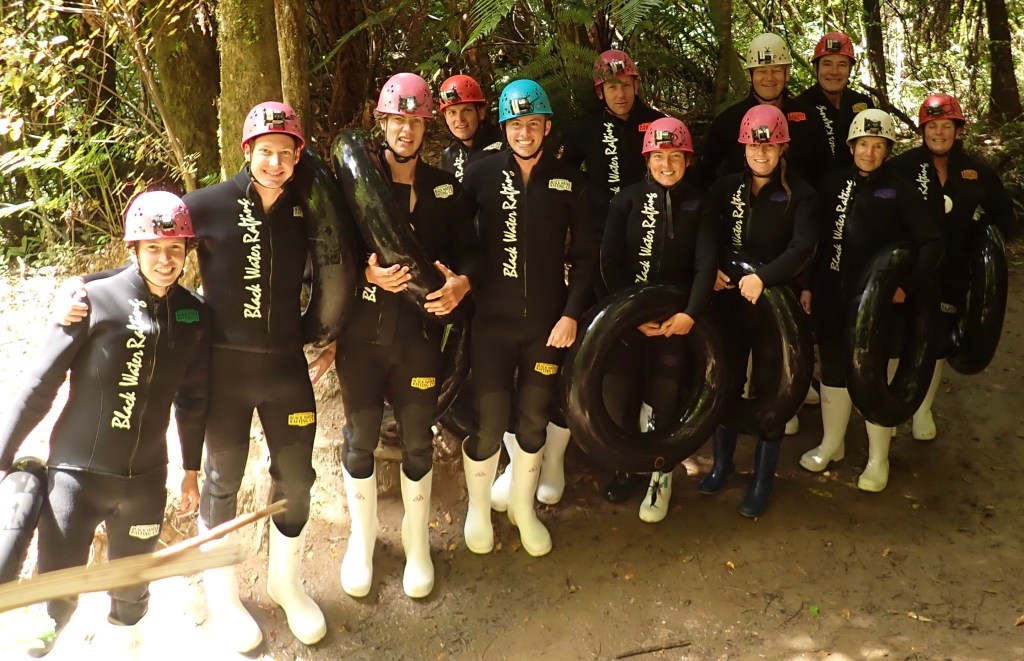
We joined 8 members of the NZ under 23 national triathlon team who were taking a day off training in squeezing into full body wet suits complete with miners helmet and light. Flattering doesn’t come to mind.
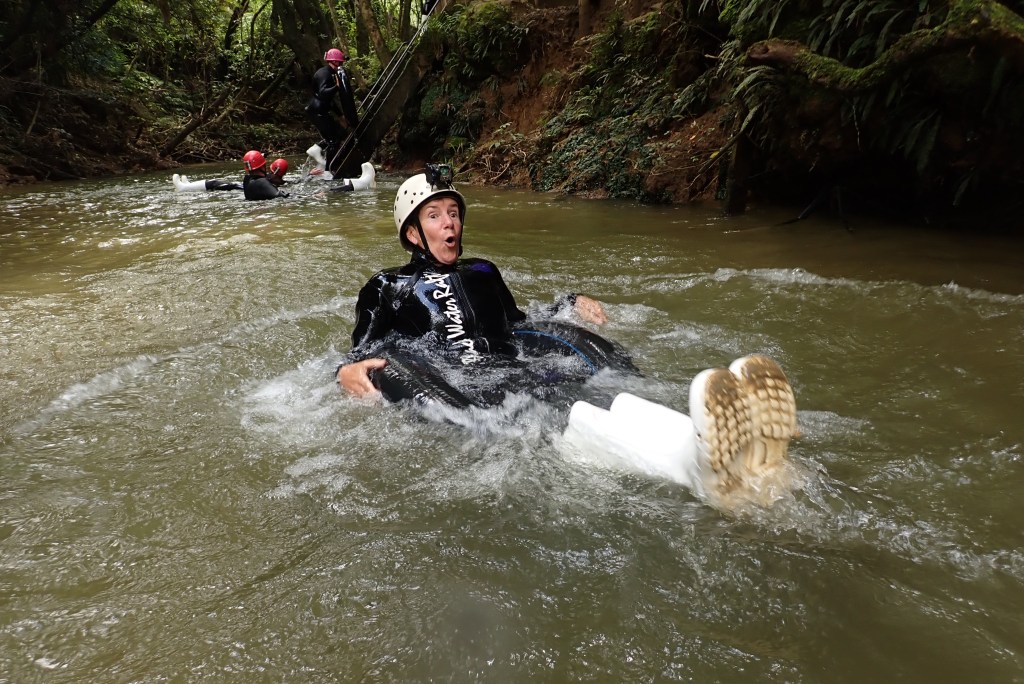
We were then driven to a river to be taught the technique of jumping backwards off waterfalls clutching an inner tube. It was also an icy introduction to the water we would be immersed in, in the caves. Some handled it slightly better than others.
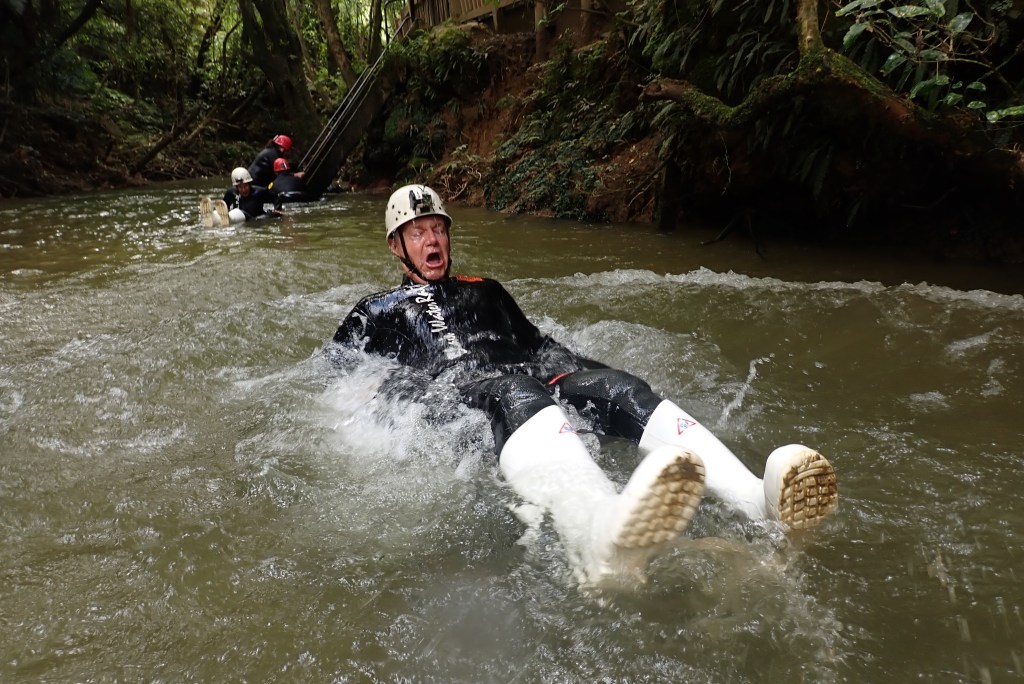
The big white boots were necessary for those sections where walking in the water on rocks would occur. They had drain holes in the sides to help minimize the weight.
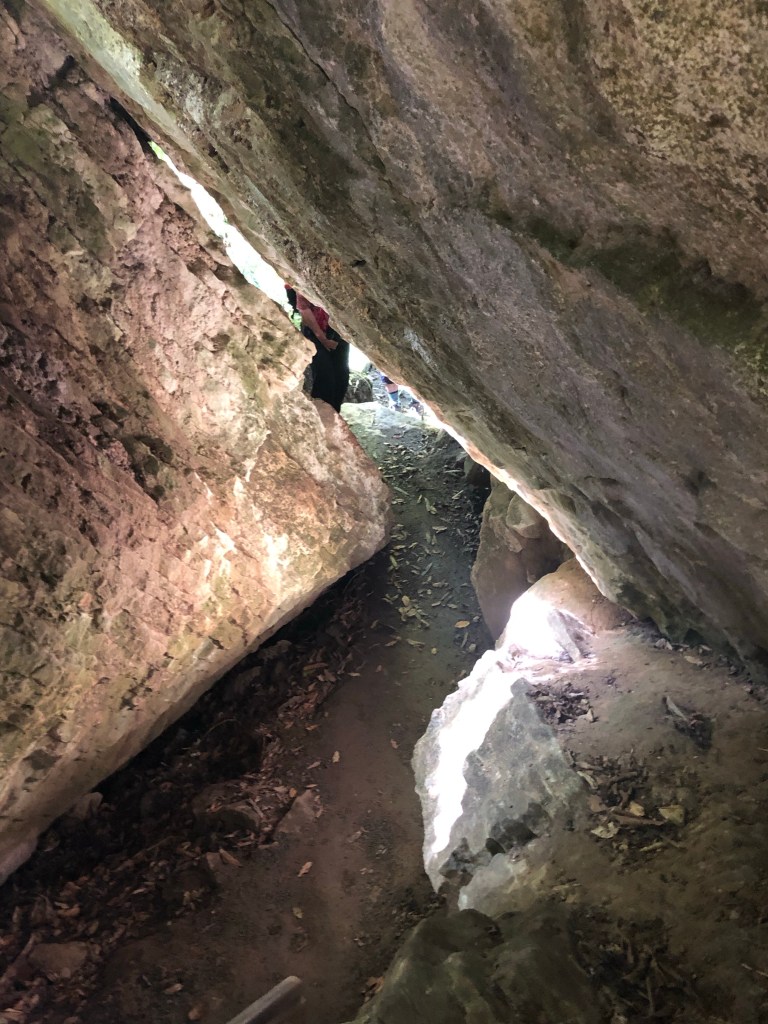
Then it was time to squeeze underground. This is not for the faint of heart of small dark places with rushing water.

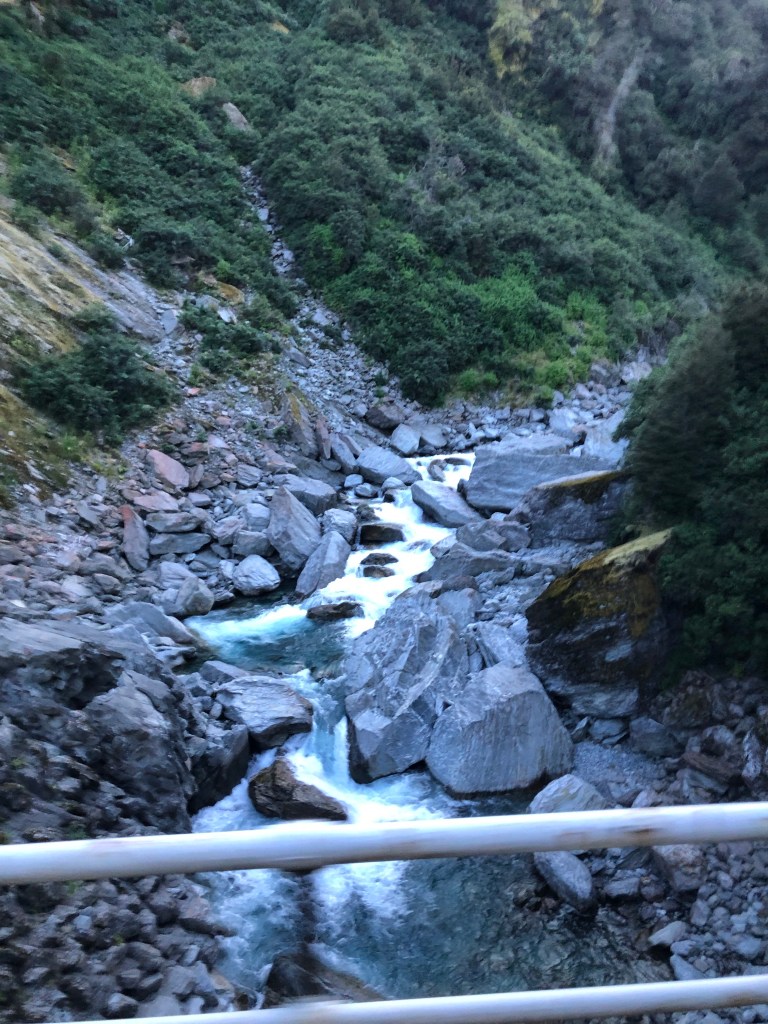
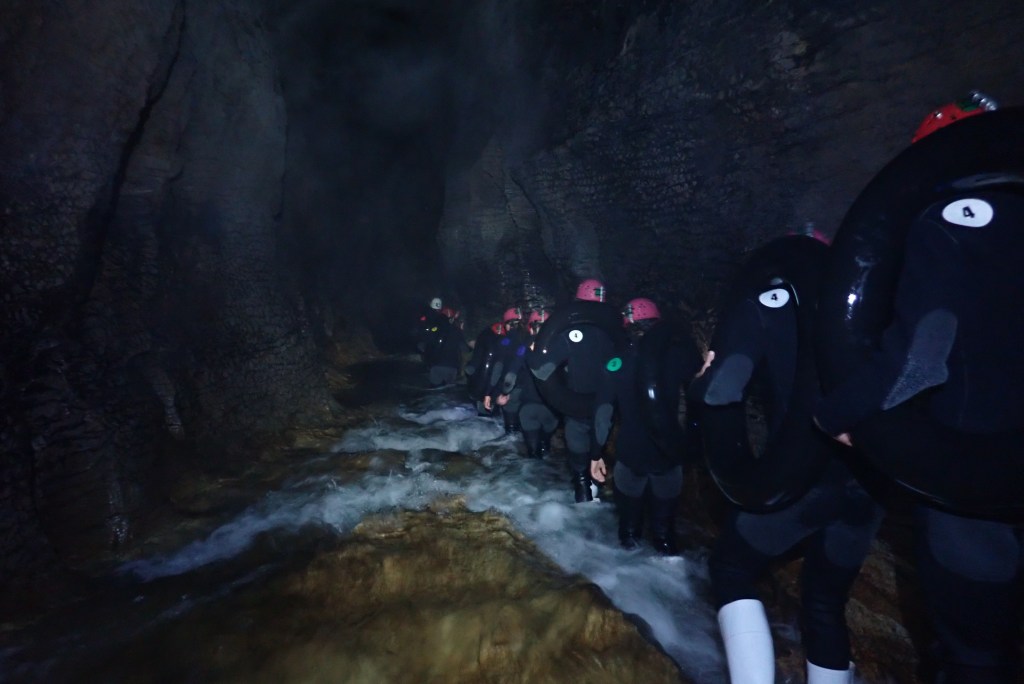
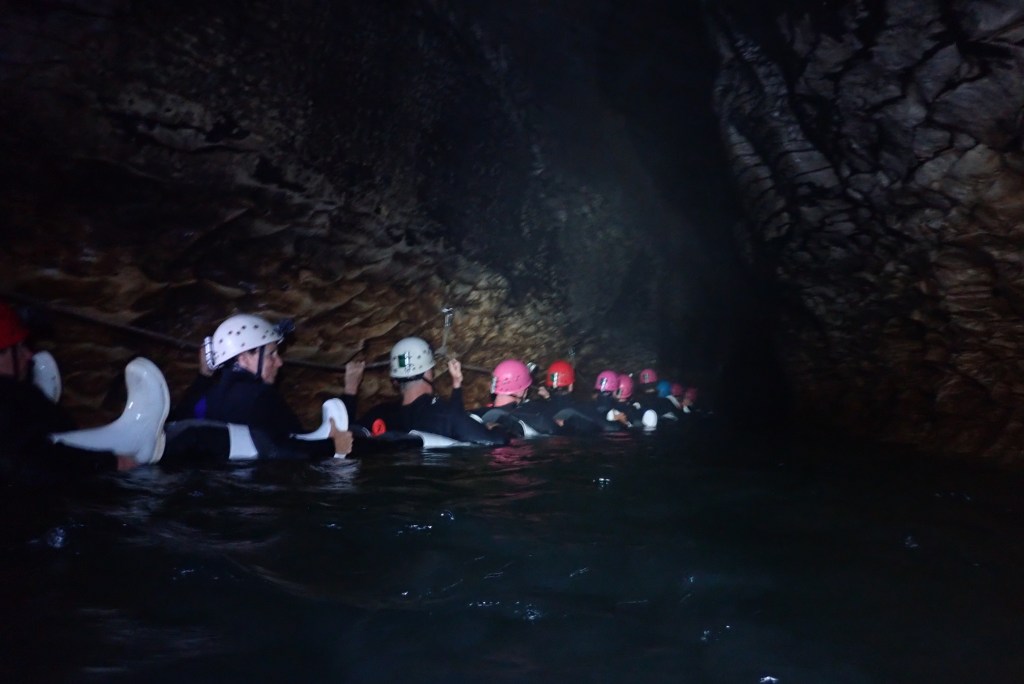
At times we waded through the rushing water but much of the journey was spent balanced on small inner tubes when the current slowed.
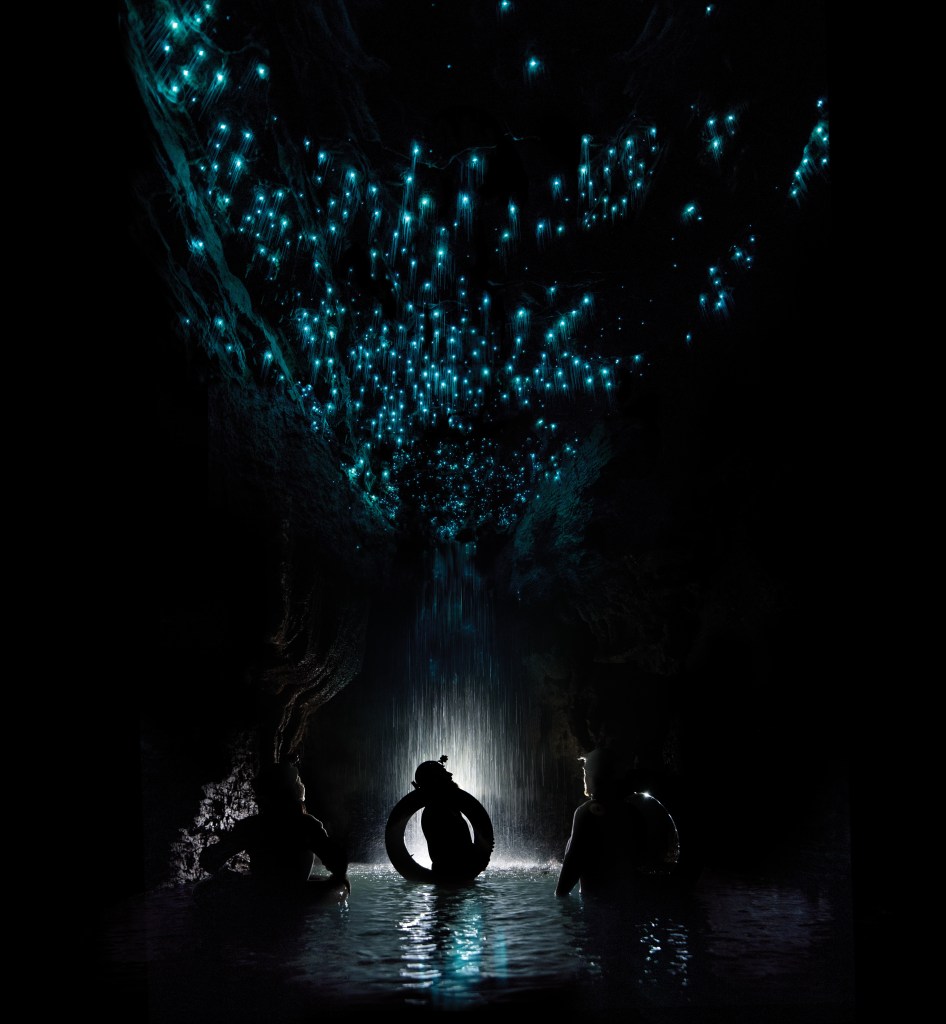
The trip marketing material hi lights (no pun intended) the presence of millions of glow worms in some of the larger caverns. It was magical when all our lamps were turned off and the ceiling glowed like a beautiful bluish green sky full of stars.

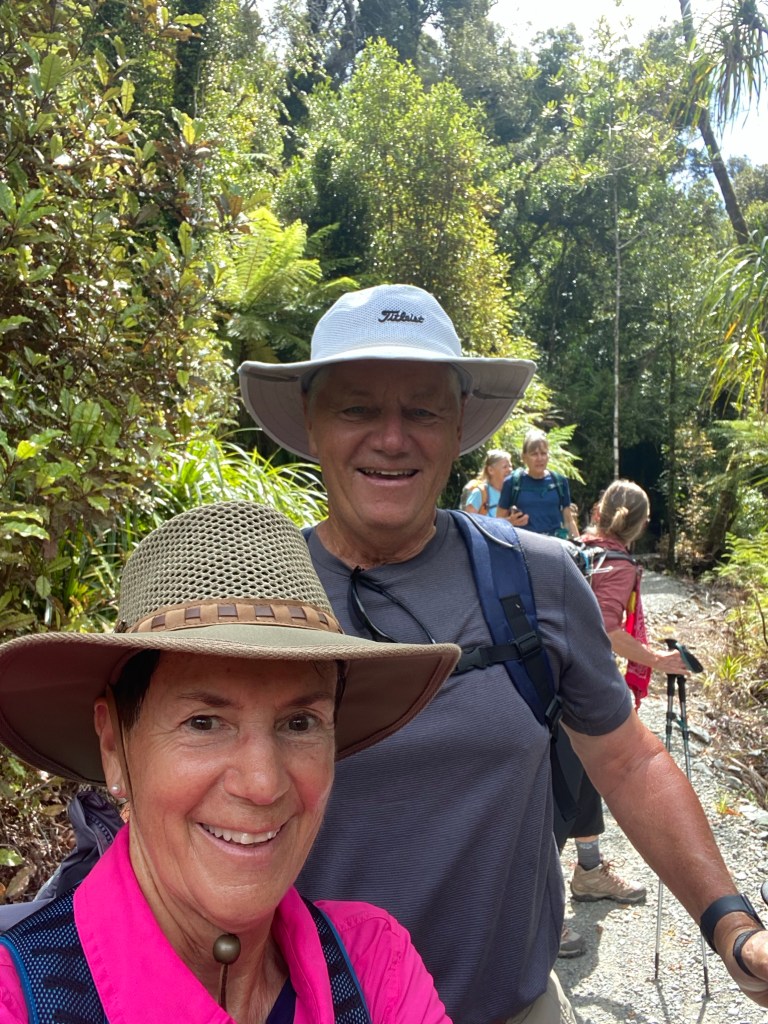
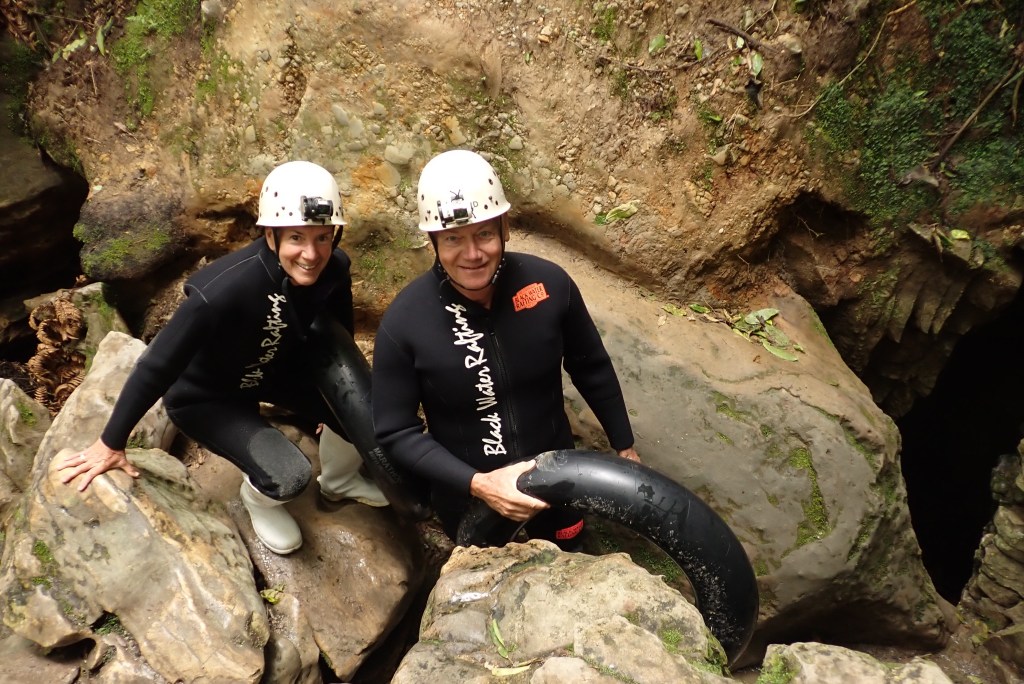
Of course we had to have the requisite tourist shot which also confirmed we hadn’t got lost and were still warm enough to smile.

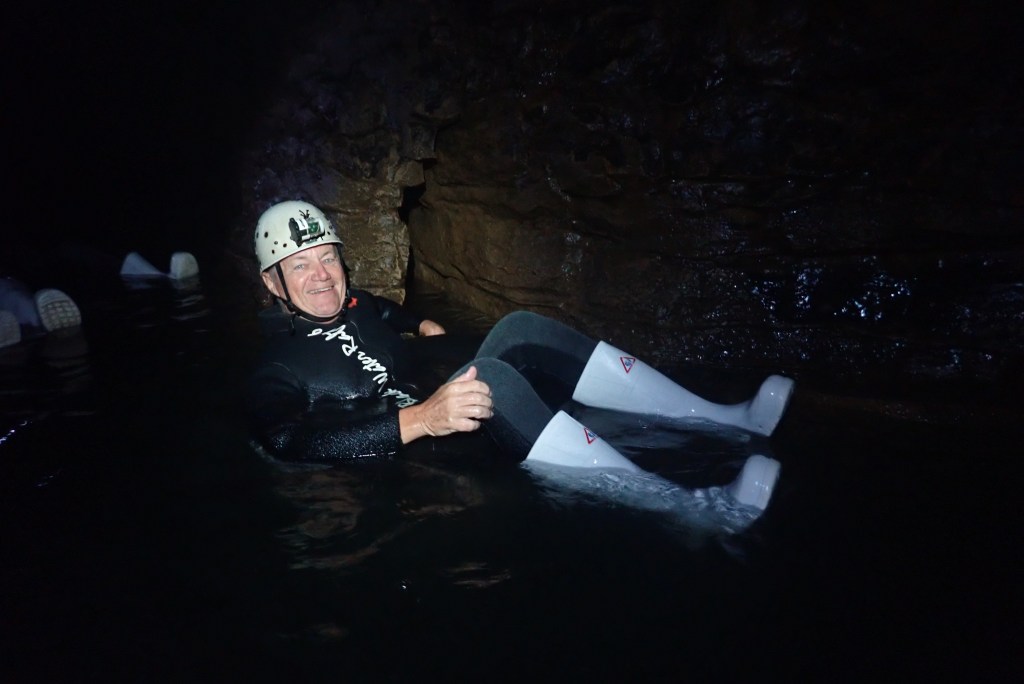
And in one section we were given the option to crawl through a small water filled tunnel. Only idiots need apply.
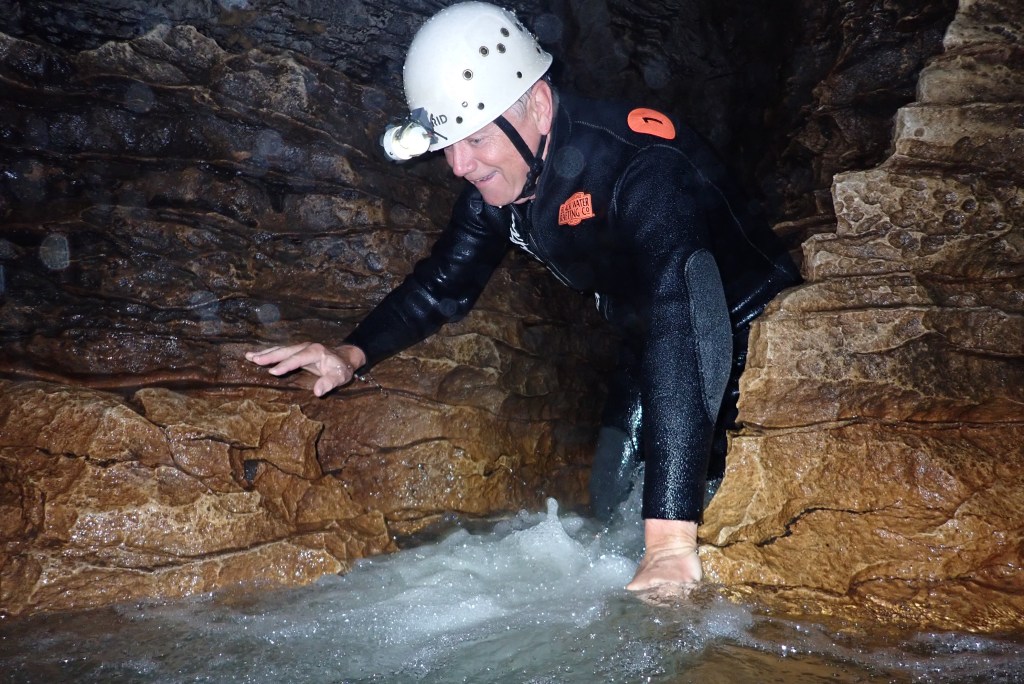
All too soon, although it was nearly 90 minutes underground, we emerged back into sunlight and a waterlogged clamber out of the river.

Back on the bus to the equipment depot where, comically, we shrugged off the wetsuits and stood luxuriating in steamy hot showers. A large hot chocolate helped immensely as well. Back into Sparky for the return to Auckland and the end of another unique adventure. Simply a wow day.
Tomorrow, golf! Look out Muriwai GC on the west coast.