To ensure a balanced description of this community one must acknowledge there are two distinct populations and each identifies the city by a name that reflects their religious allegiance. Notwithstanding that, we enjoyed a wonderful tour of the city, focusing on the massive walls that still surround the downtown, with a side trip to Bogside to learn more of the “Troubles” that consumed Northern Ireland in the early 70’s with the ramifications still being felt today.
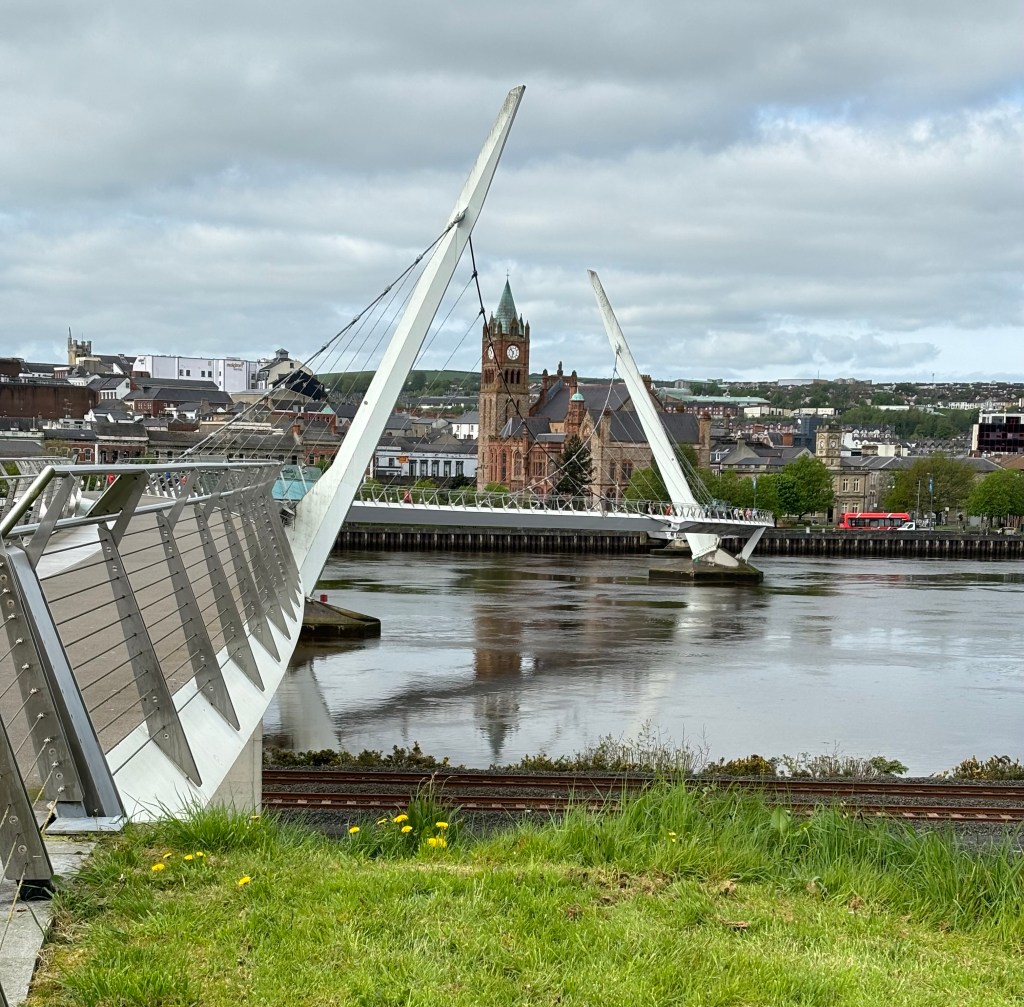
As we are staying on the east side of the River Foyle which bisects the city, our natural point of entry was to cross the Peace Bridge, erected in 2011 to reflect better relations between the largely unionist (Protestant) east bank with the largely nationalist (Catholic) Cityside on the west bank, by improving access between these areas.
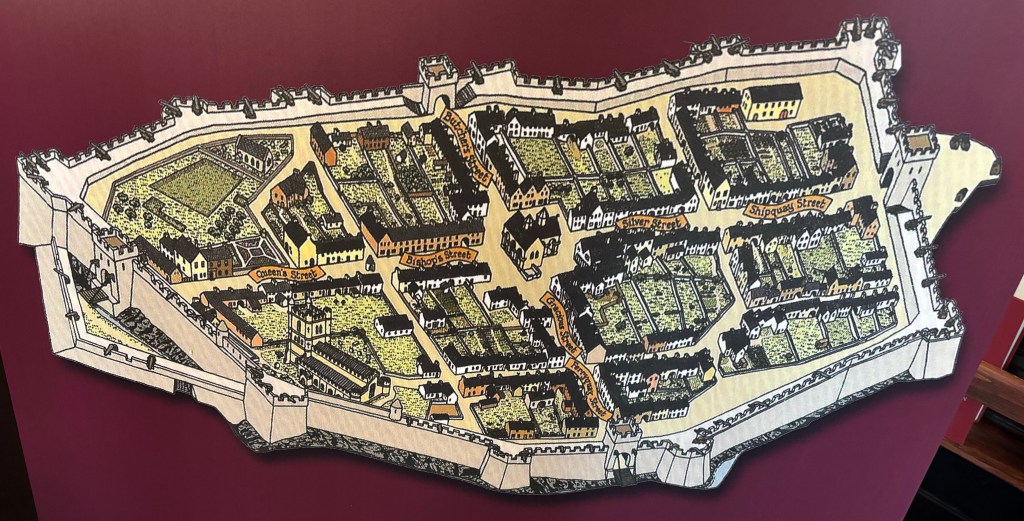
The wall is massive. It stands 26 feet high in places and 30 feet wide with the top providing a one mile loop around what today is the bustling central area of Londonderry.

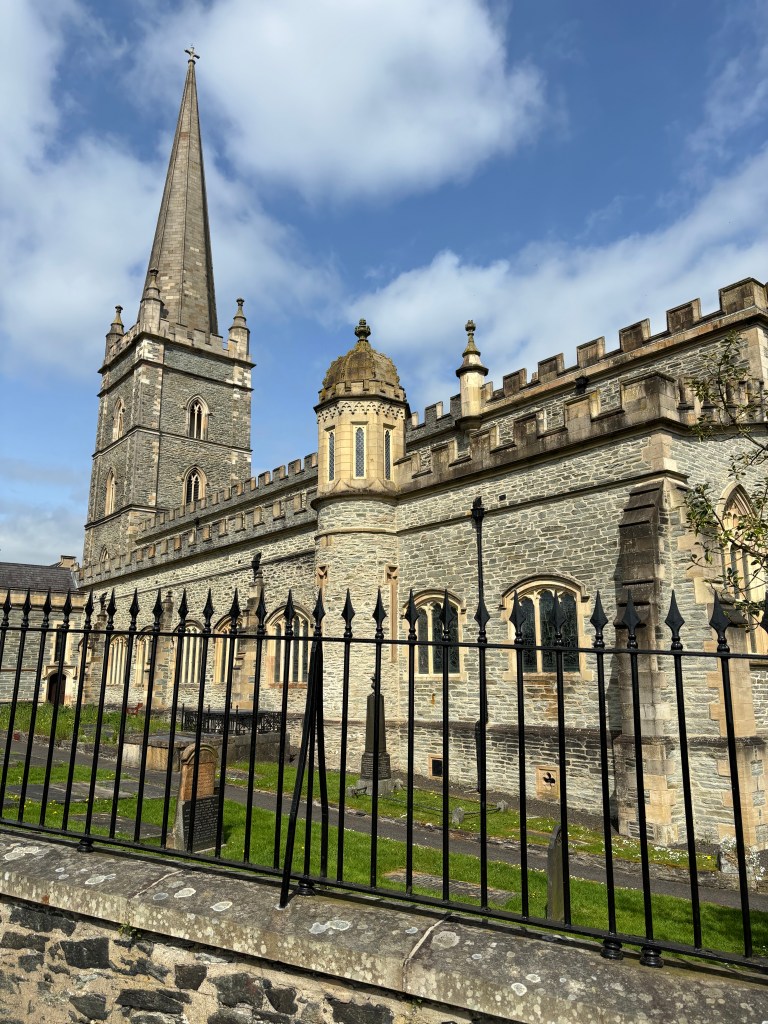
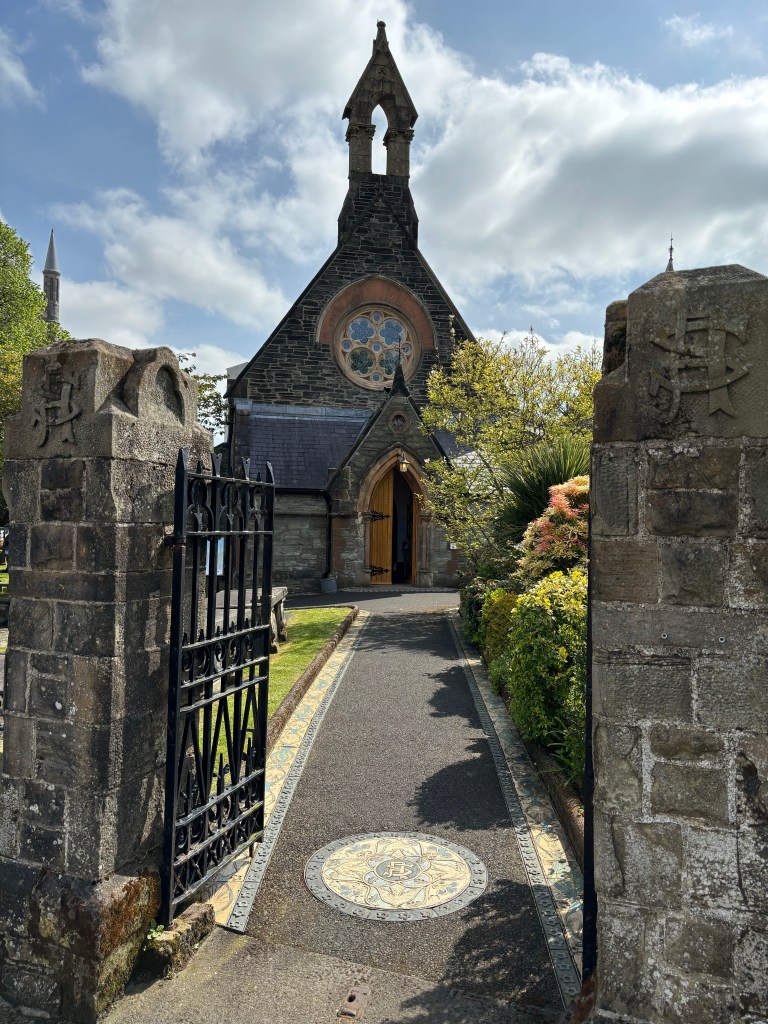
There are numerous century old buildings within the city including two churches.

The epicenter of town is the Guild Hall, now a local government edifice and information center.
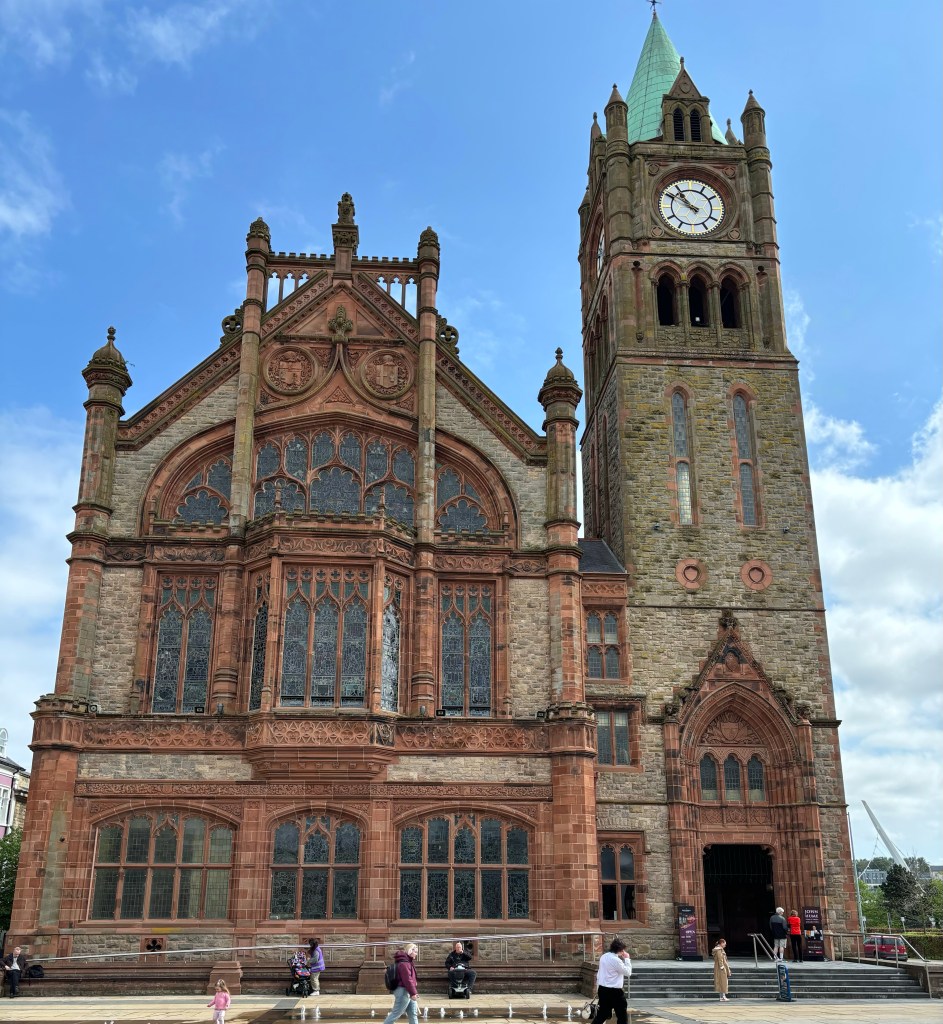
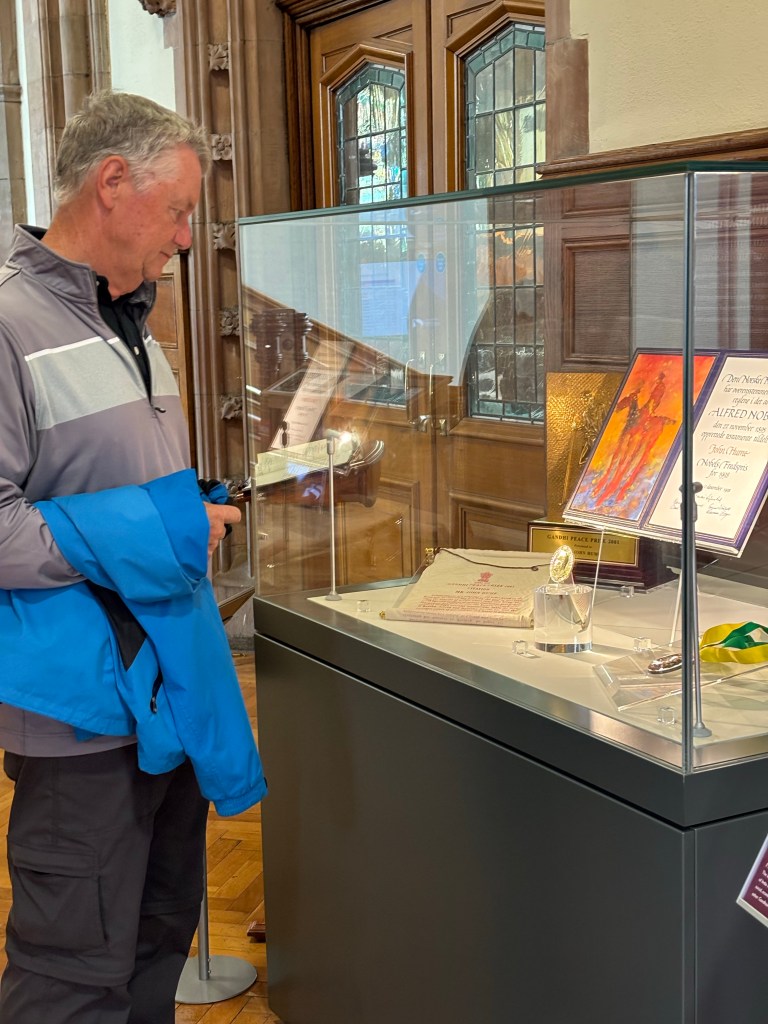
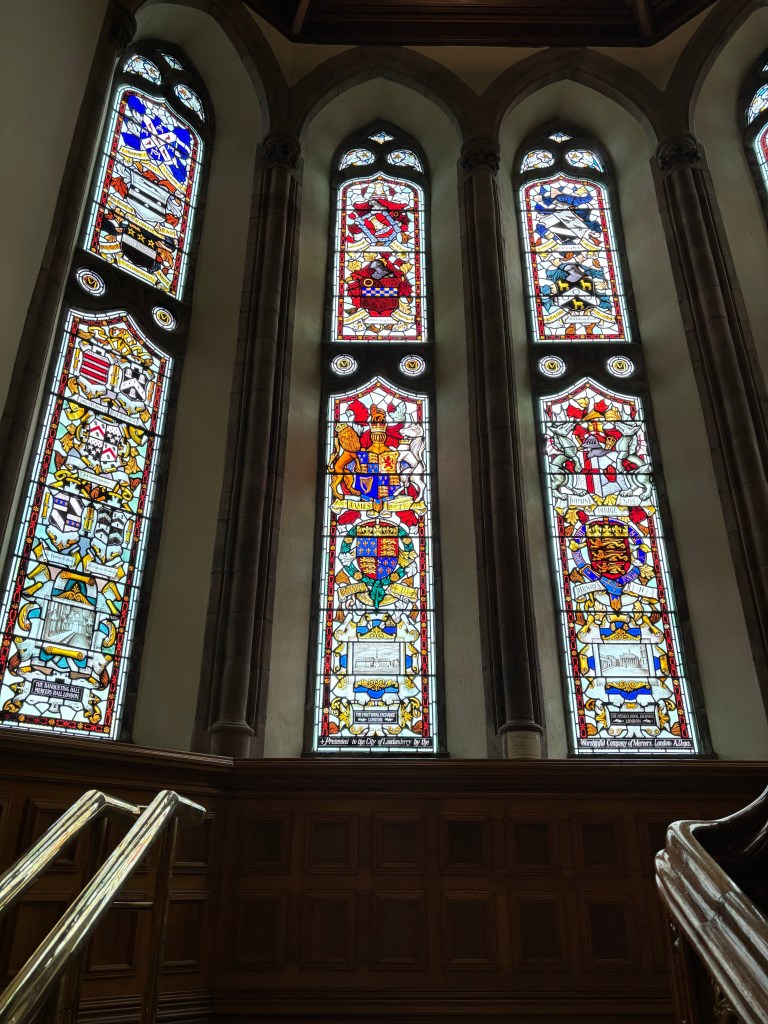
It contains eclectic holdings including John Humes Nobel Peace Prize medal, wonderful stained glass windows and a huge pipe organ.

No tour of Londonderry would be complete with wandering through the Bogside neighbourhood which was a Catholic stronghold during the troubles from 1969-1994. In particular is the memorial to Bloody Sunday, January 1972, when protesters were shot by the British Army. Murals and commemorations exist to this day.
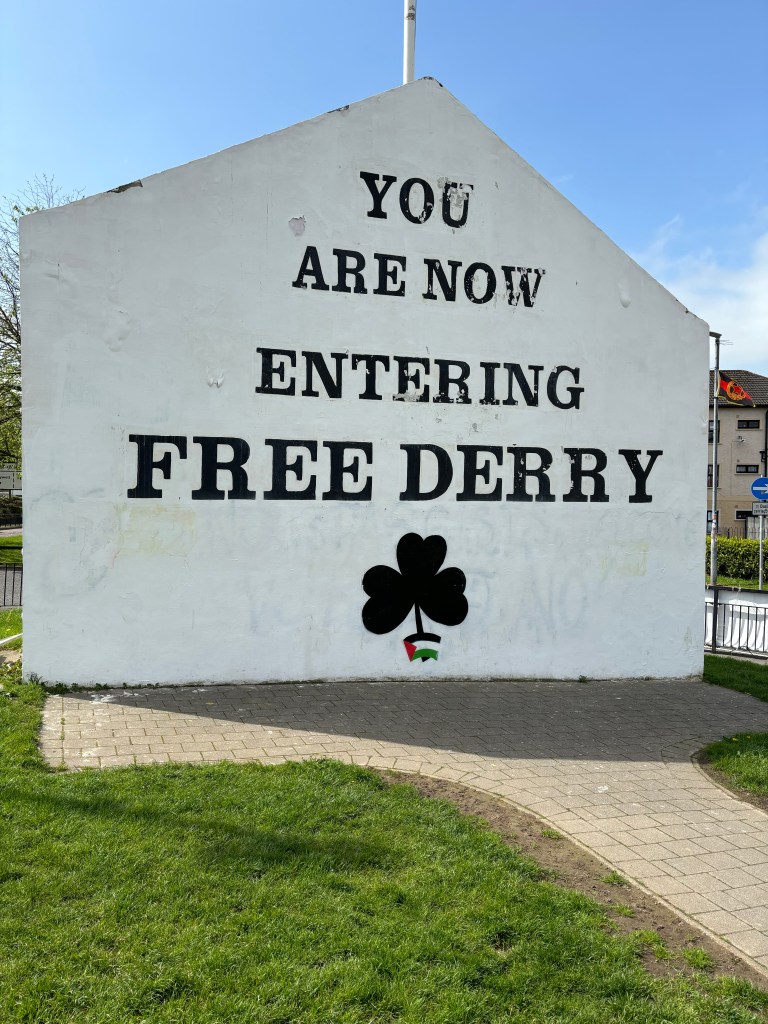
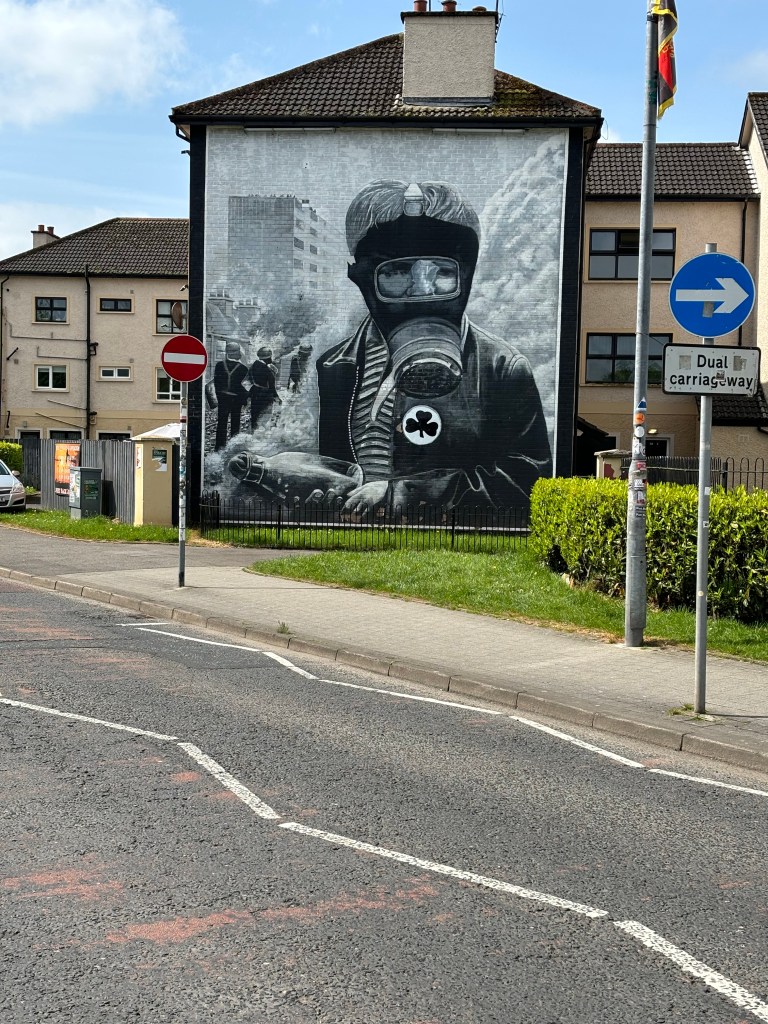
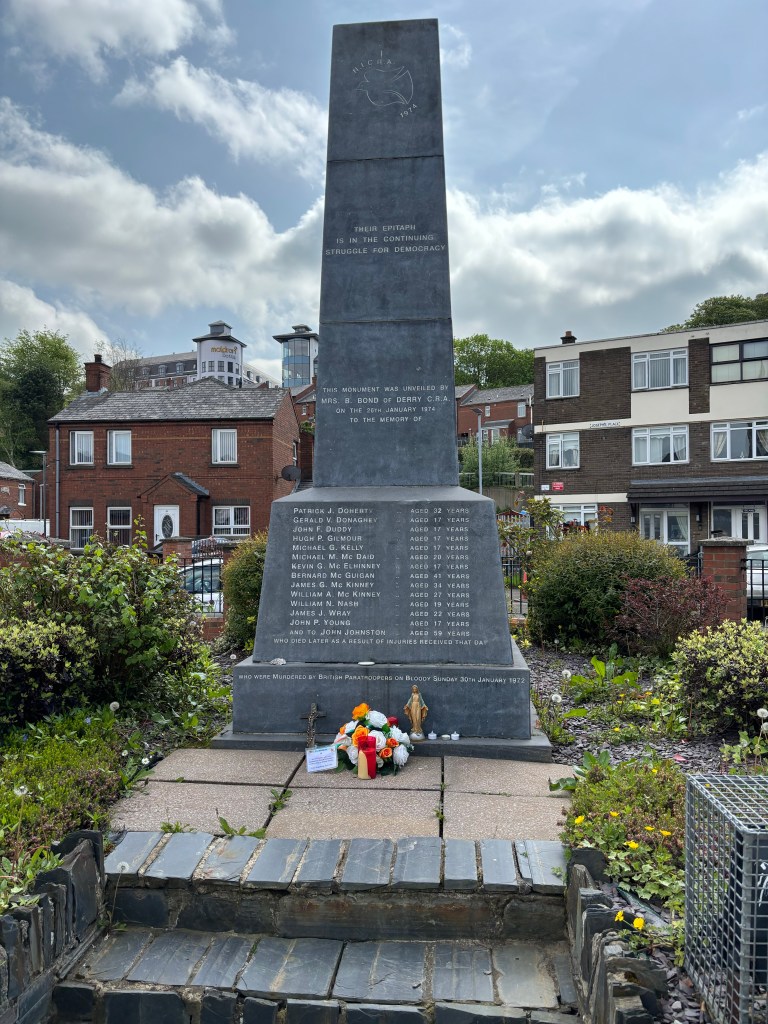
Despite the passage of time one can almost still feel the anger and anxiety that existed given the numerous signs, banners and plaques that are on display.


So despite being a day off we still walked many thousands of steps but took away a much better understanding of a city still somewhat divided.

 The Bennetts On Tour